Best Iron Filter for Well Water: Types, Costs, and Sizing
Compare iron filter options for well water, including installed costs, flow rates, and maintenance requirements before you buy.
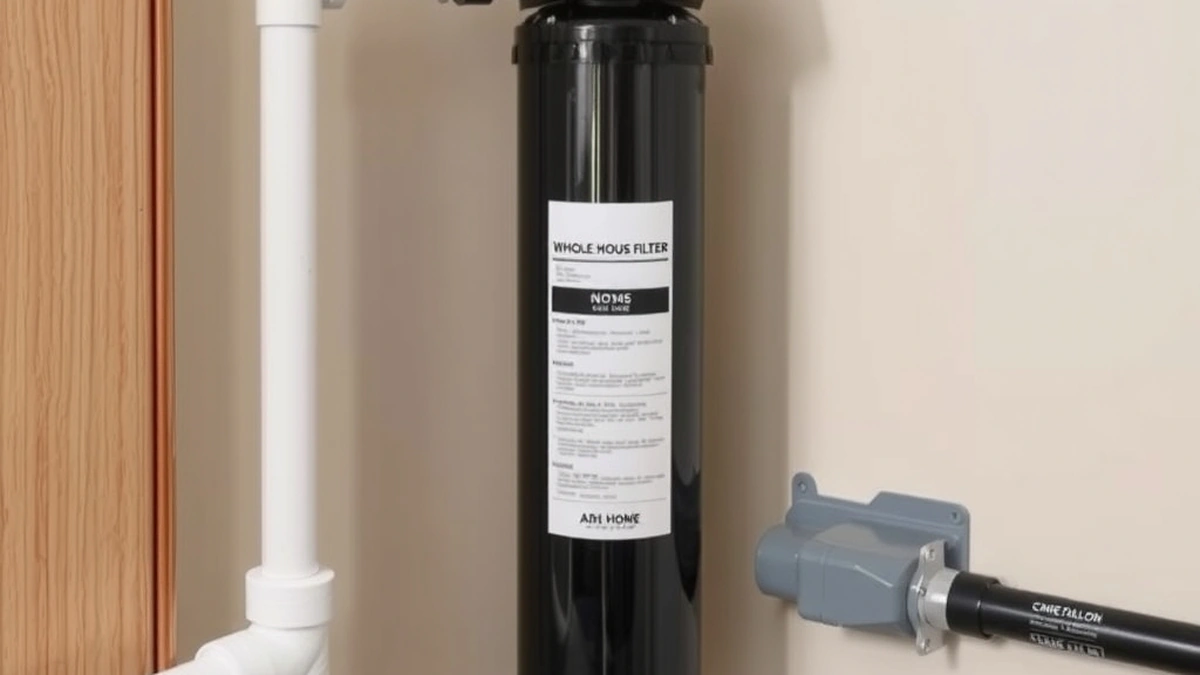
A whole-house iron filter typically costs $800 to $2,500 installed and works best after a lab water test confirms iron type and concentration.
- Typical installed cost
- $800-$2,500
- Common flow rate range
- 8-15 GPM
- Water test cost
- $40-$150
- Media replacement interval
- Varies by iron level
Some links on this page are affiliate links.If you buy through them we may earn a commission at no extra cost to you. We do not accept payment for rankings. Read the full disclosure.
The best iron filter for well water is the one matched to your water test results. Iron appears in different forms, and treatment equipment that works for clear-water iron may not handle iron bacteria or particulate iron. Start with a laboratory water test, then select equipment based on measured iron concentration, pH, flow rate, and whether manganese or sulfur is also present.
Why Testing Comes First
Well water quality varies by location, well depth, and geology. A lab test typically costs $40 to $150 and should report total iron, iron type, pH, hardness, manganese, and bacteria if relevant. Clear-water iron, also called ferrous iron, is dissolved and often passes through standard sediment filters. Red-water iron, or ferric iron, is already oxidized and visible as particles. Iron bacteria can create slime and clog equipment even at low iron concentrations.
Treatment decisions depend on these numbers. A conventional water softener may reduce small amounts of clear-water iron, but many softeners are limited to roughly 2 to 3 ppm of iron before resin fouling becomes a concern. If your test shows higher levels, or if iron is combined with sulfur or manganese, a dedicated iron filter is usually the more appropriate equipment.
Iron Filter Types and How They Work
Several whole-house approaches are used for iron in well water. Each has different equipment costs, maintenance needs, and performance limits.
- Oxidizing media filters use media such as Birm, greensand, or catalytic carbon to convert dissolved iron into particles, then filter them out. Some require air injection or chemical regeneration with potassium permanganate.
- Air injection oxidation (AIO) systems introduce air into the water stream to oxidize iron, then filter the resulting solids. These avoid chemical regeneration but require adequate flow and occasional air draw checks.
- Chemical oxidation systems feed chlorine or hydrogen peroxide ahead of a contact tank and carbon or sediment filter. This is common when iron bacteria or sulfur are also present.
- Sediment-only filtration can remove particulate iron but does nothing for dissolved iron unless oxidation happens first.
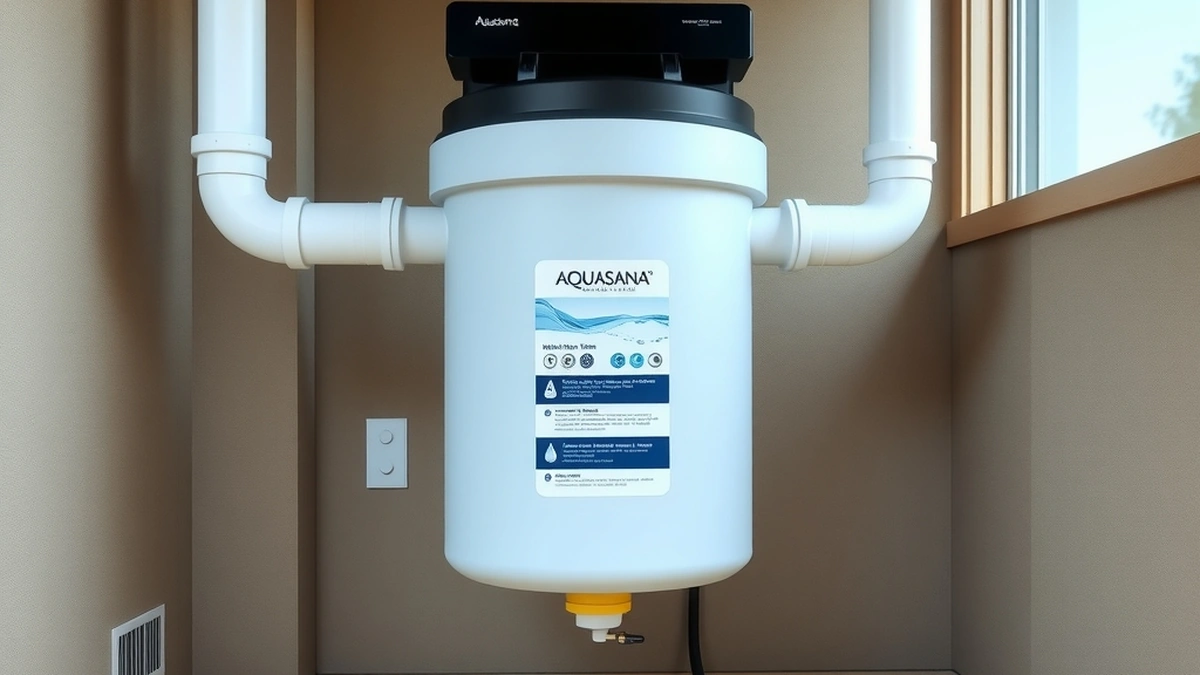
Installed costs for whole-house iron filters generally range from $800 to $2,500. Flow rates commonly fall between 8 and 15 gallons per minute, though the right size depends on peak household demand and the iron load the media must handle.
Cost Comparison With Other Treatment Options
Iron filters are one option among several well-water treatment systems. The table below shows typical installed cost ranges for reference. These are estimates, not quotes, and actual prices vary by region, equipment size, and installer.
| System type | Typical installed cost | Common recurring cost |
|---|---|---|
| Iron filter | $800-$2,500 | Media and backwash water; varies |
| Water softener | $1,200-$4,500 | Salt $120-$400 per year |
| Salt-free conditioner | $500-$1,800 | Minimal; no salt |
| Carbon filter | $500-$1,800 | Cartridges $80-$300 per year |
| Under-sink RO | $300-$900 | $60-$150 per year |
| Whole-house RO | $3,000-$8,000 | Membrane and pre-filters; varies |
A water softener costs $600 to $2,500 for equipment alone, with installation adding $500 to $1,500 for a total installed range of $1,200 to $4,500. Salt use runs roughly $120 to $400 per year, and resin rebeds can cost $300 to $600 when needed. Capacity typically spans 24,000 to 64,000 grains, with salt use of about 8 to 12 pounds per regeneration. Softener life is often 10 to 15 years, while resin may last 8 to 12 years.
For comparison, an iron filter at $800 to $2,500 installed avoids salt purchases but may require periodic media replacement and backwashing. If your water test shows iron below roughly 2 to 3 ppm and hardness is your main concern, a softener might address both issues. Above that range, dedicated iron filtration is usually the more direct path.
Sizing and Flow Rate Considerations
Whole-house iron filters must handle your home’s peak flow without excessive pressure drop. Many residential systems are rated for roughly 8 to 15 gallons per minute. A home with multiple bathrooms, irrigation, or high-flow appliances may need the higher end of that range or multiple tanks in parallel.
Backwashing frequency depends on iron concentration and daily water use. Higher iron levels fill the media bed faster, requiring more frequent backwash cycles and potentially shorter media life. Backwash water goes to a drain or septic system, so installation must include a suitable discharge point.
If you also need sediment removal, a pre-filter can protect the iron filter from particulates. Sediment cartridges often require replacement every 3 to 6 months, depending on turbidity and usage.
Where Iron Filters Fit in a Treatment Train
Iron treatment rarely works in isolation. A typical well-water treatment sequence might include:
- Sediment pre-filter to remove visible particles
- Iron filter sized for measured iron concentration
- Water softener if hardness remains above target levels
- Point-of-use reverse osmosis at the kitchen tap if additional reduction is desired for drinking water
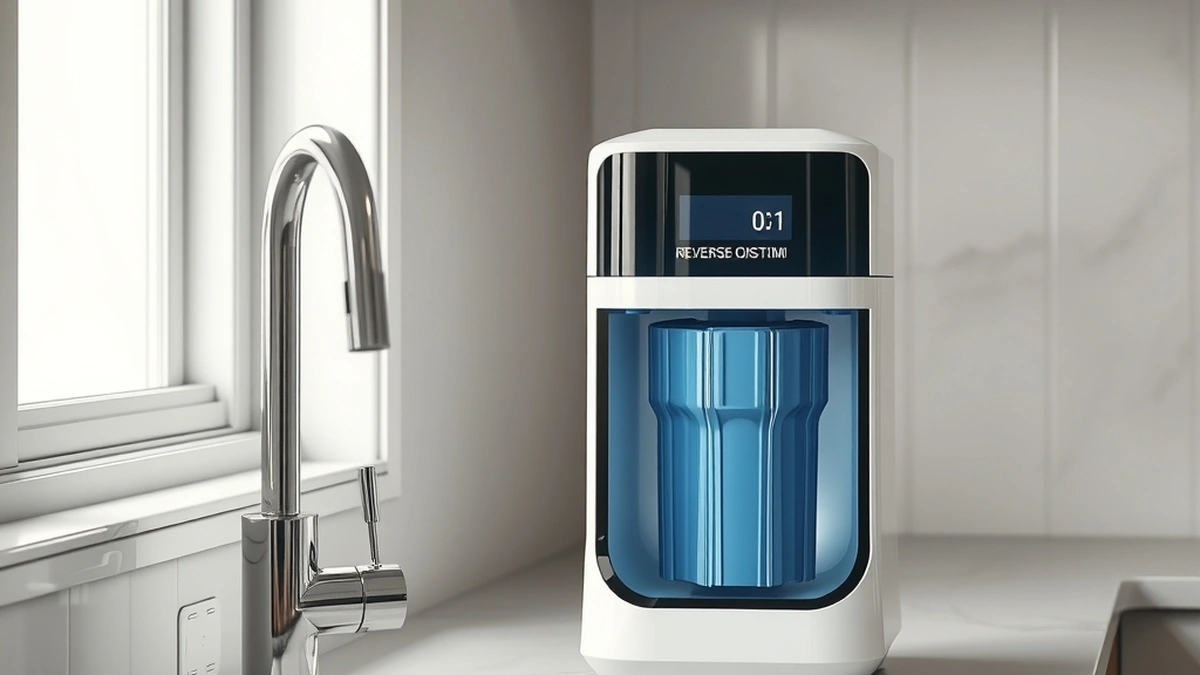
Under-sink reverse osmosis equipment costs $200 to $600, with installed prices around $300 to $900. Annual running costs are roughly $60 to $150, and membranes typically last 2 to 3 years. RO waste ratios are commonly 3 to 4 gallons of wastewater per gallon of product water, with rejection rates around 80 to 95 percent depending on the contaminant.
UV treatment addresses bacteria, not iron, and costs roughly $30 to $90 per year for lamp replacement. If your lab test detects coliform or iron bacteria, UV or chlorination may be needed alongside iron filtration.
Installation and Maintenance Expectations
Professional installation is recommended for whole-house iron filters because the unit must tie into the main water line, include a bypass valve, and connect to a drain for backwash. Some systems require electrical power for air injection or chemical feed pumps.
Maintenance tasks include checking the brine or regenerant tank on chemical systems, cleaning or replacing air injectors on AIO units, and monitoring pressure drop across the filter. Media life varies widely with iron concentration; high-iron wells may exhaust media faster than low-iron wells. Label all maintenance intervals as estimates until your actual water use and iron load establish a pattern.
If your well produces iron bacteria, shock chlorination of the well may be necessary before installing filtration, because bacteria can coat media and reduce effectiveness quickly. A water treatment professional can assess whether well rehabilitation is needed in addition to equipment.
Making the Purchase Decision
Buy based on test results, not marketing. Compare installed cost, flow rating, media type, regeneration method, and expected maintenance. Ask for a written quote that includes equipment, plumbing, electrical work if needed, and backwash drainage. Confirm whether the system can be bypassed for lawn irrigation to preserve media life.
For additional cost context, see our guides on whole-house water filter cost, iron filter cost, and well water treatment cost. These pages break down equipment and installation ranges without endorsing specific brands or dealers.
Frequently asked questions
What is the best iron filter for well water?
The best choice depends on your water test results, including iron type, concentration, pH, and flow rate; no single model fits every well.
How much does an iron filter cost installed?
Installed whole-house iron filters generally run $800 to $2,500, depending on system size, media type, and plumbing complexity.
Can a water softener remove iron?
A softener can handle limited clear-water iron, often around 2-3 ppm, but higher levels usually require dedicated iron filtration.
How often do iron filters need maintenance?
Maintenance varies by media and iron load; backwashing frequency and media replacement depend on measured iron concentration and water usage.
Do I need a water test before buying an iron filter?
Yes. A lab test costing roughly $40 to $150 identifies iron type and concentration, which determines whether filtration, softening, or oxidation is appropriate.
What flow rate should a whole-house iron filter support?
Many whole-house filters are sized for roughly 8 to 15 gallons per minute to match typical household demand without excessive pressure drop.
Sources
Some links are affiliate links.If you buy through them we may earn a commission at no extra cost to you. We do not accept payment for rankings. Read the full disclosure.