
Compare guides
Softener vs filter vs RO, salt vs salt-free, whole-house vs under-sink — decided with numbers.
The comparisons buyers actually face
Most water-treatment decisions come down to four pairs: softener versus filter, salt-based versus salt-free, whole-house versus under-sink, and reverse osmosis versus everything else. Each has a cost answer and a water-chemistry answer, and the chemistry usually decides.
| Choice | Option A | Option B | What decides it |
|---|---|---|---|
| Softener vs filter | Removes hardness by ion exchange | Removes chlorine, taste, sediment | Scale and soap scum → softener; taste and grit → filter |
| Salt-based vs salt-free | Actually removes calcium and magnesium | Prevents scale without removing hardness | Tested hardness above 7 gpg → salt-based |
| Whole-house vs under-sink | Every tap, $1,200–$4,500 | One tap, $200–$900 | Whether the problem is skin/appliances or drinking water |
| RO vs carbon filter | Removes dissolved solids, nitrate, lead | Removes chlorine and taste only | Whether a lab test shows dissolved contaminants |
Salt-based versus salt-free: the honest version
A salt-free conditioner changes the way calcium behaves so it does not stick to pipes and heating elements. It does not remove the minerals, so the water still tests hard, still feels different on soap, and still leaves spots when it evaporates. It is cheaper to run and needs no drain, which is why it sells — but calling it a softener is the single most common misrepresentation in the category.
If scale in the water heater and soap consumption are the complaints, salt-based wins. If the goal is to stop scale on a tankless heater without a drain line, a conditioner is a reasonable compromise. Testing hardness before and after is the only way to know which one you bought.
Whole-house versus point-of-use
A whole-house system treats every gallon: showers, laundry, dishwasher, garden taps. A point-of-use system treats one tap, usually the kitchen. The cost difference is roughly three to five times, and the benefit difference is skin, appliances and laundry versus drinking water only.
Households with hard water and a chlorinated municipal supply usually end up with both: a softener at the incoming line and an RO at the kitchen sink. Households on good municipal water with a taste complaint can stop at a carbon filter under the sink.
The comparisons that mislead
Two traps recur. The first is comparing a five-year cost for one system with an installed price for another — the cost hub normalises both to cost per gallon. The second is trusting a "removes 99% of contaminants" claim without the list: a carbon filter that removes 99% of chlorine is not removing nitrate, arsenic or lead.
Read the certification. NSF/ANSI 42 covers taste and odour; 53 covers specific health contaminants; 44 covers softeners; 58 covers reverse osmosis. A unit certified to 42 only is a taste filter, whatever the box says.
Is a salt-free system worth it?
Only where a drain is impossible or local rules ban brine discharge. It conditions water; it does not soften it, and it will not fix soap scum or scale in the heater to the same degree.
Do I need RO if I have a softener?
They solve different problems. A softener removes hardness; RO removes dissolved solids, nitrate and lead at the tap. If a lab test shows those contaminants, RO is the fix regardless of softening.
Can I install a softener myself?
Mechanically possible for a confident DIYer with a bypass loop and a drain, but a bad joint floods a house. Most homeowners pay $500–$1,500 for installation and keep the warranty intact.
What the certification numbers mean
NSF/ANSI 42 covers taste and odour; 44 covers softeners; 53 covers specific health contaminants; 58 covers reverse osmosis. A unit certified only to 42 removes chlorine and improves taste — it does not remove nitrate, arsenic or lead, whatever the marketing says. When two products look identical and one costs half as much, the difference is usually the certification scope, not the plastic.
Ask for the listing number, not the logo. A certification claim without a model-specific listing is a claim about a product family, and product families change components between revisions.
All compare guides
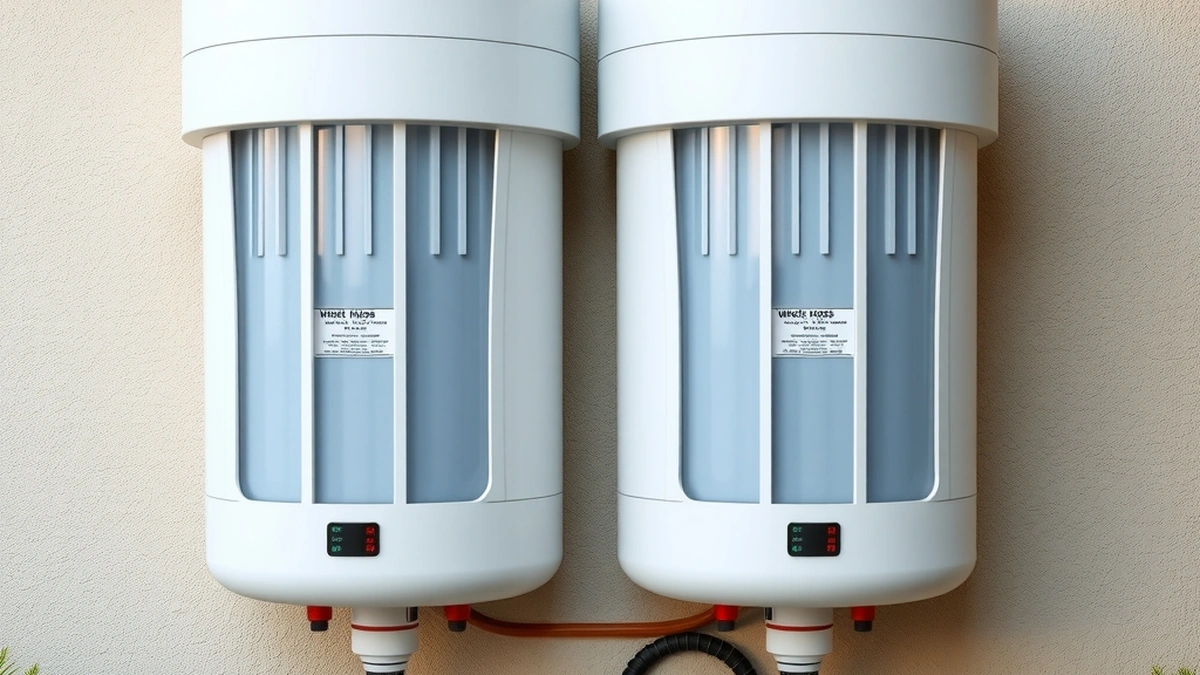
Aquasana vs SpringWell Whole-House Filters
Compare Aquasana and SpringWell whole-house water filters on equipment cost, installation price, flow rates, and cartridge replacement schedules.
Read the guide →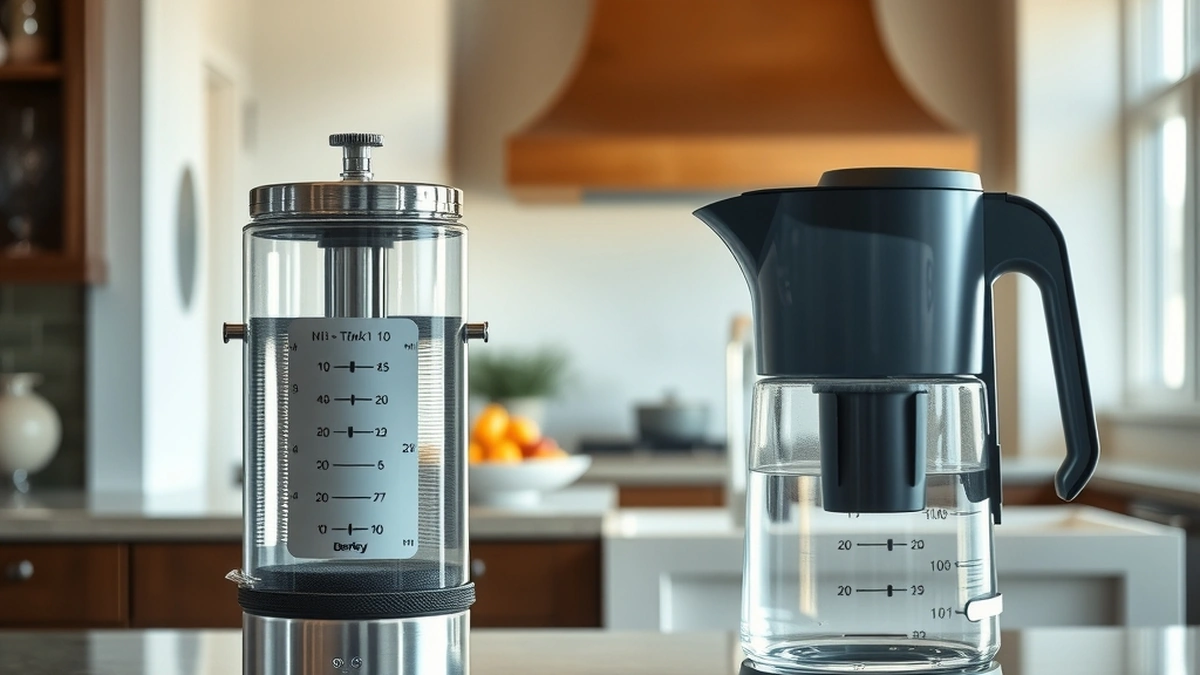
Berkey vs Brita: Cost Per Gallon Comparison
Compare Berkey and Brita pitcher and gravity filter costs per gallon, including equipment, replacement filters, and long-term ownership math.
Read the guide →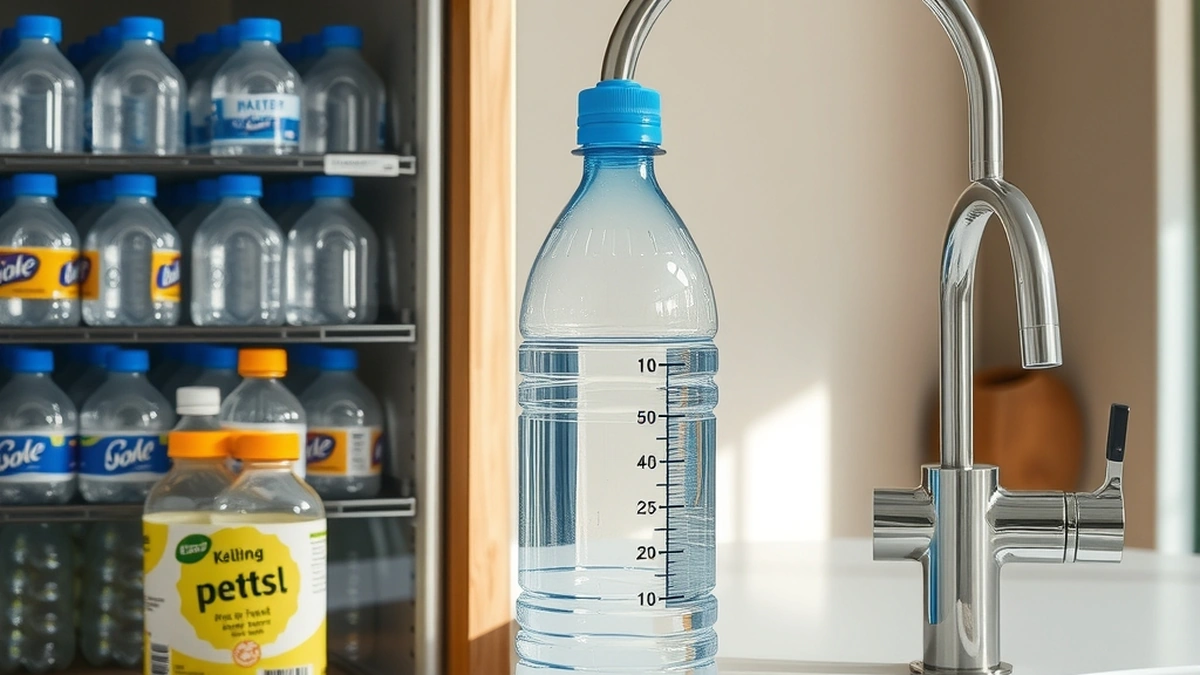
Bottled water vs a home filter: cost per gallon
Bottled water runs about $1 per gallon; a home filter runs cents. See the five-year arithmetic for pitchers, under-sink RO, and delivered water.
Read the guide →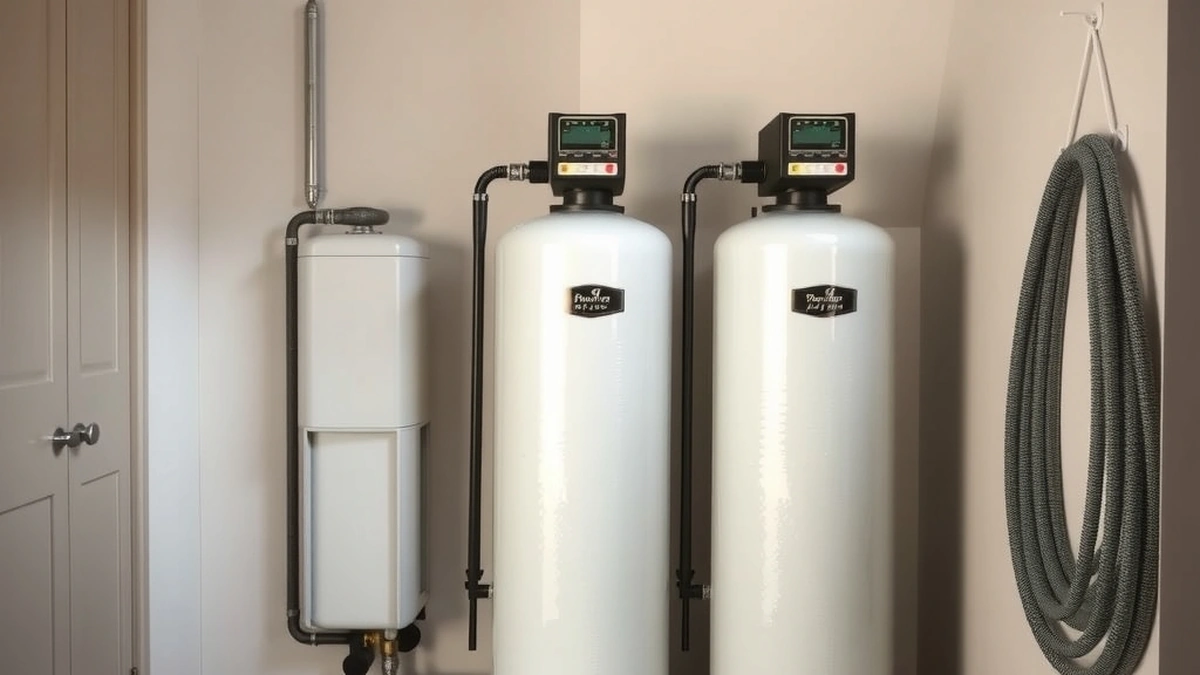
Culligan vs Kinetico: Dealer Models Compared
Compare Culligan and Kinetico water softener dealer models, installed cost, grain capacity, salt use, and maintenance before signing a contract.
Read the guide →
Hard Water vs Soft Water: The Practical Difference
Hard water carries calcium and magnesium; soft water has exchanged them for sodium. Compare lather, scale, taste, sodium, and what each costs to own.
Read the guide →
Ion Exchange vs Nanofiltration for Home Water Treatment
Compare ion exchange and nanofiltration systems by cost, capacity, maintenance, and best use cases for hard water and dissolved contaminants.
Read the guide →
iSpring vs Waterdrop RO: Cost and Spec Comparison
Compare iSpring and Waterdrop reverse osmosis systems on equipment cost, installation, filters, and yearly running costs.
Read the guide →
Municipal vs Well Water Treatment: Equipment and Costs
Compare municipal and well water treatment options, including testing, hardness, iron, and installed system costs for US homes.
Read the guide →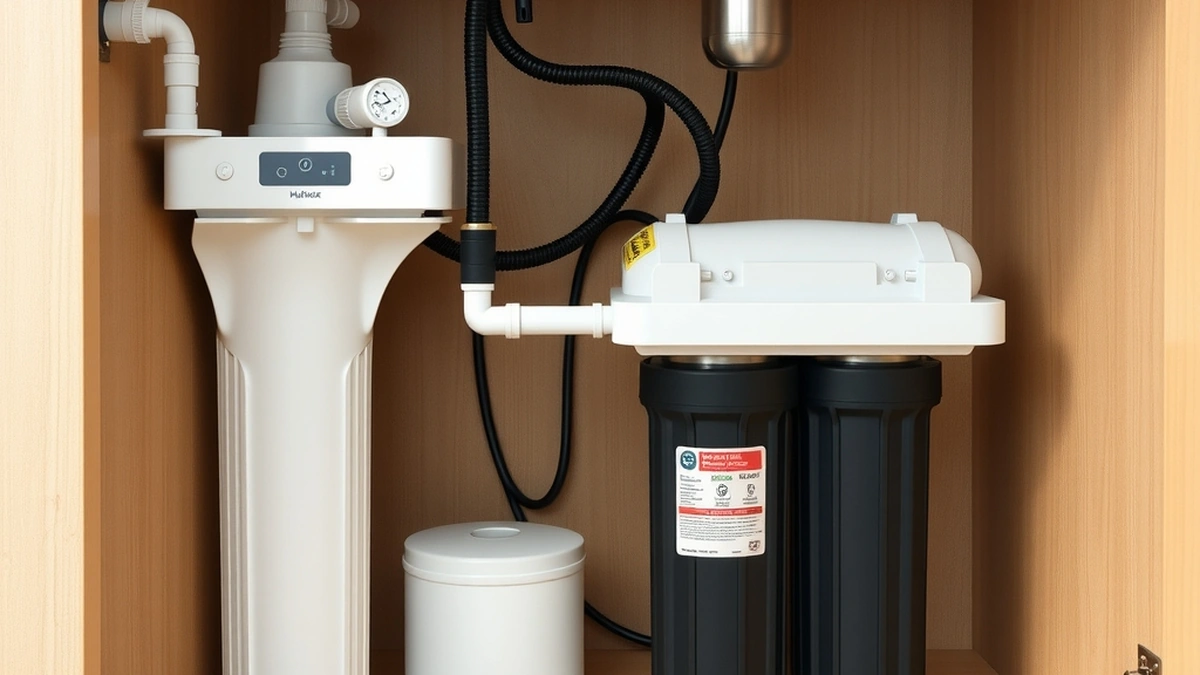
Reverse osmosis vs carbon filter
Carbon filters remove chlorine and taste; reverse osmosis removes dissolved solids. Compare what each handles, what each costs, and when you need both.
Read the guide →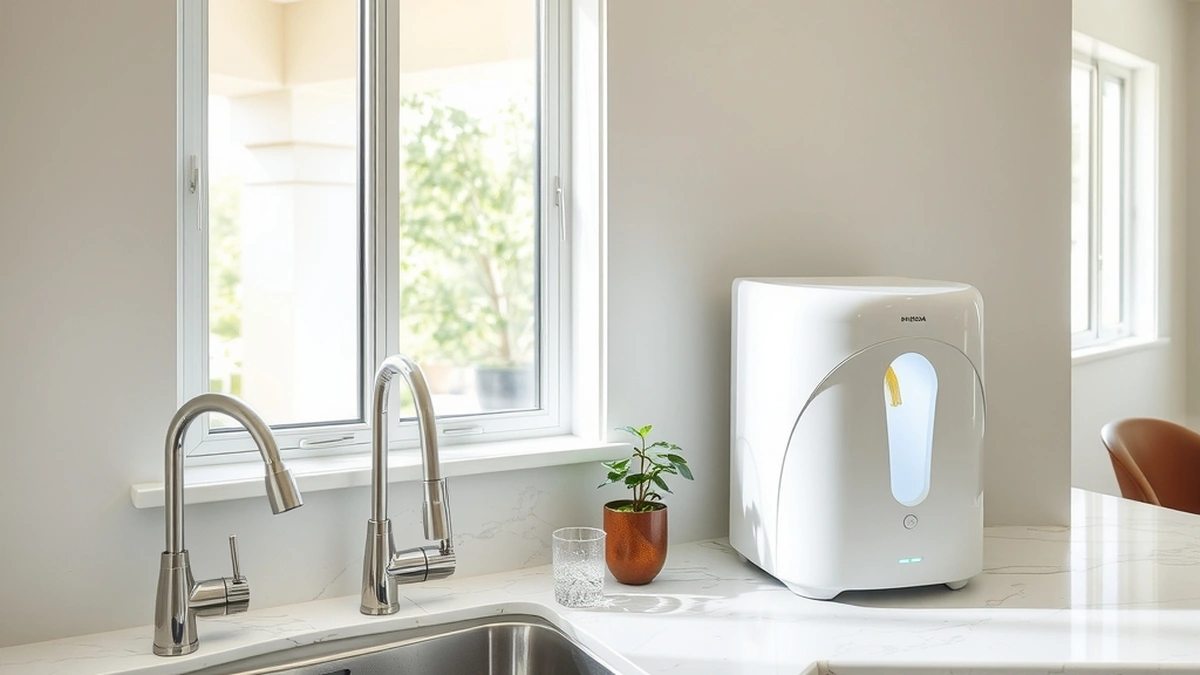
Reverse Osmosis vs Distilled Water: Cost and Performance
Compare reverse osmosis and distilled water for home use, including equipment cost, operating cost, waste ratio, and maintenance.
Read the guide →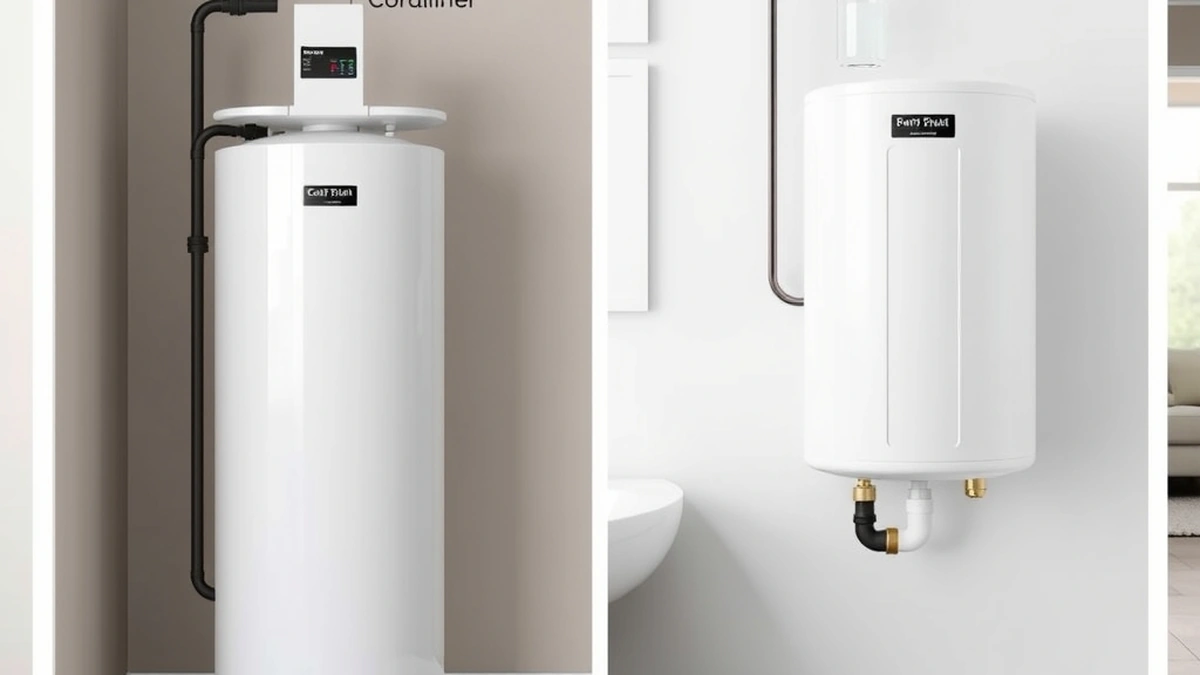
Salt-Based Vs Salt-Free Guide
Compare salt-based water softeners and salt-free conditioners by installed cost, grain capacity, salt use, and maintenance for US homes.
Read the guide →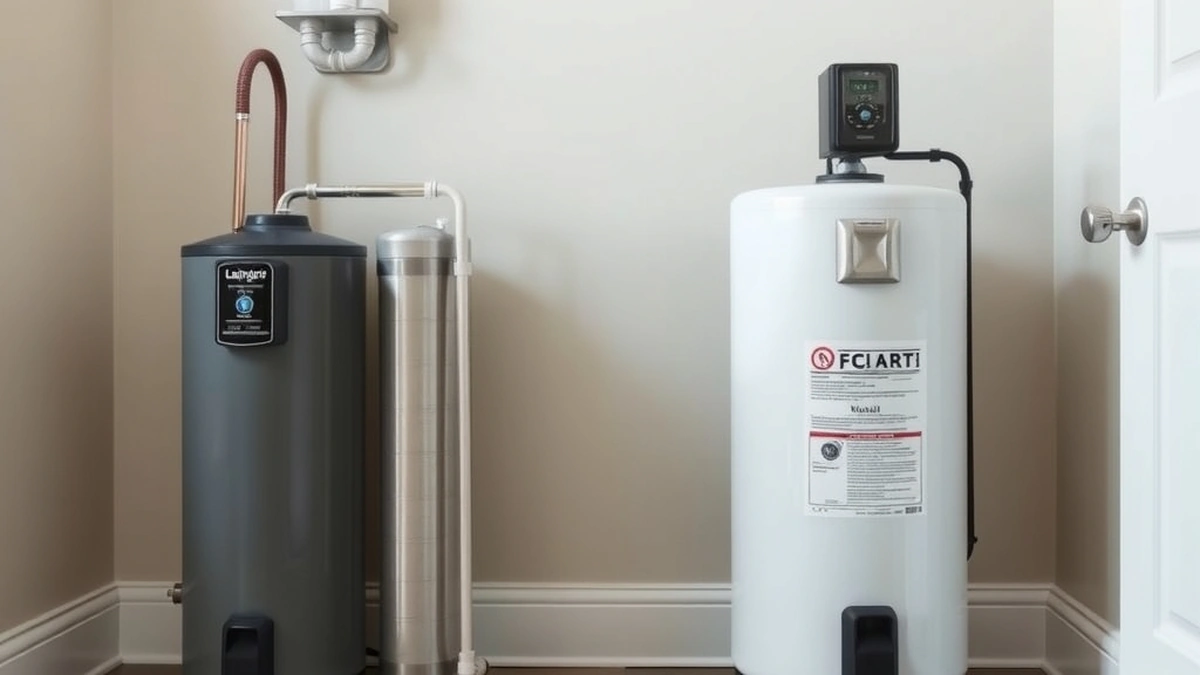
Softener vs Conditioner: What the Label Hides
Compare salt-based softeners and salt-free conditioners by grain capacity, installed cost, and ongoing expense before you buy.
Read the guide →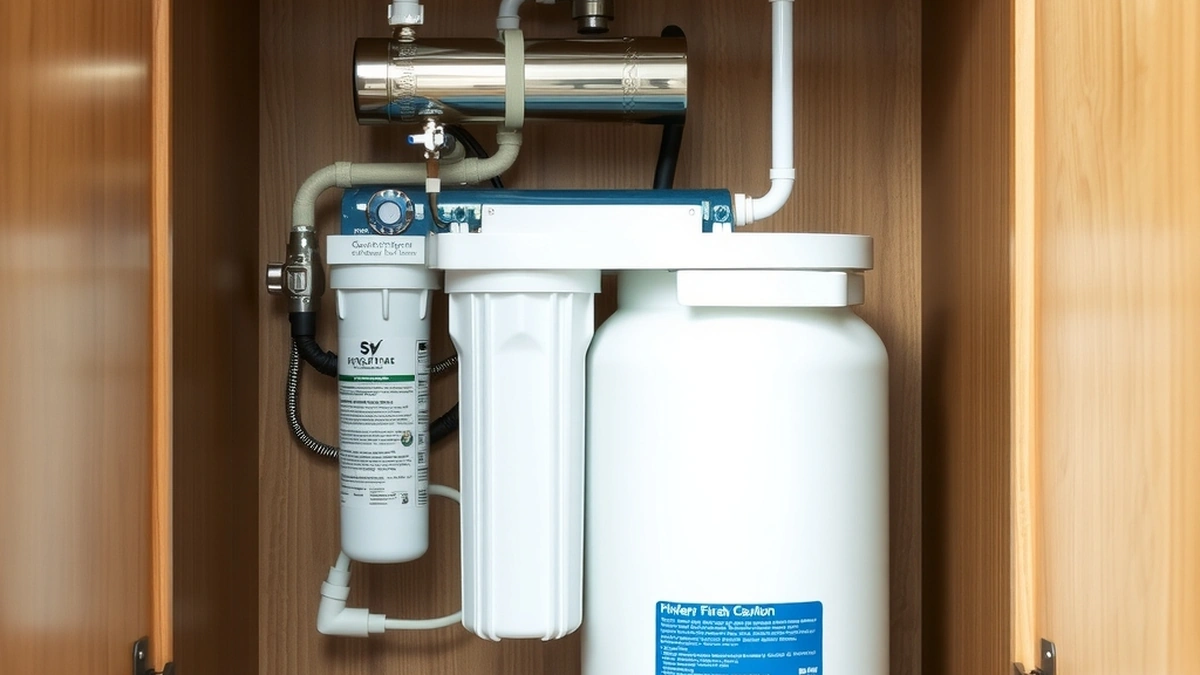
Tankless RO vs Tank RO: Space, Waste, and Cost
Compare tankless and tank reverse osmosis systems on installed cost, daily output, water waste, and maintenance for under-sink drinking water.
Read the guide →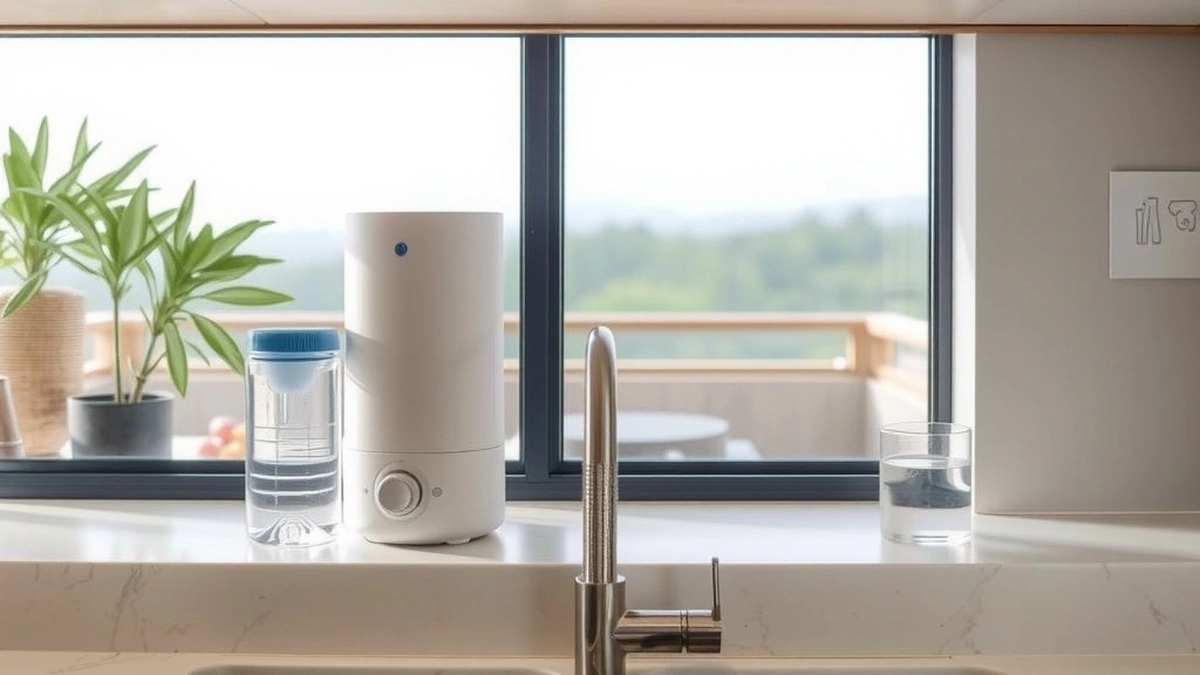
Water Distiller vs Reverse Osmosis: Which Costs Less?
Compare water distillers and reverse osmosis systems by upfront cost, operating cost, output, and maintenance.
Read the guide →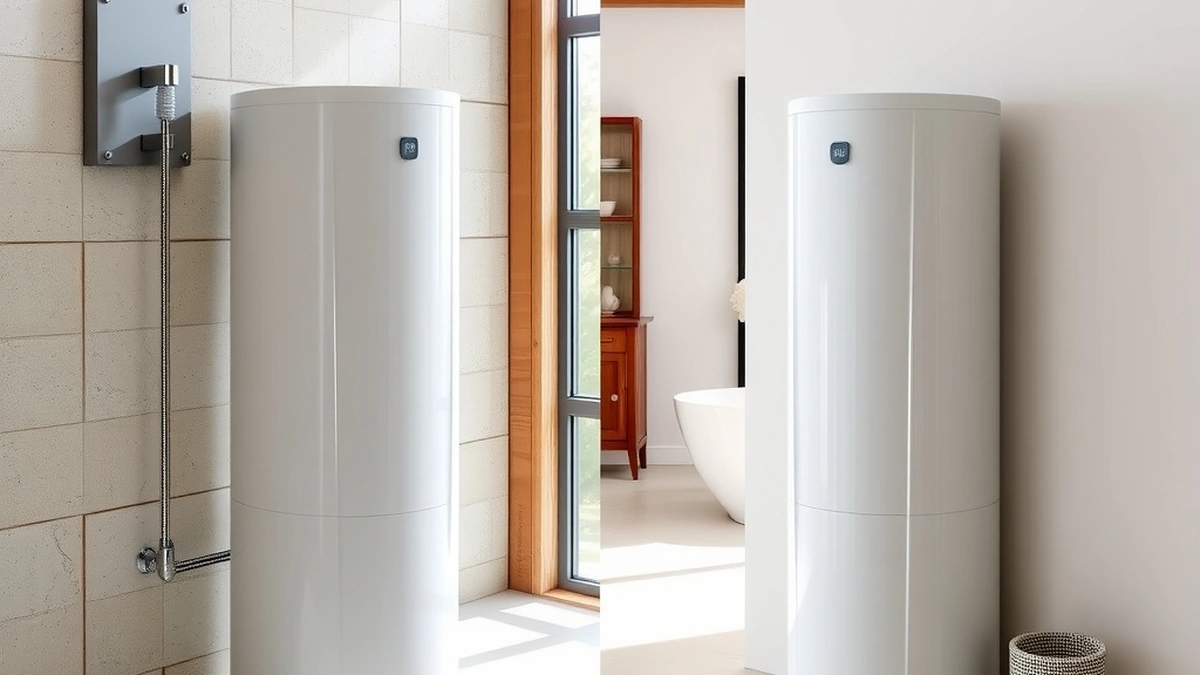
Water Softener vs Descaler: What's the Difference?
Compare salt-based water softeners and salt-free descalers on hardness removal, installed cost, maintenance, and best use cases.
Read the guide →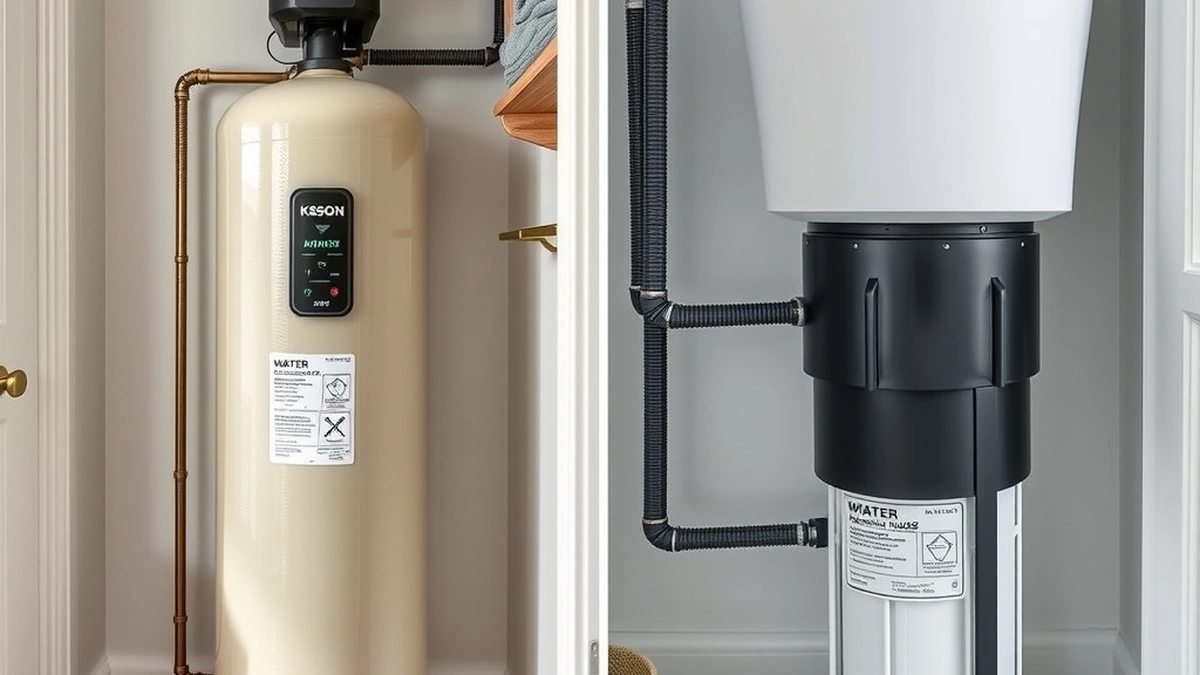
Water Softener vs Water Filter: Which One Do You Need
Compare water softeners and filters by cost, capacity, and what each removes so you can pick the right equipment after a water test.
Read the guide →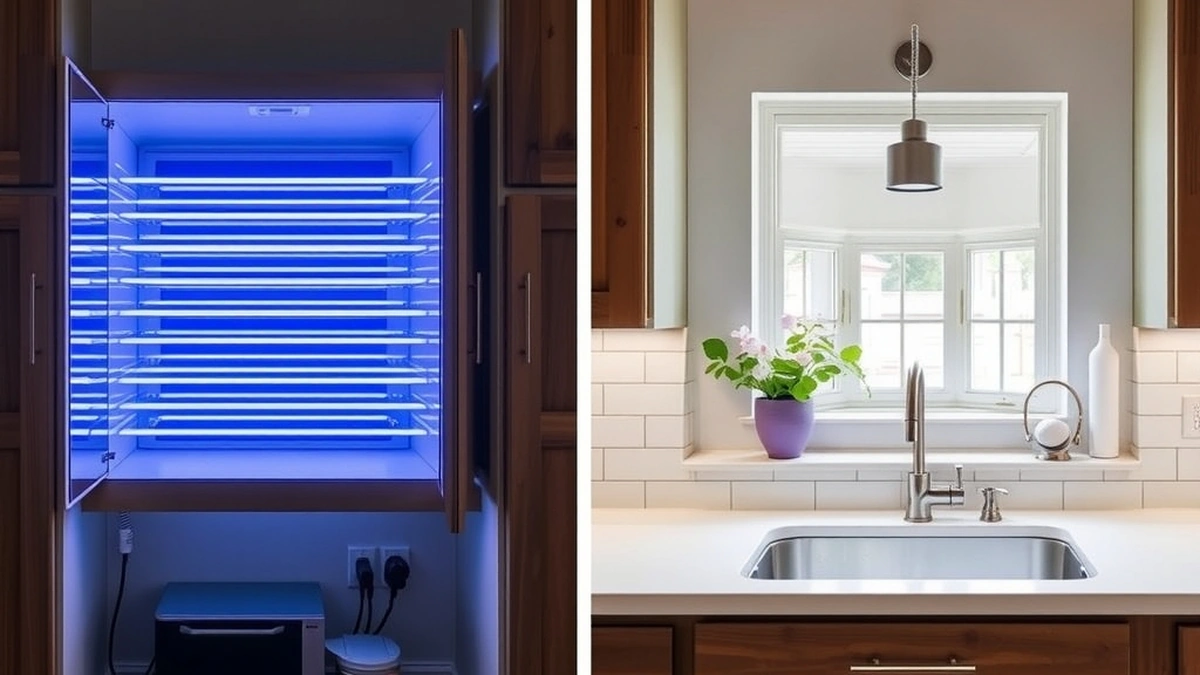
Whole-House UV vs Under-Sink UV: Which Costs Less
Compare whole-house UV and under-sink UV systems by installed cost, lamp replacement, flow rate, and maintenance.
Read the guide →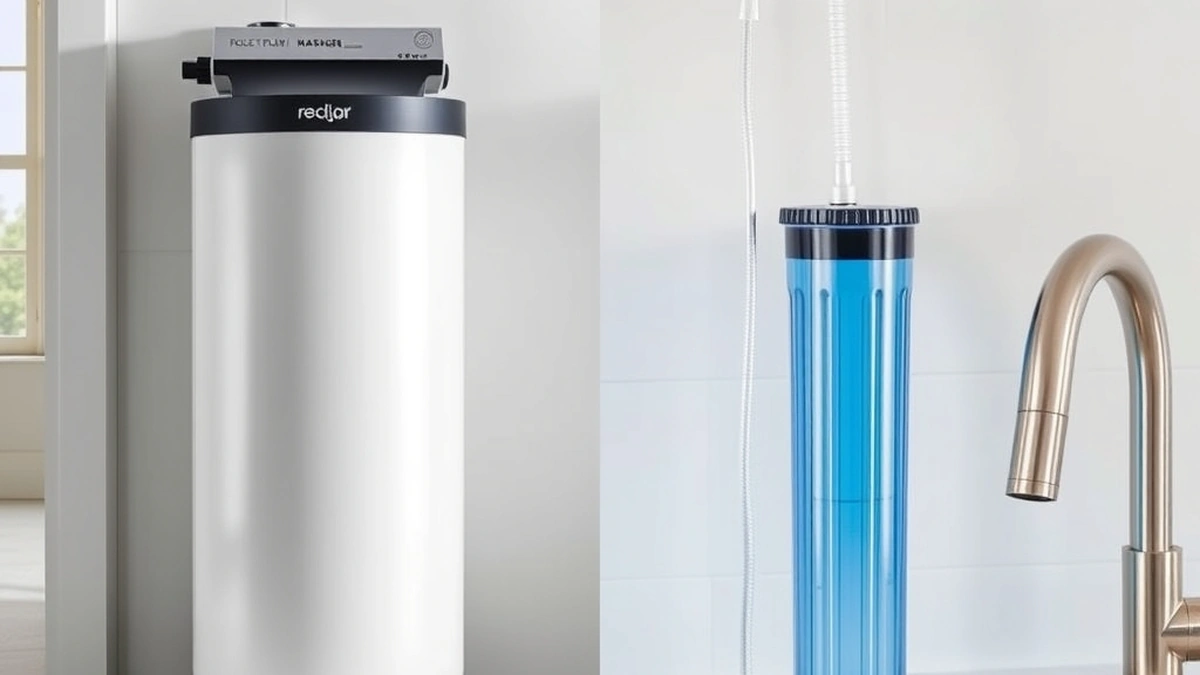
Whole-House vs Under-Sink Filter: Cost and Coverage.
Compare whole-house and under-sink water treatment systems by installed cost, flow rate, maintenance, and what each setup actually treats.
Read the guide →