iSpring vs Waterdrop RO: Cost and Spec Comparison
Compare iSpring and Waterdrop reverse osmosis systems on equipment cost, installation, filters, and yearly running costs.
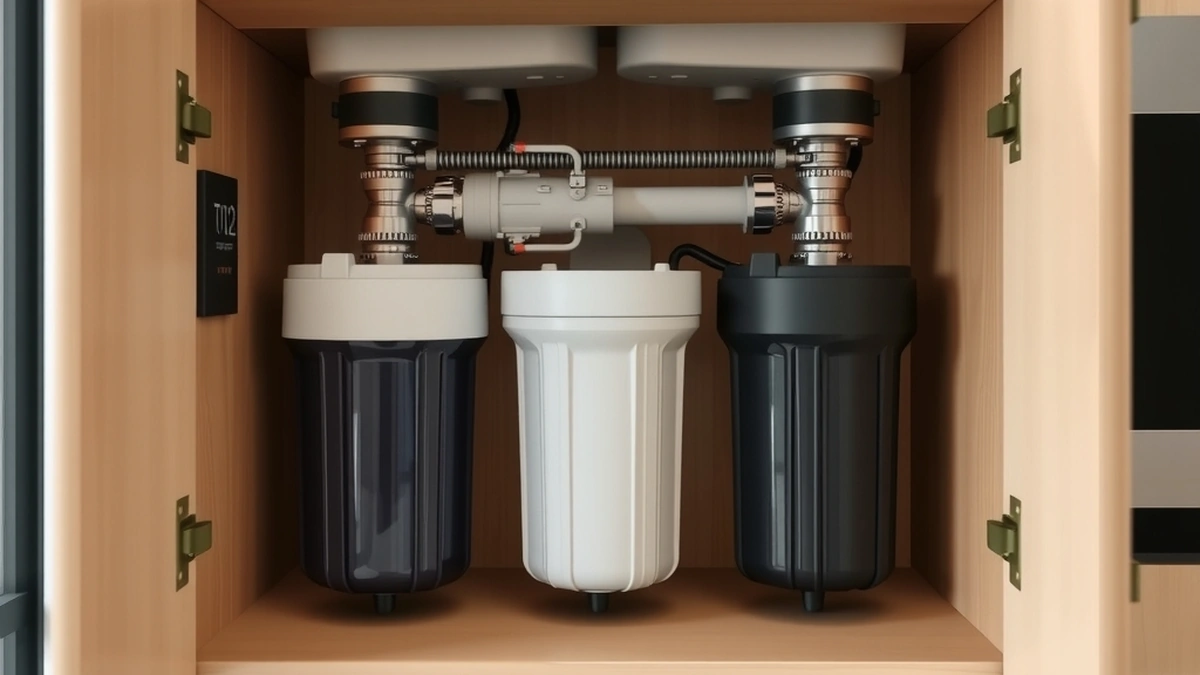
iSpring and Waterdrop both sell under-sink reverse osmosis systems; iSpring typically uses tank-based models while Waterdrop emphasizes tankless designs, with installed costs and annual filter costs varying by model.
- Category
- Under-sink reverse osmosis
- Equipment cost (USD)
- 200-600
- Installed cost (USD)
- 300-900
- Running cost per year (USD)
- 60-150
- Membrane life
- 2-3 years
Some links on this page are affiliate links.If you buy through them we may earn a commission at no extra cost to you. We do not accept payment for rankings. Read the full disclosure.
iSpring vs Waterdrop RO: Direct Answer
iSpring and Waterdrop both sell under-sink reverse osmosis (RO) systems for home drinking water. iSpring is known largely for tank-based systems with a separate storage tank, while Waterdrop emphasizes tankless designs that produce water on demand. Equipment prices for both brands typically fall in the 200-600 USD range, with installed costs around 300-900 USD depending on model and labor.
How the Systems Compare
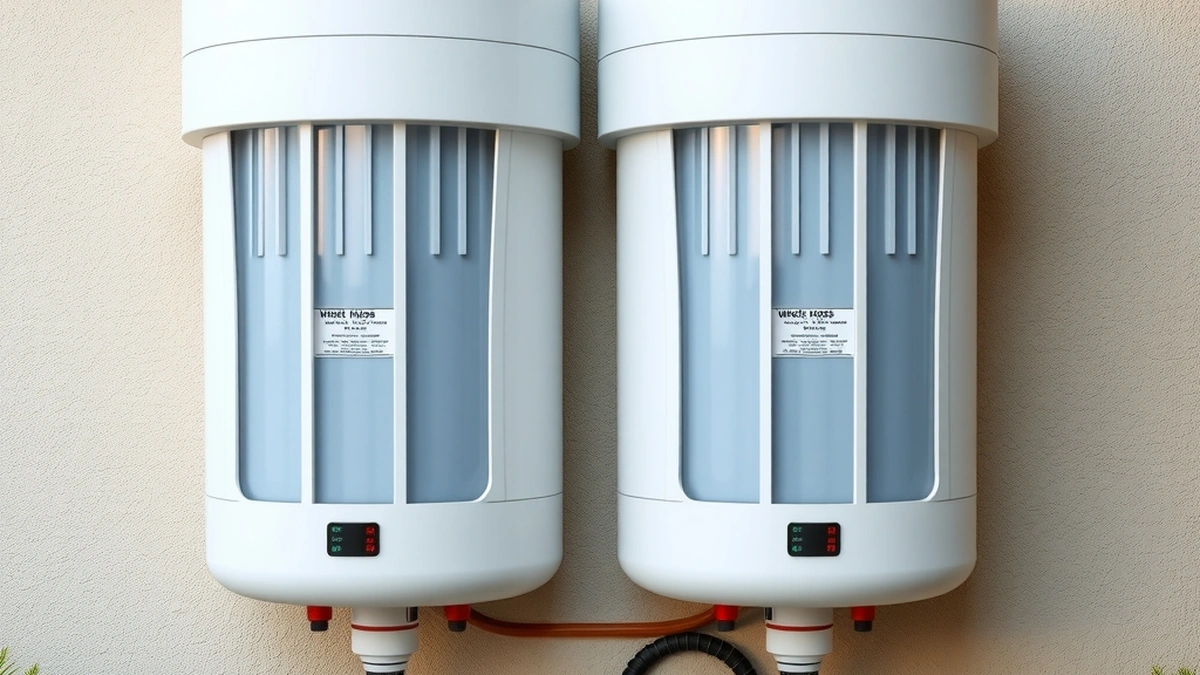
The main structural difference is tank versus tankless. iSpring tank systems store treated water in a pressurized tank, usually 3-4 gallons, so water is available immediately when the faucet opens. Waterdrop tankless models do not use a storage tank; water passes through the membrane and filters as you draw it. Tankless units save cabinet space, but tank systems can deliver a higher short-term flow because the tank is already full.
Typical specifications for this category include:
- Production rate: often rated around 400-800 gallons per day under ideal conditions, though real-world output depends on water pressure and temperature.
- Filtration stages: commonly 3-6 stages, including sediment, carbon, RO membrane, and post-carbon polishing.
- Waste ratio: approximately 3-4:1, meaning 3-4 gallons go to drain for every gallon of treated water.
- Rejection rate: approximately 80-95 percent for total dissolved solids, depending on membrane condition and feed water.
Because manufacturers update models frequently, treat these figures as estimates and verify the specific model before purchase.
Installed Cost and First-Year Math
Under-sink RO equipment typically costs 200-600 USD. Professional installation typically adds 100-300 USD, bringing the installed range to roughly 300-900 USD. A homeowner comfortable with basic plumbing can install many units without labor costs.
Running costs are where long-term differences appear. Annual filter and membrane costs typically run 60-150 USD per year. Carbon and sediment pre-filters usually need replacement every 6-12 months, while the RO membrane typically lasts 2-3 years.
Example first-year estimate:
- Equipment: 400 USD (mid-range estimate)
- Installation: 150 USD (if professionally installed)
- First-year filters: 100 USD (estimate)
- Total first-year cost: 650 USD
Year-two and later:
- Replacement filters and membrane: 60-150 USD per year
Water waste also adds to cost if you pay for both water and sewer. At a 3-4:1 waste ratio, producing 1,000 gallons of drinking water sends 3,000-4,000 gallons to drain. Whether that matters depends on local water and sewer rates.
Filter Replacement Schedule
Pre-filters protect the RO membrane and should be changed on schedule. Carbon filters that sit too long can lose effectiveness and may allow chlorine to reach the membrane, shortening membrane life.
Typical replacement intervals:
- Sediment pre-filter: every 3-6 months
- Carbon pre-filter: every 6-12 months
- RO membrane: every 2-3 years
- Post-carbon filter: every 6-12 months
Actual intervals depend on water hardness, sediment load, and daily water use. Hard water or high sediment can shorten all filter lives.
When to Test Water First
Water treatment should start with a test, not a purchase. A lab water test typically costs 40-150 USD and can reveal total dissolved solids, hardness, iron, and other parameters that affect RO performance. RO is commonly selected for dissolved solids reduction, but high hardness or iron can foul a membrane faster and may require pretreatment.
For well water, the EPA and CDC recommend regular testing and suggest reviewing results before selecting treatment equipment. If hardness is the main concern, a water softener may be more appropriate; installed softener costs typically run 1,200-4,500 USD. For broader whole-house filtration, costs often run 500-1,800 installed. More detail is available at /whole-house-water-filter-cost/.
RO Versus Other Treatment Options
Under-sink RO treats water at one faucet, usually the kitchen sink. It does not treat water for showers, laundry, or the whole house. Whole-house RO systems exist but cost substantially more, typically 3,000-8,000 USD installed, and require careful consideration of water waste and plumbing integration.
If the goal is softened water throughout the home, a softener is a different category. Equipment typically costs 600-2,500 USD, with installed costs of 1,200-4,500 USD and salt costs of 120-400 USD per year. For installation pricing, see /water-softener-installation-cost/. For ongoing salt costs, see /water-softener-salt-cost/.
For homes with iron or sulfur concerns, dedicated filters may be needed before or instead of RO. Iron filter systems typically cost 800-2,500 installed, and sulfur filter systems typically cost 1,000-3,000 installed. See /iron-filter-cost/ for more.
UV systems treat microbiological concerns and use a lamp replaced every 12 months at roughly 30-90 USD. See /uv-water-purifier-cost/.
Bottom Line
Choose based on cabinet space, installation preference, and running-cost tolerance. iSpring tank systems offer stored water at the faucet and a familiar filter schedule. Waterdrop tankless systems save space and eliminate the storage tank but may have different filter cartridge costs. Both fall within the same broad equipment and installed cost ranges: 200-600 USD for equipment and 300-900 USD installed. Running costs typically land at 60-150 USD per year. Test your water first, then match the system to your actual water chemistry and daily usage. For broader RO pricing context, see /reverse-osmosis-system-cost/.
Next, compare how much does a water softener cost, water softener installation cost, whole house water filter cost before you commit.
Frequently asked questions
Which brand costs less up front?
Both brands sell under-sink RO equipment in the 200-600 USD range, so installed cost usually lands between 300 and 900 USD depending on model and labor.
What is the typical yearly running cost?
Expect roughly 60-150 USD per year for replacement filters and membranes, depending on water use and local water quality.
How long does an RO membrane last?
RO membranes generally last 2-3 years before replacement is recommended.
Do these systems waste water?
Reverse osmosis systems typically send 3-4 gallons to drain for every gallon of product water.
Should I test water before buying?
Yes. A lab water test costs about 40-150 USD and helps confirm whether RO is the right treatment for your water.
Can I install an RO system myself?
Many under-sink RO units are designed for DIY installation, but plumbing connections and drain saddle work may require a plumber.
Sources
Some links are affiliate links.If you buy through them we may earn a commission at no extra cost to you. We do not accept payment for rankings. Read the full disclosure.