
Systems guides
Softeners, whole-house filters, reverse osmosis and well water systems, explained by what they remove.
Four systems, four different jobs
Water treatment equipment is sold as a category and works as a set of separate tools. A softener exchanges calcium and magnesium for sodium. A carbon filter adsorbs chlorine, taste and some volatile organics. Reverse osmosis pushes water through a membrane that rejects dissolved solids. A sediment filter catches grit before anything else clogs. Buying the wrong one is the most expensive mistake in the category.
| System | Removes | Does not remove | Typical size |
|---|---|---|---|
| Ion-exchange softener | Calcium, magnesium (hardness), some iron | Chlorine, nitrate, bacteria, most metals | 24,000–64,000 grains |
| Carbon filter (GAC or block) | Chlorine, taste, odour, some VOCs | Hardness, nitrate, dissolved salts | 4–20 inch cartridges |
| Reverse osmosis | Most dissolved solids, nitrate, lead, sodium | Bacteria (without UV), chlorine (needs pre-filter) | 50–100 gallons/day |
| Sediment filter | Sand, silt, rust particles | Anything dissolved | 5–50 micron |
How a softener actually works
Hard water passes through a bed of resin beads charged with sodium ions. Calcium and magnesium bind to the beads and sodium is released in exchange. When the resin is exhausted, the control head draws brine from the salt tank and flushes the hardness minerals to drain — the regeneration cycle. Capacity is measured in grains: a 32,000-grain unit removes 32,000 grains of hardness before it must regenerate.
Sizing is arithmetic, not guesswork. Multiply household hardness in grains per gallon by daily gallons, then multiply by days between regenerations. A family using 240 gallons a day at 12 grains needs 2,880 grains a day, or about 20,000 grains for a weekly cycle. A 32,000-grain unit leaves margin; a 24,000-grain unit runs close to the limit and regenerates more often.
Where each system sits in the house
- Sediment filter first, at the incoming line, to protect everything downstream.
- Carbon filter next if chlorine is present — chlorine degrades softener resin and RO membranes.
- Softener after carbon, before the water heater, so scale never forms in the tank.
- Reverse osmosis at the kitchen tap, fed by softened water, with its own storage tank.
- UV steriliser last, if a lab test shows bacteria; it does nothing for chemistry.
The order matters more than the brand. A softener installed before a carbon filter is protecting the filter instead of the house; an RO unit fed with hard water scales its membrane and loses output within a year.
Well water changes the list
A private well adds three variables a municipal supply does not have: iron and manganese (staining), sulfur (odour), and bacteria (health). Iron needs oxidation before filtration; sulfur needs aeration or a specific media; bacteria need disinfection and a UV unit. A softener alone will not fix any of the three, and a softener installed on water with high iron will foul its resin.
Test first, then specify. The problems hub maps each symptom to the test that proves it, and the cost hub carries the installed price bands for each component. If you are choosing between formats, the comparison hub puts softener, filter and RO side by side.
Do I need a whole-house system or just a drinking-water filter?
Whole-house if the problem is scale, staining or odour in every tap. Under-sink RO if the only concern is what you drink and cook with. Most homes with hard water end up with both.
Can one unit soften and filter?
Some combination units exist, but they are a softener with a carbon pre-filter in one cabinet — not a substitute for a proper sediment stage. Read the removal spec, not the product name.
How long does a softener last?
Ten to fifteen years for the tank and valve, with resin replaced every 8–12 years. Control heads are the usual failure point, and a replacement head costs $200–$500.
All systems guides

Activated carbon water filter
How activated carbon removes chlorine, taste, and organic compounds, what GAC and block media each do, and what carbon cannot treat.
Read the guide →
alkaline water filter installation: what it involves
Alkaline filter installation takes 20-60 minutes for an under-sink cartridge, or 1-2 hours for an ionizer with power. See plumbing, pH setup, and cost.
Read the guide →
Alkaline Water Ionisers: What They Change And What They.
Alkaline water ionisers raise pH through electrolysis. Here is what they actually change, what they claim, and how they compare to other treatment systems.
Read the guide →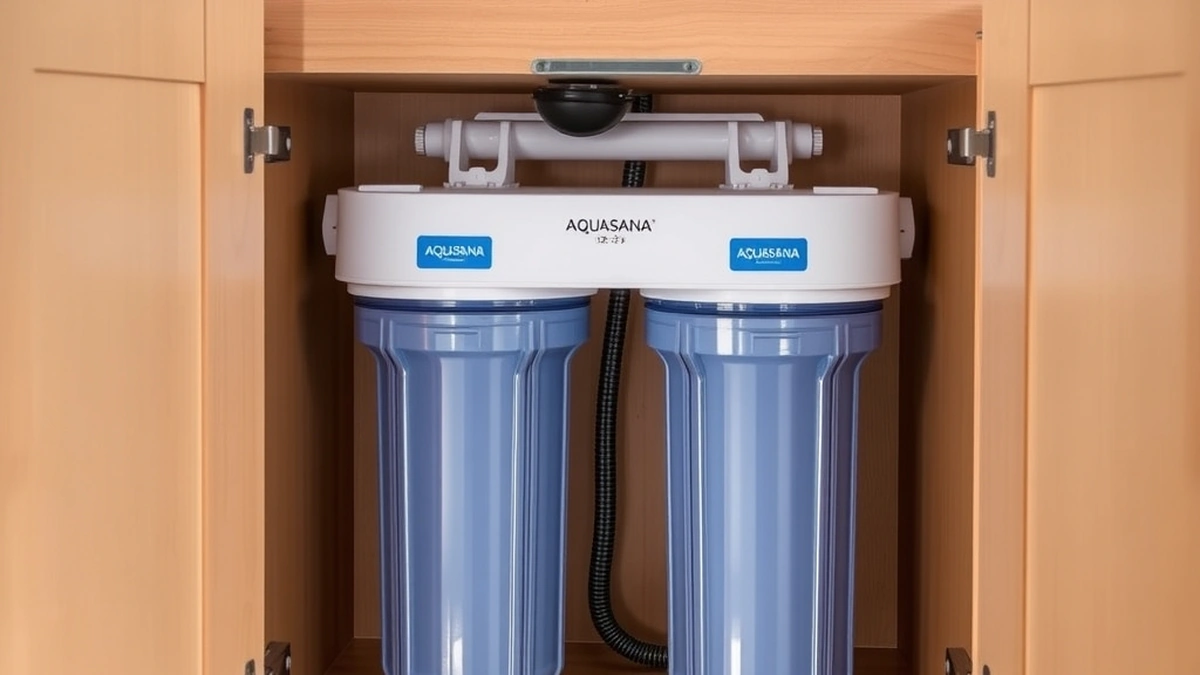
Aquasana water filter
Aquasana sells under-sink, countertop, and whole-house carbon filters with certified contaminant claims. See the formats, running costs, and limits.
Read the guide →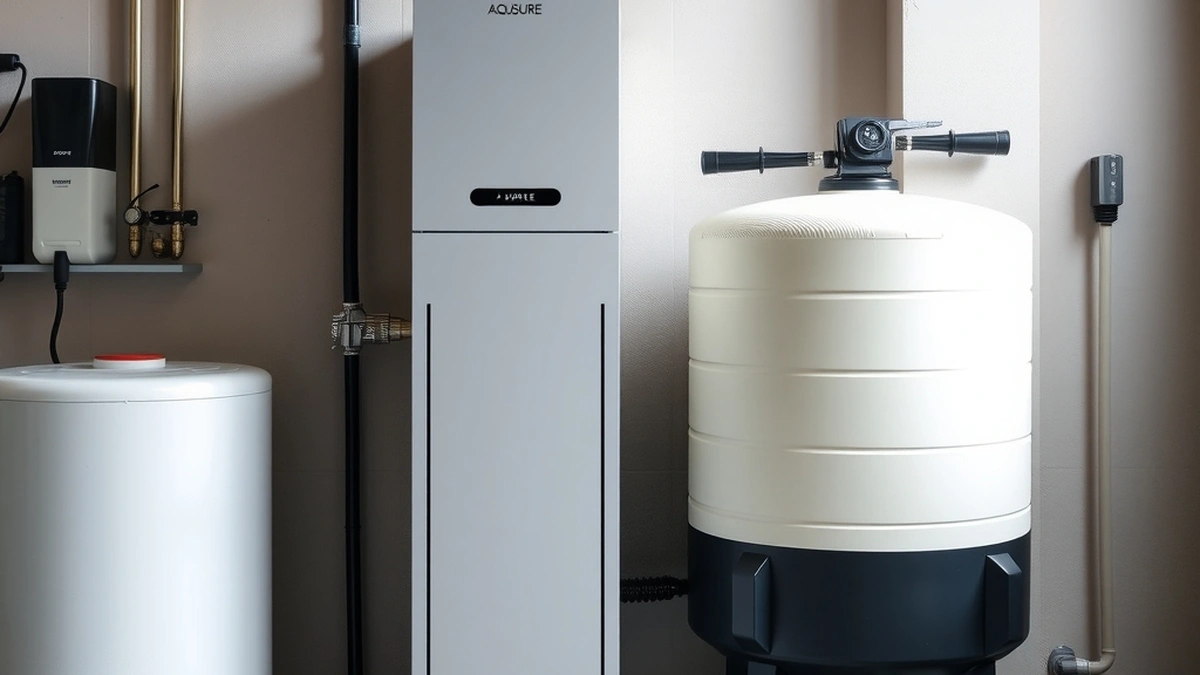
Aquasure water softener
What to check before buying an Aquasure softener, how the online brand compares with dealer systems, and what installation involves.
Read the guide →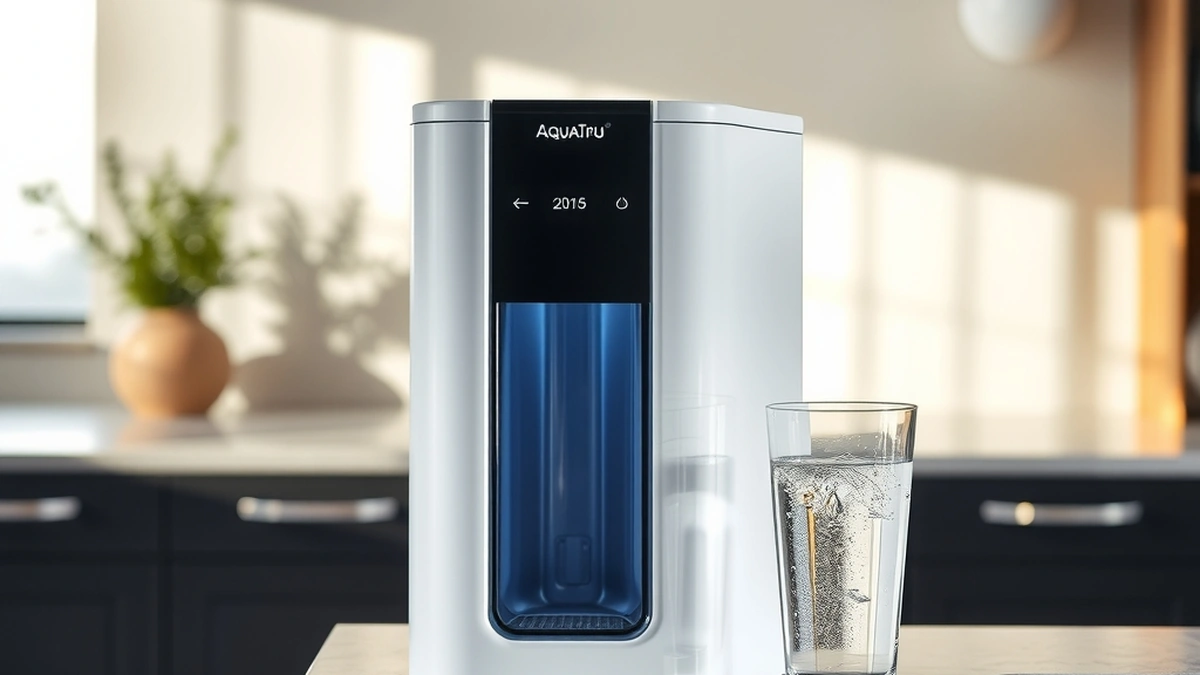
AquaTru Reverse Osmosis: Countertop RO Reviewed
AquaTru is a plug-in countertop RO unit with no plumbing and three filter stages. See what it costs, what it removes, and where it fits in a kitchen.
Read the guide →
Berkey water filter
Berkey gravity filters use carbon and ceramic elements and need no power or plumbing. See what they remove, what they cost, and where they fall short.
Read the guide →
Brita water filter
What Brita pitchers and faucet filters remove, what they cost per gallon, and where they stop being enough for hard or contaminated water.
Read the guide →
Carbon Block vs Granular Carbon: How to Choose
Compare carbon block and granular activated carbon filters by flow rate, contact time, replacement cost, and best use cases.
Read the guide →
catalytic carbon filter installation: what it involves
Catalytic carbon installation takes 2-4 hours and costs $700-$1,800. See valve setup, backwash drain, media fill, and chloramine contact time.
Read the guide →
countertop reverse osmosis installation: what it involves
Countertop RO installation takes 10 minutes and needs no plumbing, no drain, and no tools. See power, placement, flush, and daily refill requirements.
Read the guide →
Culligan Reverse Osmosis System: What You Get
Culligan under-sink RO systems are dealer-installed with proprietary filters. See typical installed pricing, running costs, and how it compares to retail RO.
Read the guide →
Culligan water filter
Culligan sells whole-house and under-sink filtration through dealers. See what the equipment does, how the pricing model works, and the alternatives.
Read the guide →
Culligan water softener
Culligan softeners are sold through dealers with installation and service bundled. See the equipment, the pricing model, and how to compare it fairly.
Read the guide →
Deliver Water Softener Salt: How to Order and What to.
Ordering salt delivery is a phone call with four details: quantity, placement, access, and schedule. See minimums, fees, and how to check the drop.
Read the guide →
Diamond Crystal Solar Naturals Pellets: Product Guide
Solar Naturals is Diamond Crystal's compressed solar salt pellet line. See purity, bag price, where it is sold, and how it behaves in a brine tank.
Read the guide →
Diamond Crystal Water Softener Salt: Buyer's Guide
Diamond Crystal salt comes in pellets, solar crystals, and potassium chloride. Compare purity, price per pound, and which form suits your brine tank.
Read the guide →
Do Water Softeners Filter Water? No, and Here Is Why
A softener removes calcium and magnesium, not sediment, chlorine, or microbes. See what passes through and which filter handles each contaminant.
Read the guide →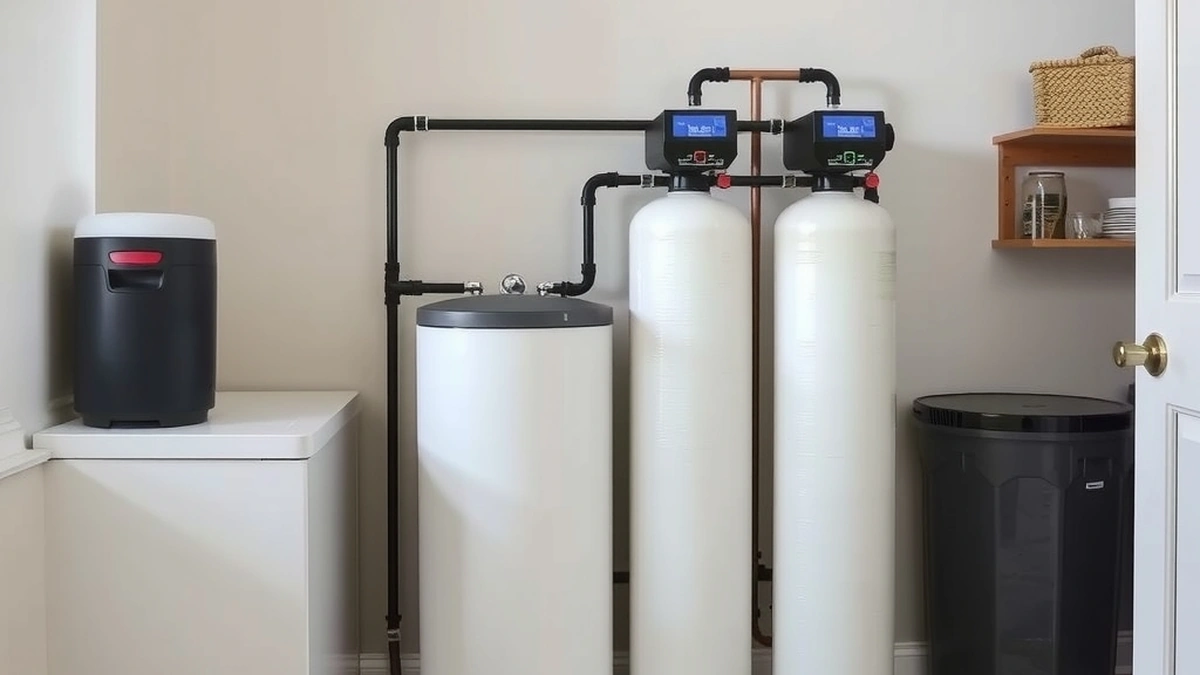
Does a Softener Remove Fluoride? What Works Instead
A water softener removes hardness minerals, not fluoride. Here's what actually reduces fluoride in home water.
Read the guide →
Does Water Softener Salt Melt Ice? The Chemistry
Salt melts ice by lowering the freezing point, and softener salt is sodium chloride. See the temperature curve, why pellets are slow, and the real cost.
Read the guide →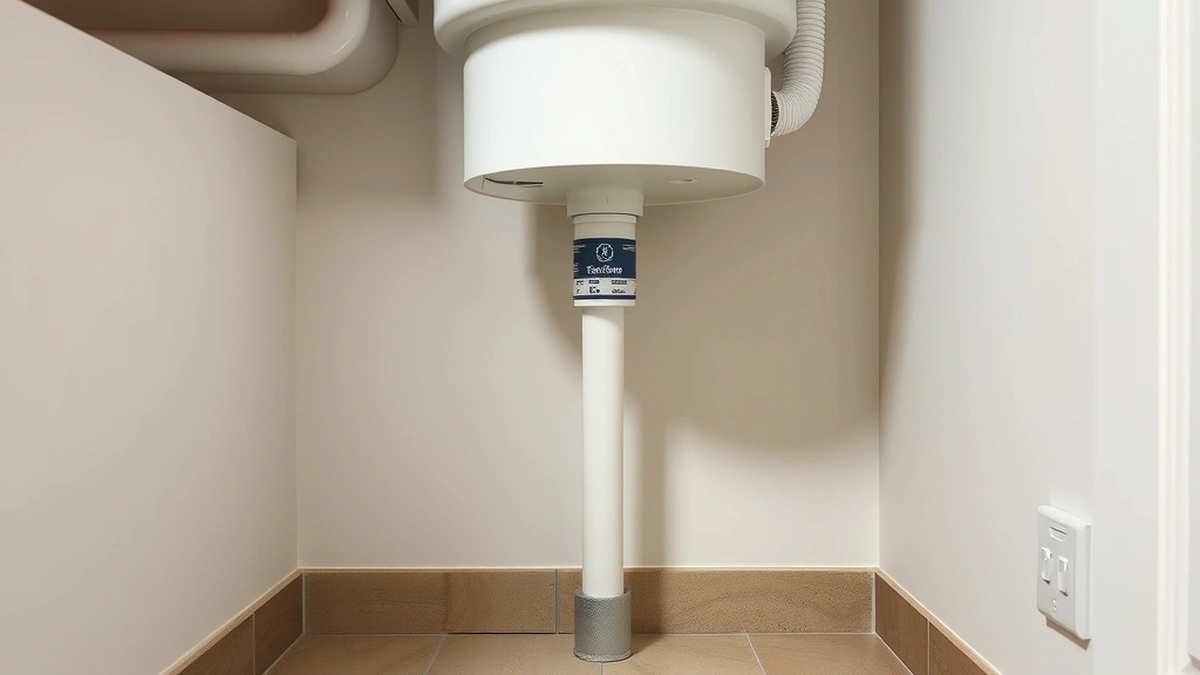
Drain requirements for a softener install
A softener dumps brine and backwash water to drain. See the air gap, line size, distance, and slope rules that keep the install legal and dry.
Read the guide →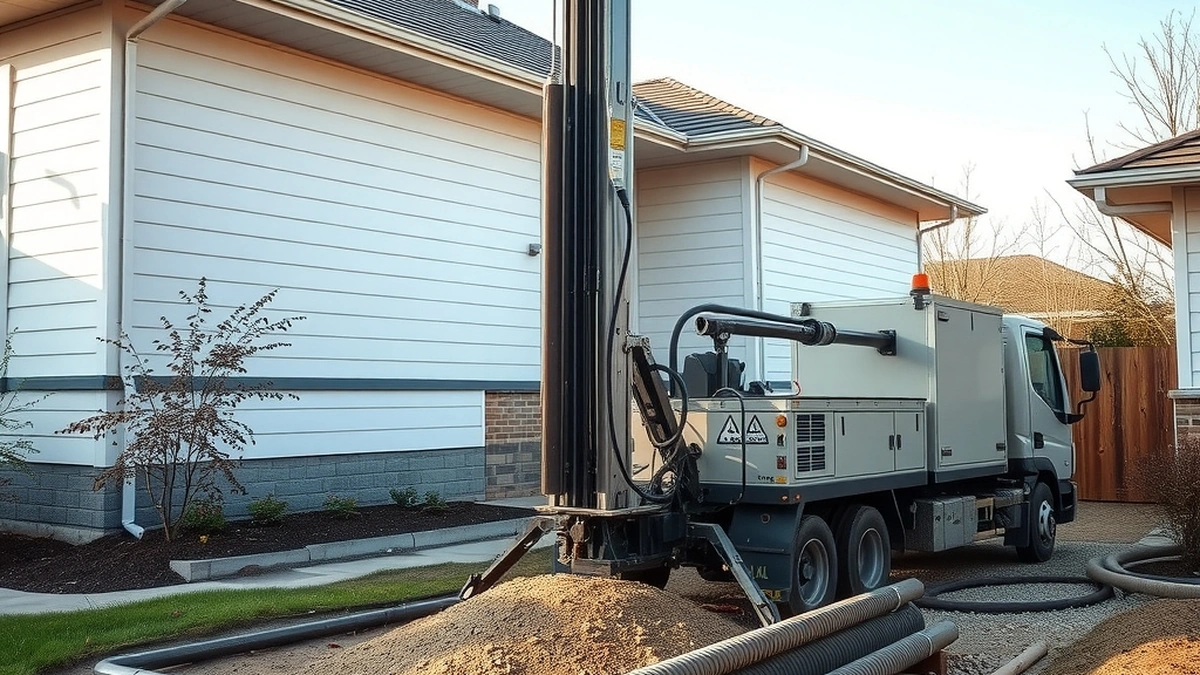
Drilling a Water Well: Depth, Cost, and Sequence
Well drilling runs $25 - $65 per foot, plus casing, pump, and testing. See how depth, yield, and permits set the final bill before you sign a contract.
Read the guide →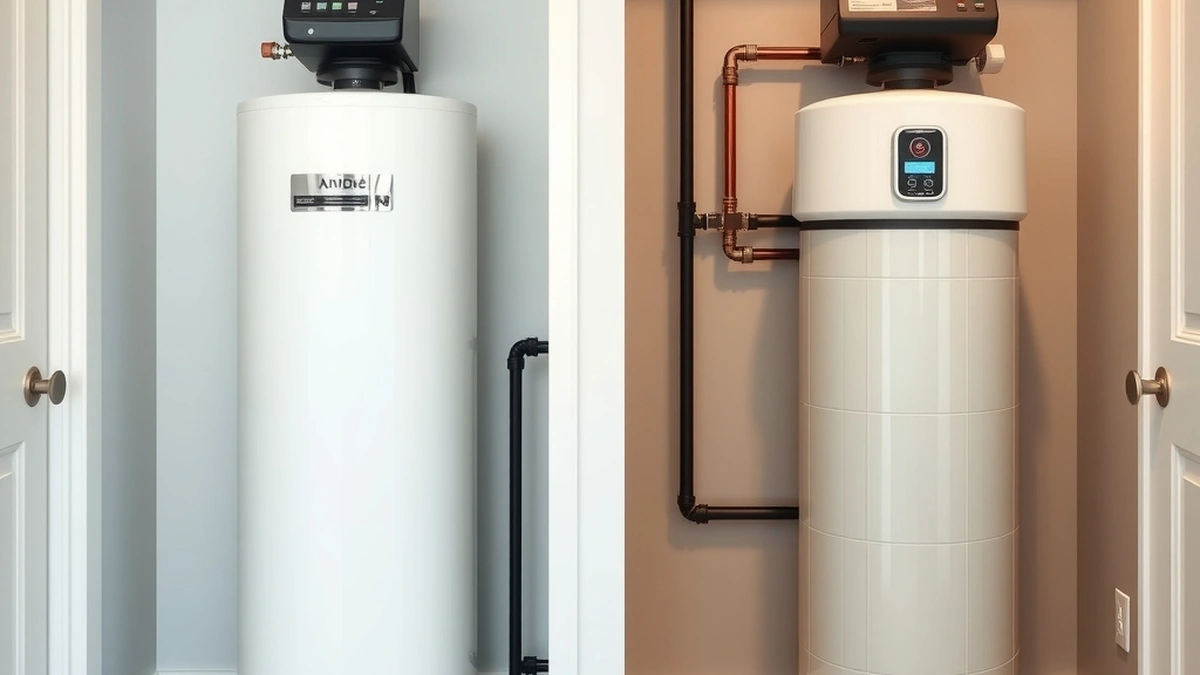
Dual-Tank vs Single-Tank Softener: Which Fits Your Home
Compare dual-tank and single-tank water softeners on capacity, salt use, installed cost, and continuous flow.
Read the guide →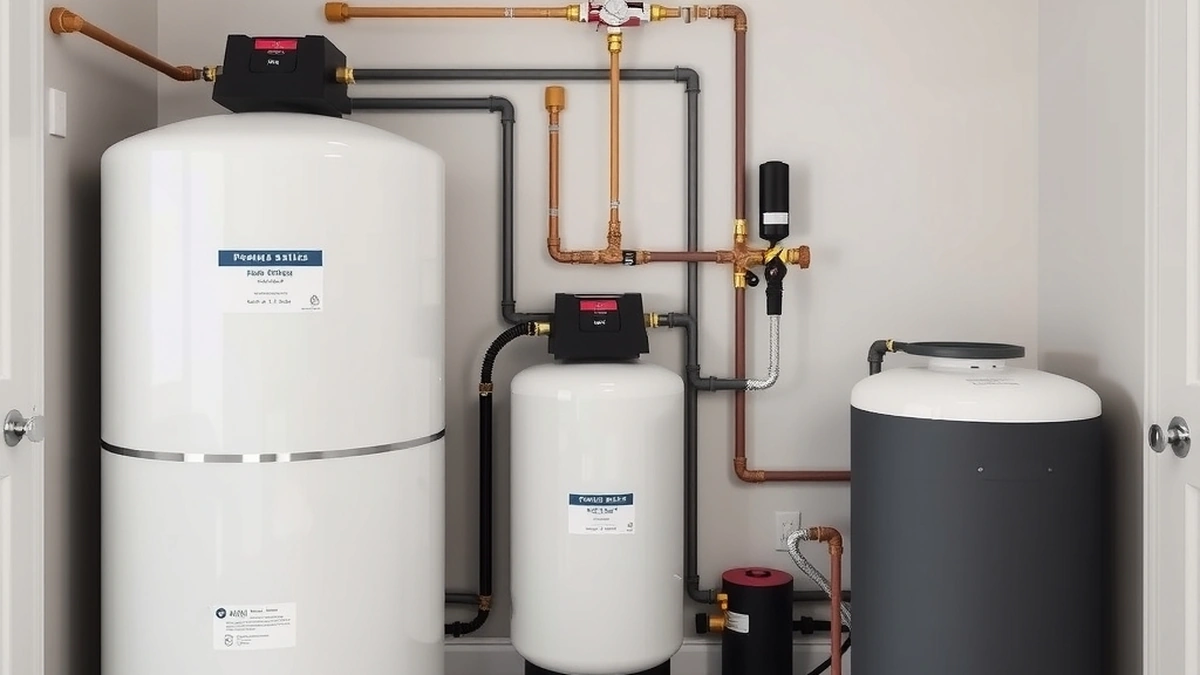
dual tank water softener installation: what it involves
Dual tank softener installation takes 4-6 hours and costs $1,800-$4,500. See the manifold, valve setup, salt programming, and space requirements.
Read the guide →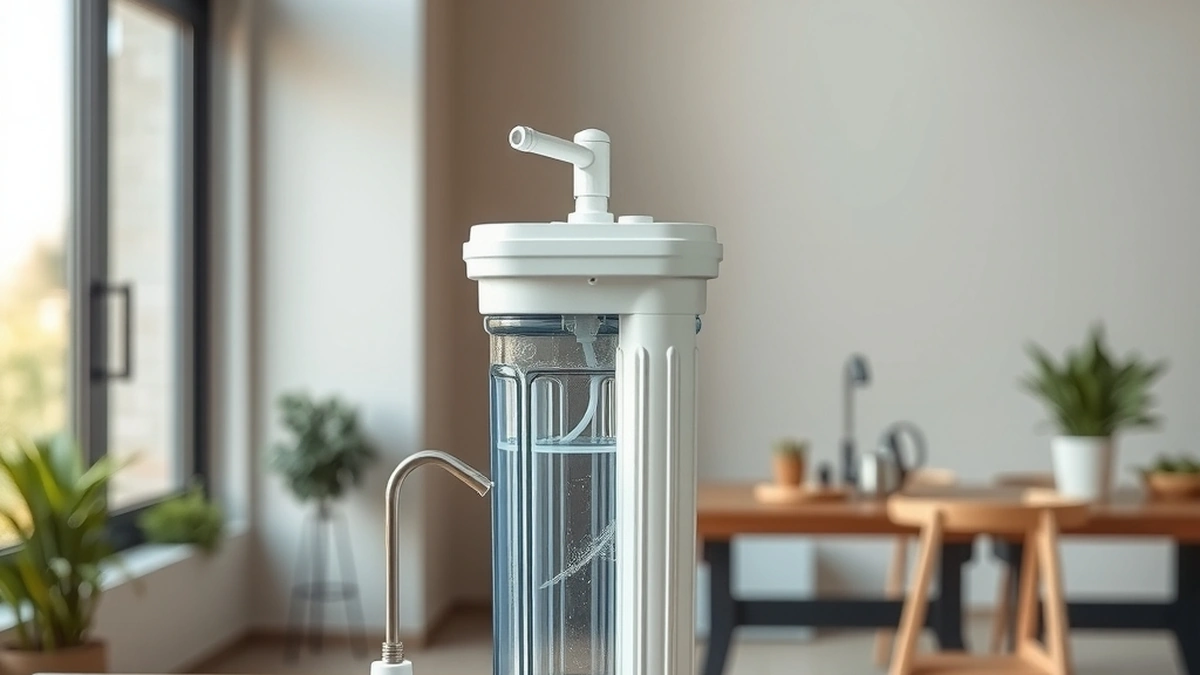
Emergency reverse osmosis
How to run a reverse osmosis system without mains power or pressure, what to store for an outage, and the limits of RO in an emergency.
Read the guide →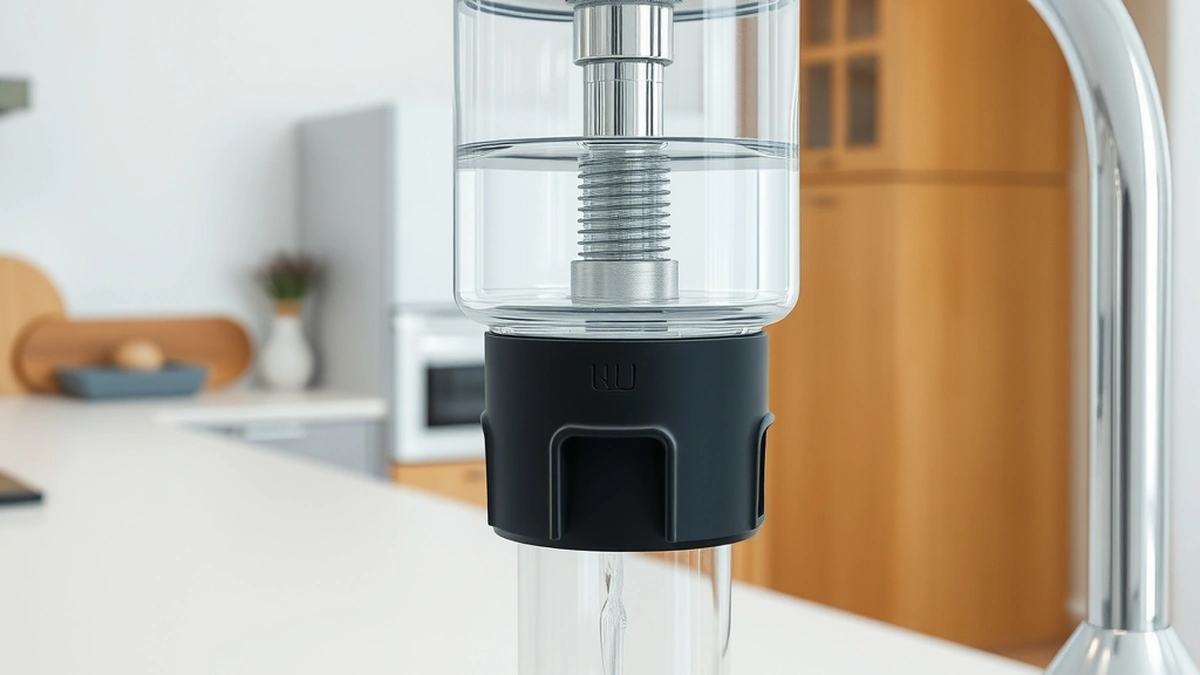
faucet water filter installation: what it involves
Faucet filter installation takes 5 minutes and needs no tools: unscrew the aerator, thread on the adapter, and run water. See fit, flow, and cost.
Read the guide →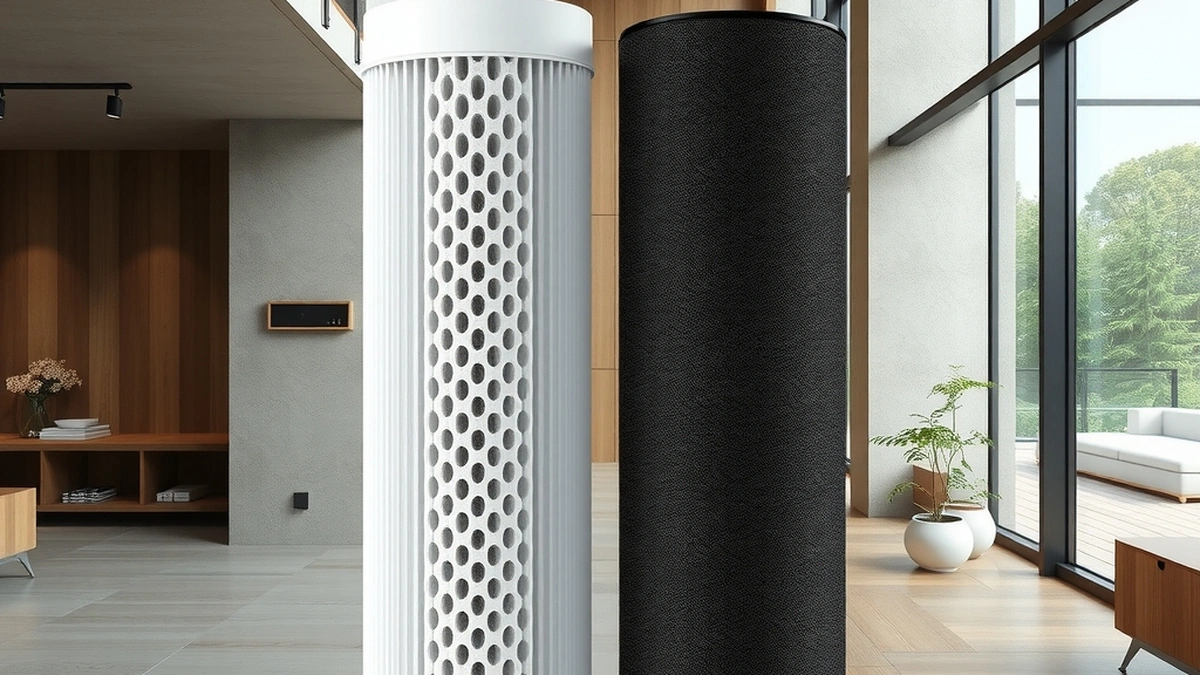
Filter filtration water
How water filtration differs from softening and treatment, which filter types handle which contaminants, and how to match a filter to a lab report.
Read the guide →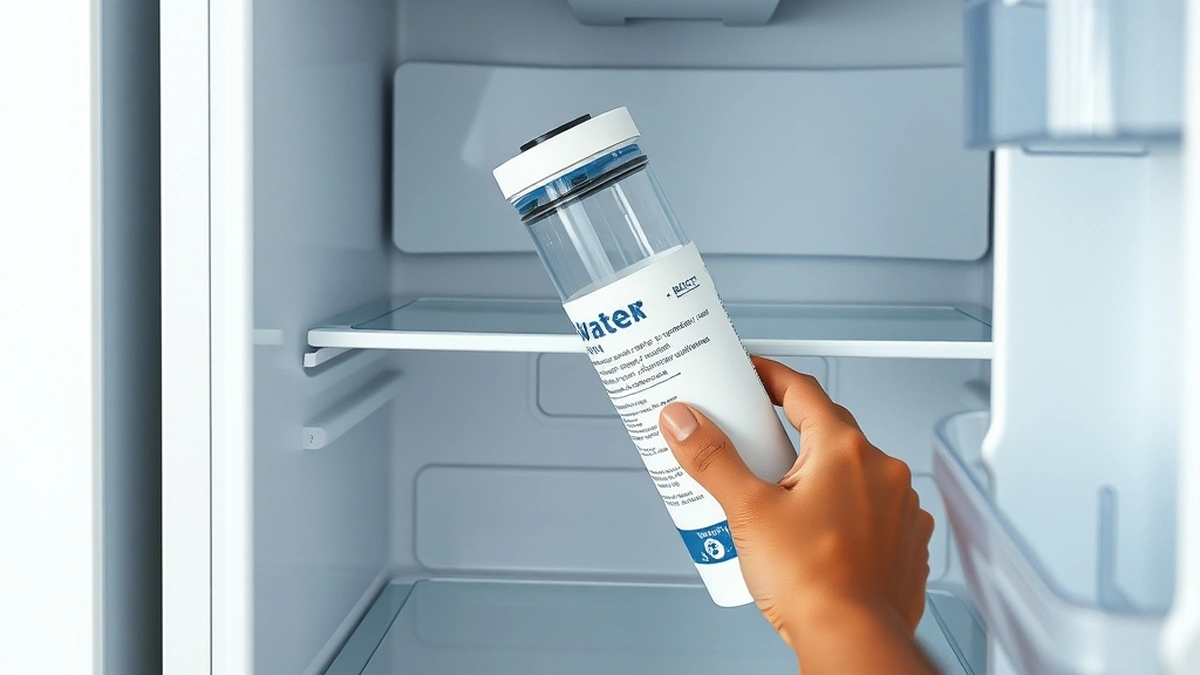
Filter refrigerator water filter
Fridge filters are proprietary cartridges that cost more per gallon than under-sink filters. See how to identify yours, cross-reference it, and change it.
Read the guide →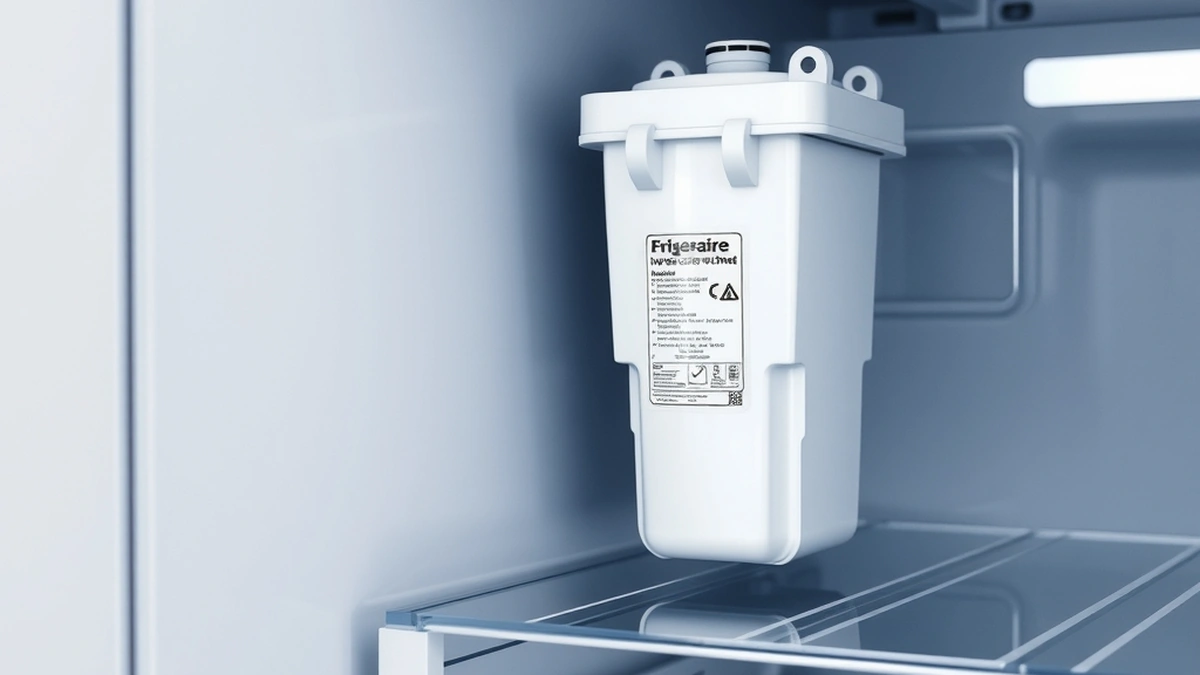
Frigidaire refrigerator water filter
Frigidaire fridge filters use PureSource and WF3CB families. See how to identify yours, what the certification covers, and where to buy without overpaying.
Read the guide →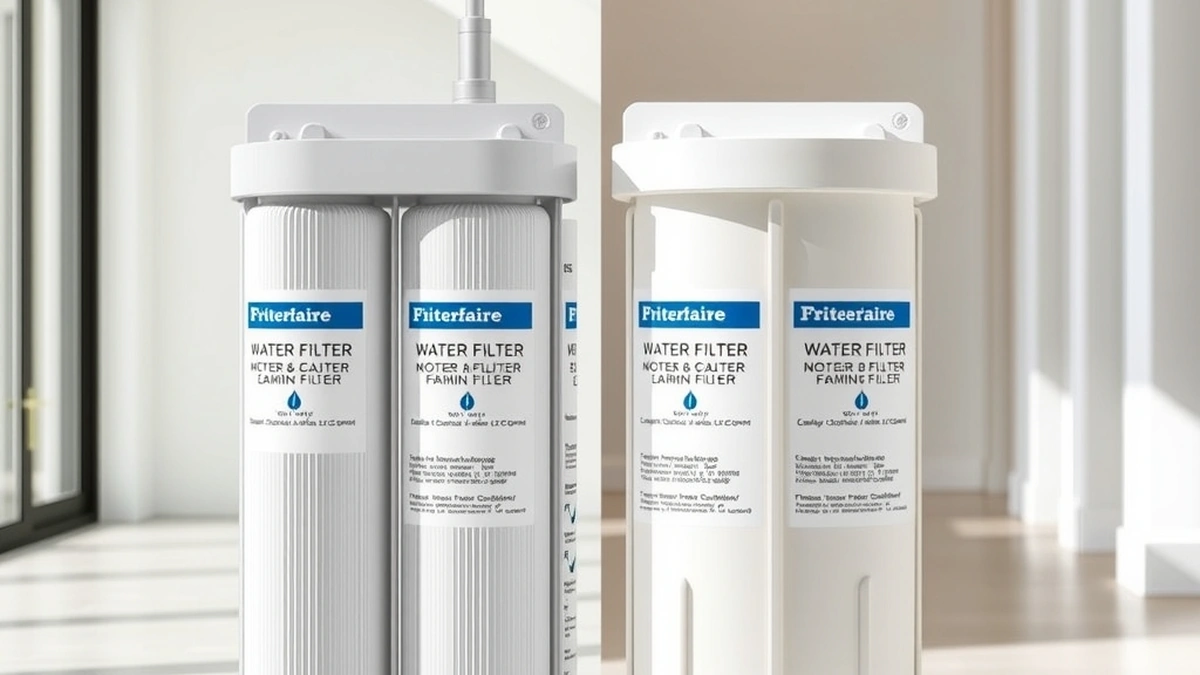
Frigidaire water filter: models and buying guide
Frigidaire filters span fridge cartridges and the PureSource family. See how the models differ, what certification covers, and how to buy without overpaying.
Read the guide →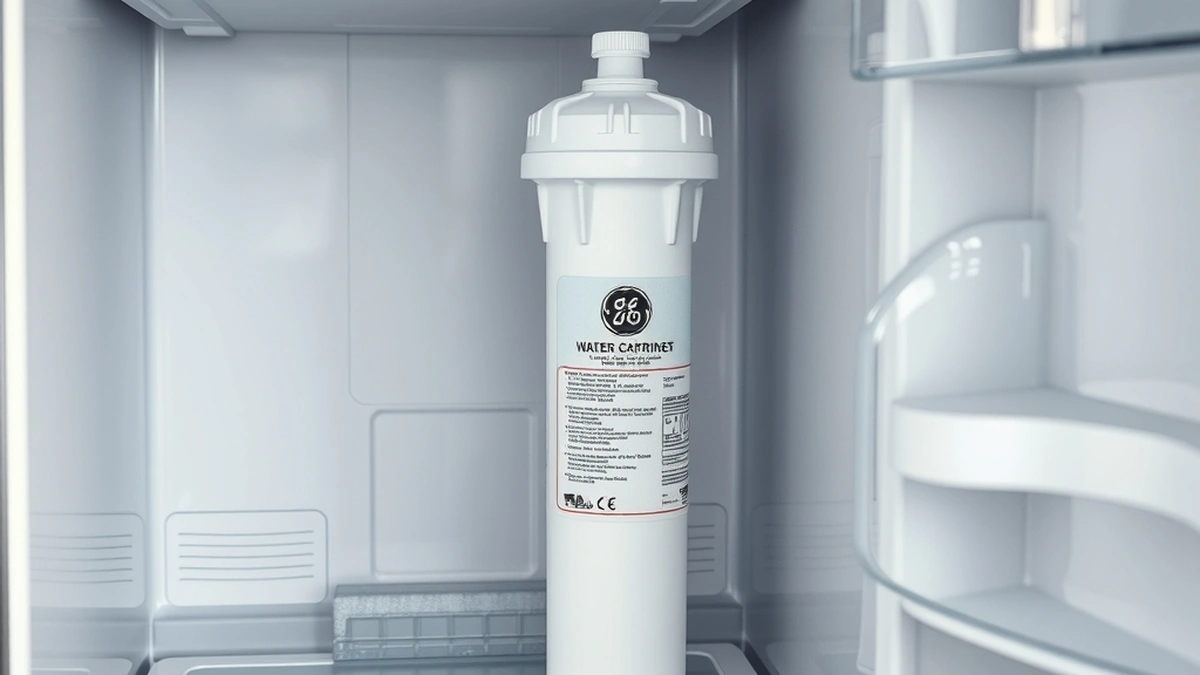
General Electric water filter for fridge
GE fridge filters are keyed cartridges, usually MWF or XWFE. See how to identify yours, what each removes, and how to avoid a cartridge that will not fit.
Read the guide →
Hard carbonated water
What happens when hard water meets carbonation, why sparkling water makers scale up, and how to protect the machine.
Read the guide →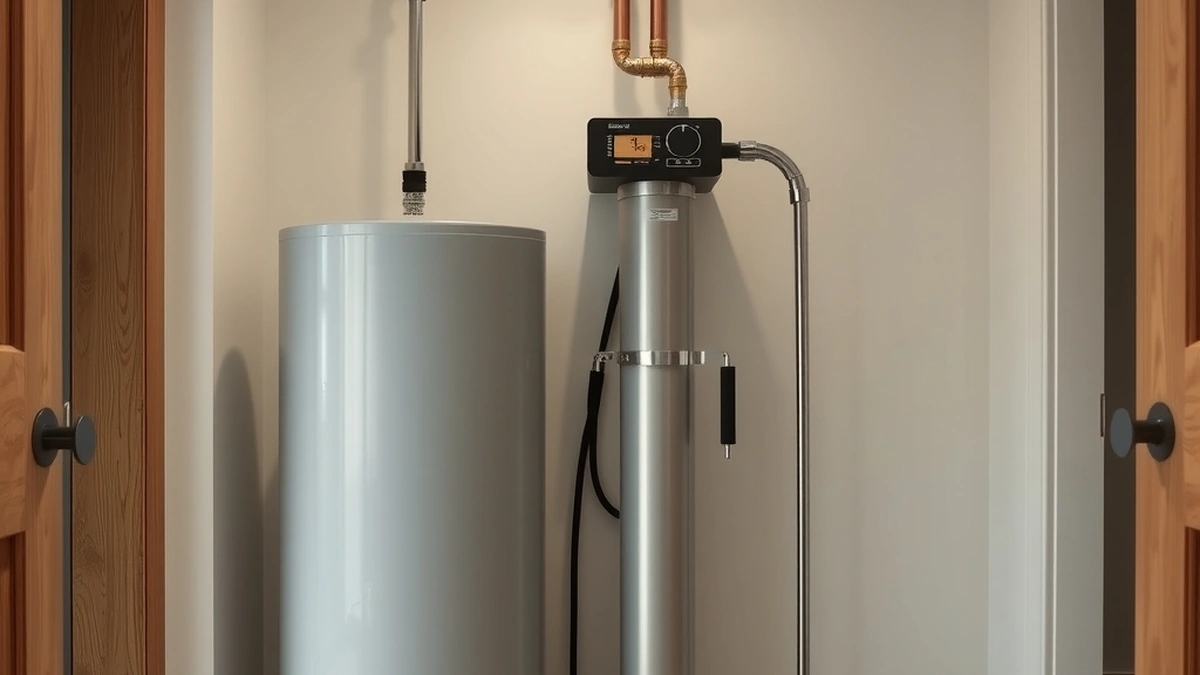
High efficiency water softener
What makes a softener high efficiency, how salt dose and regeneration control affect running costs, and whether the premium pays back.
Read the guide →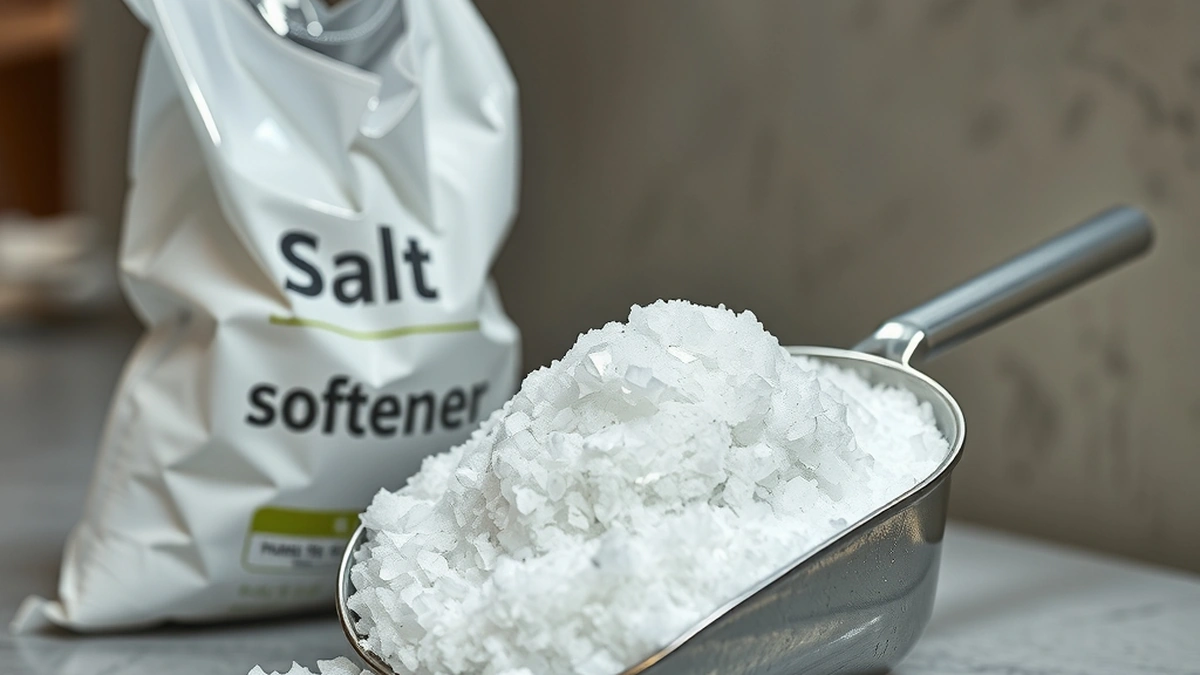
High Purity Water Softener Salt: When It Matters
High-purity salt runs 99.9 percent sodium chloride against 99.5 for standard pellets. See where the extra purity pays off and where it is wasted money.
Read the guide →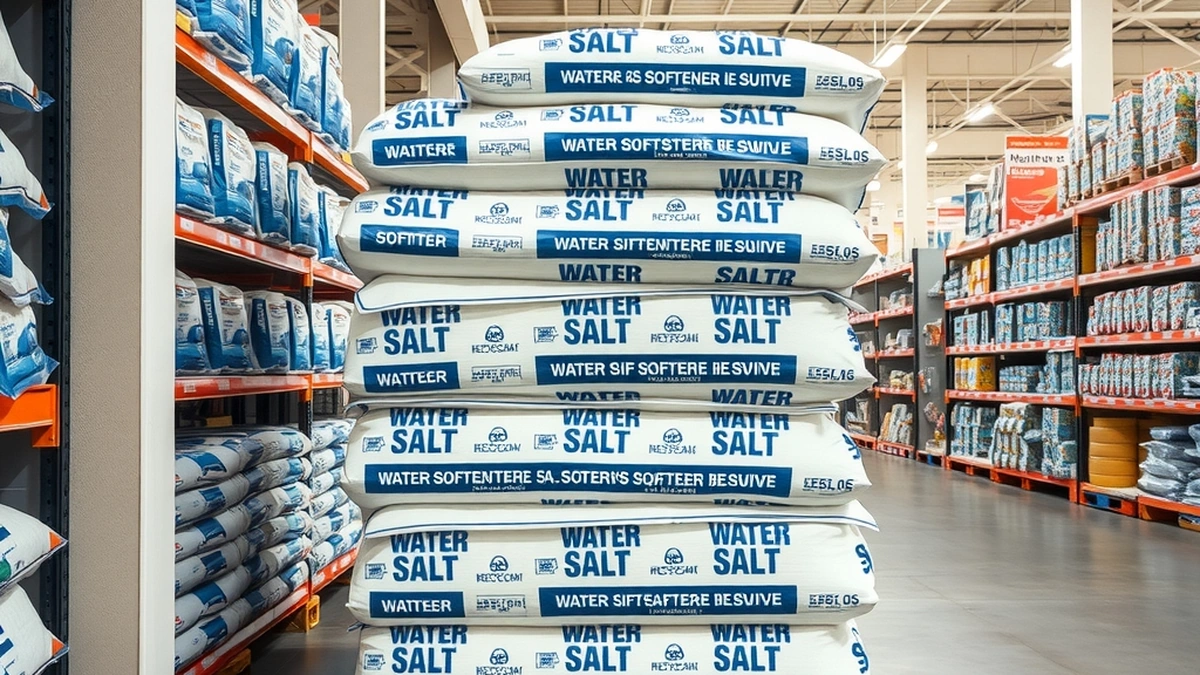
Home Depot Water Softener Salt: Brands, Prices, Picking Up
Home Depot stocks pellet, crystal, and potassium chloride salt from national brands. See bag prices, pallet options, and how to avoid a wasted trip.
Read the guide →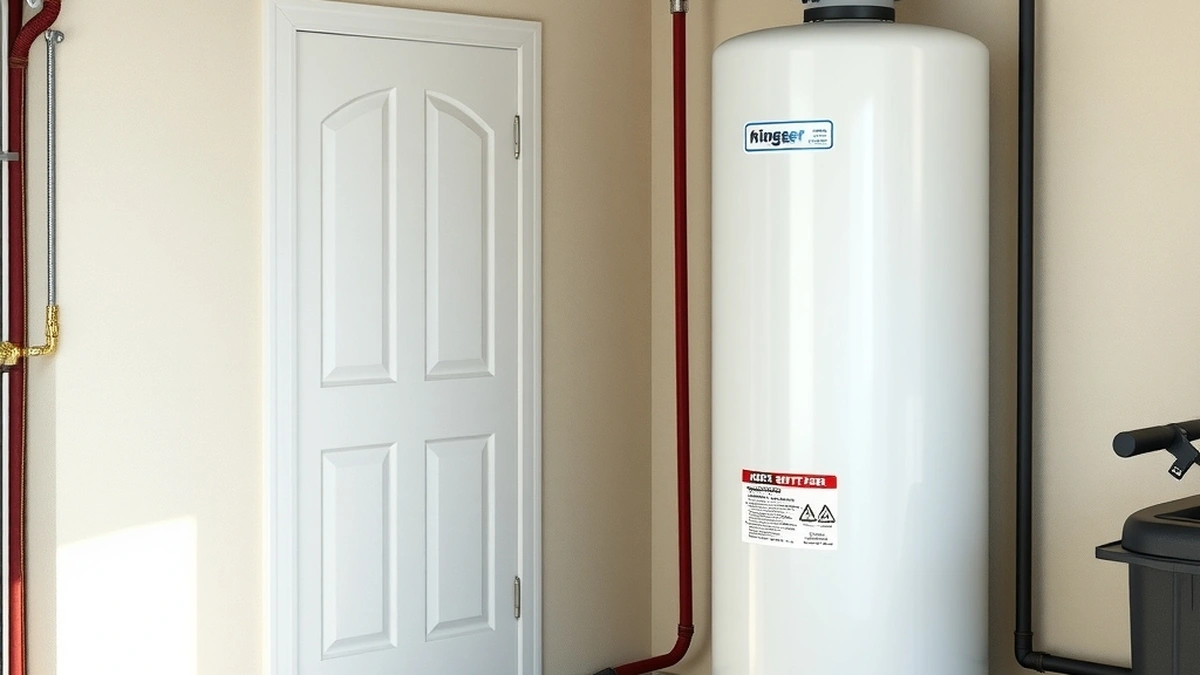
Home water softener
What a home softener does, how to size it to your household, what it costs installed, and the maintenance it needs to keep working for 10 to 15 years.
Read the guide →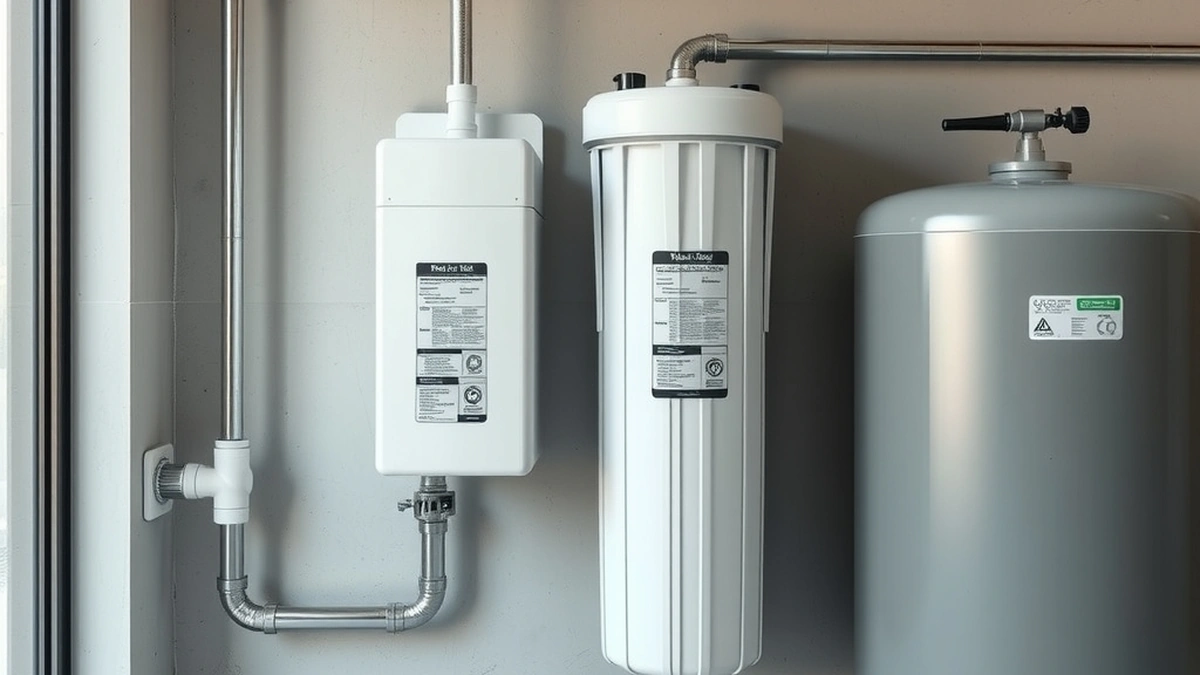
House water filter
How to choose a whole-house water filter, size it by flow rate, and match the cartridge to what the water test actually shows.
Read the guide →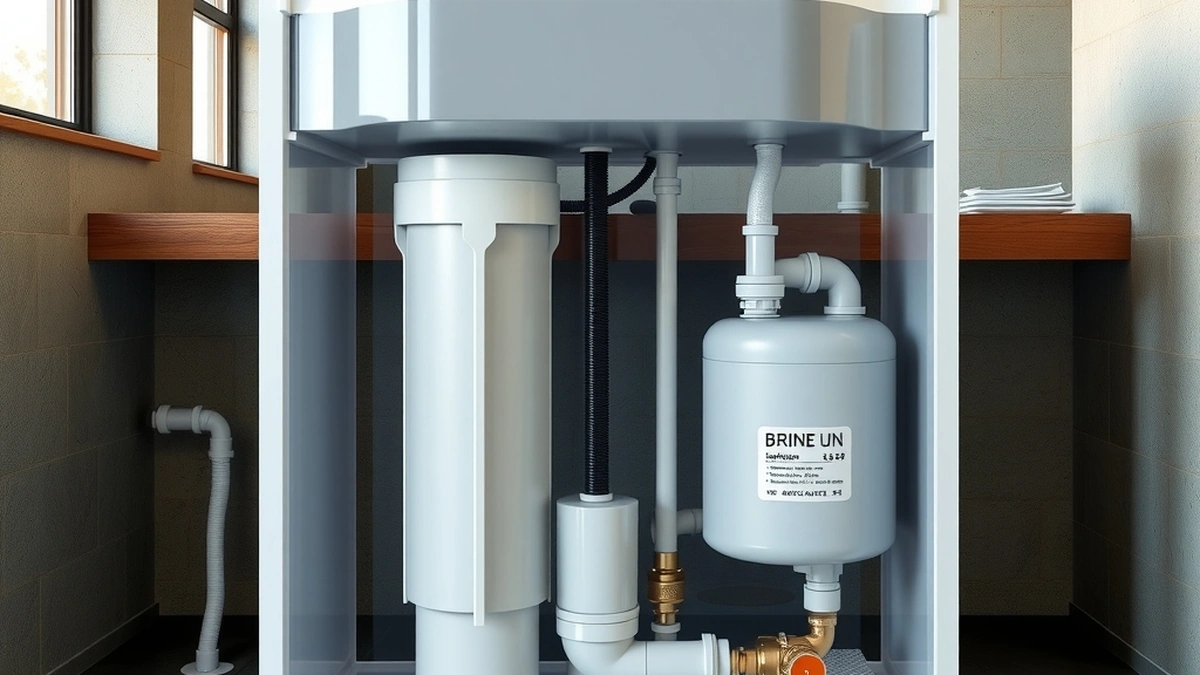
How Do Water Softeners Work: Resin, Brine, Regeneration
A softener swaps calcium and magnesium for sodium on resin beads, then recharges with brine. See the full cycle, the settings, and the sizing math.
Read the guide →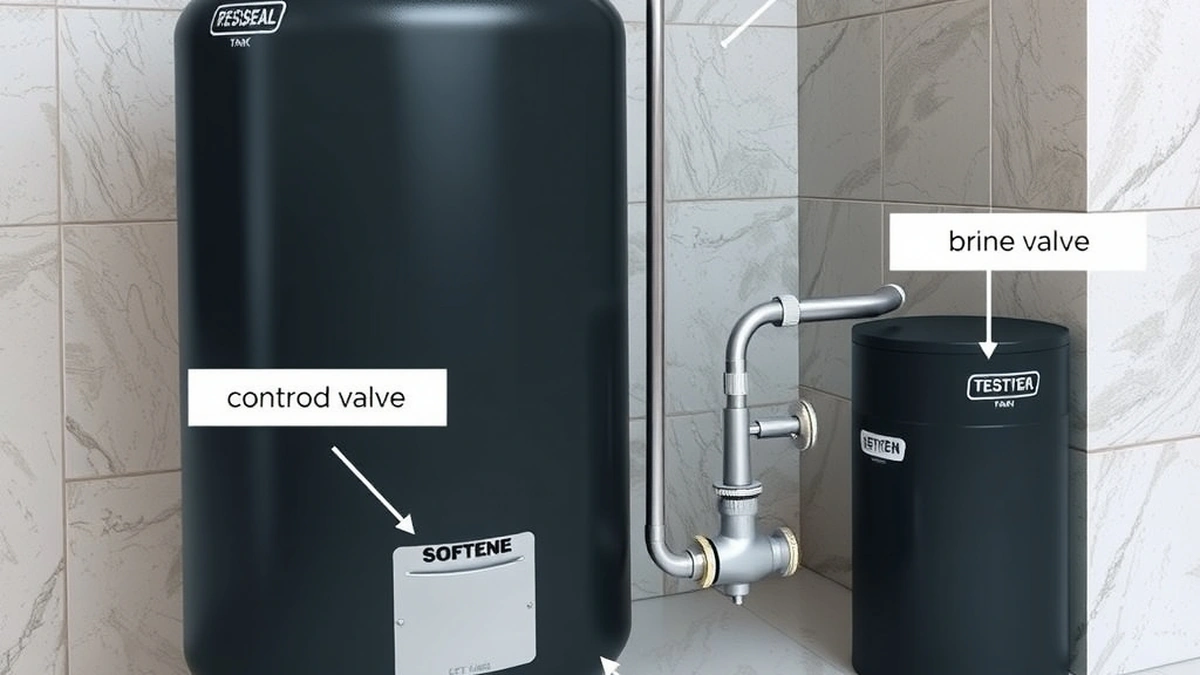
How Does a Water Softener System Work End to End
Follow the water from the main line through the resin, valve, and brine tank. See how each component behaves and where failures usually start.
Read the guide →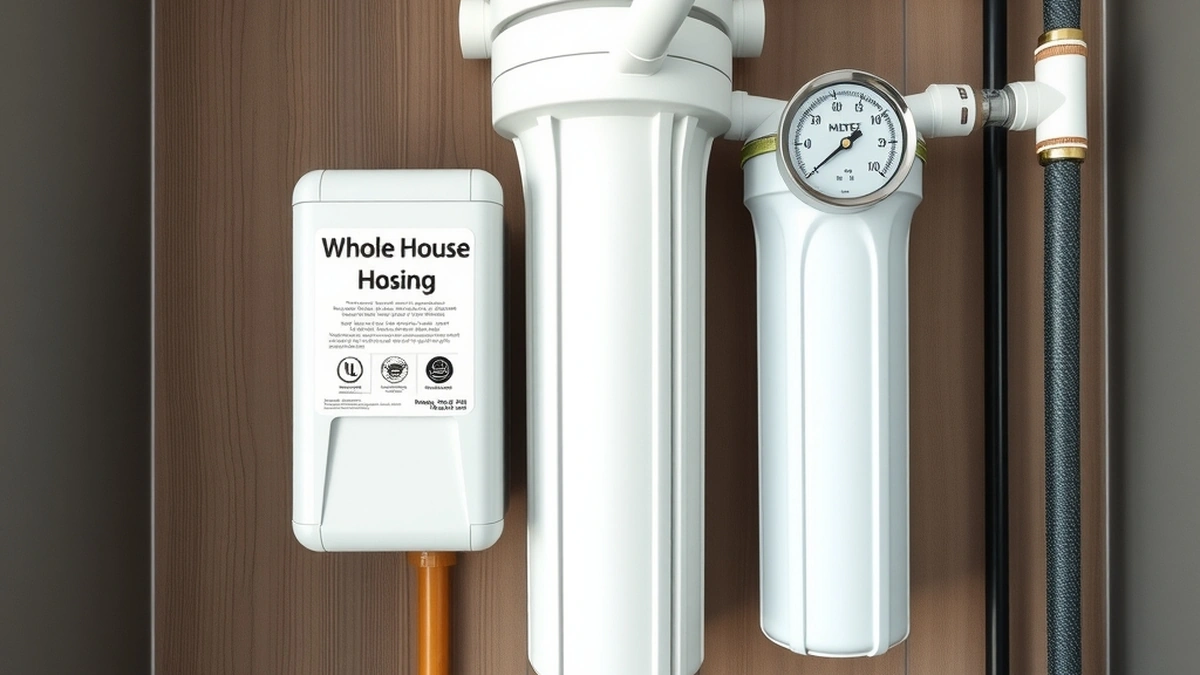
How a Whole-House Water Filter Works
Learn how point-of-entry whole-house filters treat water at the main line, including flow rates, media types, and maintenance costs.
Read the guide →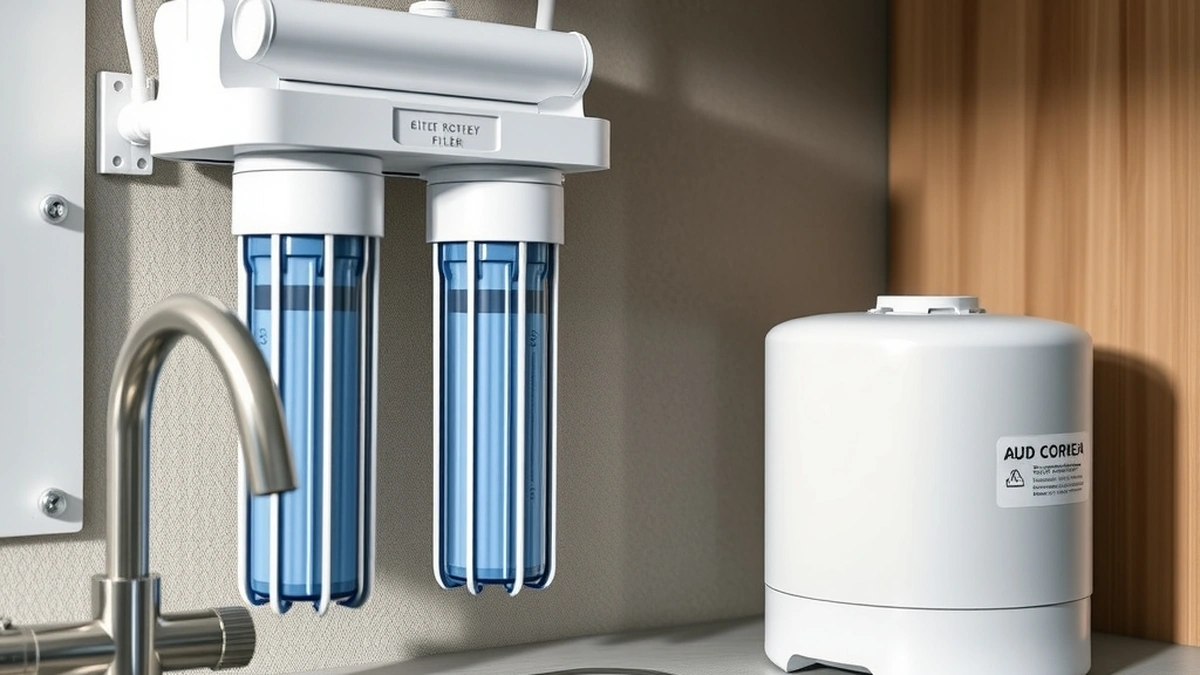
How Reverse Osmosis Works, Stage by Stage
A stage-by-stage breakdown of reverse osmosis systems, from prefiltration to membrane rejection and storage.
Read the guide →
How Long Do Water Softeners Last? Component by Component
A softener lasts 10-15 years, but the resin, valve, and tanks age at different rates. See each component's life, replacement cost, and the signs to plan.
Read the guide →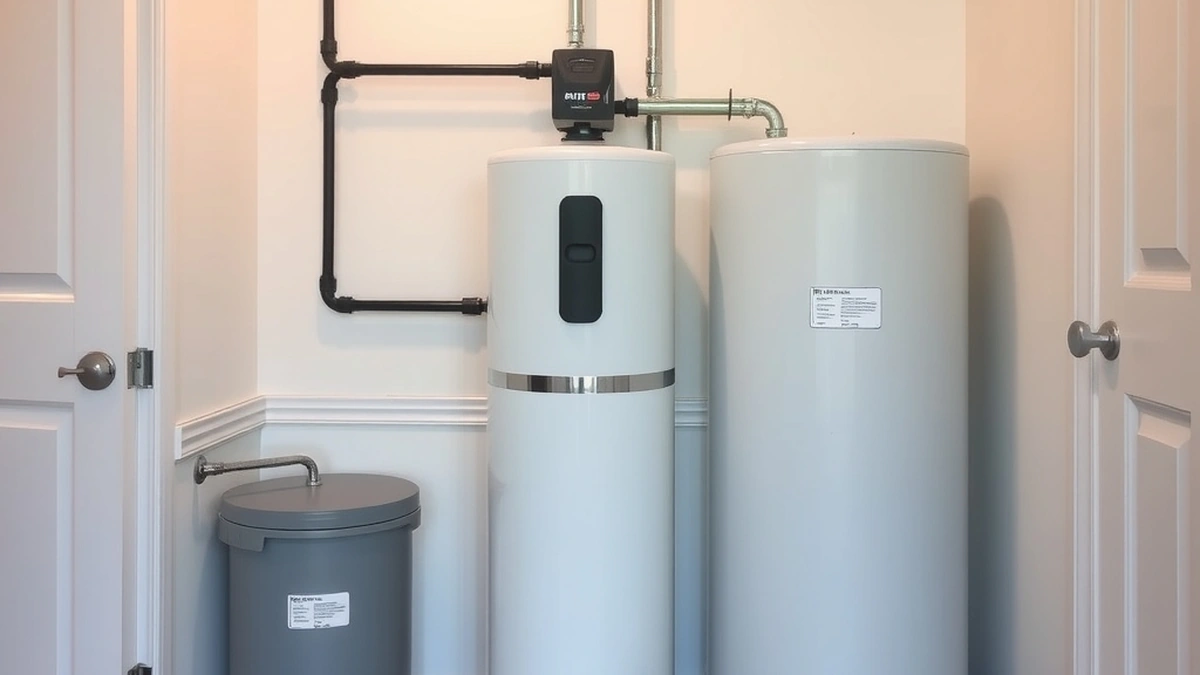
How Long Does a Water Softener Last?
Typical water softener lifespan, resin bed replacement timing, and cost breakdowns for equipment, salt, and rebeds.
Read the guide →
How to Install a Water Softener: Step by Step
A softener install needs a bypass, a drain, and an outlet. See the tools, the sequence, the code points, and when to hire a plumber instead.
Read the guide →
How to Reduce Water Hardness Without Replacing the Water
You can lower hardness by softening, blending, or treating one tap. See how much each method reduces, what it costs, and what does not work at all.
Read the guide →
iron filter installation: what it involves
Iron filter installation takes 3-5 hours and costs $800-$2,500 installed. See media choices, backwash drain needs, and sizing by iron ppm and flow.
Read the guide →
Iron Filter Types: Air Injection, Greensand, BIRM
Compare air injection, greensand, and BIRM iron filters for well water, including installed cost, maintenance, and how to choose after a water test.
Read the guide →
Kinetico water softener
How Kinetico twin-tank softeners work, what to check before buying one, and how dealer pricing compares with standard systems.
Read the guide →
Lowe's Water Softener Salt: Stock, Prices, Delivery
Lowe's carries pellet, crystal, and potassium chloride salt in 40-pound bags. See typical prices, pallet options, delivery fees, and how it compares.
Read the guide →
Metered vs Timer Control Valve: Key Differences
Compare metered and timer control valves for water softeners, including regeneration triggers, salt use, and installed cost.
Read the guide →
Morton Water Softener Salt: Forms, Additives, Cost
Morton sells pellets, solar crystals, and rust-remover salt for softeners. Compare forms, additives, and annual cost before you fill the brine tank.
Read the guide →
Mortons Water Softener Salt: Product Line Guide
Morton sells pellets, solar crystals, rust remover salt, and potassium chloride. See how to read the bags, what each costs, and which one fits your water.
Read the guide →
No Salt Water Softener Systems: What They Really Do
Salt-free systems condition water instead of softening it. See the technologies, the claims, the costs, and the tests that prove whether they work.
Read the guide →
Permeate pumps: when an RO needs one
A permeate pump uses reject pressure to fill the tank faster and cut waste. See the pressure threshold, the cost, and when it will not help.
Read the guide →
Point-Of-Use Vs Point-Of-Entry Guide
Compare point-of-entry and point-of-use water treatment by cost, capacity, and installation so you can match equipment to your water test results.
Read the guide →
Pressure Tanks and Treatment: Order of Equipment
How to sequence a pressure tank with softeners, filters, and RO systems for whole-house water treatment.
Read the guide →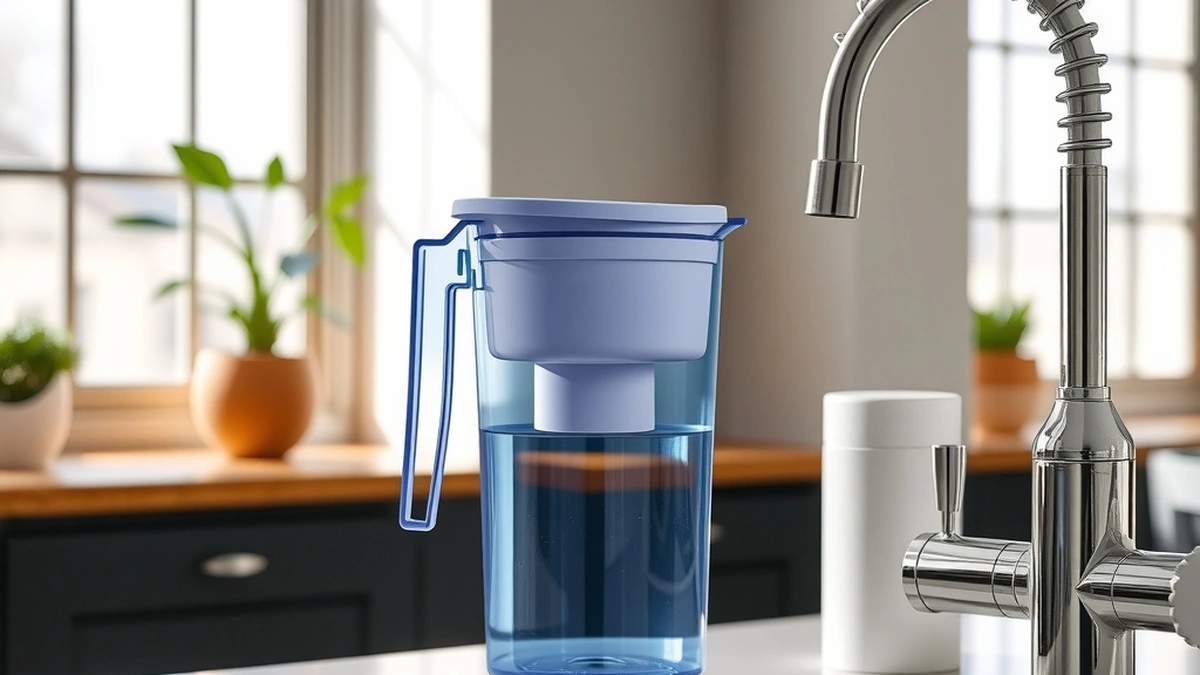
Pur water filter
PUR pitchers and faucet mounts use carbon and ion exchange to cut chlorine, lead, and some metals. See what each format removes and what it costs.
Read the guide →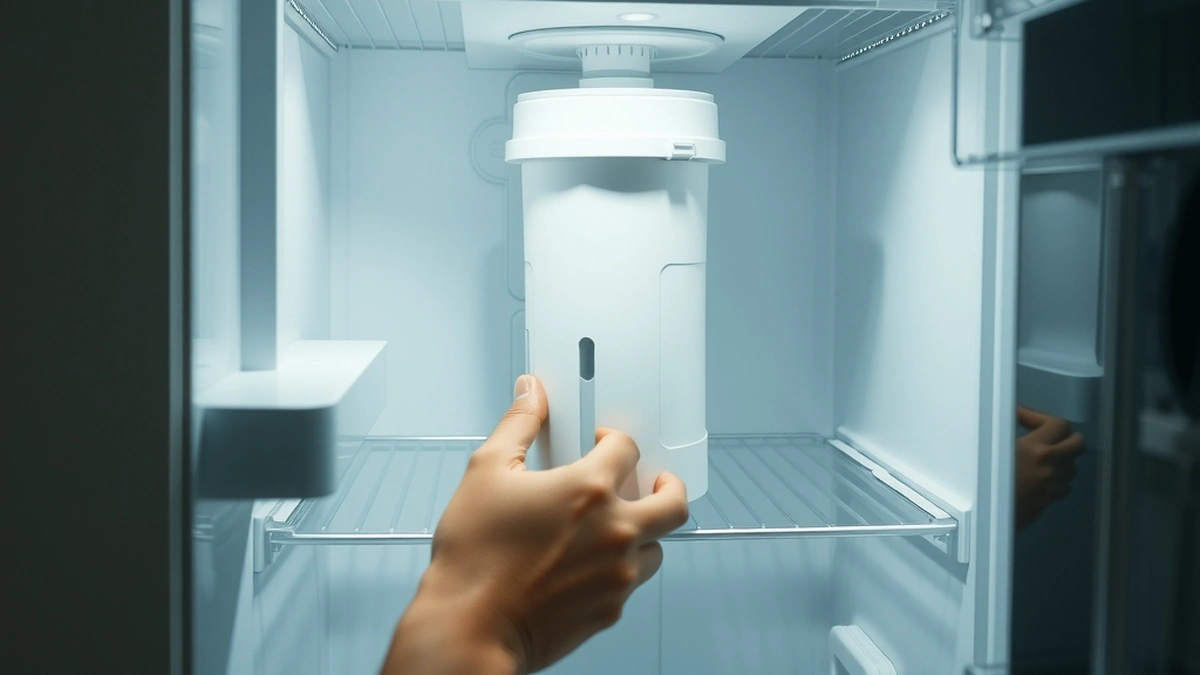
refrigerator water filter installation: what it involves
Fridge filter replacement takes 2 minutes with no tools. See housing types, bypass plugs, flushing, and the $30-$70 annual cartridge cost.
Read the guide →
Strong acid cation resin: what the spec means
Strong acid cation resin is the gel bead inside a softener. See what the spec sheet numbers mean, how long the bed lasts, and how it fails.
Read the guide →
Reverse osmosis
What reverse osmosis is, how the membrane separates dissolved solids, where the process fits in a home, and the costs and limits to expect.
Read the guide →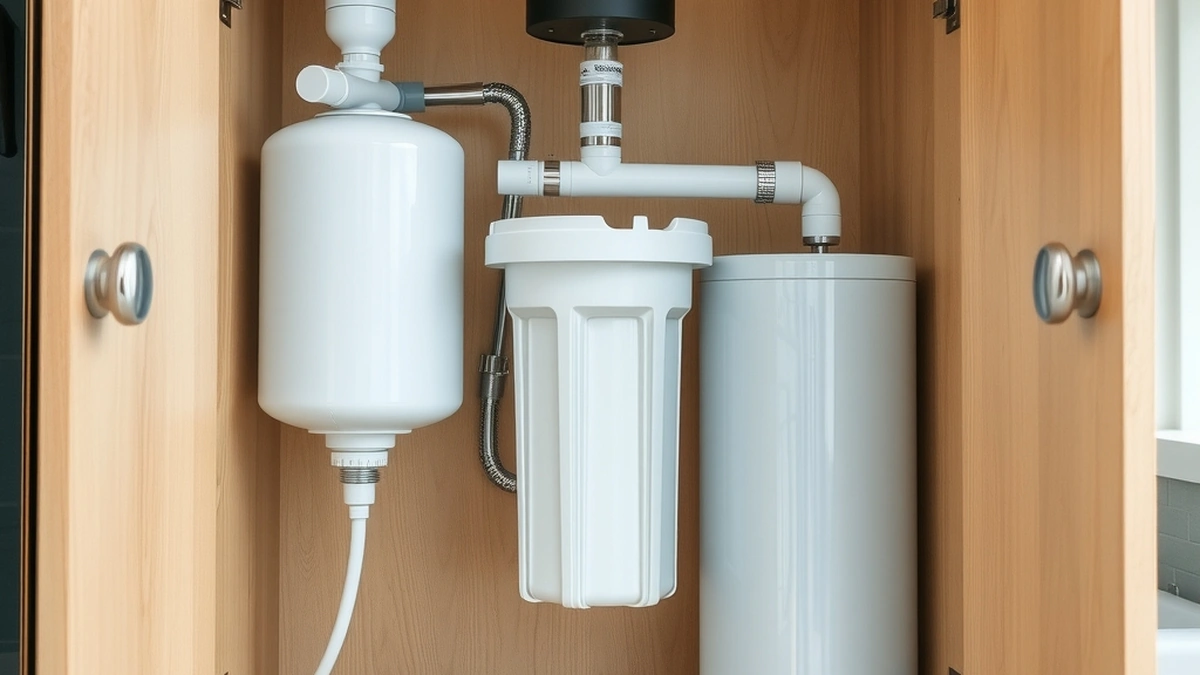
Reverse osmosis filter in Hatfield PA
How under-sink reverse osmosis works for Hatfield homes, what to test first, and what installation and running costs look like locally.
Read the guide →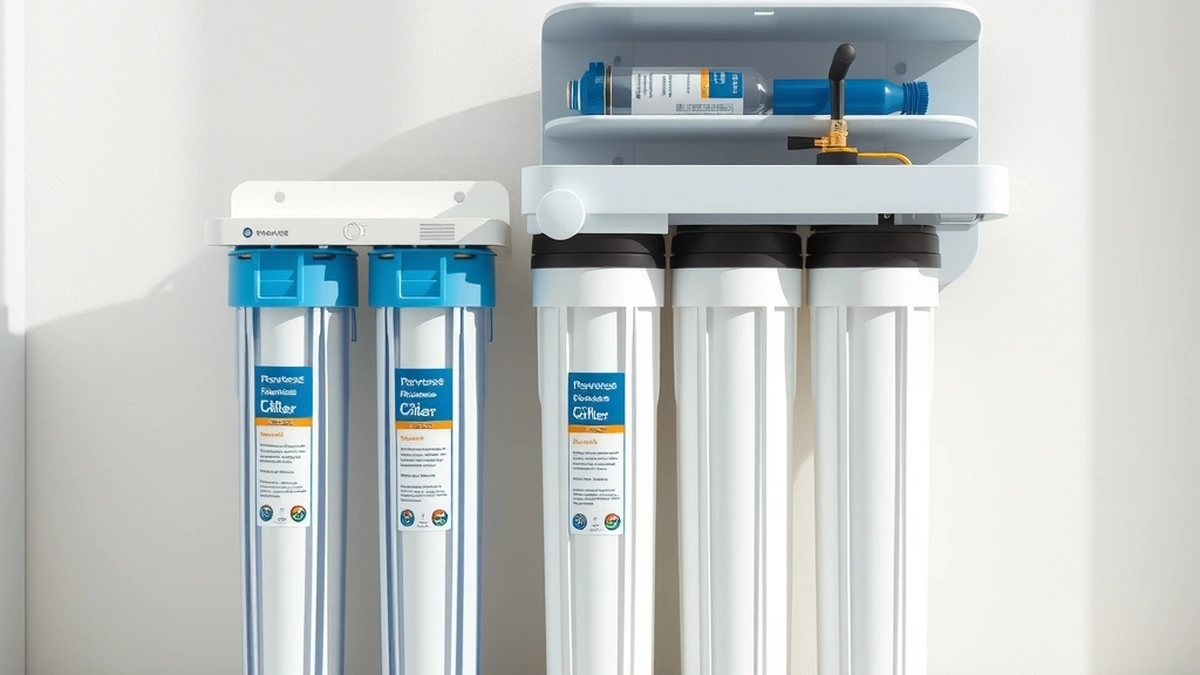
Reverse Osmosis Filters: Stages, Sizes, Replacement
RO filters run in four to five stages, each with its own replacement interval. Learn what each cartridge does and what a year of filters should cost.
Read the guide →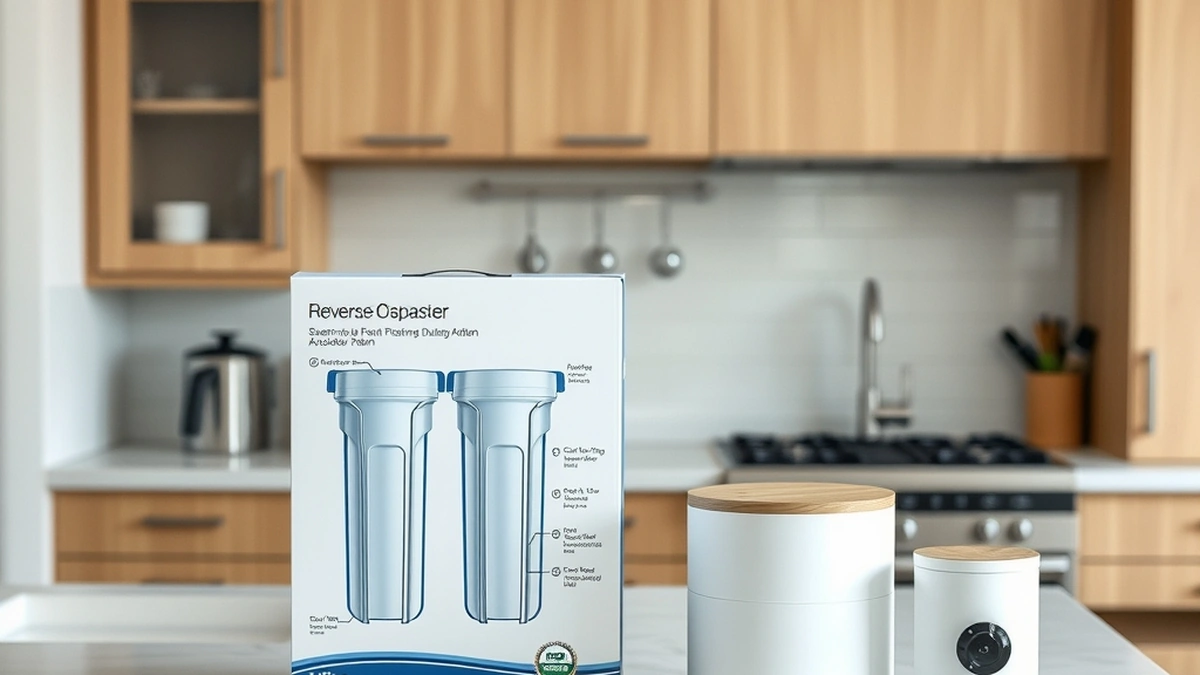
Reverse osmosis online
How to buy a reverse osmosis system online without overpaying, which certifications to check, and what to confirm about parts and support.
Read the guide →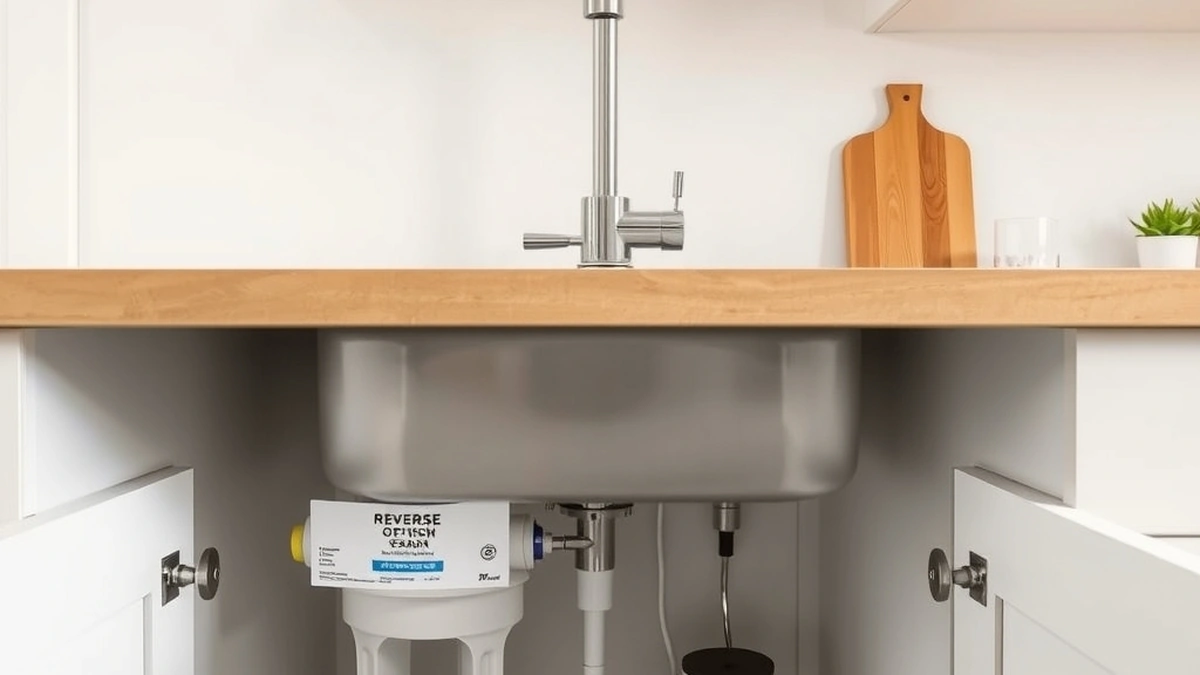
Reverse osmosis system for home
Choose a home RO system by where it treats, what it must remove, and how much water you use. Costs, sizing, and the well-water prerequisites.
Read the guide →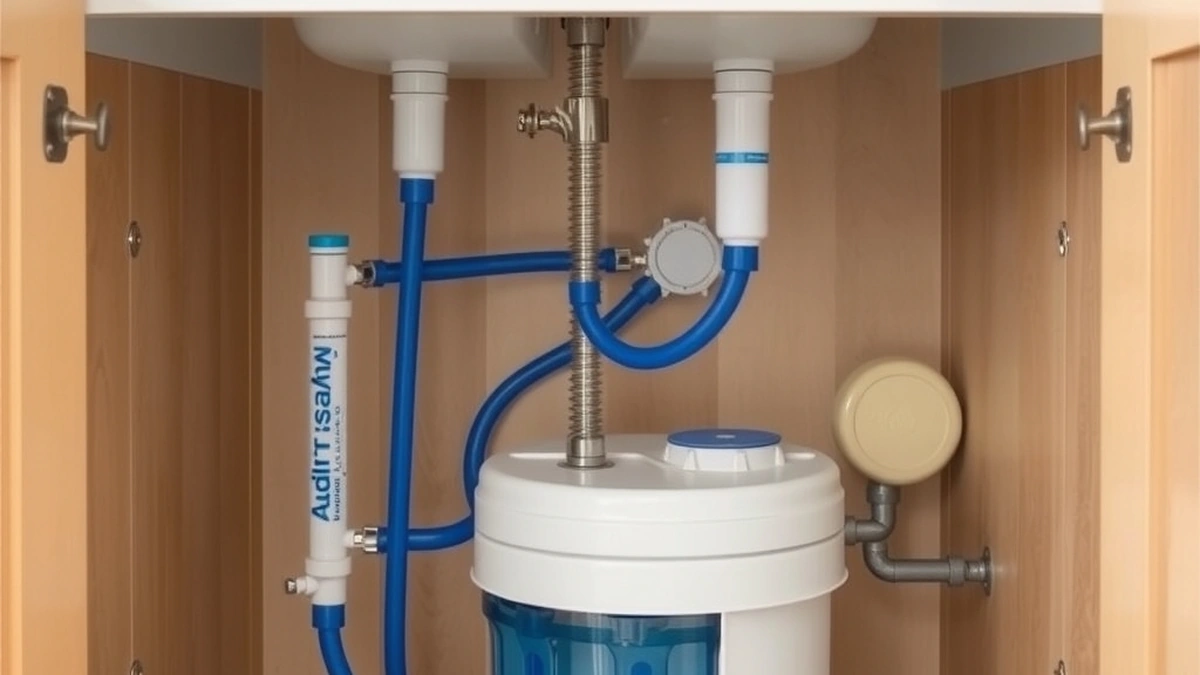
reverse osmosis system installation: what it involves
RO installation takes 1-3 hours and costs $300-$900 installed. See the four connections, drain saddle, air gap, tank pressure, and first-flush steps.
Read the guide →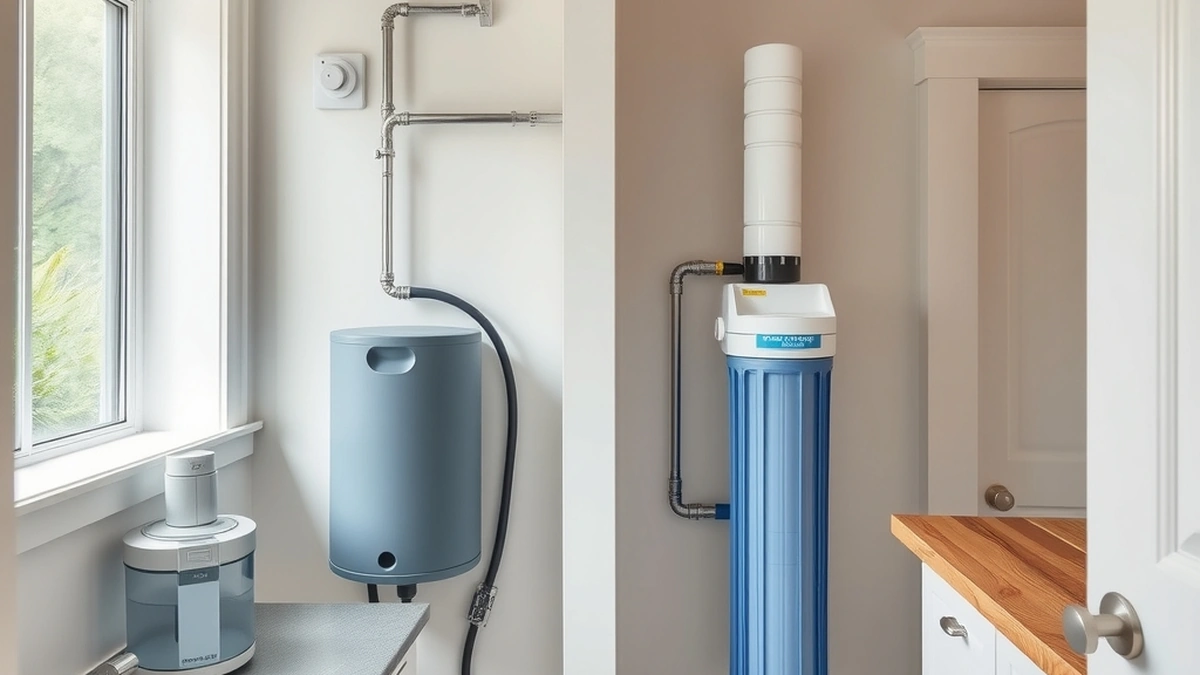
Reverse osmosis systems
The main types of reverse osmosis system, how to size one, and what each type costs to buy and run.
Read the guide →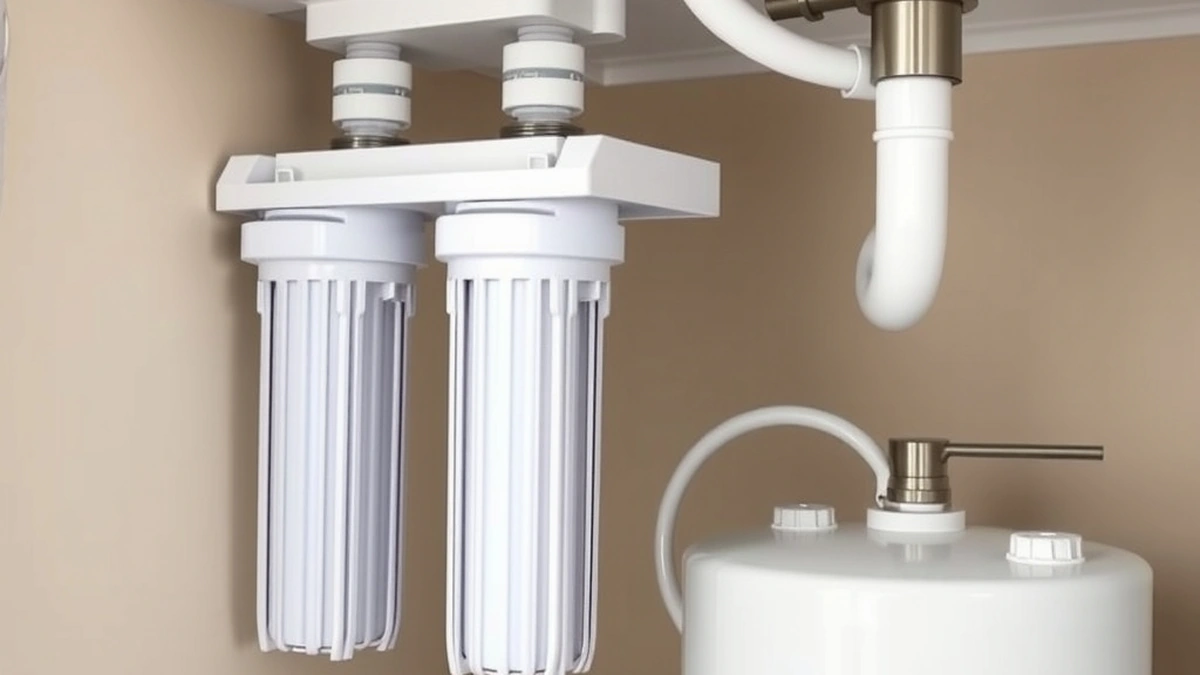
Reverse osmosis water filter
What an RO water filter is, how the membrane and pre-filters work together, what it removes, and the costs to install and run one at the sink.
Read the guide →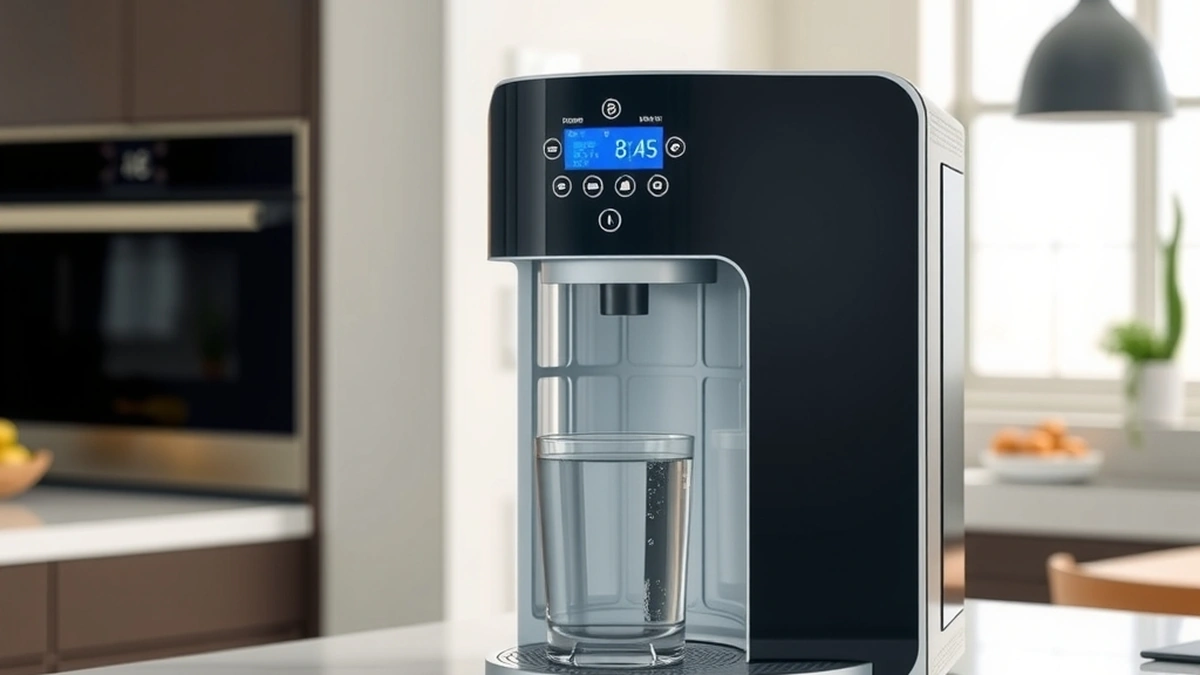
Countertop Reverse Osmosis Water Filter: No Plumbing
Countertop RO units plug in, fill from the tap, and need no drain line. See production rates, tank sizes, filter costs, and where they fall short.
Read the guide →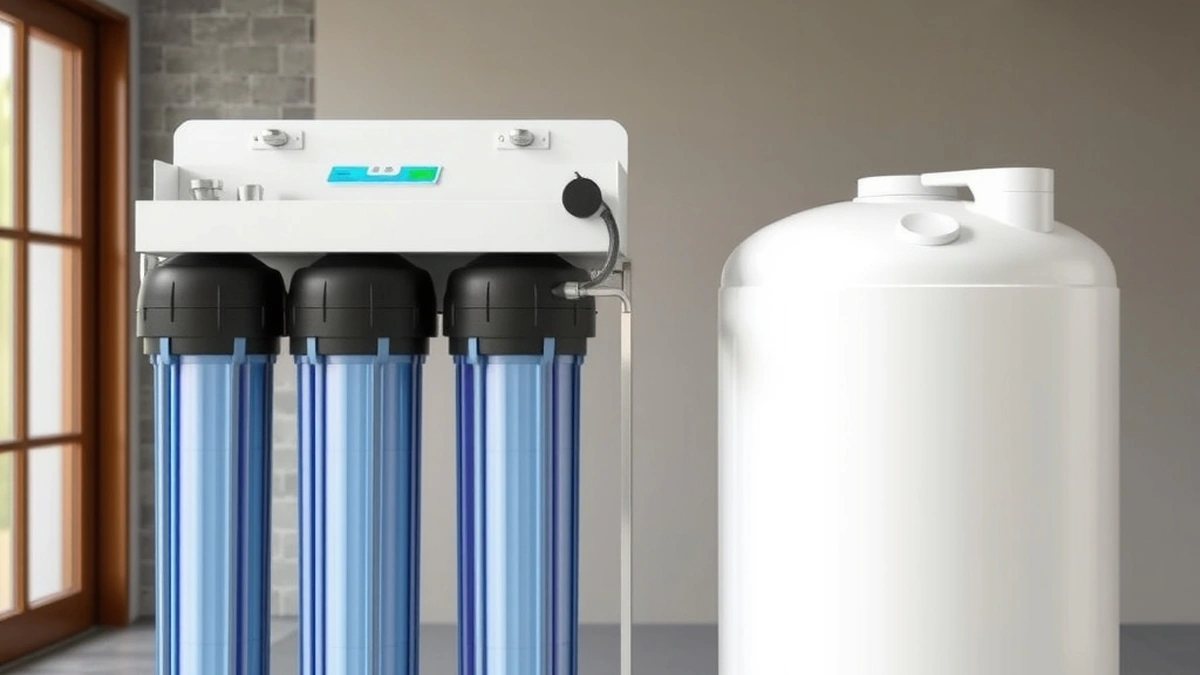
Reverse osmosis water filtration system
An RO filtration system combines sediment, carbon, membrane, and polishing stages. See how the stages interact and what each costs to replace.
Read the guide →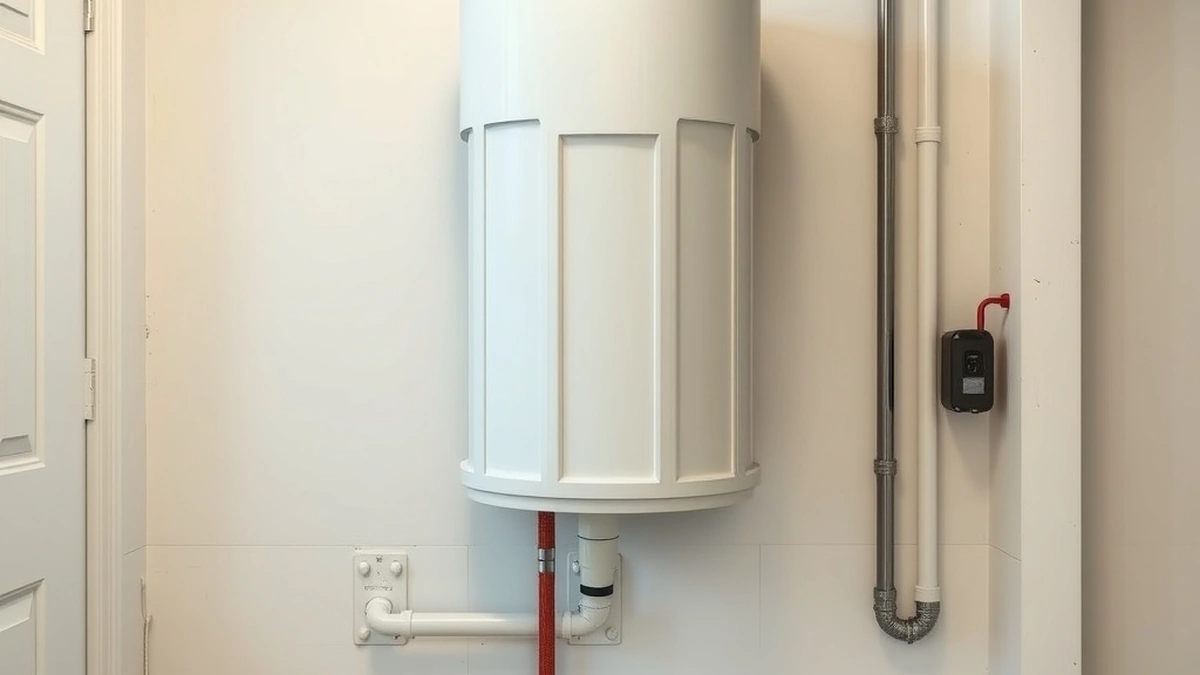
Rhino Well Water Whole House Filter: What It Handles
A Rhino whole-house filter is a carbon and sediment system, not a softener. See what it removes from well water, what it misses, and the install cost.
Read the guide →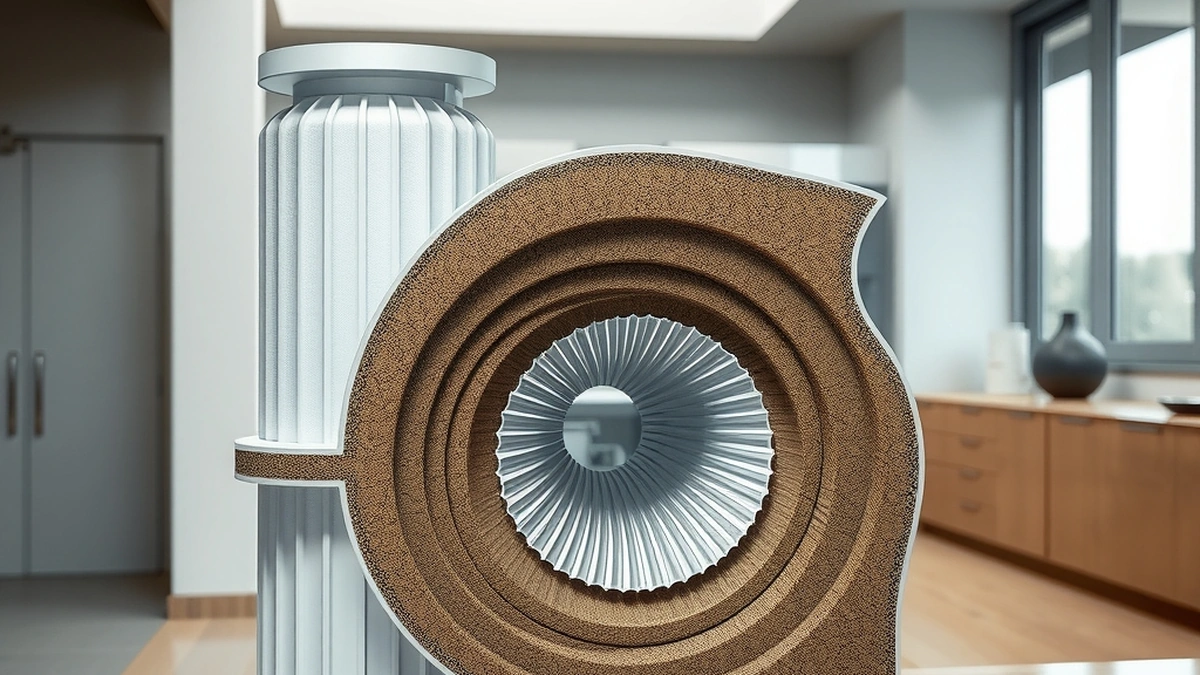
TFC vs CTA membranes
TFC membranes reject more but hate chlorine; CTA tolerates chlorine but rejects less. See which fits municipal versus well water and what each costs.
Read the guide →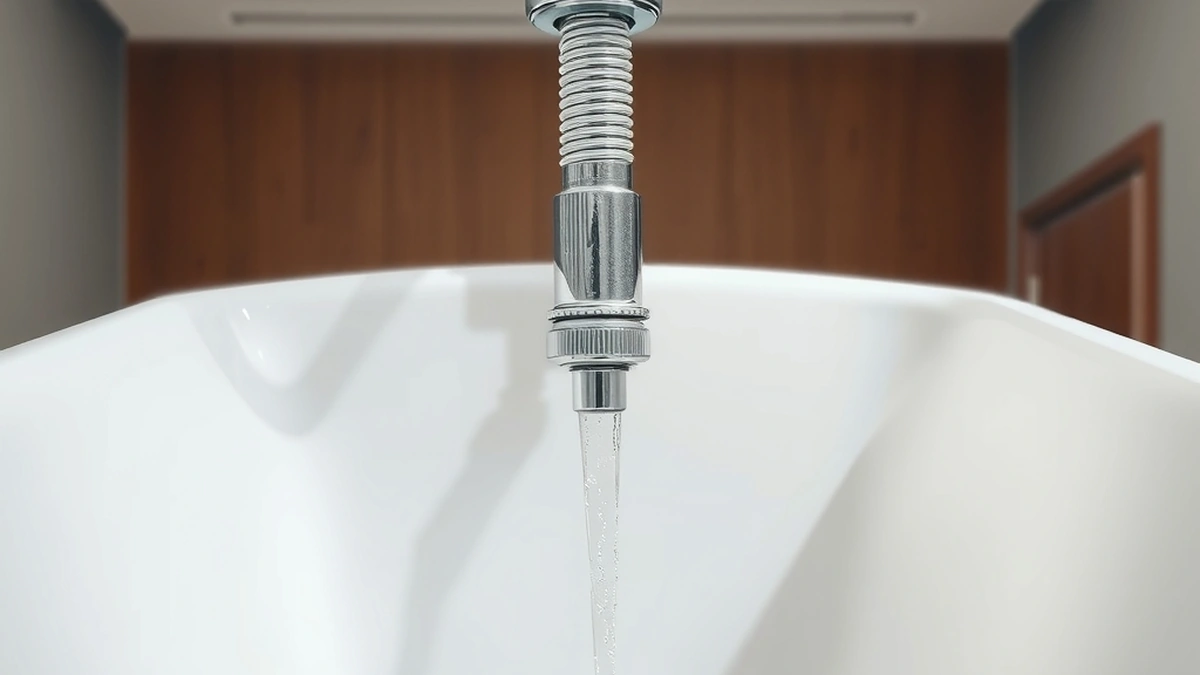
RO waste water: the 4:1 ratio and how to cut it
A reverse osmosis system sends 3 to 4 gallons to drain per gallon made. See where the water goes, what a permeate pump changes, and the real annual cost.
Read the guide →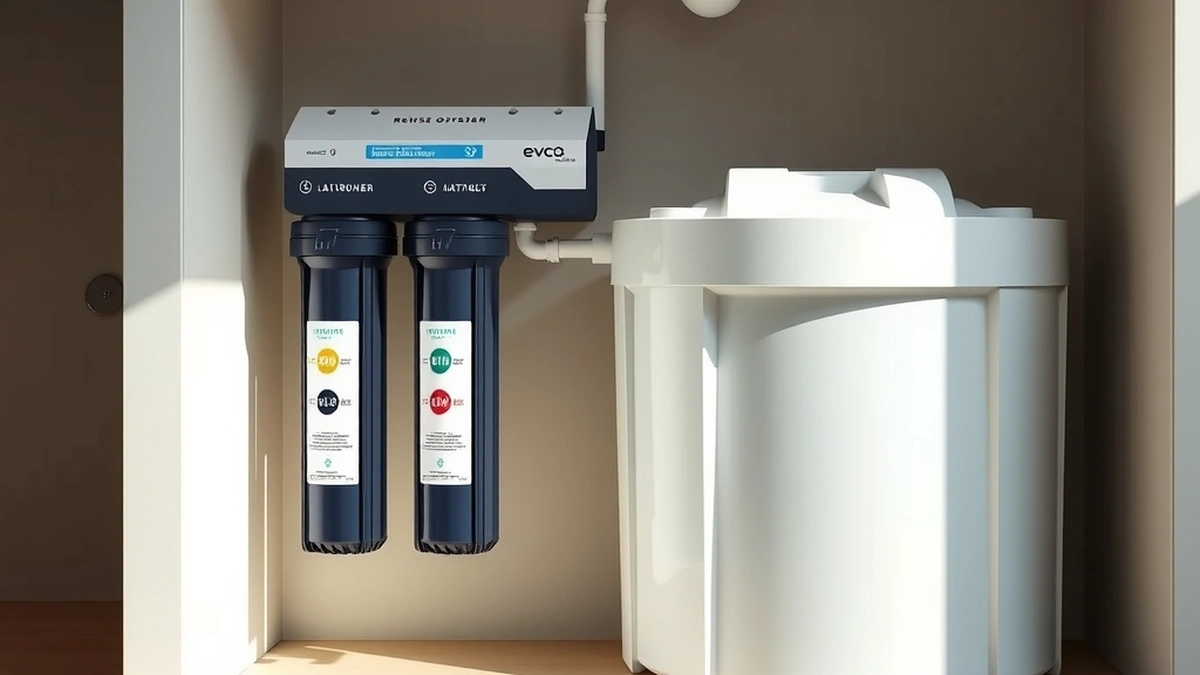
RO Water and Minerals: What You Lose and Whether It.
RO Water and Minerals: What You Lose and Whether It Matters: practical numbers, costs, and trade-offs, written independently.
Read the guide →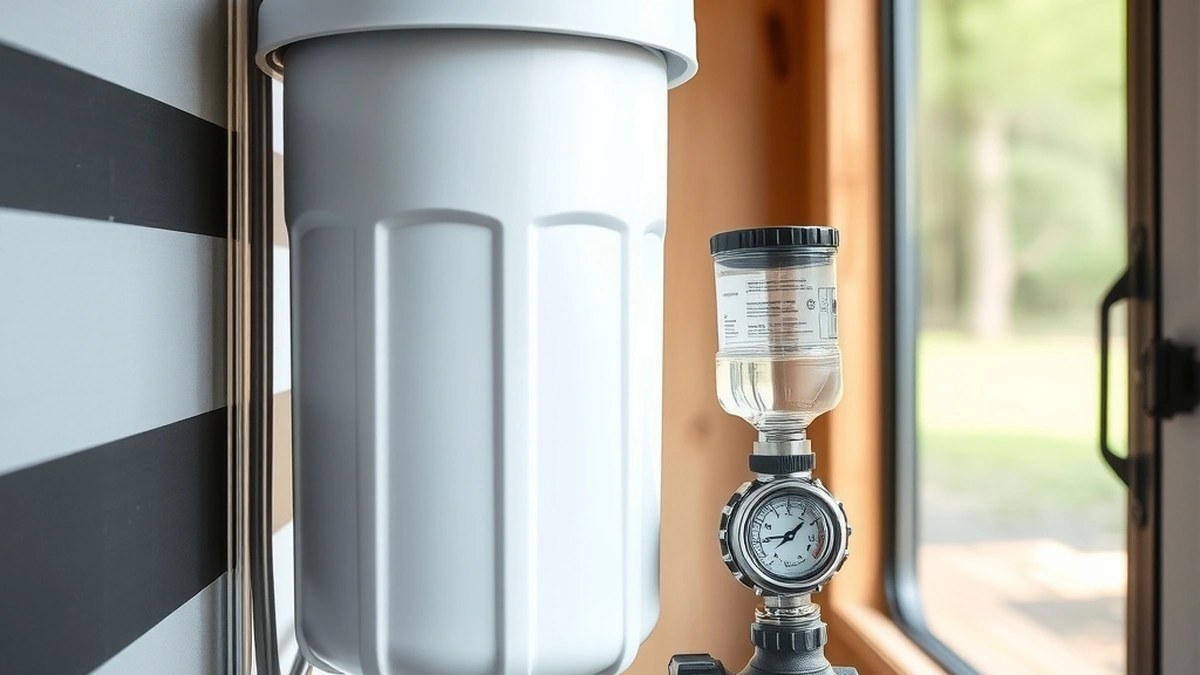
RV water filter installation: what it involves
RV water filter installation takes 5-20 minutes with no tools: connect at the spigot or mount a canister. See hose, regulator, and winterizing steps.
Read the guide →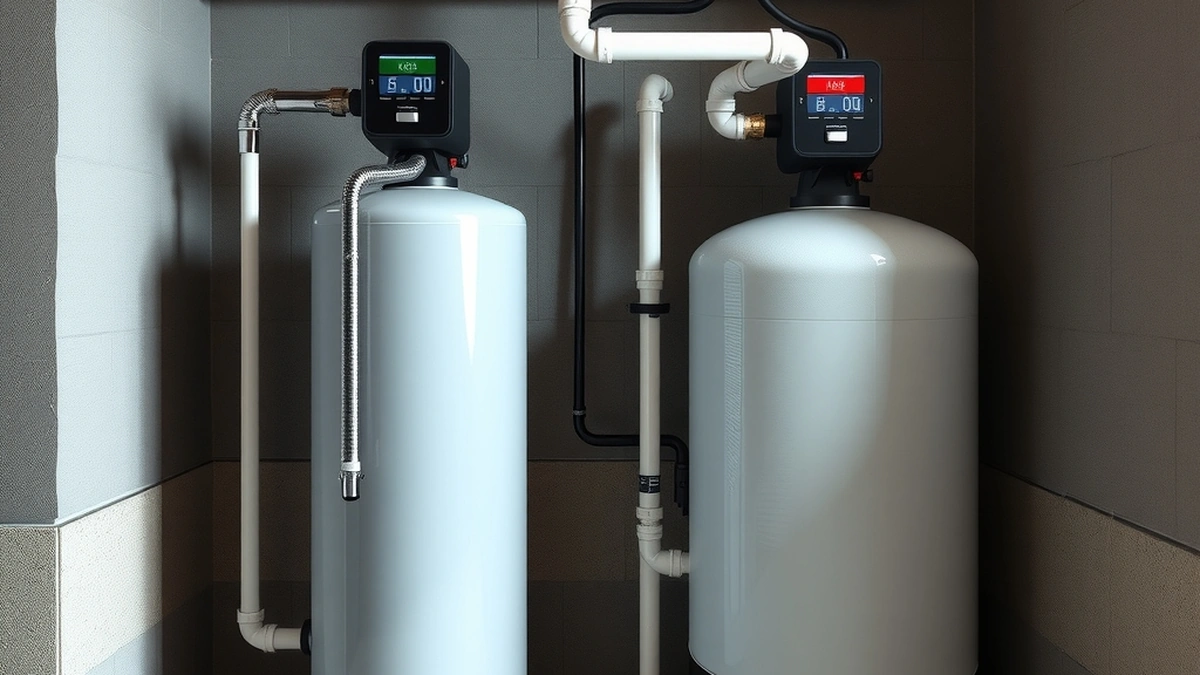
Salt Based Water Softener System: Components and Cost
A salt-based softener is a resin tank, brine tank, and control valve. See how the components work together, how to size them, and what installation requires.
Read the guide →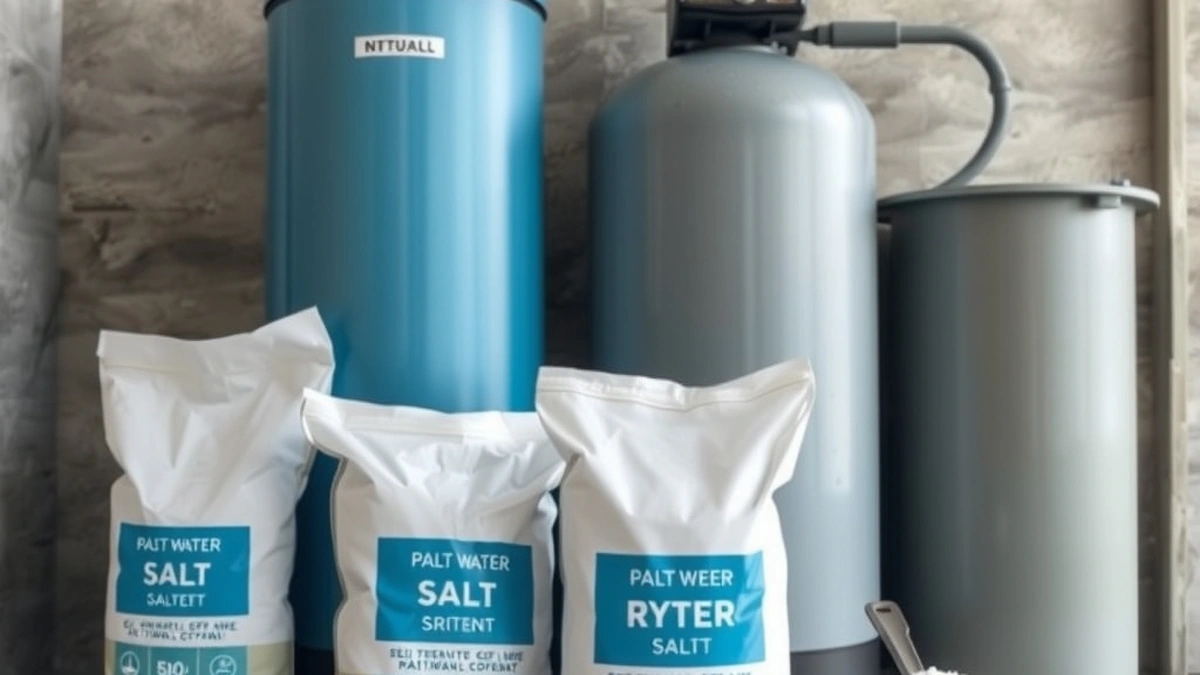
Salt for Water Softeners: Which Type and How Much
Pellets, crystals, blocks, and potassium chloride all work in a softener. Compare price per pound, residue, and how much salt a year your home needs.
Read the guide →
Salt free water softener
Salt-free conditioners change how scale forms but do not remove hardness. See what they do, what they cost, and when they are the wrong purchase.
Read the guide →
salt-free water softener installation: what it involves
Salt-free softener installation takes 2-4 hours, costs $500-$1,800 installed, and needs no drain or salt. See the plumbing, mounting, and setup steps.
Read the guide →
Salt Free Water Softener Near Me: How to Find a Dealer
Local salt-free conditioner dealers vary widely in price and competence. See what to ask, what installation involves, and how to compare quotes.
Read the guide →
Salt Free Water Softeners: What They Do and Do Not Do
Salt-free conditioners change how hardness minerals crystallize but do not remove them. See how they work, what they cost, and when they disappoint.
Read the guide →
Saltless water softener
Saltless and salt-free mean the same thing: conditioning, not softening. See the terminology, the technologies, and how to avoid buying the wrong one.
Read the guide →
Samsung fridge water filter
A practical guide to replacing a Samsung fridge water filter: locating the housing, seating the cartridge, flushing, and fixing no-flow problems.
Read the guide →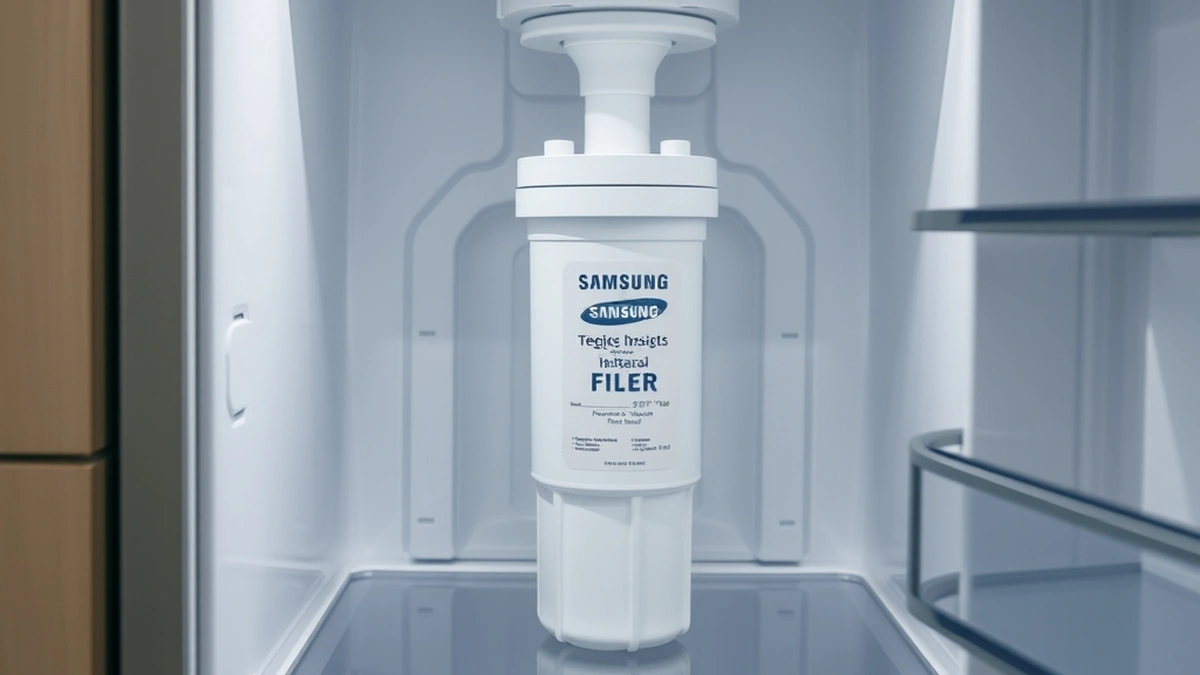
Samsung refrigerator water filter
Samsung fridge filters use HAF and DA29 families with keyed housings. See how to identify yours, when to change it, and what it does not remove.
Read the guide →
sediment filter installation: what it involves
Sediment filter installation takes 30-60 minutes and costs $80-$400. See housing types, micron ratings, pressure loss, and cartridge change intervals.
Read the guide →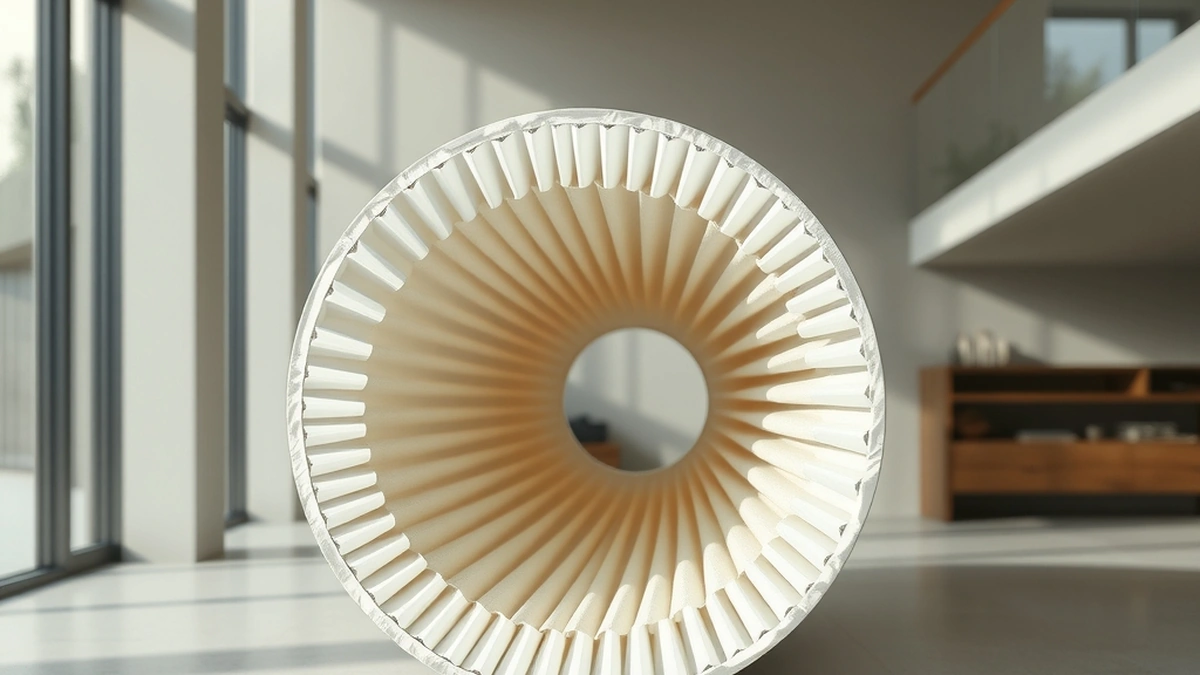
Sediment Filter Micron Ratings Explained
How micron ratings work for sediment filters, what sizes remove, and how to choose the right cartridge for your home water system.
Read the guide →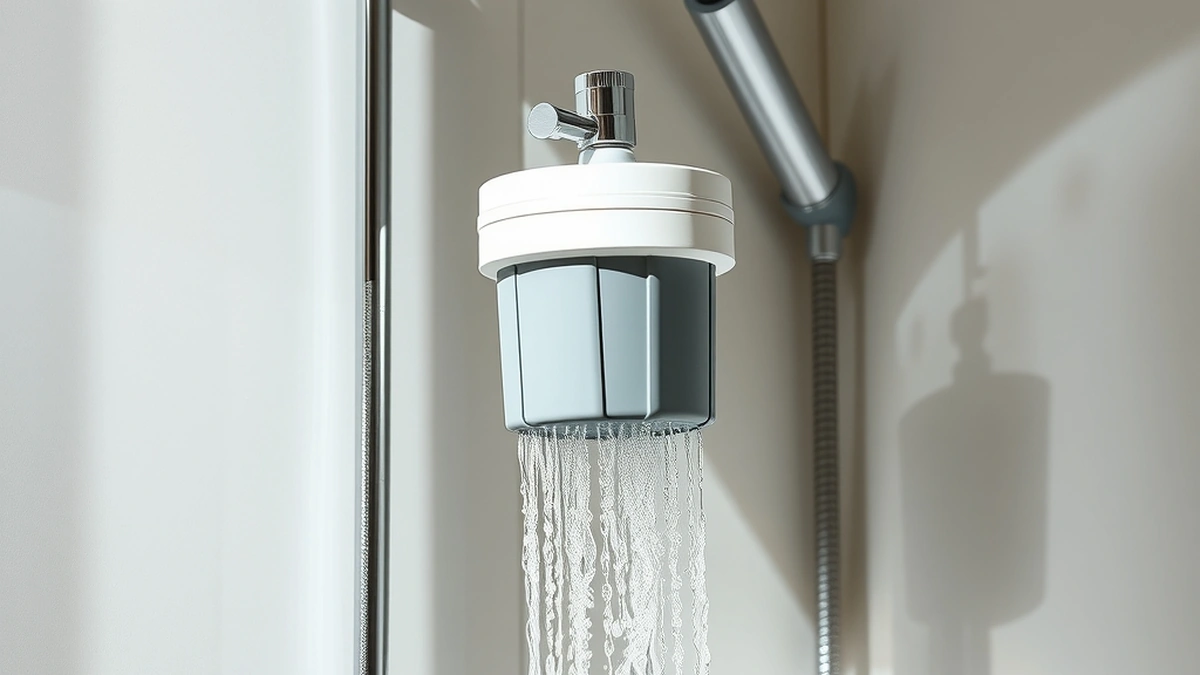
shower water filter installation: what it involves
Shower filter installation takes 5-10 minutes and needs no tools beyond pliers. See cartridge life, flow ratings, and what these units do not treat.
Read the guide →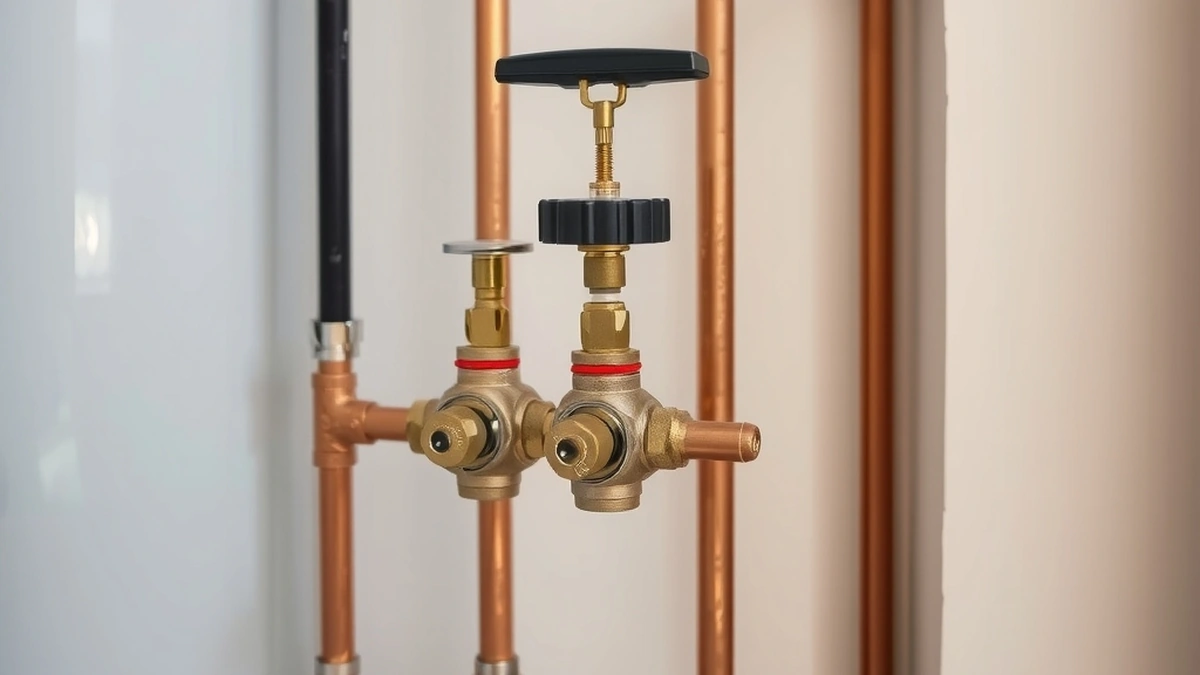
Adding a shut-off and bypass for a softener
A three-valve bypass lets you service a softener without losing water. See the valve layout, the parts list, and the order to install it.
Read the guide →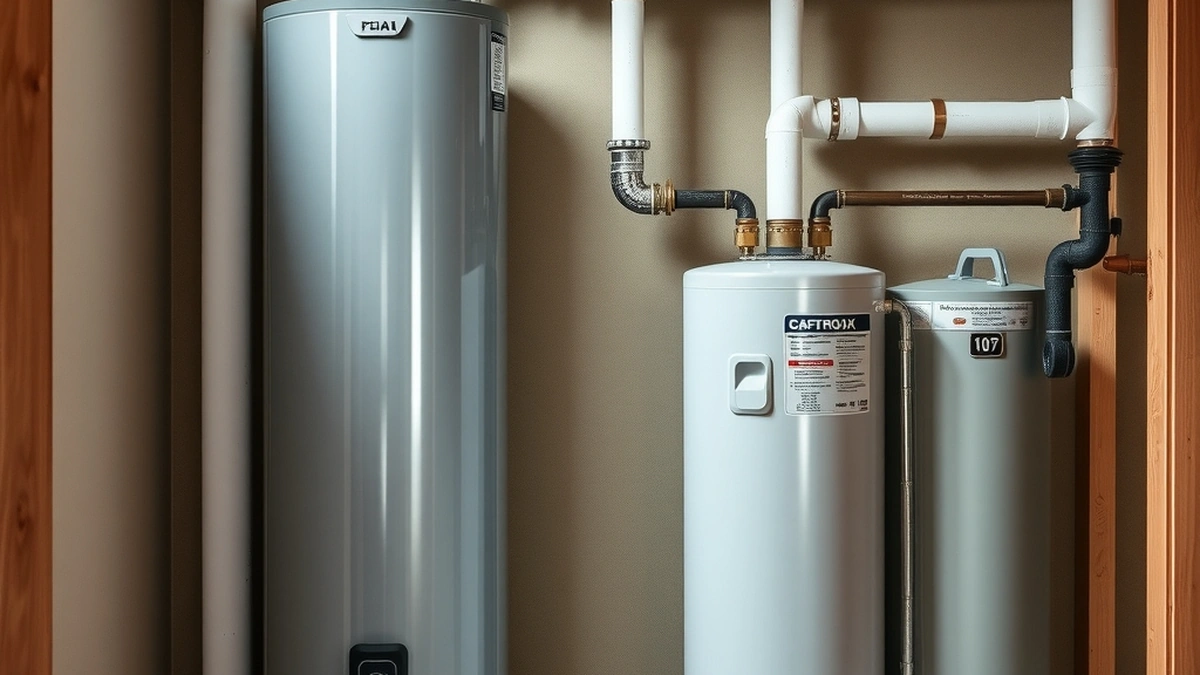
Softened water and water-heater life
Scale on a heater's elements and tank floor is what ends its life early. See how softening changes that, and the numbers that decide payback.
Read the guide →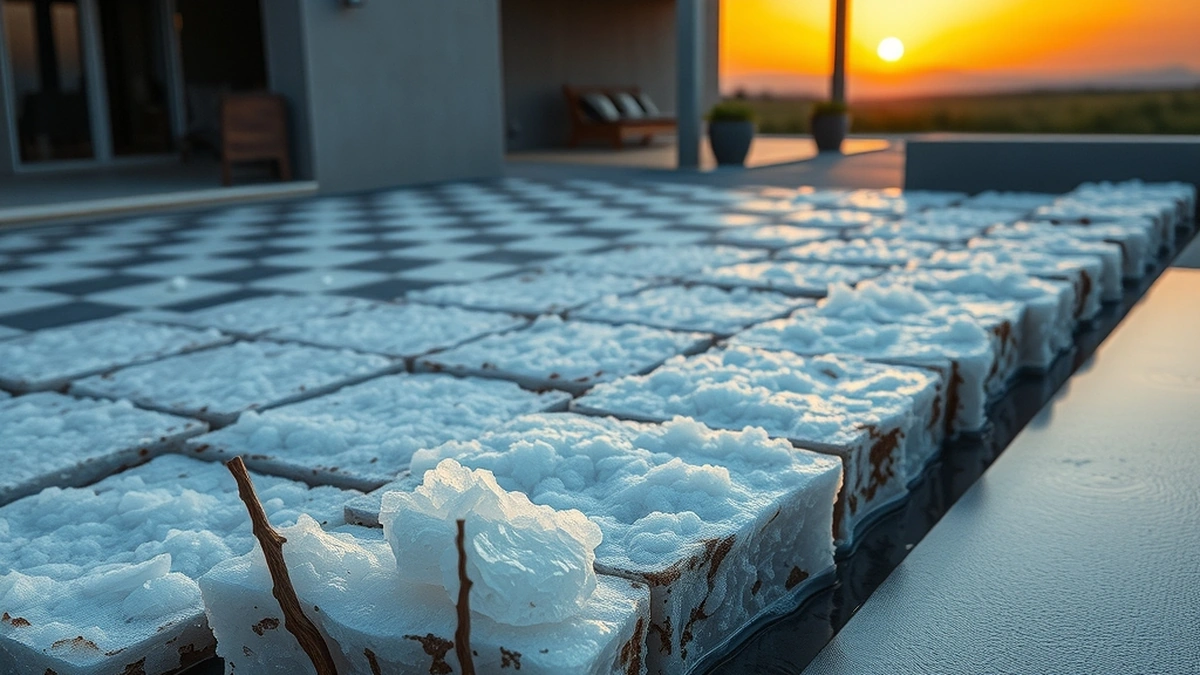
Solar Salt for Water Softeners: Sun-Dried and Cheap
Solar salt is evaporated from brine ponds, then graded for softeners. See how it differs from mined salt, what it costs, and where crystals beat pellets.
Read the guide →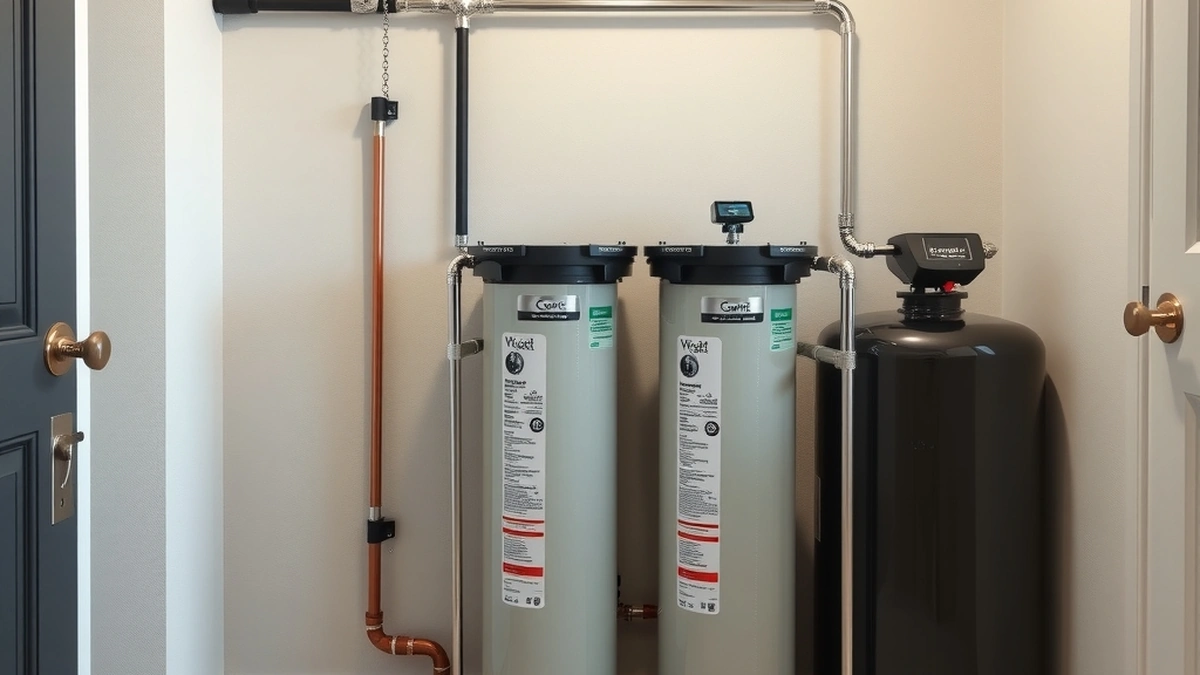
Springwell Salt Based Softener and Filter: What to Expect
Springwell sells direct-to-consumer softener and filter packages. See how the combination is configured, what it costs, and what to verify before buying.
Read the guide →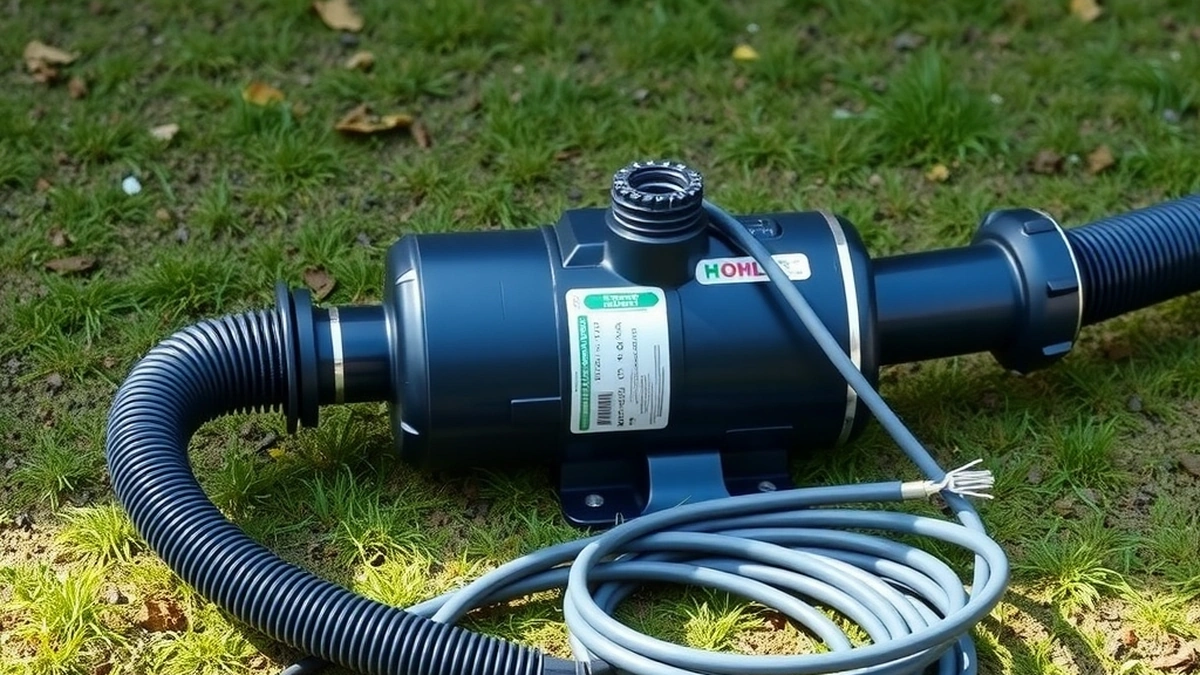
Submersible Well Water Pump: Sizing and Replacement
A submersible pump sits down the well and pushes water up. See how horsepower, depth, and flow are matched, plus replacement cost and failure signs.
Read the guide →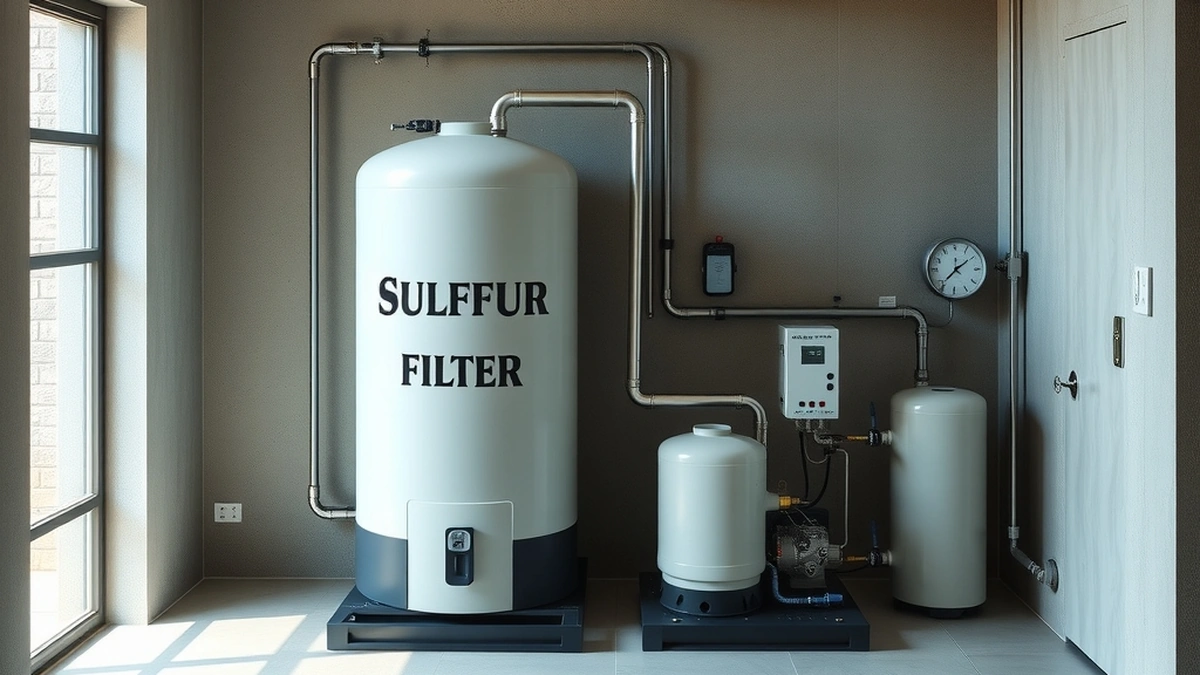
sulfur filter installation: what it involves
Sulfur filter installation takes 3-6 hours and costs $1,000-$3,000 installed. See oxidation choices, venting, backwash drain, and sizing by ppm.
Read the guide →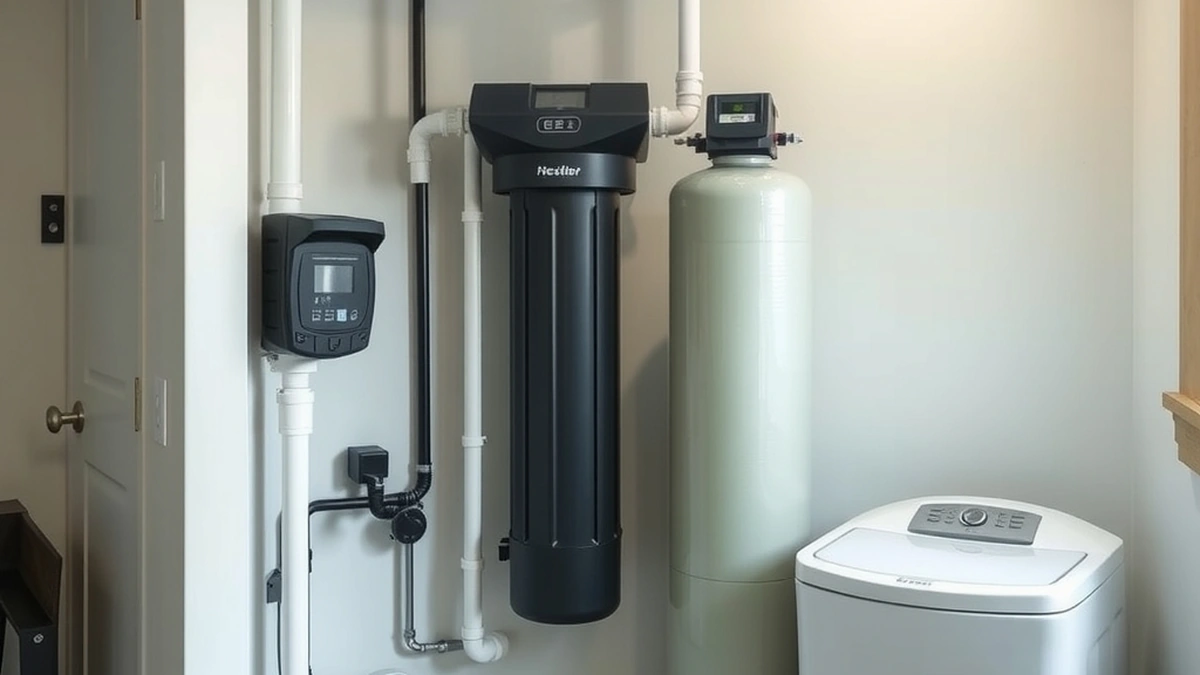
Sulfur Removal Options: Aeration, Catalytic Carbon.
Compare aeration, catalytic carbon, and peroxide systems for hydrogen sulfide removal, including installed cost, maintenance, and when to test first.
Read the guide →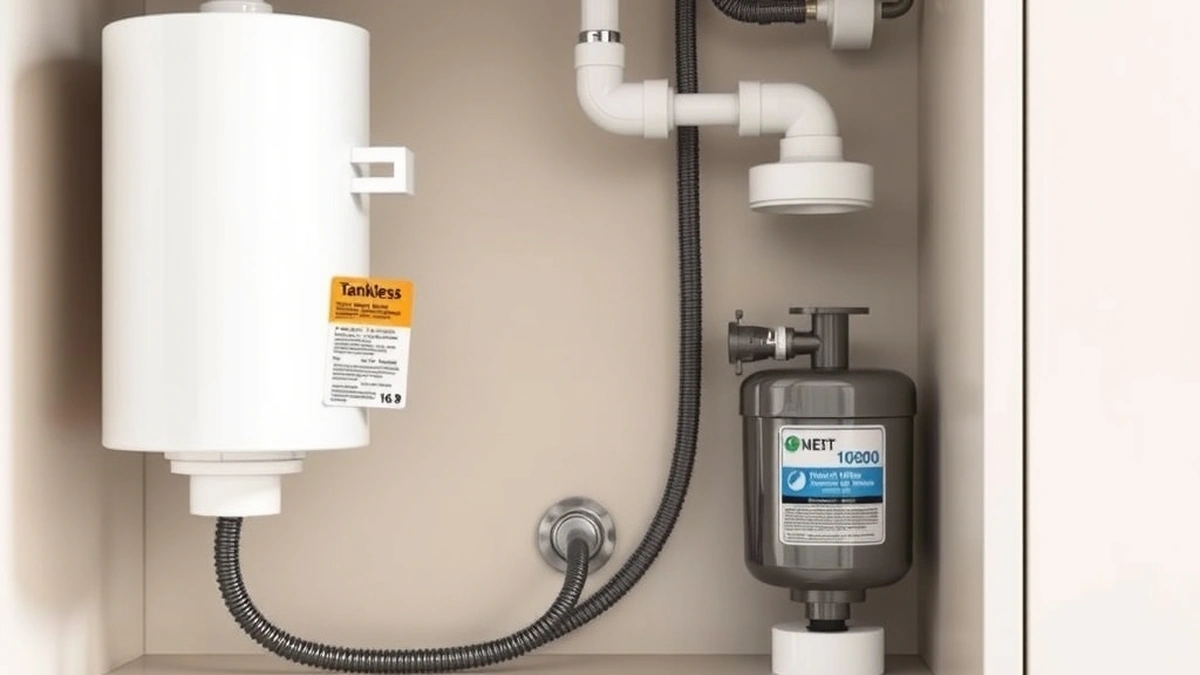
tankless reverse osmosis installation: what it involves
Tankless RO installs in 1-2 hours and costs $300-$900. See the outlet requirement, drain saddle, pump priming, and why it needs no storage tank.
Read the guide →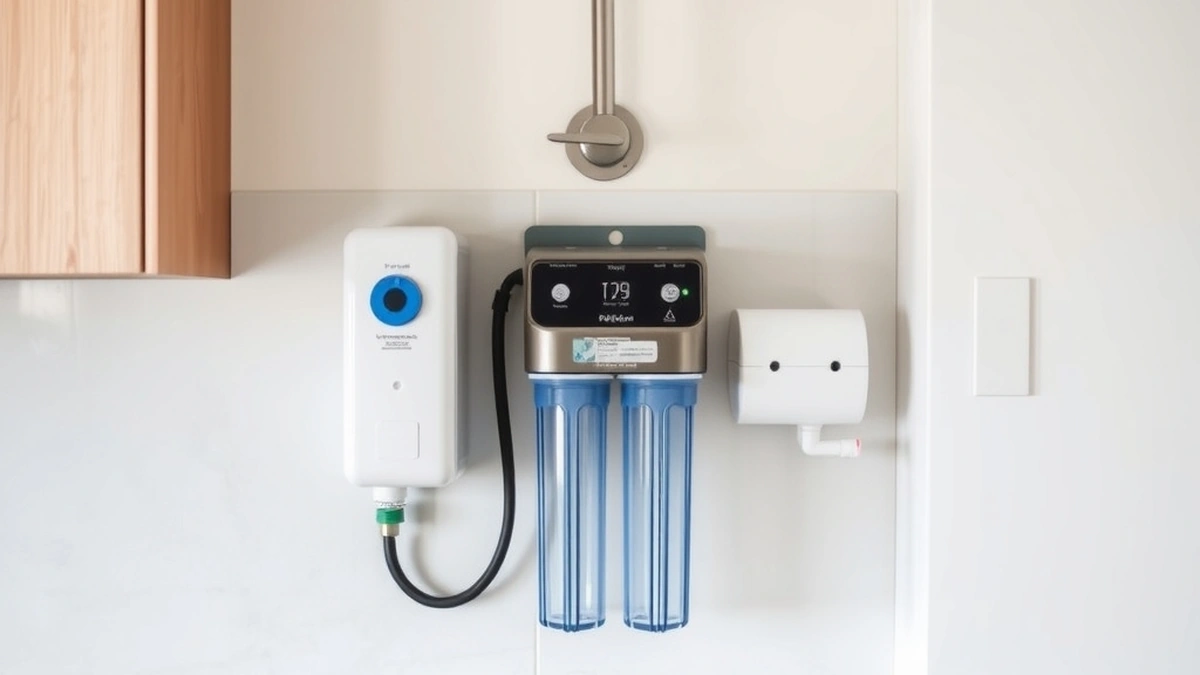
Tankless Reverse Osmosis System: Pros, Cons, Cost
Tankless RO systems produce water on demand with no storage tank. Compare flow rates, pressure needs, cost, and when a tank still makes more sense.
Read the guide →
Temporary vs Permanent Hardness: Differences and Treatment
Learn the difference between temporary and permanent hardness, how each is measured, and which treatment equipment fits each type.
Read the guide →
Truly Hard Sparkling Water: Hard Water and Carbonation
Hard sparkling water means two different things. See how carbonation behaves in hard tap water and what to feed a soda maker for clean, clear results.
Read the guide →
Under sink water filter
Under-sink filters put treated water at one tap without a pitcher. See the carbon and RO formats, install requirements, and cost per year.
Read the guide →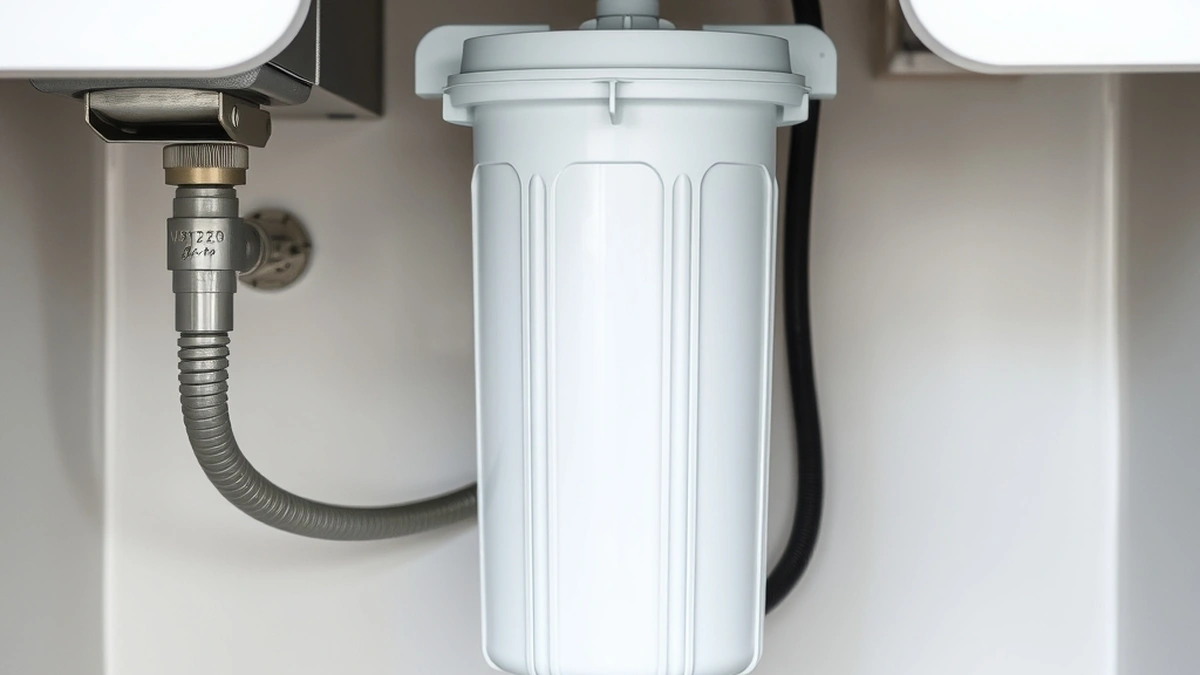
under sink water filter installation: what it involves
Under sink filter installation takes 30-90 minutes, needs no permit, and costs $0-$200 in labor. See the supply tee, faucet hole, and leak-check steps.
Read the guide →
UV water purifier installation: what it involves
UV purifier installation takes 1-3 hours and needs a 120V outlet, a bypass, and a sediment pre-filter. See point-of-entry versus under-sink setups.
Read the guide →
How a UV Water Steriliser Works: UV Treatment Basics
UV water sterilizers use ultraviolet light to inactivate microorganisms. Learn how the system works, lamp life, and what it costs.
Read the guide →
water distiller installation: what it involves
Water distiller installation needs no plumbing at all: 10 minutes to unpack and fill. See power draw, cost per gallon, and the cleaning routine.
Read the guide →
Water Filter and Salt Based Softener: A Combined System
A carbon filter ahead of a salt-based softener removes chlorine, taste, and hardness in one package. See why order matters and what the combination costs.
Read the guide →
The 10-inch cartridge standard, and why it matters
Most under-sink and whole-house filters use a 10-inch cartridge. See the exact dimensions, the slim versus big blue split, and what interchanges.
Read the guide →
Water Filtration for a Rental Apartment: Options and Costs
Practical filtration choices for renters, including pitcher, faucet, and under-sink systems, with installed cost and maintenance numbers.
Read the guide →
Water filter for sink
Faucet-mount, under-sink, and countertop filters all attach to a sink but treat different volumes. Compare flow, cost, and what each removes.
Read the guide →
Water filter pitcher filters
Pitcher cartridges differ in media, rated volume, and certification. See how to match a replacement to the pitcher and when a cartridge is exhausted.
Read the guide →
Water filter system
A water filter system is a staged train of housings, not one cartridge. See the point-of-entry and point-of-use formats, sizing, and installed costs.
Read the guide →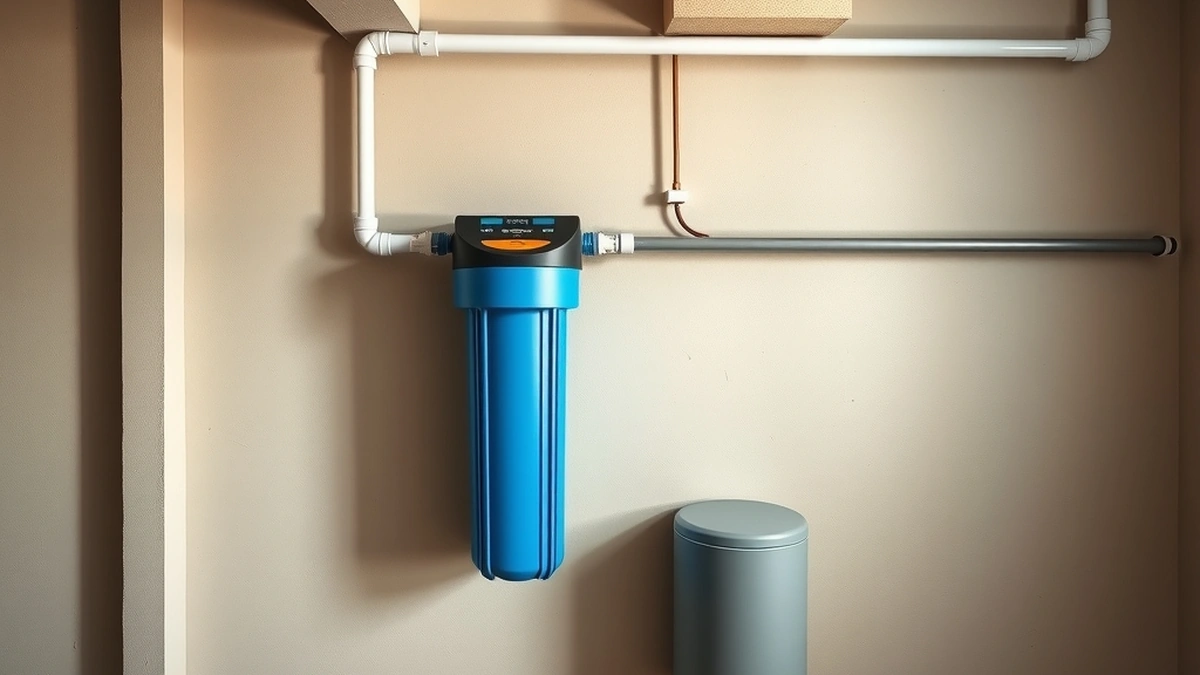
Water filter system for home
A home filter system is sized to the house's flow and staged to the water report. See the formats, the stage order, and the installed cost of each.
Read the guide →
Water hardness test kit
How hardness test kits work, how accurate strips and drop tests are, and how to read the result in grains per gallon.
Read the guide →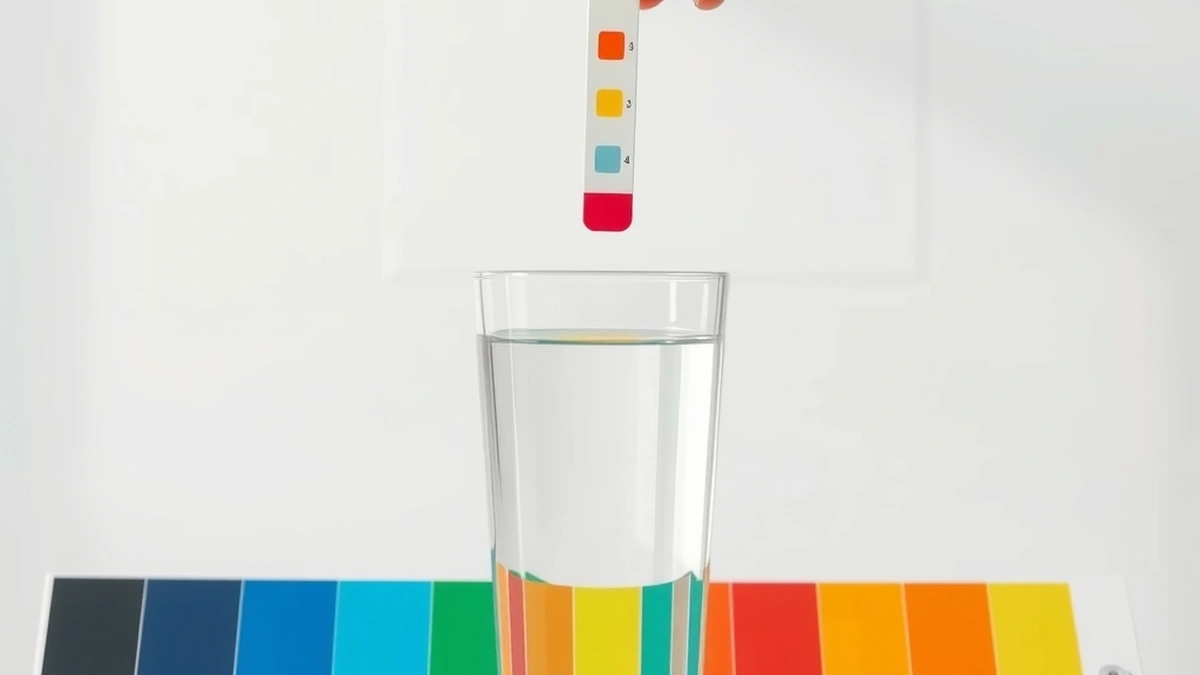
Water Hardness Test Strips: Accuracy and Use
Hardness strips read 0-25 GPG in seconds and cost under $25. See how accurate they are, how to use them, and when a lab test is the better call.
Read the guide →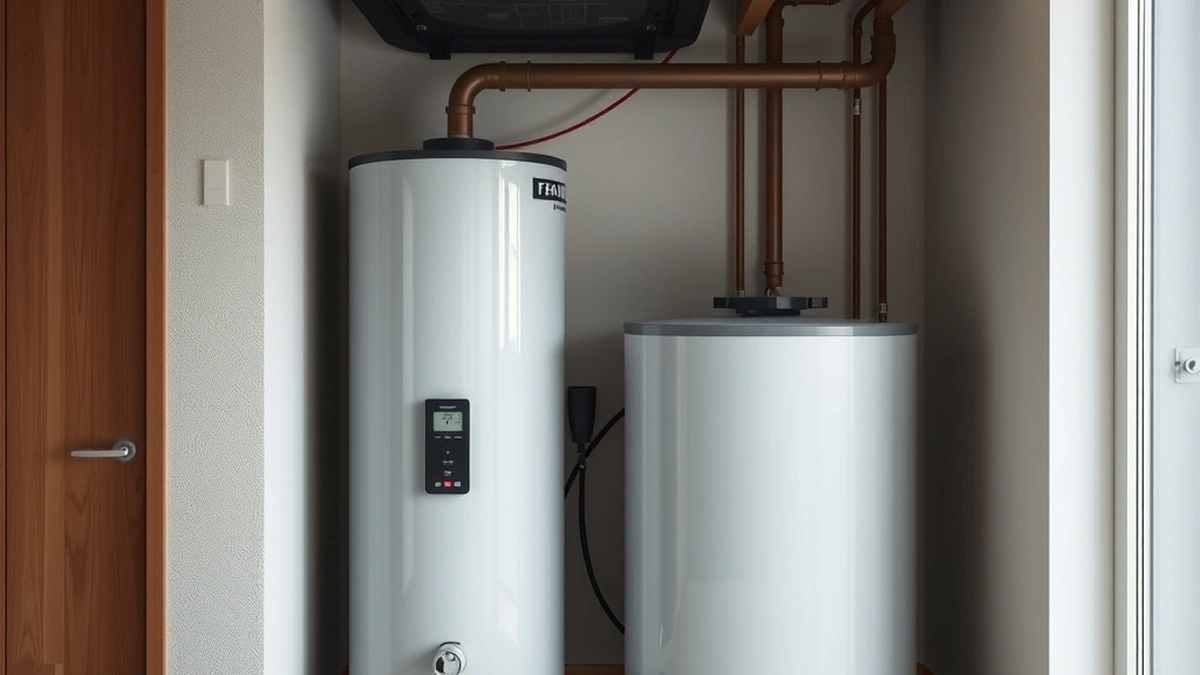
Acid Neutralisers for Corrosive Water: What They Cost
How acid neutralisers treat corrosive well water, plus installed cost, media life, and sizing math.
Read the guide →
water softener alternative installation: what it involves
Salt-free softener alternatives install in 2-4 hours and cost $500-$1,800. See conditioner, descaler, and cartridge formats and what each needs.
Read the guide →
The Bypass Valve: What It Does and When to Use It
A water softener bypass valve routes water around the softener for service, outdoor use, or emergencies. Learn how it works and when to operate it.
Read the guide →
Capacity vs flow rate: two different limits
Grain capacity and flow rate are separate limits on a softener. A big tank can still choke a shower. See how each is measured and how to size both.
Read the guide →
Water softener companies near me
Dealers, independents, and franchise installers price softeners differently. See how to compare them, vet licensing, and avoid a lease you cannot exit.
Read the guide →
Grain Capacity Explained: 24k, 32k, 48k, 64k Water.
How water softener grain capacity works, how to size 24k, 32k, 48k, and 64k units, and what they cost installed.
Read the guide →
Can You Install a Softener in a Condo?
Condo softener installation rules, costs, and alternatives for shared plumbing.
Read the guide →
Water softener installation
A softener install runs $500 to $1,500 in labor on top of $600 to $2,500 in equipment. See the site checks, the sequence, and what to verify after.
Read the guide →
Water softener installation near me
How to find and vet a local softener installer, what the installation should include, and what a fair quote looks like.
Read the guide →
Water softener near me
How to find and vet a local softener installer: what to ask, what a fair quote contains, and how to compare dealer and independent pricing.
Read the guide →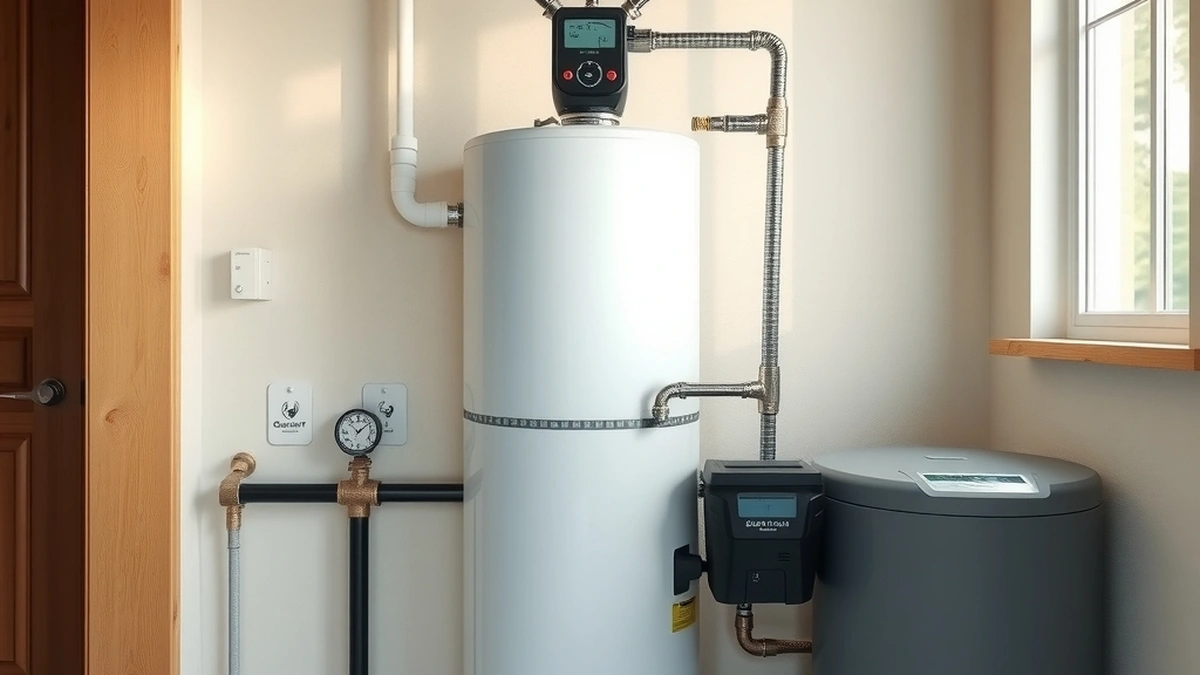
Regeneration Explained: Brine, Backwash, Fast Rinse
How water softener regeneration works, what each cycle does, and what it costs in salt and water.
Read the guide →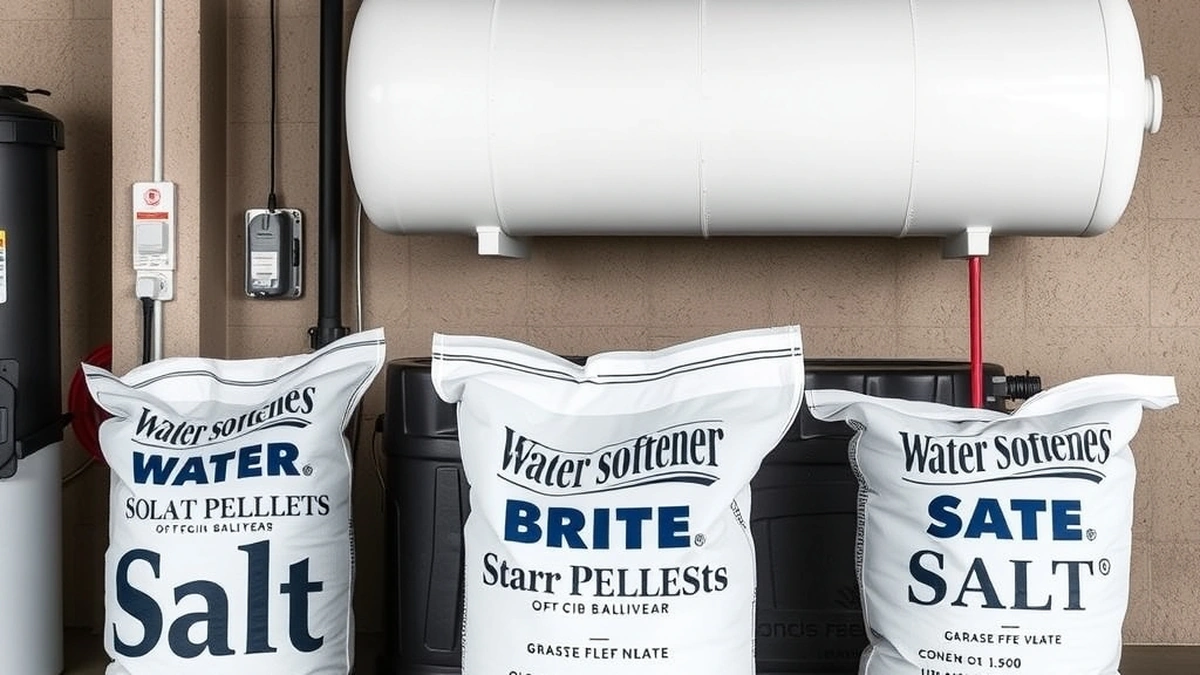
Water softener salt
Pellets, crystals, blocks, and potassium chloride differ in purity, residue, and price. See which salt to use and what it costs per year.
Read the guide →
Water Softener Salt Bridge: Diagnosis and Fix
A salt bridge is a hard crust that starves the brine draw while the tank looks full. See how to test for it, break it, and stop it coming back.
Read the guide →
Water Softener Salt Crystals: Cheaper but Messier
Solar salt crystals cost less per bag than pellets but leave more tank sludge. See how they dissolve, when they bridge, and whether the savings hold.
Read the guide →
Water Softener Salt Delivery: Cost and How It Works
Salt delivery services bring 40-pound bags or pallets to your door for a per-bag premium. Compare delivered versus retail pricing and set up a schedule.
Read the guide →
Water Softener Salt Delivery Service: Contracts and Costs
A salt delivery service drops bags or pallets on a schedule, sometimes filling the tank. Compare service tiers, contract terms, and per-drop pricing.
Read the guide →
water softener salt installation: what it involves
Softener salt installation is a 15-minute job: fill the brine tank, keep the level above water, and set the dose. See salt types, doses, and costs.
Read the guide →
Water Softener Salt Near Me: Where to Buy and What to Pay
Hardware stores, farm supply, warehouse clubs, and water dealers all stock softener salt at different prices. Compare channels and bag sizes before driving.
Read the guide →
Water Softener Salt Pellets: Why Most Homes Use Them
Salt pellets are compressed solar salt that dissolves cleanly and leaves little tank sludge. Compare pellets, crystals, and blocks on price and residue.
Read the guide →
Water Softener Salts: A Buying Guide to Every Type
Pellets, crystals, blocks, potassium chloride, and additive blends all feed a softener. Compare purity, price, and which one your tank actually needs.
Read the guide →
Water softener service
What a softener service visit includes, how often to schedule one, what it costs, and which tasks you can do yourself between visits.
Read the guide →
Water softener service near me
What a local softener service visit covers, when to book one, and what to check before the technician arrives.
Read the guide →
What size softener a family of four needs
A family of four on 10 GPG water needs roughly 3,000 grains per day, which points to a 32,000 to 48,000 grain softener. The sizing math, step by step.
Read the guide →
Sizing a Water Softener: The Grains-Per-Day Arithmetic
Calculate daily grain load from hardness and water use, then match it to softener capacity, salt use, and installed cost.
Read the guide →
Water softener systems
Single tank, twin tank, and cabinet softener systems differ in space, flow, and regeneration. See how each is configured and what it costs installed.
Read the guide →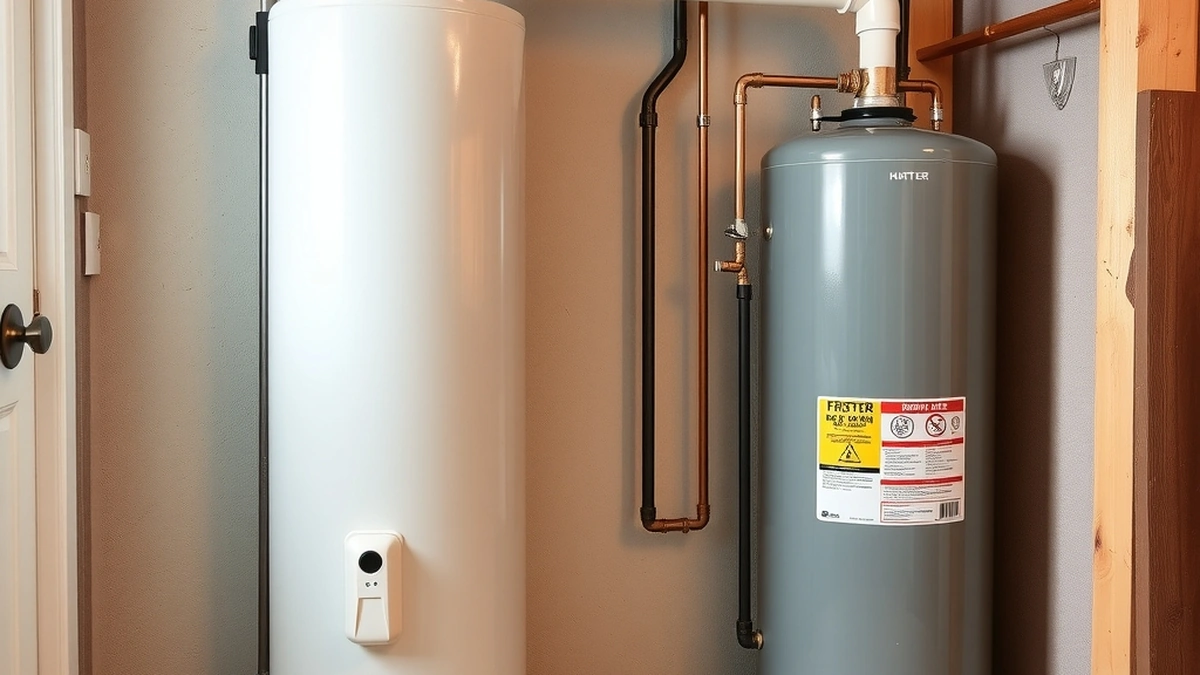
Water softeners
How water softeners work, what they cost to buy and run, what they remove, and the maintenance that keeps them softening for a decade or more.
Read the guide →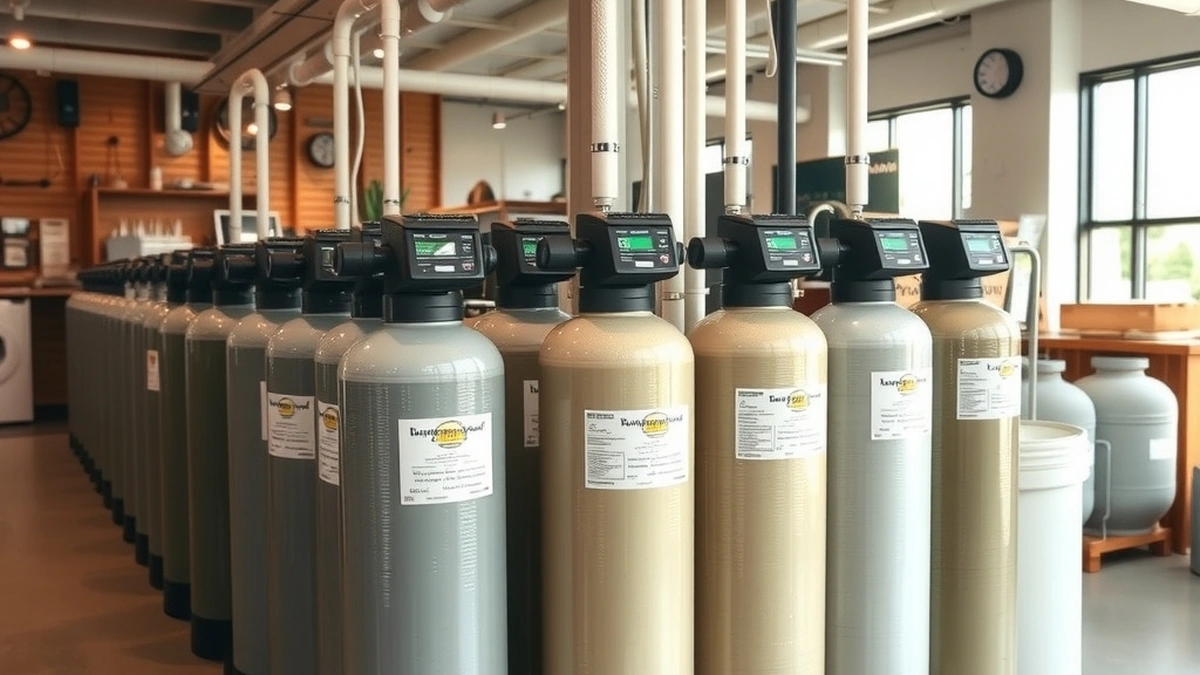
Water softeners near me
Where to buy a water softener locally, how dealer, plumbing, and retail channels compare, and what the installed price should include.
Read the guide →
Water test for well water
How to arrange a proper well water test, which lab to use, how to sample, and how to read bacteria, nitrate, and mineral results.
Read the guide →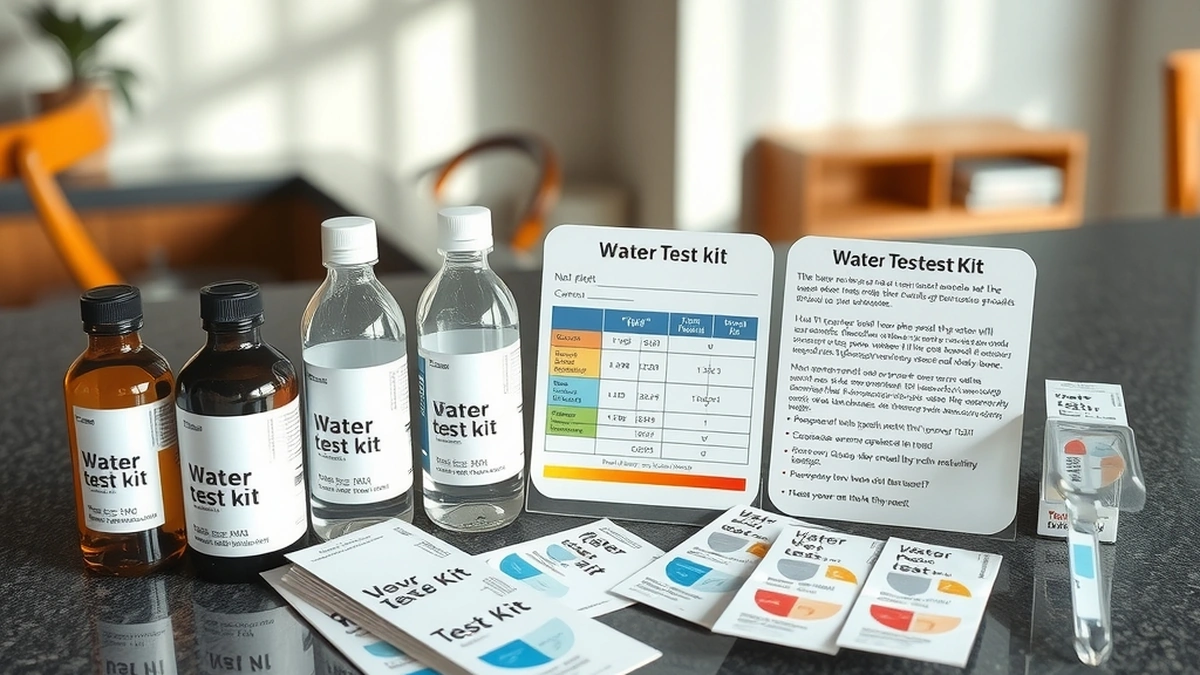
water test kit installation: what it involves
A water test kit needs no plumbing: setup is 5 minutes of unpacking plus a sampling routine. See strip, meter, and lab kit choices and how to sample.
Read the guide →
Water Tests for Wells: What to Test and When
Private wells need annual bacteria and nitrate tests plus periodic metals screening. See the full panel, lab costs, and how to take a sample that holds up.
Read the guide →
Water well basics: casing, pump and testing
How a private water well works, from casing and screen to pump and pressure tank, and what a well owner has to test and maintain.
Read the guide →
Water well pump
How submersible and jet well pumps work, how to size one by flow and head, and what pressure settings a household needs.
Read the guide →
Water Well Service Near Me: What It Costs and Who to Call
Well service covers inspection, pump repair, and water testing. See typical prices, the credentials to check, and what to ask before a crew arrives.
Read the guide →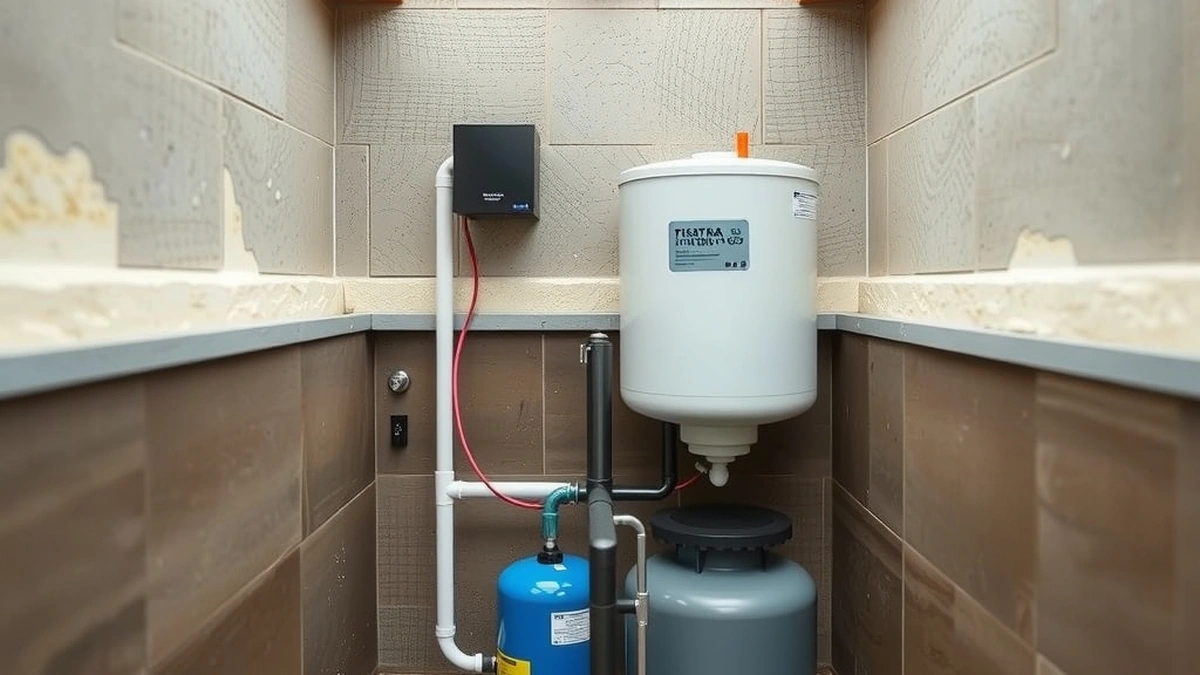
Water Wells and Pumps: How a Private System Works
A private system is a well, casing, submersible pump, pressure tank, and switch. See how each part works and what sizing decisions drive the cost.
Read the guide →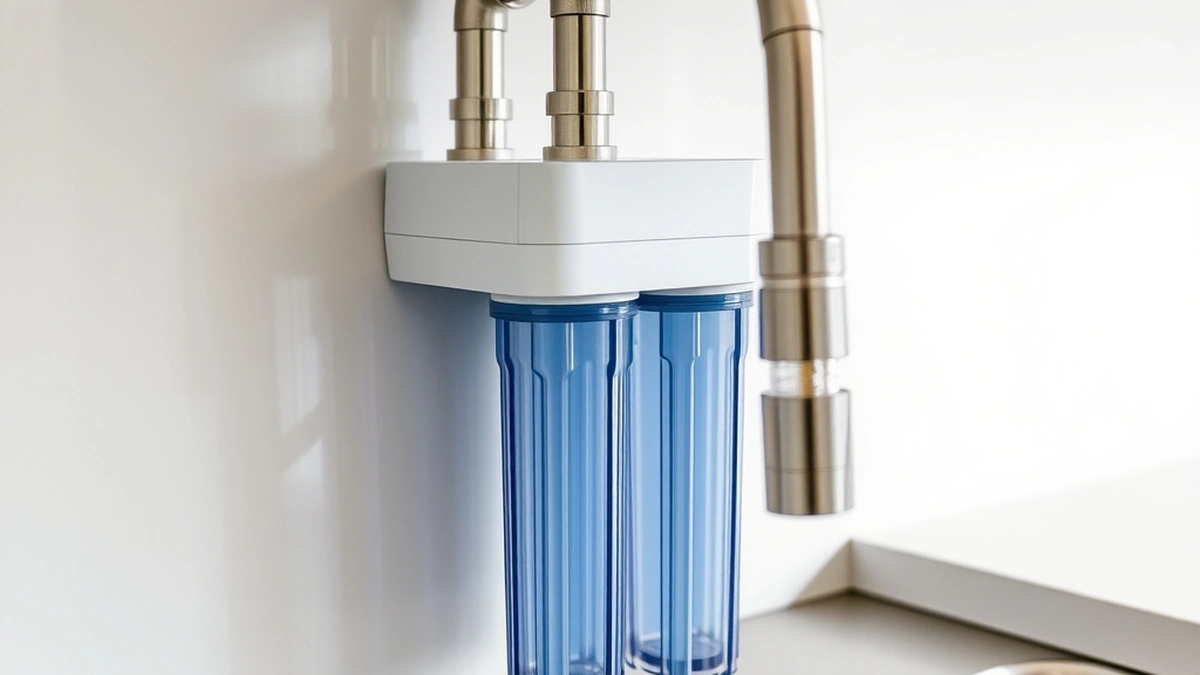
Waterdrop Reverse Osmosis: Lineup, Cost, Filters
Waterdrop sells under-sink, tankless, and countertop RO systems from $200 to $800. See how the categories differ and what filters cost per year.
Read the guide →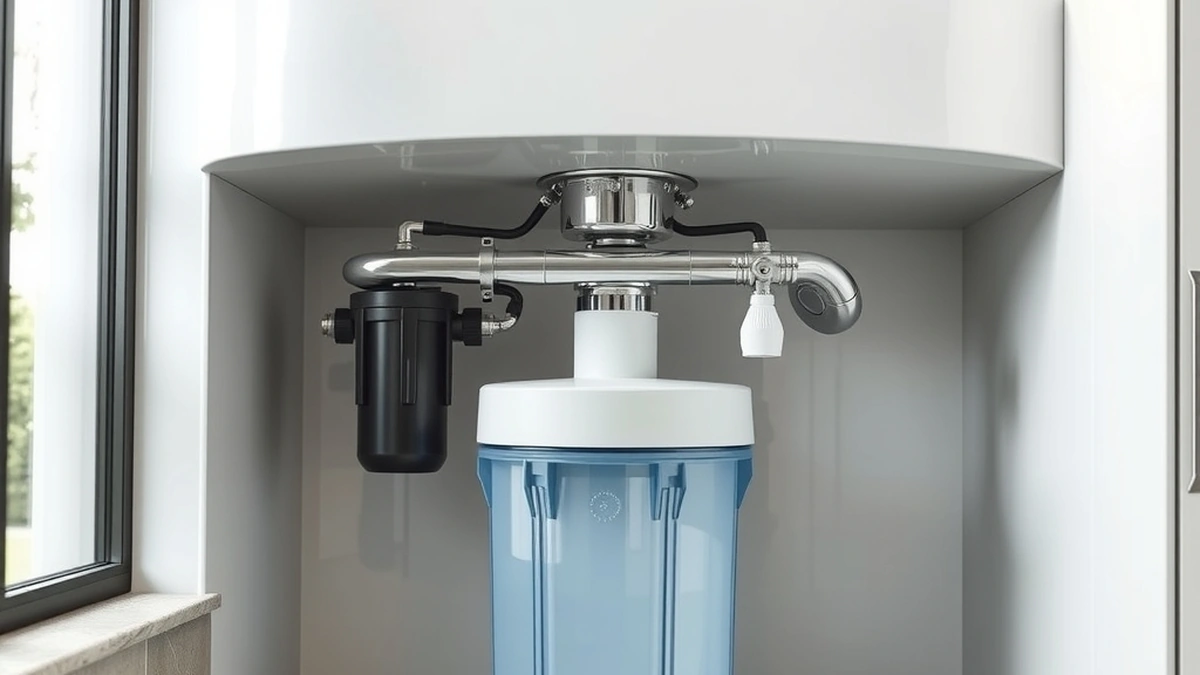
Waterdrop water filter
Waterdrop sells under-sink RO systems and fridge cartridges, often at lower prices than OEM. See the stage layout, running costs, and certification checks.
Read the guide →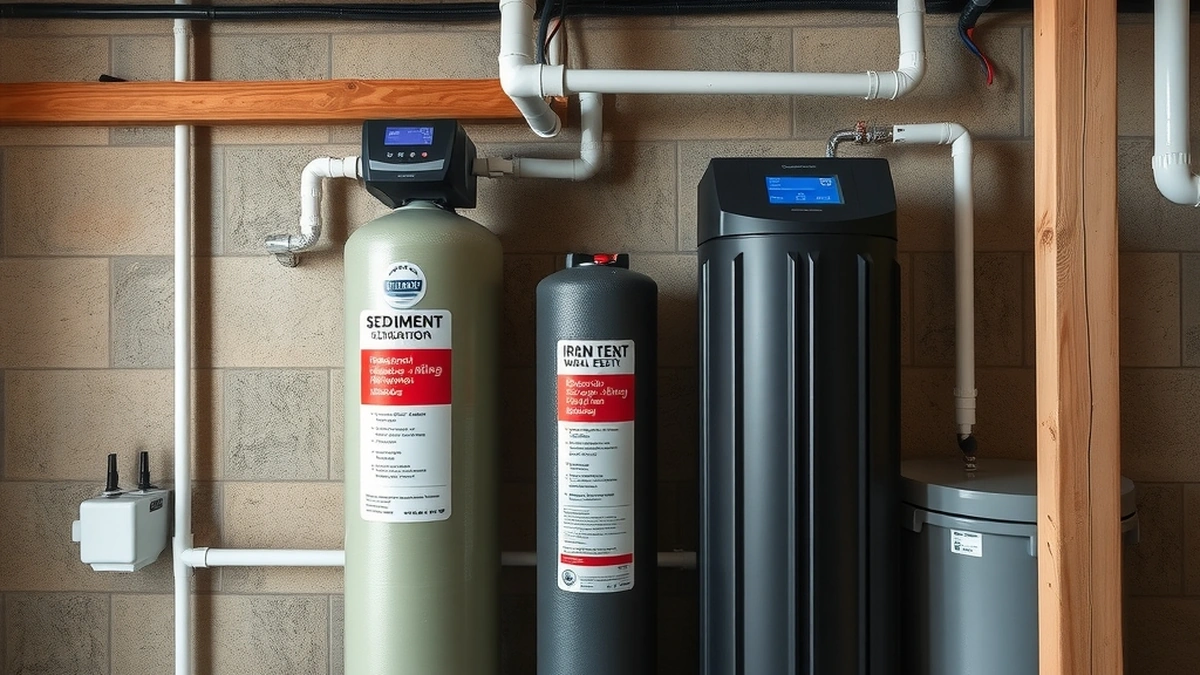
Well water filtration system
Well water needs staged filtration matched to the lab report. See the order for sediment, iron, sulfur, carbon, and UV, with installed costs for each.
Read the guide →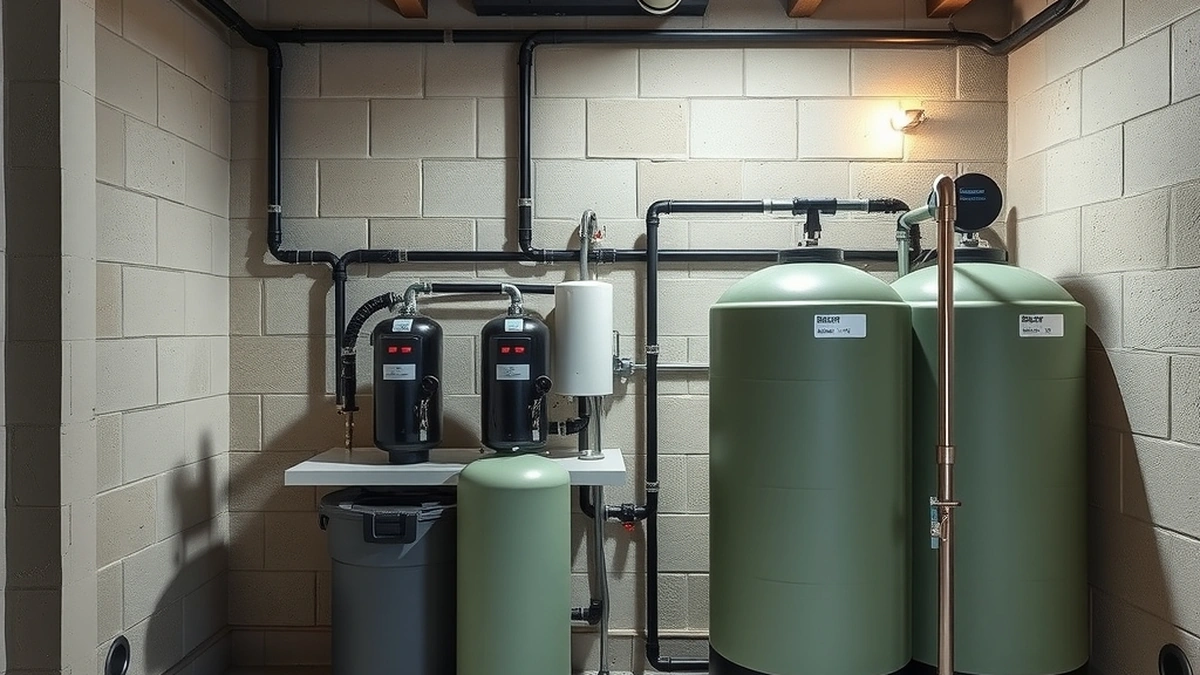
Well water filtration systems
How to build a well water filtration train for sediment, iron, sulfur, and taste, with sizing and cost ranges for each stage.
Read the guide →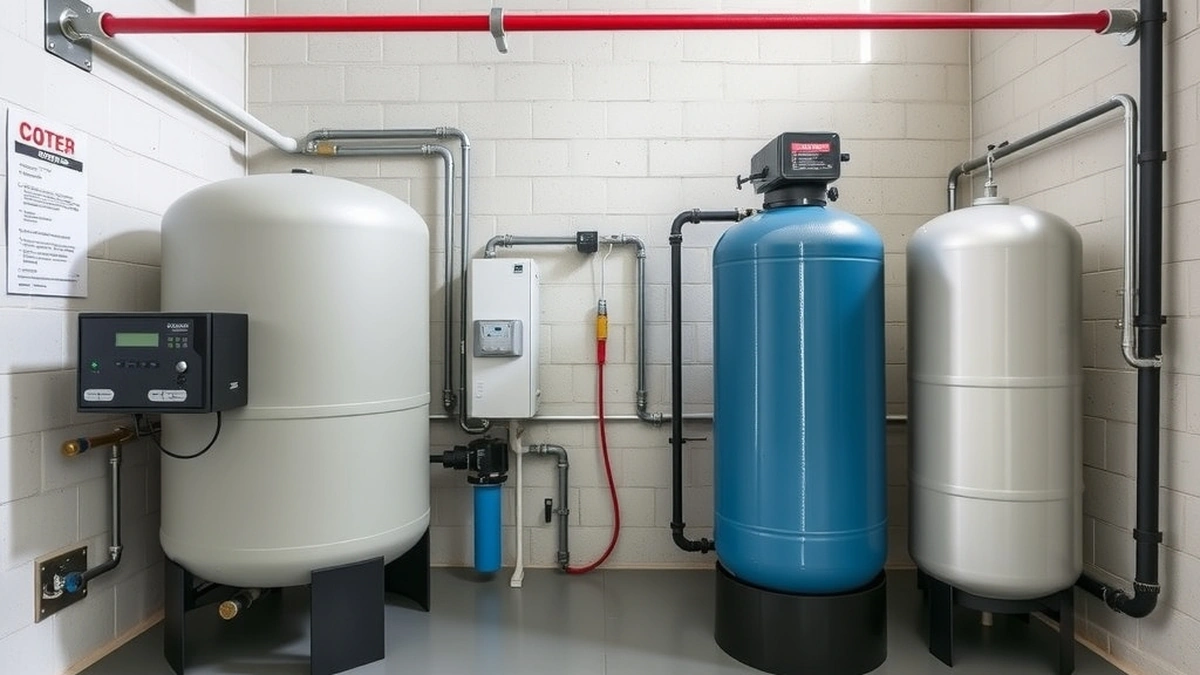
Well Water Purification System: Building the Right Train
A well water purification system is a stack of filters matched to your lab report. See the order of stages, what each costs, and how to size the flow.
Read the guide →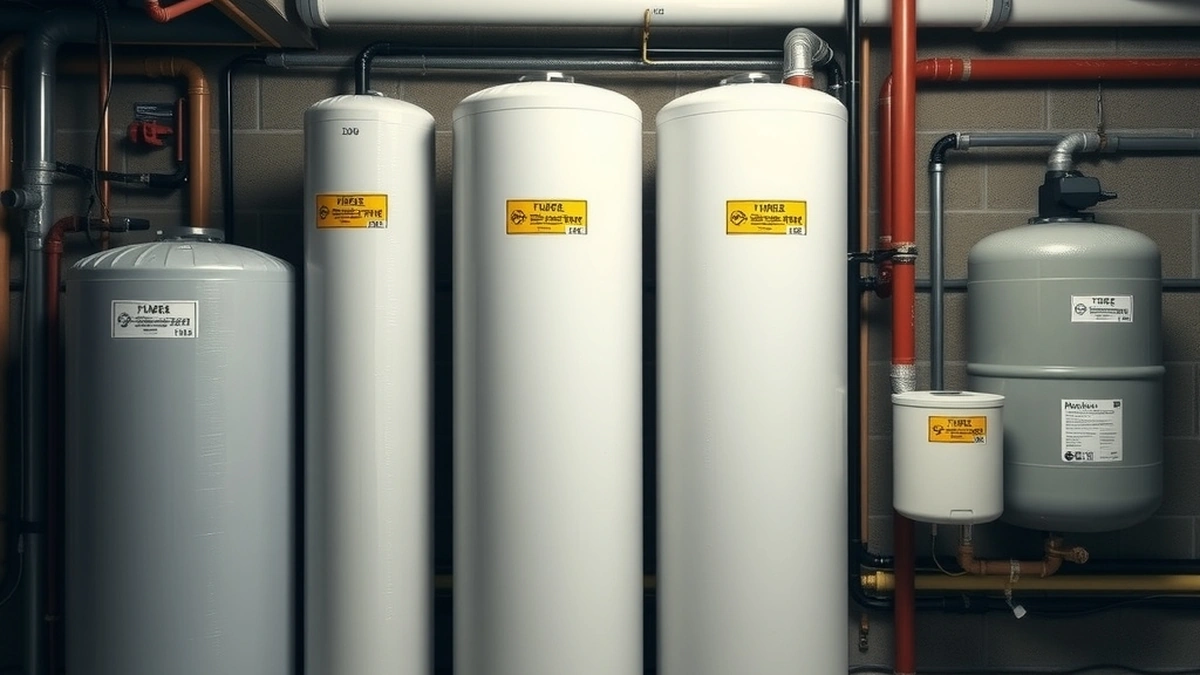
How a well water treatment system is laid out
The order of components in a well water system decides whether each stage works. See the standard chain, why it runs that way, and what to place first.
Read the guide →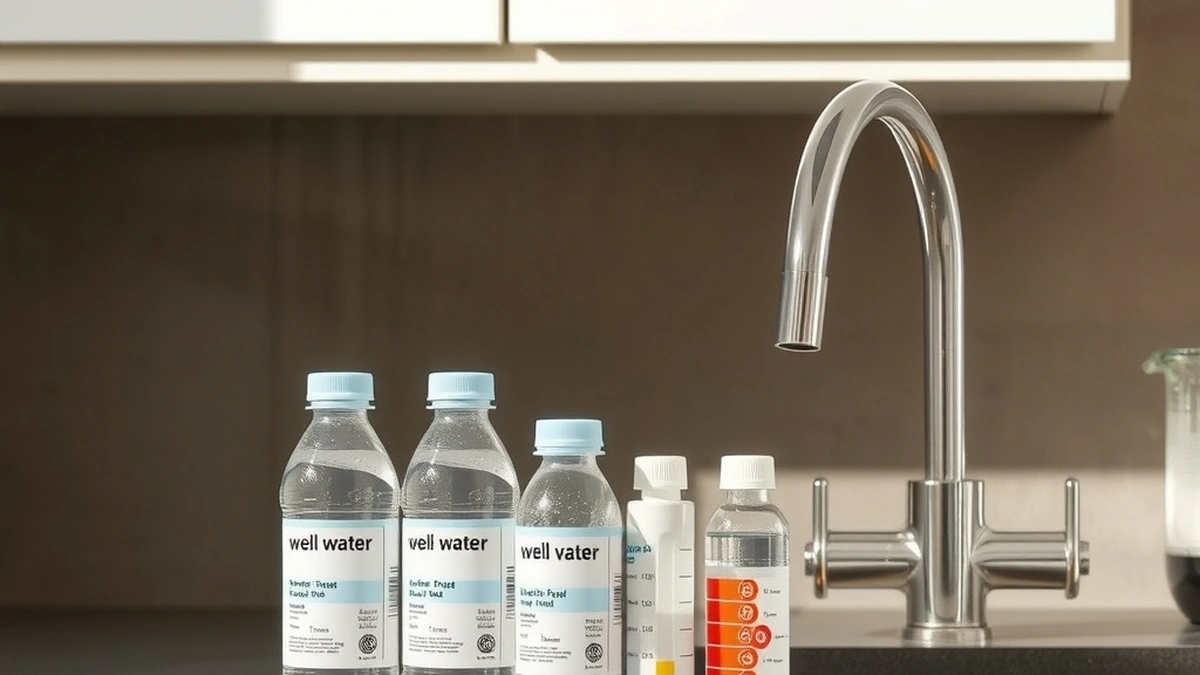
Well water test kit
What to test in private well water, which kits are worth buying, and how to read bacteria, nitrate, and mineral results.
Read the guide →
Well water testing
What to test for on a private well, how often, what a lab panel costs, and how to take a sample that produces a usable result.
Read the guide →
Well water testing near me
How to find a certified lab or county program near you, what to ask, and how to avoid the free-test sales visit that ends in a $6,000 quote.
Read the guide →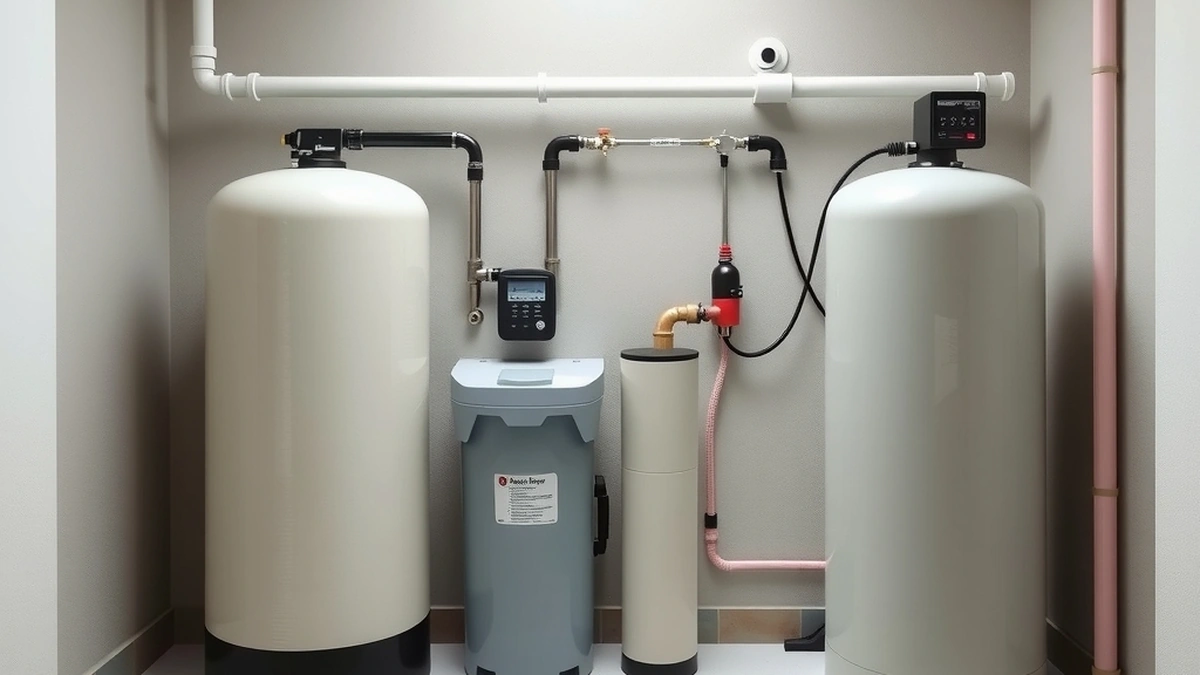
Well Water Treatment: Match the System to the Test
Well water treatment follows the lab report: hardness, iron, sulfur, sediment, bacteria, nitrate. See which stage fixes which symptom and what it costs.
Read the guide →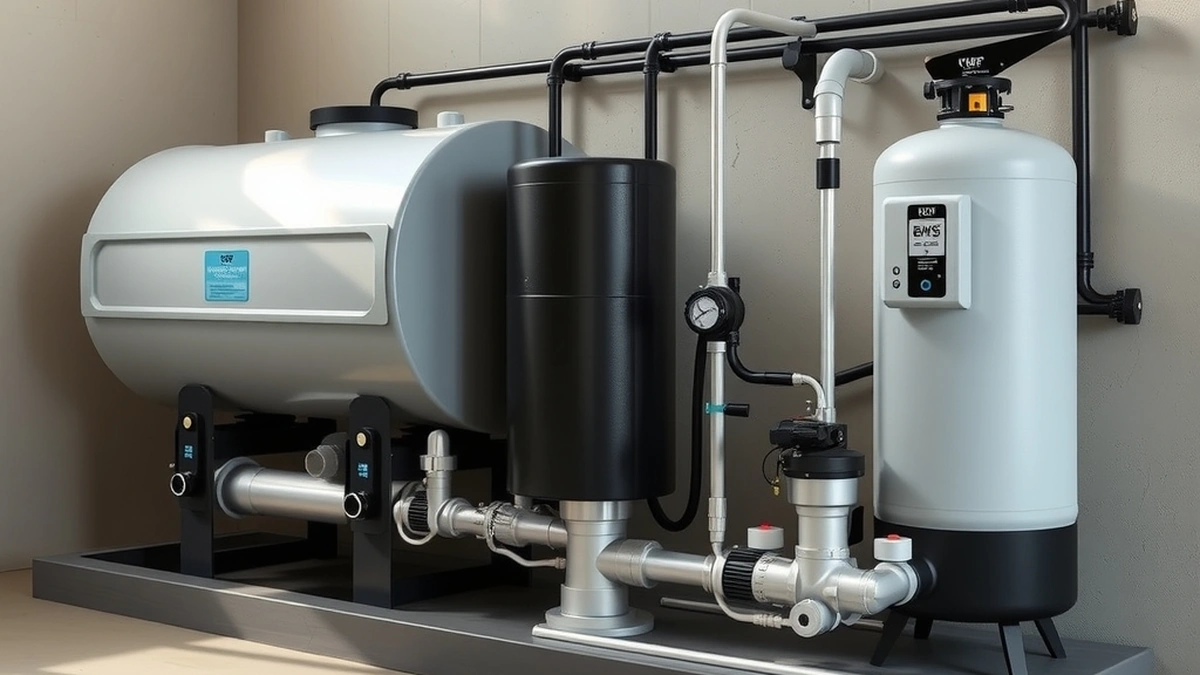
well water treatment system installation: what it involves
A well treatment train takes 1-2 days to install and costs $2,000-$8,000. See the typical stack, drain and power needs, and how to phase the purchase.
Read the guide →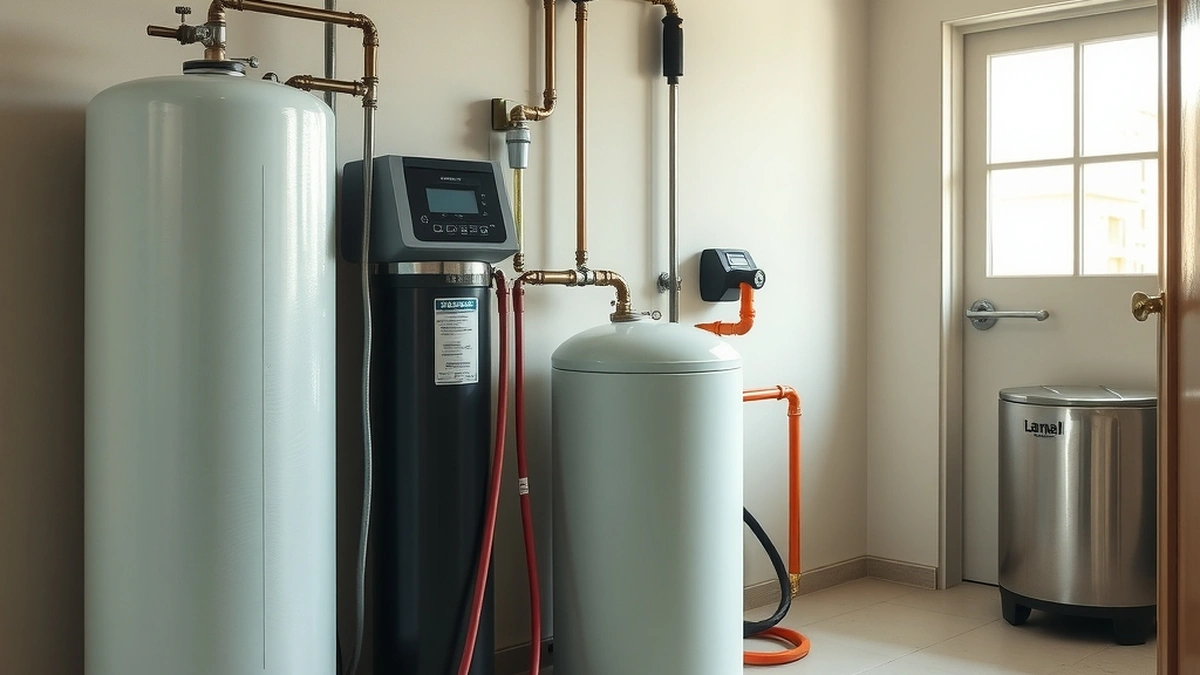
Well water treatment systems
How to design a well water treatment system for bacteria, nitrate, iron, and hardness, and which stage has to come first.
Read the guide →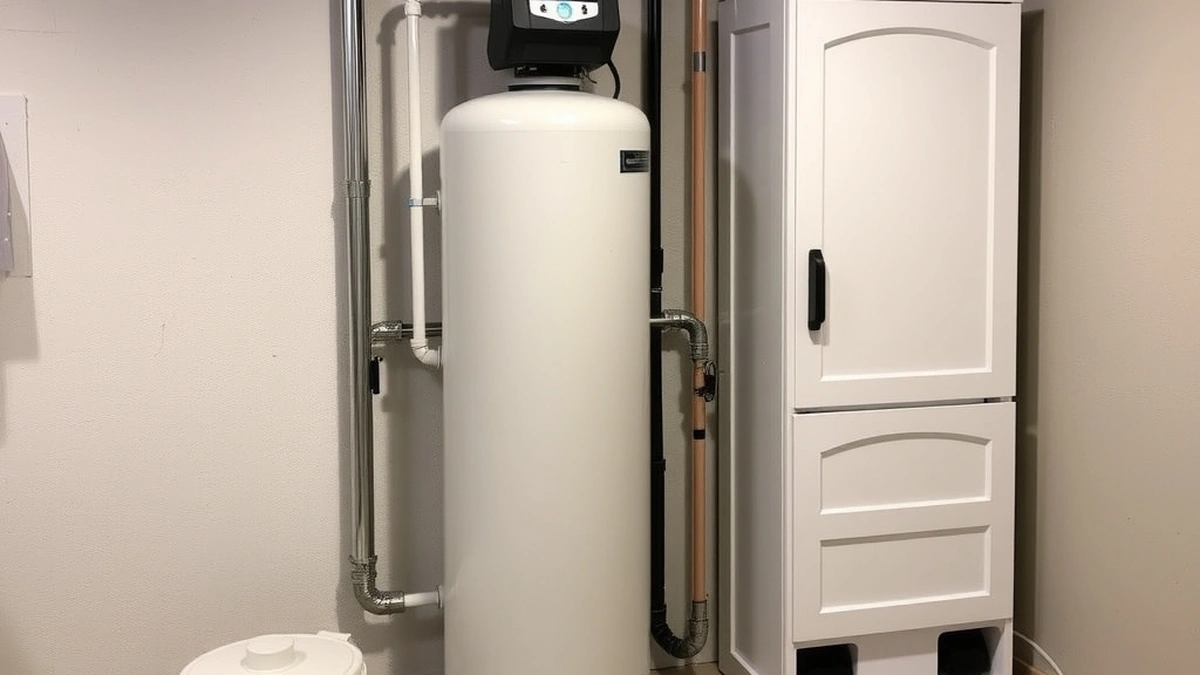
What a Water Softener Removes — and What It Does Not
A water softener removes hardness minerals like calcium and magnesium, but not chlorine, bacteria, or dissolved solids. Here is what it does and does not treat.
Read the guide →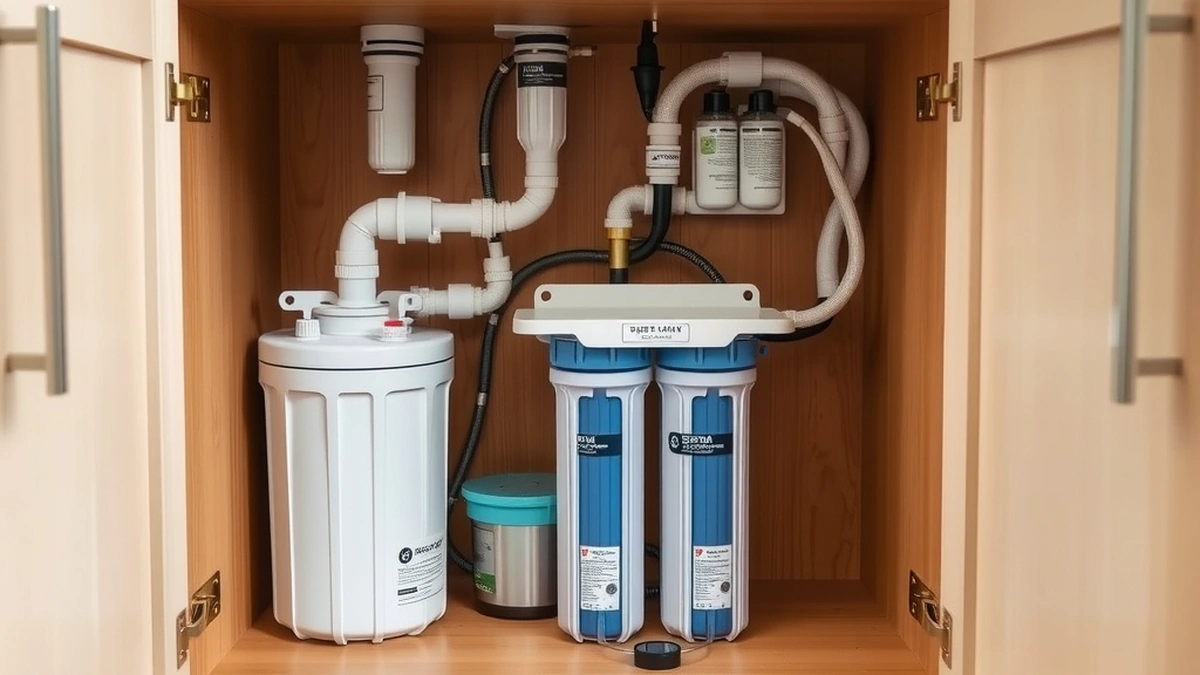
What Reverse Osmosis Removes (and What Passes Through)
What Reverse Osmosis Removes (and What Passes Through): practical numbers, costs, and trade-offs, written independently.
Read the guide →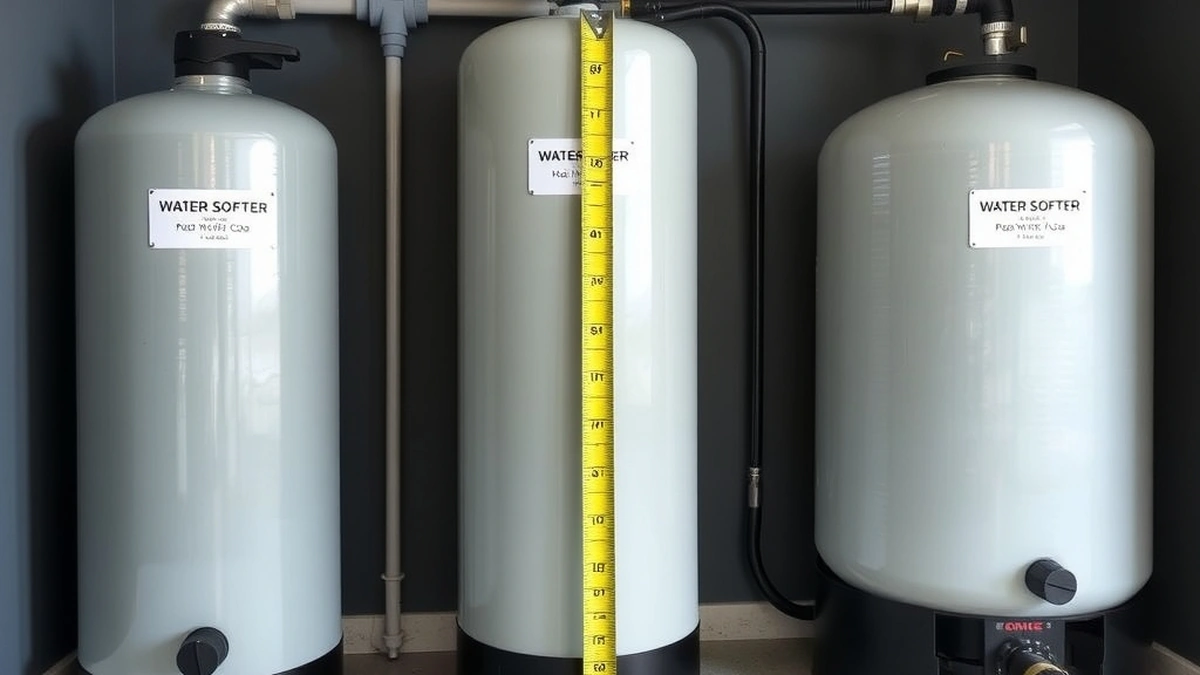
What Size Water Softener Do I Need? Worked Examples
Size a softener with two numbers: grains per gallon and daily gallons. See worked examples for three households, flow requirements, and reserve capacity.
Read the guide →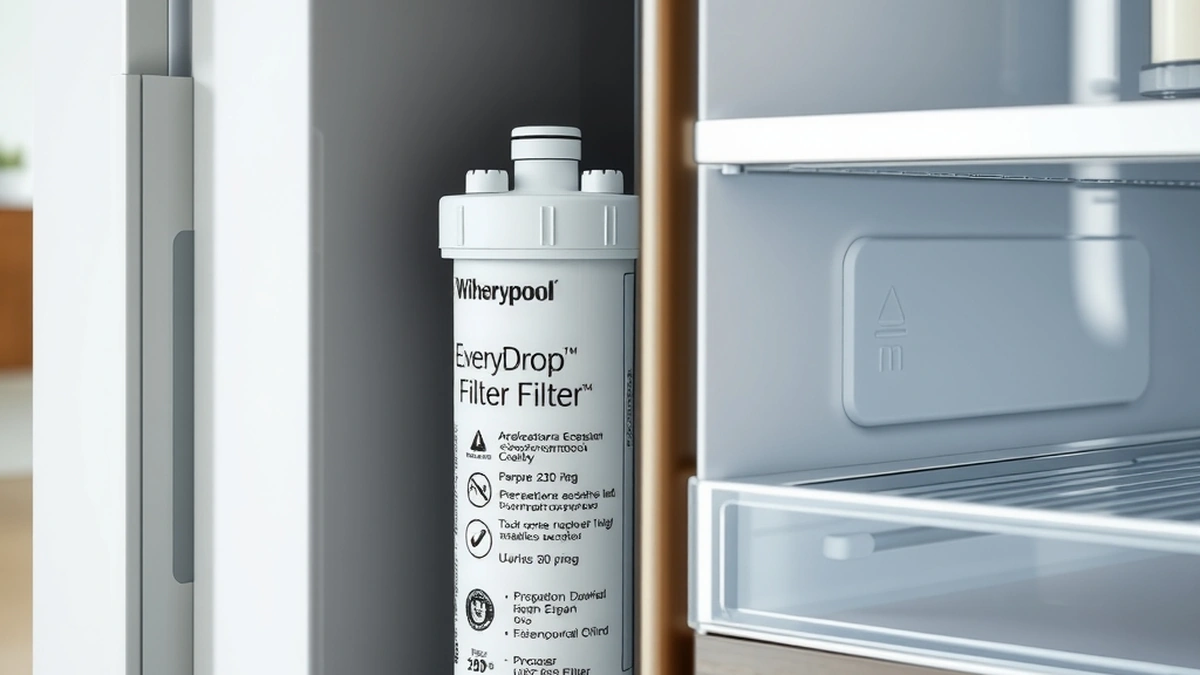
Whirlpool refrigerator water filter
Whirlpool fridge filters use EveryDrop cartridges keyed by model. See how to find the right number, what certification means, and when to change it.
Read the guide →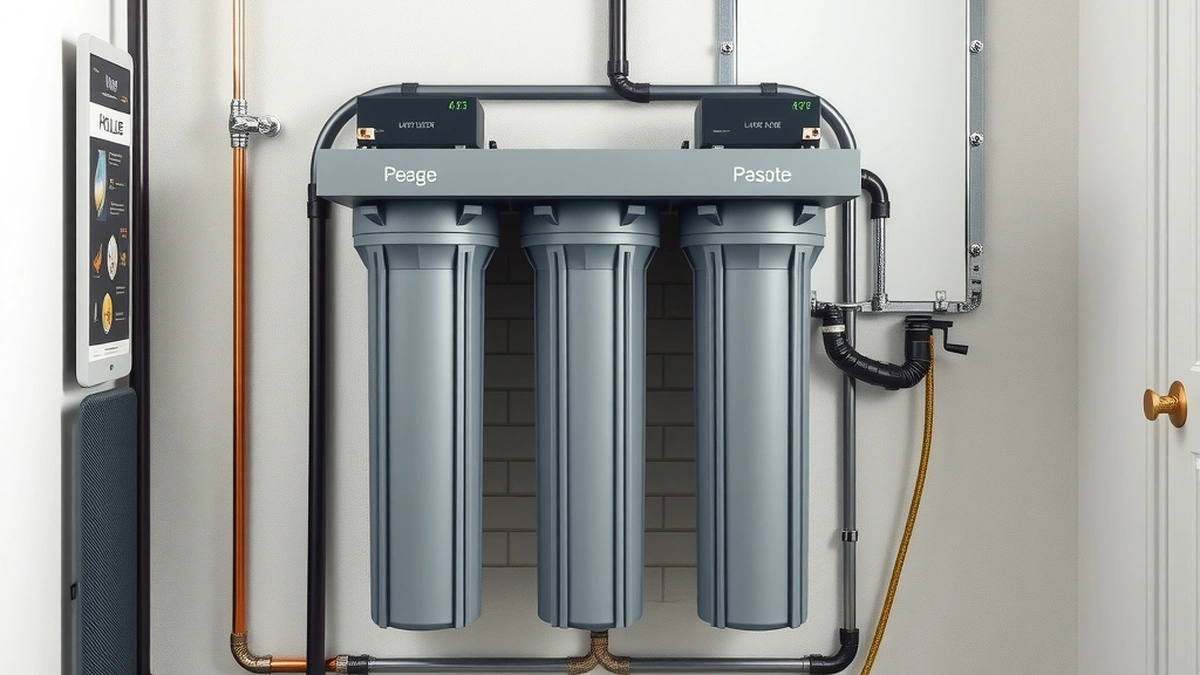
Whole home water filter
A whole home filter treats every tap at the point of entry. See the two-stage setup, the flow and pressure rules, and what it costs to install and run.
Read the guide →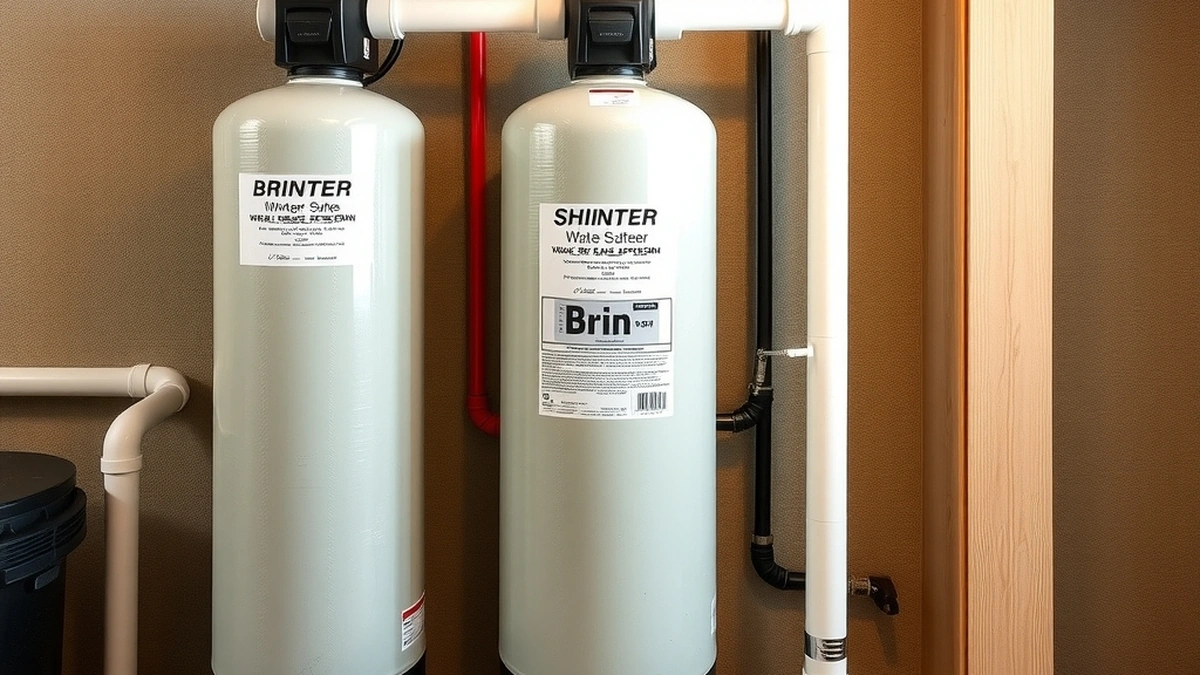
Whole home water softener
How a whole home softener is sized and placed, what it costs, and how it differs from a point-of-use filter.
Read the guide →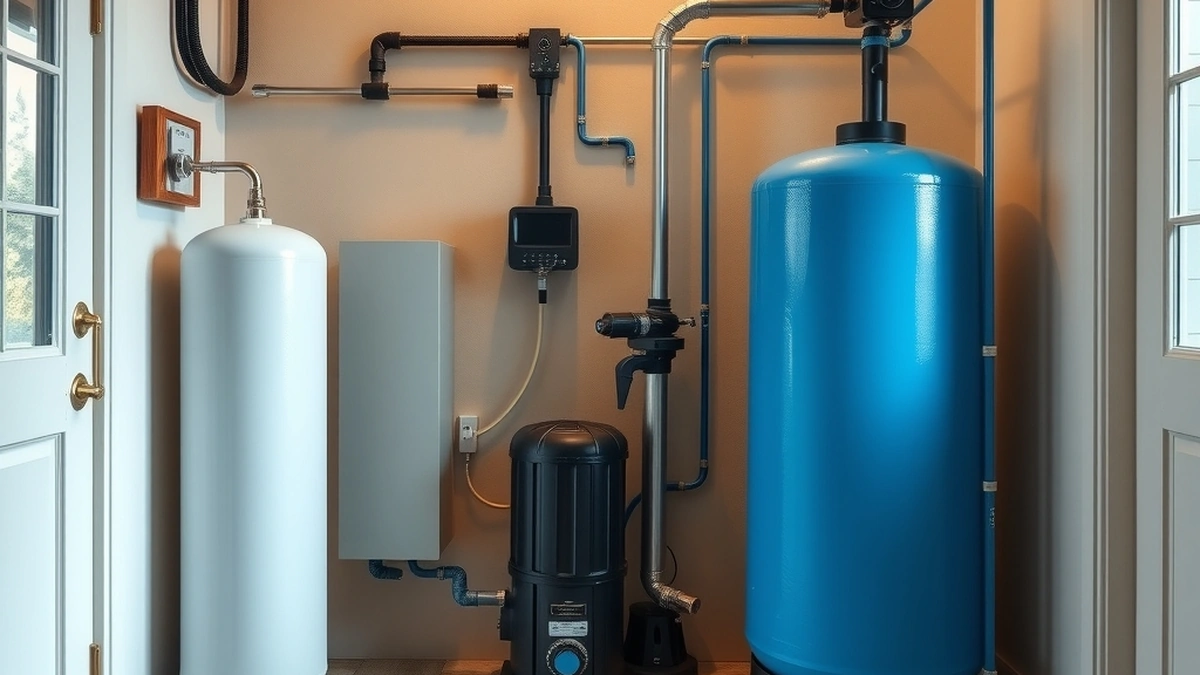
whole house reverse osmosis installation: what it involves
Whole house RO installs in 2-3 days and costs $3,000-$8,000. See pretreatment, storage tank, repressurization pump, and drain requirements.
Read the guide →
Whole house reverse osmosis system
Whole-house RO costs $3,000 to $8,000 installed and needs softener, carbon, and sediment pre-treatment. See when it is justified and what it consumes.
Read the guide →
whole house water filter installation: what it involves
Whole house filter installation takes 3-6 hours and costs $500-$1,800 installed. See the main-line cut-in, bypass, pressure check, and permit rules.
Read the guide →
Whole-house water filtration filter
A whole-house filtration filter sits on the main line and treats every fixture. See the housing sizes, stage order, flow ratings, and installed costs.
Read the guide →
Whole house water softener
A whole-house softener treats every tap, protecting the heater, laundry, and fixtures. See sizing, installation needs, and the ten-year cost.
Read the guide →
Will Water Softener Salt Melt Ice? Yes, With Caveats
Softener salt is sodium chloride and does melt ice, but pellet form and purity make it a costly choice. See the working temperature, cost, and damage risks.
Read the guide →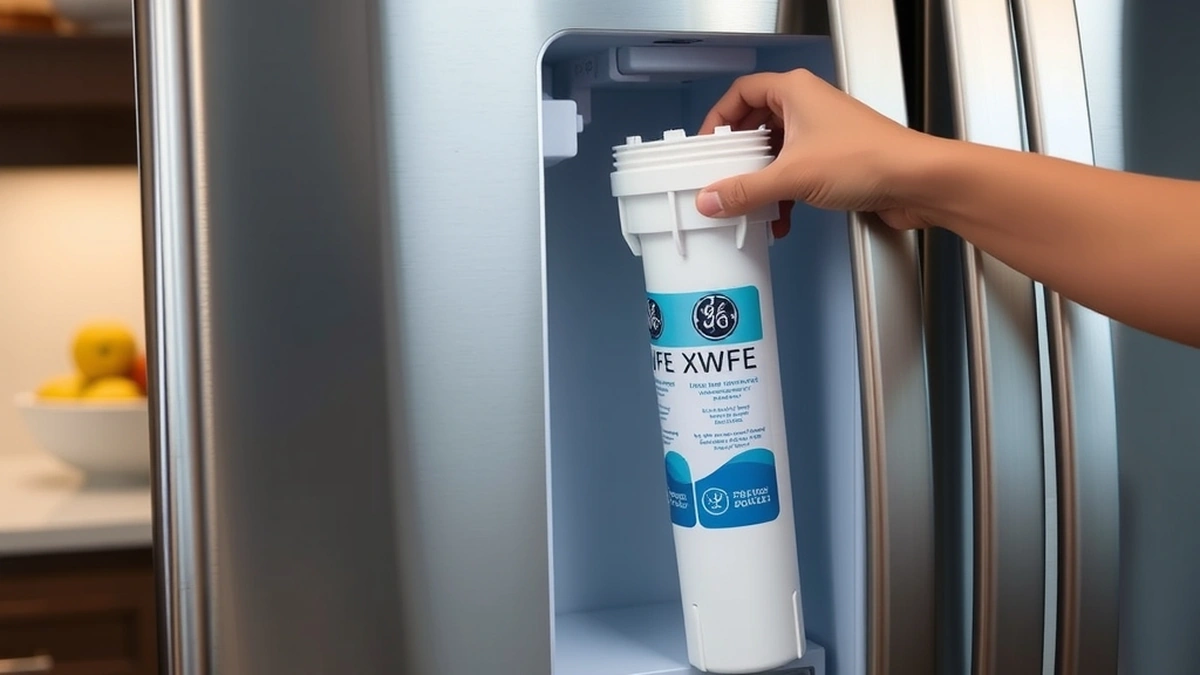
XWFE water filter
The XWFE is a GE refrigerator cartridge with an RFID chip in some versions. See what fits, why aftermarket options are limited, and how to change it.
Read the guide →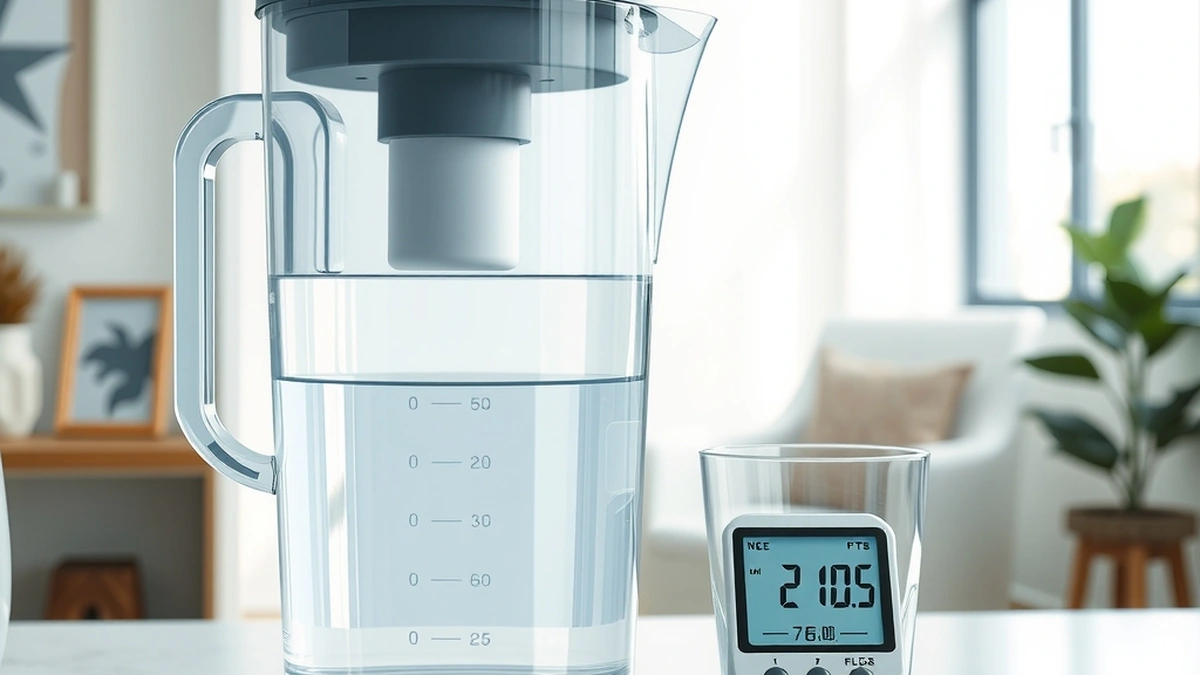
Zero water filter
ZeroWater pitchers use ion exchange plus carbon to cut dissolved solids to near zero. See what that means, what it costs, and when it is overkill.
Read the guide →
How a Water Softener Works, Step by Step
A step-by-step look at ion exchange, regeneration, salt use, and what a softener does and does not remove from home water.
Read the guide →