
Water softener installation
A softener install runs $500 to $1,500 in labor on top of $600 to $2,500 in equipment. See the site checks, the sequence, and what to verify after.
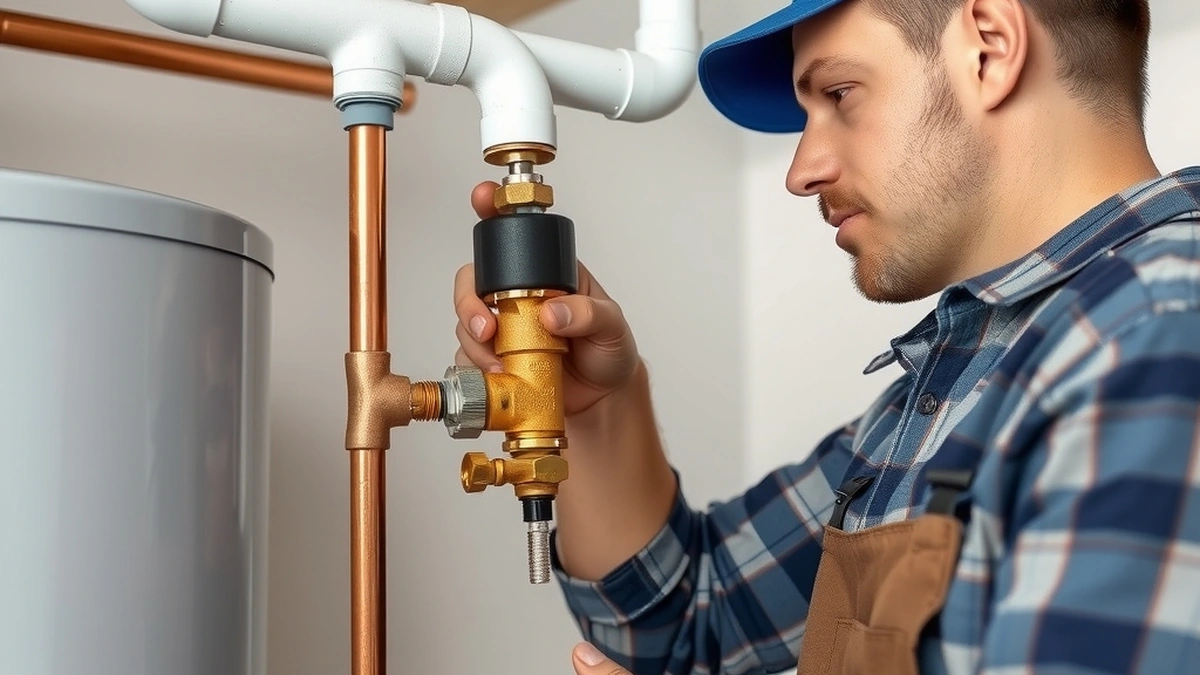
Water softener installation takes 2 to 4 hours and costs $500 to $1,500 in labor, with equipment at $600 to $2,500. The job needs a level location after the meter, a drain within about 30 feet, a GFCI outlet, and a bypass with shut-off valves.
- Equipment
- $600 - $2,500
- Labor
- $500 - $1,500
- Installed total
- $1,200 - $4,500
- Install time
- 2 - 4 hours
- Drain distance
- Up to about 30 feet
Some links on this page are affiliate links.If you buy through them we may earn a commission at no extra cost to you. We do not accept payment for rankings. Read the full disclosure.
Water softener installation costs $500 to $1,500 in labor on top of $600 to $2,500 in equipment, which puts the installed total at $1,200 to $4,500. The job is a plumbing cut-in with a drain connection and a power requirement, and the site conditions decide whether it takes two hours or most of a day.
Site Requirements
Four things have to be true before the unit goes in.
Location. After the meter or pressure tank, before the water heater, on a level surface. Inside the conditioned envelope is better than a crawl space, both for freeze protection and for salt loading.
Drain. Within about 30 feet, with a continuous downhill path and an air gap. A floor drain or utility sink is ideal. A washing machine standpipe works.
Power. A grounded outlet within cord reach, preferably GFCI. Most valves draw very little, so a dedicated circuit is rarely needed.
Space. Room for the tank, the brine tank beside it, and 18 inches of clearance above the brine tank for pouring salt.
| Requirement | Specification | Common failure |
|---|---|---|
| Location | After meter, before heater | Installed after heater |
| Drain | Within 30 ft, downhill | Uphill run, no air gap |
| Power | GFCI outlet in reach | Extension cord |
| Space | 18 in above brine tank | Salt loading blocked |
| Bypass | Three valves or one lever | No bypass at all |
The Installation Sequence
- Shut off the main and drain the lines. Open a low tap to confirm.
- Mark and cut the supply line where the bypass will go, leaving room for tees and unions.
- Install the bypass with full-port valves and unions at the unit connections.
- Set the unit in place, level it, and connect the inlet, outlet, and brine line.
- Run the drain line with continuous fall to an air-gapped discharge point.
- Program the valve with the tested hardness, capacity, and regeneration time.
- Pressure test, then run a full manual regeneration and check every joint.
Step 6 is where installs are quietly ruined. A unit programmed with the wrong hardness or capacity will work perfectly and soften nothing, and the homeowner discovers it weeks later when the water feels hard again.
What Drives Labor Up
Access is the biggest variable. A softener in an open basement with copper pipe and a floor drain is a two-hour job. The same unit in a finished closet with galvanized pipe and no drain is a full day.
- Pipe material. Copper and PEX cut and rejoin quickly. Galvanized steel usually means replacing a section.
- New drain. Adding a standpipe or tying into a stack adds $100 to $400 and may need a permit.
- Relocation. Moving the unit to another room combines plumbing, drain, and electrical work.
- Permits. Where required, fees run $50 to $300 and add an inspection to the schedule.
Equipment Choices That Affect the Install
A single-tank cabinet unit installs faster than a two-tank system because there is one body to place and one brine well inside it. A twin-tank system needs more floor space and two drain connections in some designs.
The bypass is the other choice. A single-lever bypass assembly mounts on the valve and installs in minutes. A three-valve assembly takes longer but uses standard parts. Both are covered in adding a shut-off and bypass.
| Configuration | Space | Install time | Cost |
|---|---|---|---|
| Cabinet single tank | Small | 2 - 3 hours | Lower |
| Two-tank standard | Moderate | 3 - 4 hours | Mid |
| Twin tank alternating | Large | 4 - 6 hours | Higher |
What It Costs, With Arithmetic
Take a mid-range 48,000 grain unit at $1,100 equipment and $700 labor: $1,100 + $700 = $1,800 installed. Add a permit at $120 and a new drain connection at $250, and the total is $2,170.
Salt then runs $120 to $400 per year, and a rebed at $300 to $600 arrives somewhere around year nine. Over ten years: $2,170 + ($250 × 10) + $450 = $5,120, or about $512 per year.
Those figures are estimates from published ranges. Actual quotes vary with local labor rates, pipe material, and whether the drain already exists.
Five Checks After the Installer Leaves
- Test hardness at the kitchen cold tap and confirm it dropped.
- Confirm the bypass is in service position, not bypass.
- Run a manual regeneration and watch the drain line for flow and leaks.
- Check the air gap at the drain and confirm there is no direct connection.
- Read the programmed settings against the lab report and the tank label.
Do those five things before you pay the invoice. They take fifteen minutes and they catch the errors that otherwise surface a month later.
Common Installation Mistakes
The most common is installing the softener after the water heater, which leaves the heater unprotected and exposes the resin to hot water. The second is a missing or incorrectly built bypass, which makes every future service call more expensive.
The third is a drain line pushed directly into a standpipe with no air gap, which is a code violation in most jurisdictions and a cross-connection risk. The fourth is programming the valve from the previous unit’s settings rather than from a current water test.
Each of those is cheap to prevent at install and expensive to correct afterward. If you are comparing quotes, ask each installer how they handle the drain, the bypass, and the programming, and compare the answers rather than the totals. Water softener installation cost covers the quote line by line, and drain requirements for a softener covers the detail most quotes gloss over.
Frequently asked questions
How much does water softener installation cost?
Labor typically runs $500 to $1,500, so with equipment at $600 to $2,500 the installed total lands between $1,200 and $4,500 depending on system size and plumbing.
How long does installation take?
Two to four hours for a straightforward replacement or a new install with a nearby drain and outlet, longer if new piping or a drain connection is required.
Where should a softener be installed?
After the water meter or pressure tank and before the water heater, on a level surface with access for salt loading and a drain within about 30 feet.
Can I install a water softener myself?
It is feasible on PEX or copper with basic plumbing skills, but the pressurized connections, drain air gap, and electrical outlet are where DIY installs most often fail.
Does a softener need a dedicated electrical outlet?
It needs a grounded outlet, preferably GFCI protected, within cord reach; a new dedicated circuit is not usually required for a standard residential valve.
What should I check after installation?
Confirm hardness drops at the tap, the bypass is in service position, regeneration completes without leaks, and the drain line has an air gap and flows freely.
Sources
Some links are affiliate links.If you buy through them we may earn a commission at no extra cost to you. We do not accept payment for rankings. Read the full disclosure.


