
Reviews guides
Equipment and brand reviews scored on what they remove, cost per gallon and service reality.
How we score water-treatment equipment
Reviews here measure what a spec sheet can prove: removal performance, capacity against real household use, cost per gallon over five years, and how the unit behaves when something fails. Brand reputation is a tiebreaker, not a criterion.
| Criterion | Weight | What moves the score |
|---|---|---|
| Certified removal | 30% | NSF/ANSI 42, 44, 53 or 58 listing for the claimed contaminants |
| Capacity vs household | 25% | Grains or gallons sized honestly for 2–5 people |
| Five-year cost per gallon | 20% | Equipment, install, consumables and service parts |
| Service and parts | 15% | Control-head parts availability, membrane and cartridge standardisation |
| Warranty and support | 10% | Resin and valve coverage, response time |
Weights are published so a reader can disagree and recompute. A unit with excellent removal and a proprietary cartridge sold only through dealers scores lower than a comparable unit that takes a standard 10-inch filter.
The brand landscape, by job
| Category | Names you will meet | What to check |
|---|---|---|
| Dealer-installed softeners | Culligan, Kinetico, local dealers | Monthly rental vs purchase; proprietary resin tanks |
| Online softeners | Fleck-based units, Aquasana, iSpring | Valve model, resin volume, warranty on the valve |
| Under-sink RO | iSpring, AquaTru, Waterdrop | NSF 58 listing, membrane cost, tank size |
| Gravity and countertop filters | Berkey, Brita, ZeroWater | Cost per gallon, filter life, certified claims |
| Whole-house carbon | Aquasana, SpringWell, local plumbers | GPM rating at peak demand, cartridge standard |
Dealer models are not automatically worse, but the pricing model differs: a $4,000 installed system with a service contract is a different product from a $1,400 valve-and-tank unit a plumber installs. Compare the five-year cost, not the first invoice. The cost hub carries the arithmetic.
Red flags in a listing
- "Removes up to 99% of contaminants" with no contaminant list and no NSF number.
- Grain capacity quoted without resin volume — the two should agree.
- Salt-free products described as softeners.
- RO systems with no membrane replacement price published.
- Warranty that covers the tank but not the control valve.
- Flow rate quoted in gallons per day instead of gallons per minute for whole-house units.
What this hub does not review
We do not score installers, and we do not rank a brand on a single failure report. We also do not review units without a published spec sheet — if the removal claims cannot be checked against a certification, the product gets a note saying so rather than a score.
Start with the systems hub to understand what each category does, the problems hub to confirm what your water actually needs, and the comparison hub for the four decisions buyers face most.
Are expensive softeners worth it?
Only when the valve, resin volume and warranty justify the difference. A $2,500 unit and a $900 unit can both soften water; the expensive one should show a metered valve, a larger resin bed and a parts network.
Do you accept paid placements?
No. Rankings follow the criteria table; affiliate links are disclosed on every page and never move a score.
Why is there no star rating?
A star hides the criterion that decided it. The tables show the weights and the values, so you can re-rank for your own water.
How to read a review on this site
Every review names the criterion that decided it. Where a claim could not be checked against a certification listing or a spec sheet, the page says so instead of filling the gap — a filter with no NSF number gets a note, not a score. That is also why the tables show weights: if your water is well water with iron, you can raise the removal criterion and re-rank the list yourself.
Prices in reviews are the band we verified in the month shown on the page. They are not live retail prices, and a unit that is excellent value at $400 can be poor value at $700 after a tariff change. Check the current price and the certification on the product page before buying.
All reviews guides
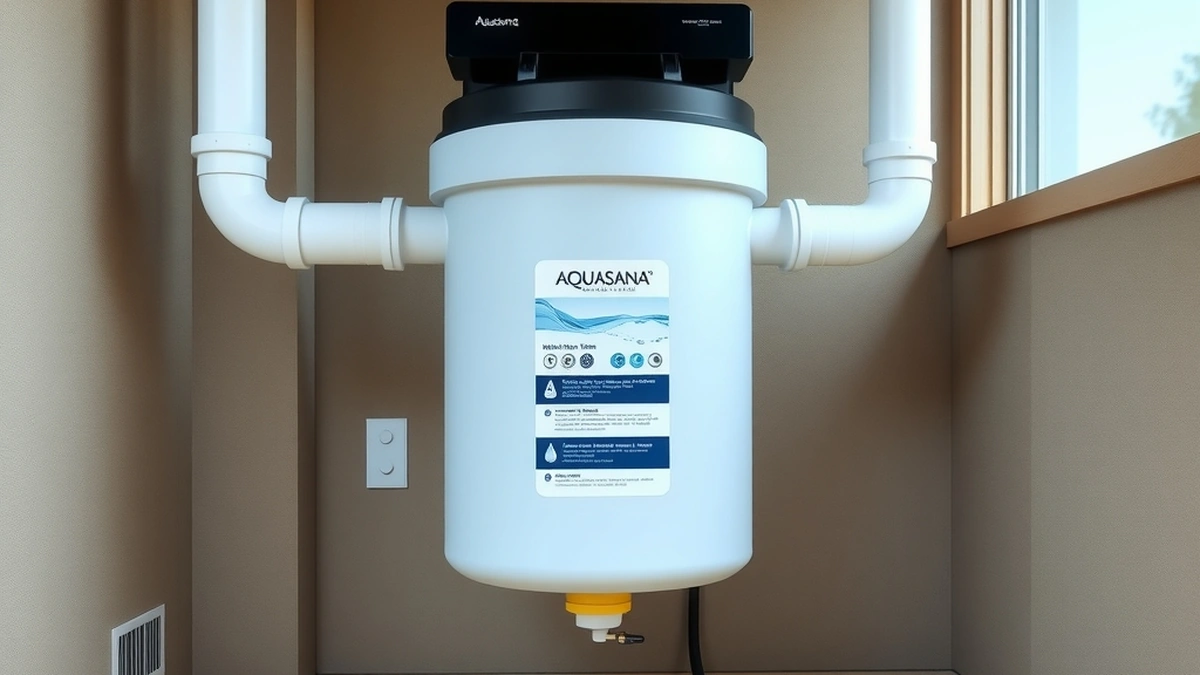
Aquasana Whole-House Filter Guide
Aquasana Whole-House Filter Guide: practical numbers, costs, and trade-offs, written independently.
Read the guide →
Berkey Water Filter Review: Cost Per Gallon
Real numbers on Berkey filter costs, replacement elements, and cost per gallon compared to other home treatment options.
Read the guide →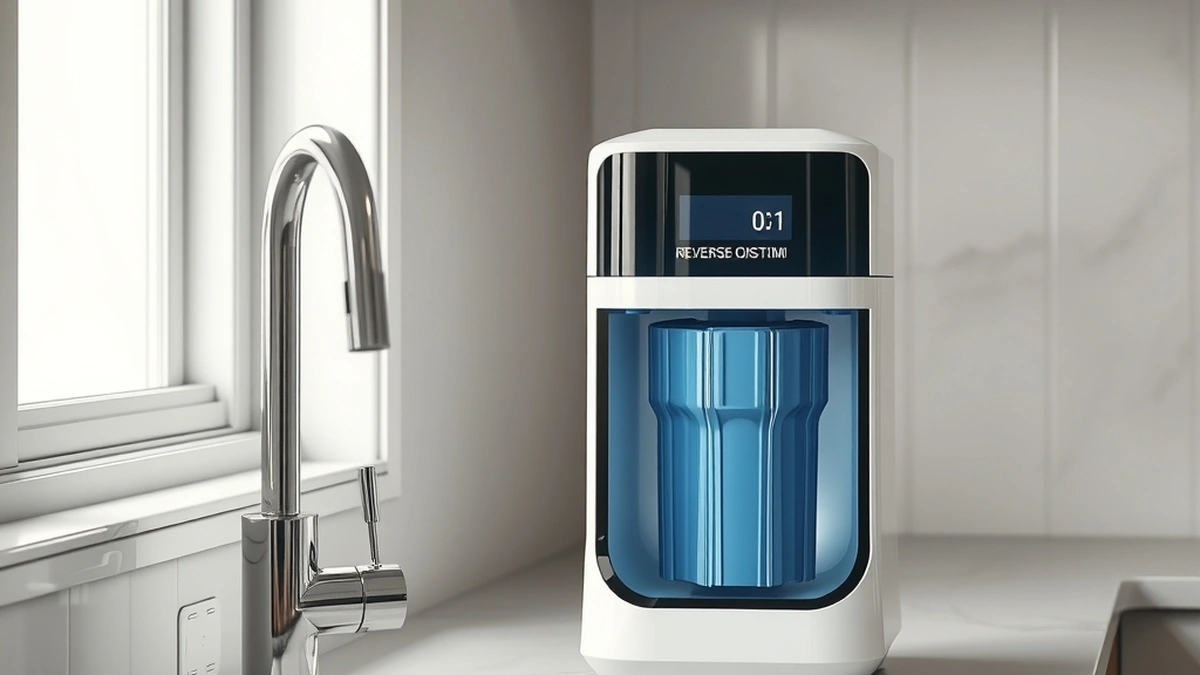
Best Countertop Reverse Osmosis System: 2026 Picks
Compare countertop RO systems by capacity, cost per gallon, and filter replacement needs.
Read the guide →
Best Iron Filter for Well Water: Types, Costs, and Sizing
Compare iron filter options for well water, including installed costs, flow rates, and maintenance requirements before you buy.
Read the guide →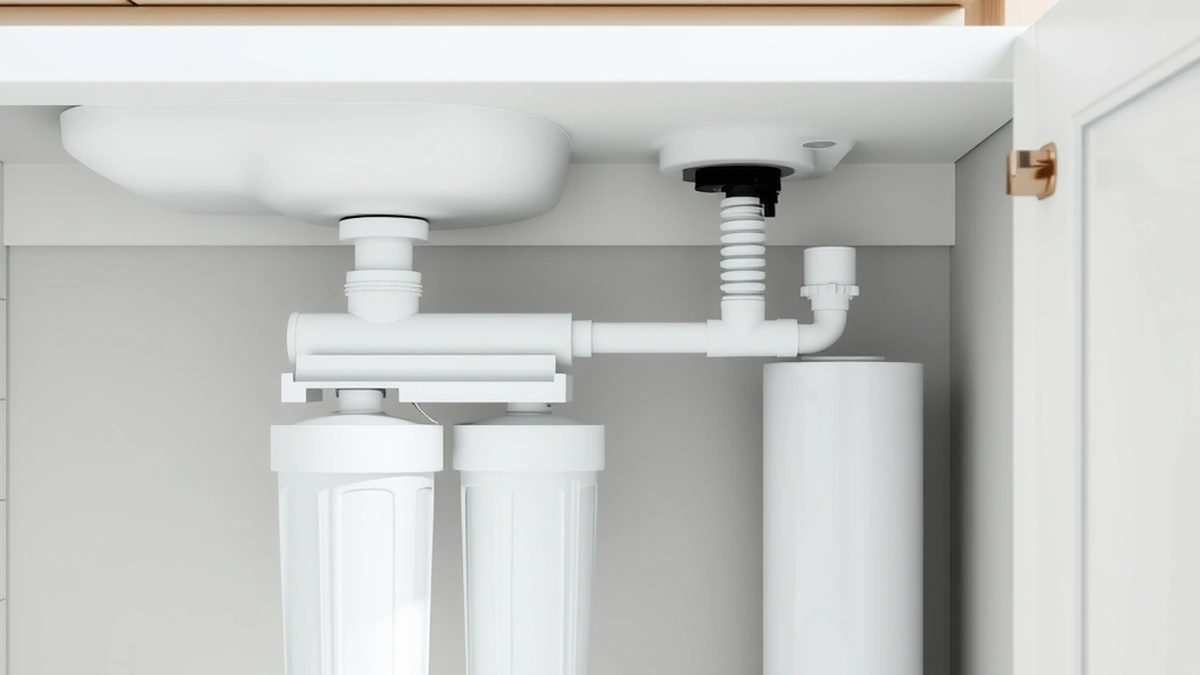
Best under-sink reverse osmosis system
How to pick an under-sink RO system by stage count, tank size, membrane type, and running cost, with the specifications that actually decide the price.
Read the guide →
Best UV Water Purifier for Home Use
Compare UV water purifier systems by lamp life, flow rate, and installed cost. Numbers-first guide for well and municipal water.
Read the guide →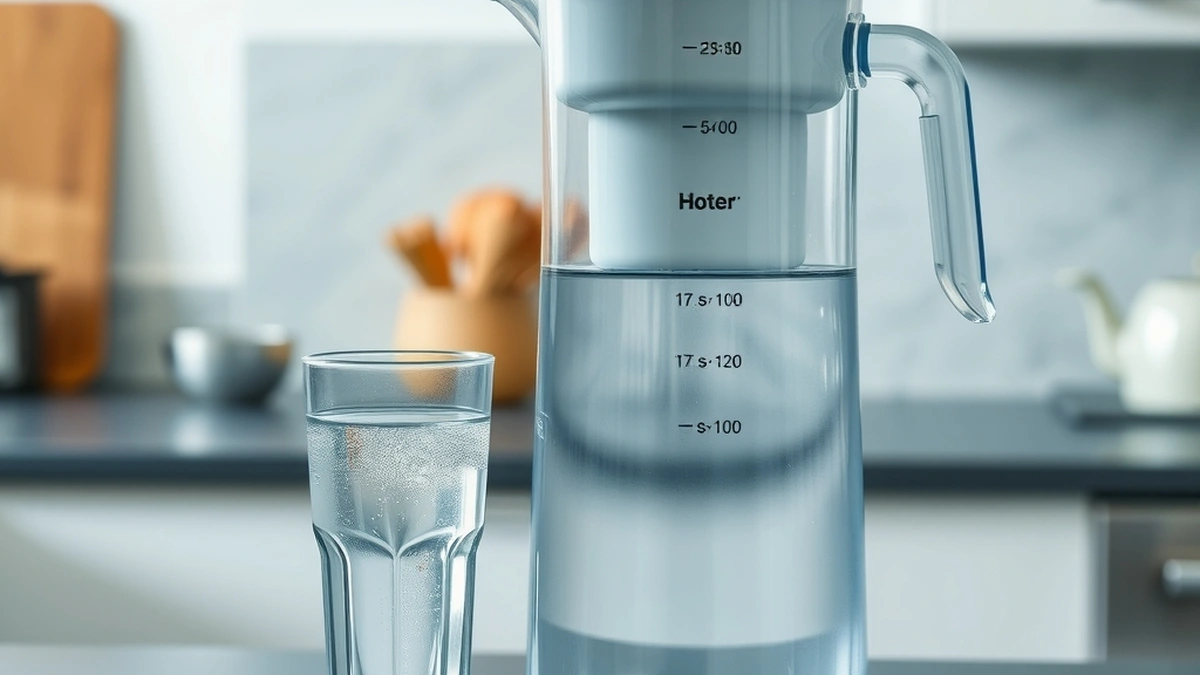
Best water filter pitcher
How to choose a pitcher filter by certification, cartridge cost per gallon, capacity, and what it actually removes. No scores, just the deciding specs.
Read the guide →
Best Water Softener for a Typical Home
How to size and choose a water softener for a typical US home, with grain capacity, installed cost, and salt math.
Read the guide →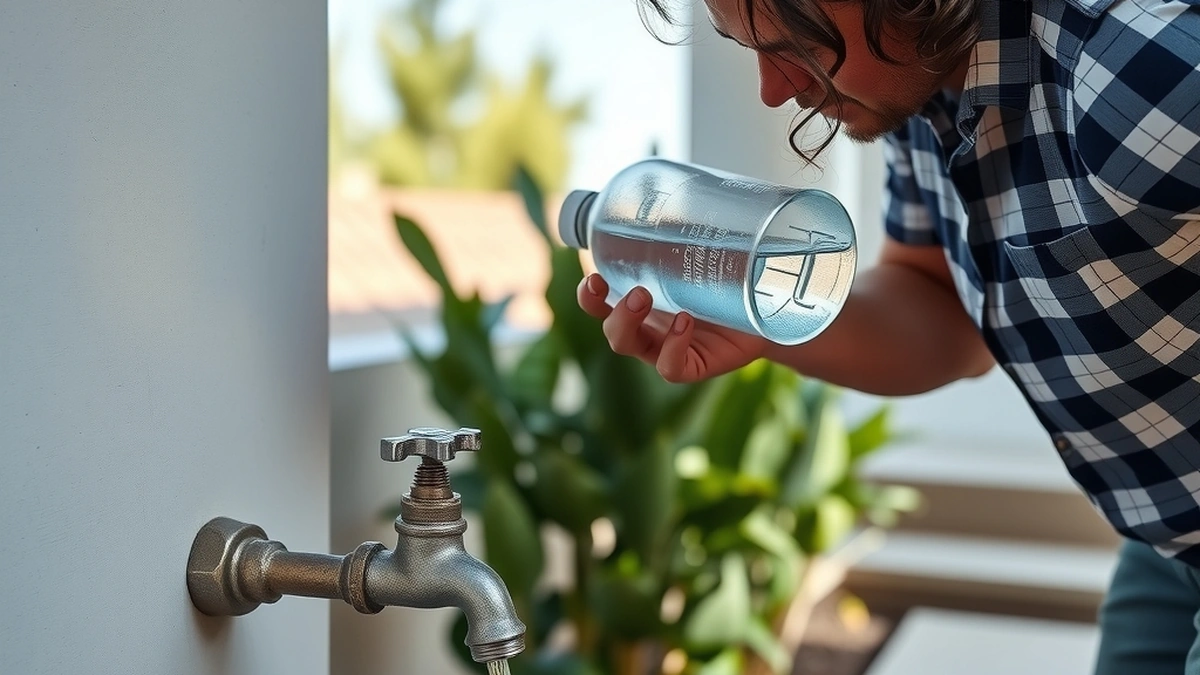
Best Water Test Kit for a Private Well: 2026 Guide
Compare lab and DIY water test kits for private wells, plus what to test for and how results drive treatment decisions.
Read the guide →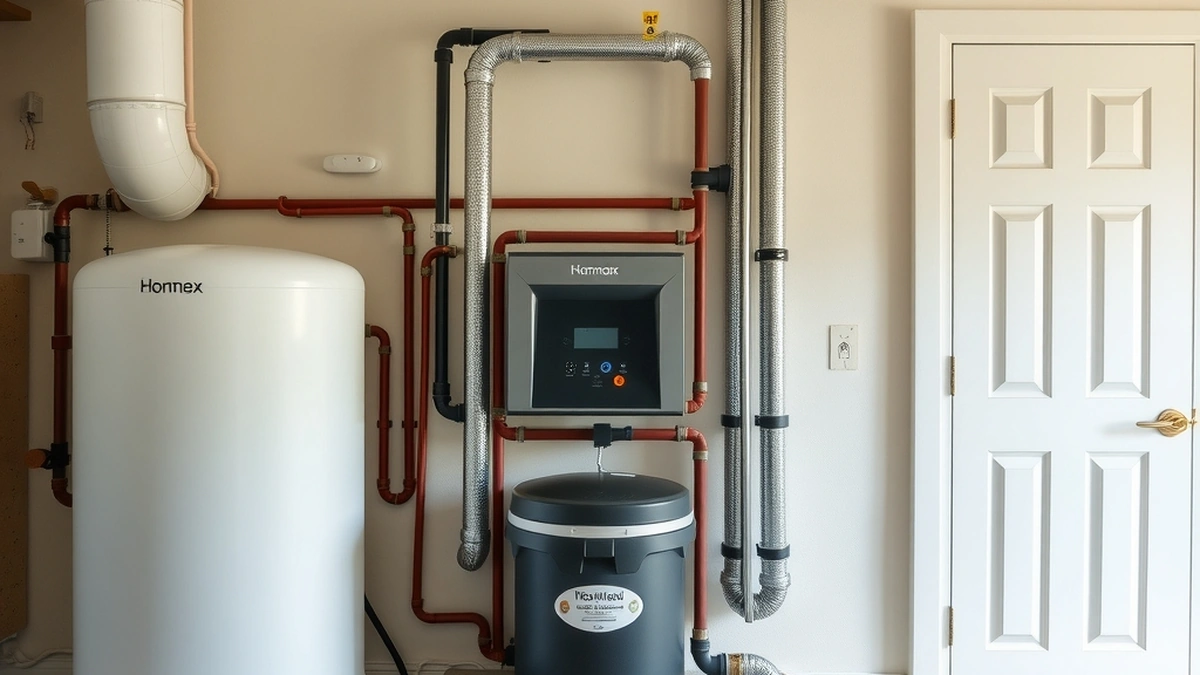
Best Well Water Filter System for Home Use
Compare well water filter systems by installed cost, capacity, and maintenance. Find the right setup for hardness, iron, sediment, and bacteria.
Read the guide →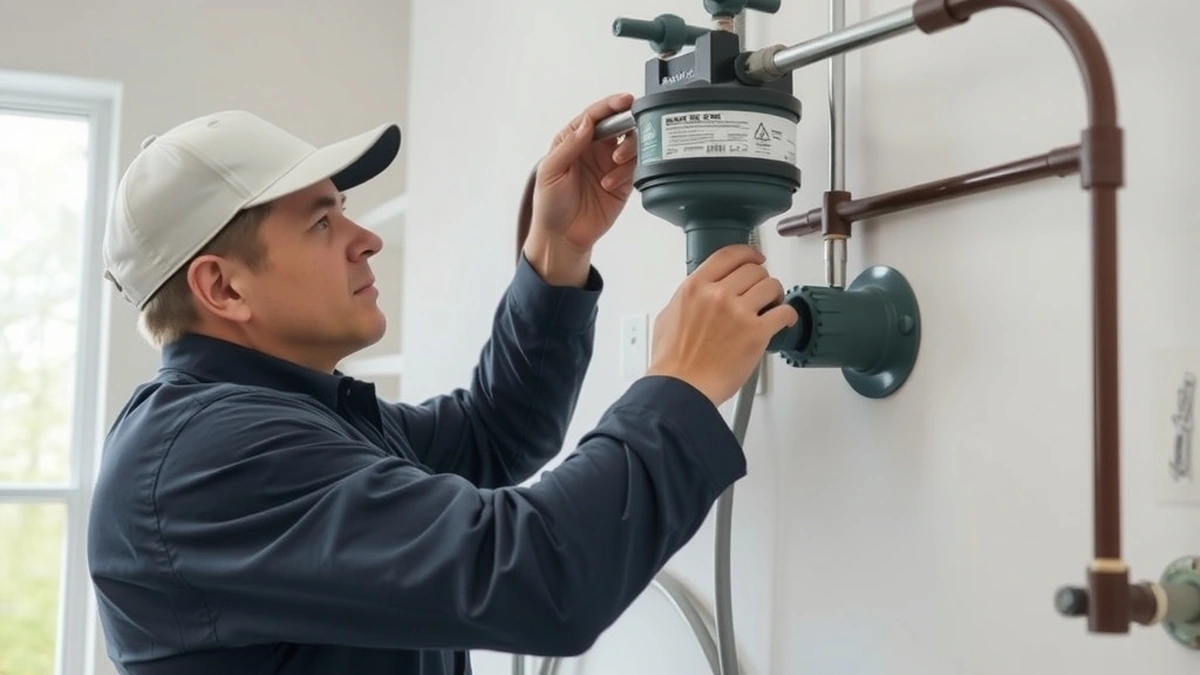
Best Whole-House Water Guide
Compare whole-house water filter types, installed costs, flow rates, and maintenance to find the right system for your home.
Read the guide →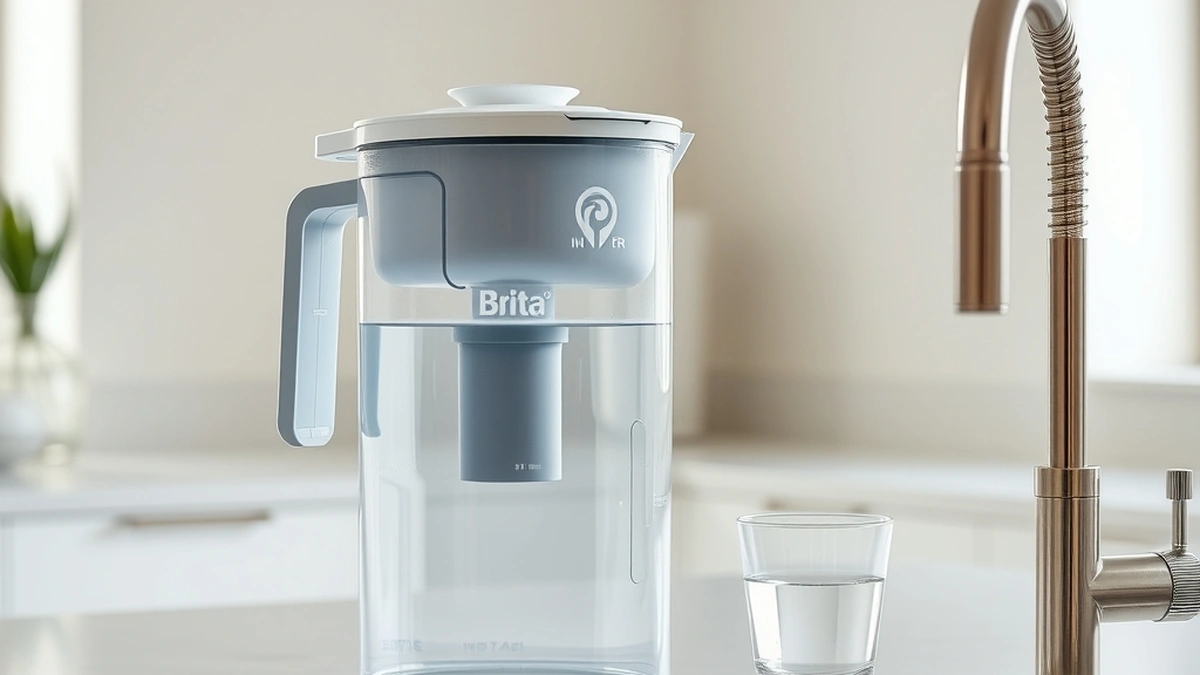
Brita Filter Review: What It Does and Does Not Remove
A numbers-first look at Brita pitcher and faucet filters, certified reductions, replacement costs, and how they compare to whole-house treatment.
Read the guide →
Culligan Water Softener Review: Dealer Model Maths
Dealer-model Culligan softener pricing, grain capacity, salt use, and installed cost compared against retail alternatives.
Read the guide →
Fleck-Based Softener Review: Costs and Capacity
Installed cost, grain capacity, salt use, and resin life for Fleck-based water softeners.
Read the guide →
How to choose a alkaline water filter
Choose an alkaline filter by whether you want a pH bump at one tap or whole-house correction. See cartridge vs ionizer and $60-$2,000 pricing.
Read the guide →
How to choose a catalytic carbon filter
Choose catalytic carbon when your utility uses chloramine. See media volume, tank sizing, and the $700-$1,800 installed range against standard GAC.
Read the guide →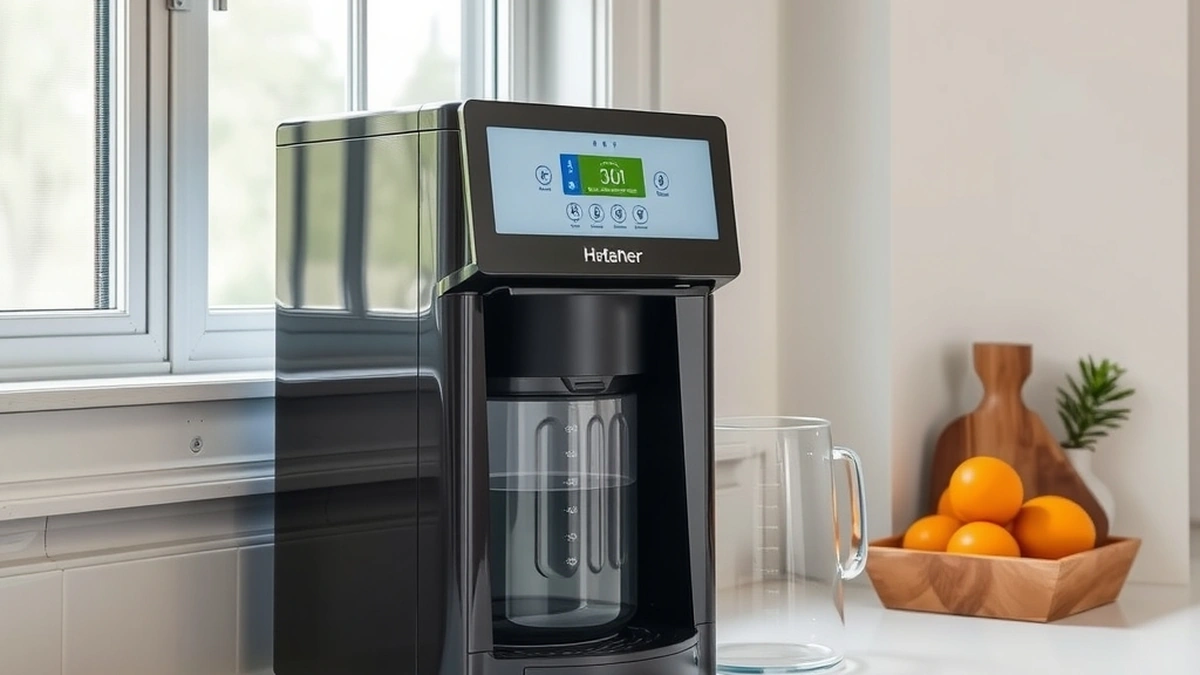
How to choose a countertop reverse osmosis
Choose a countertop RO by reservoir size, refill effort, and unit cost. See output limits, power needs, and the $200-$600 price band.
Read the guide →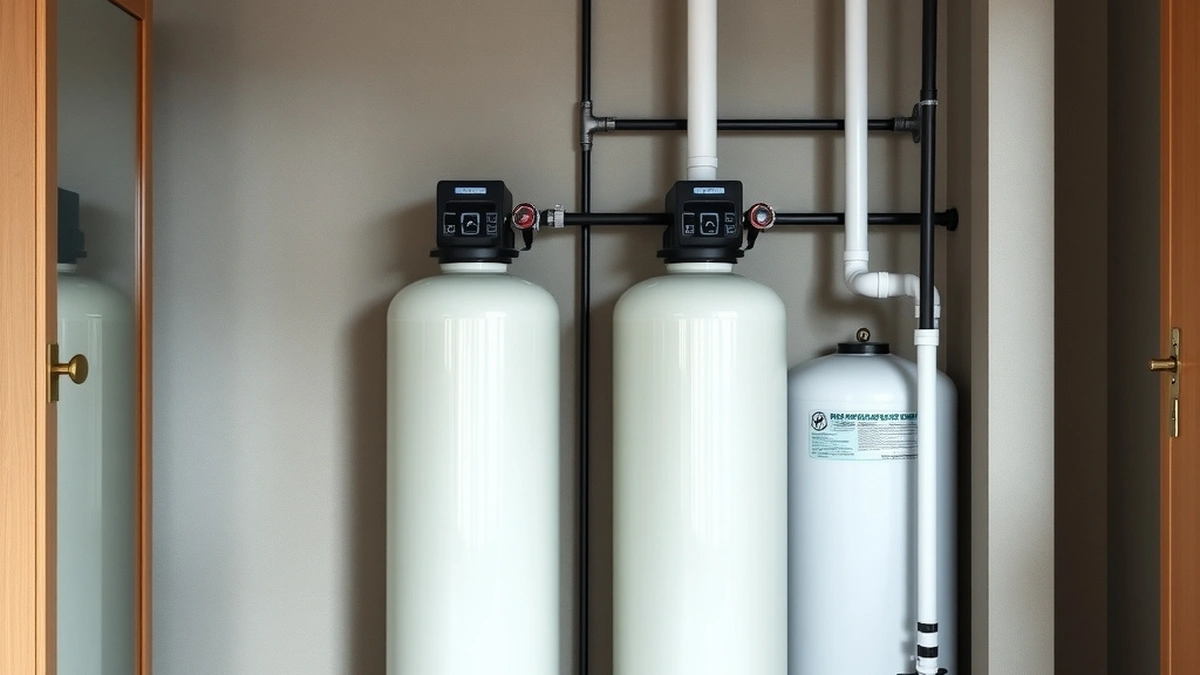
How to choose a dual tank water softener
Choose a twin tank softener only if water use is 24-hour or demand is high. See capacity math, valve types, and the $1,800-$4,500 installed range.
Read the guide →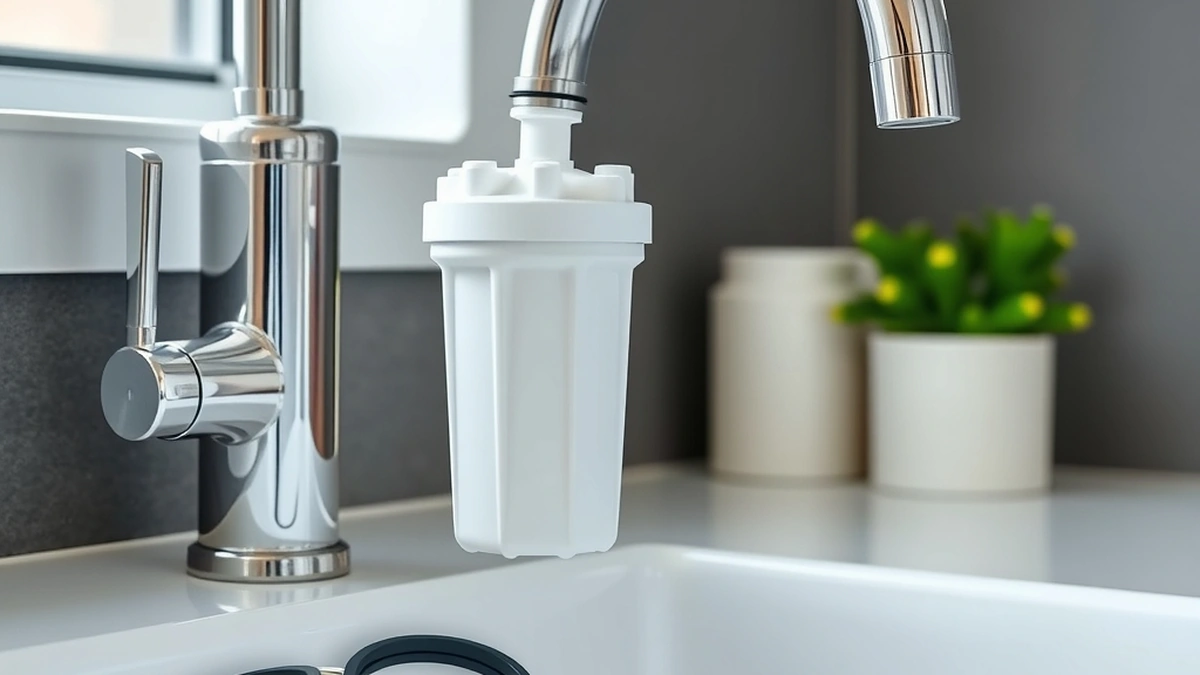
How to choose a faucet water filter
Choose a faucet filter by adapter fit, cartridge cost, and certification. See screw-on vs diverter models and the $20-$100 price range.
Read the guide →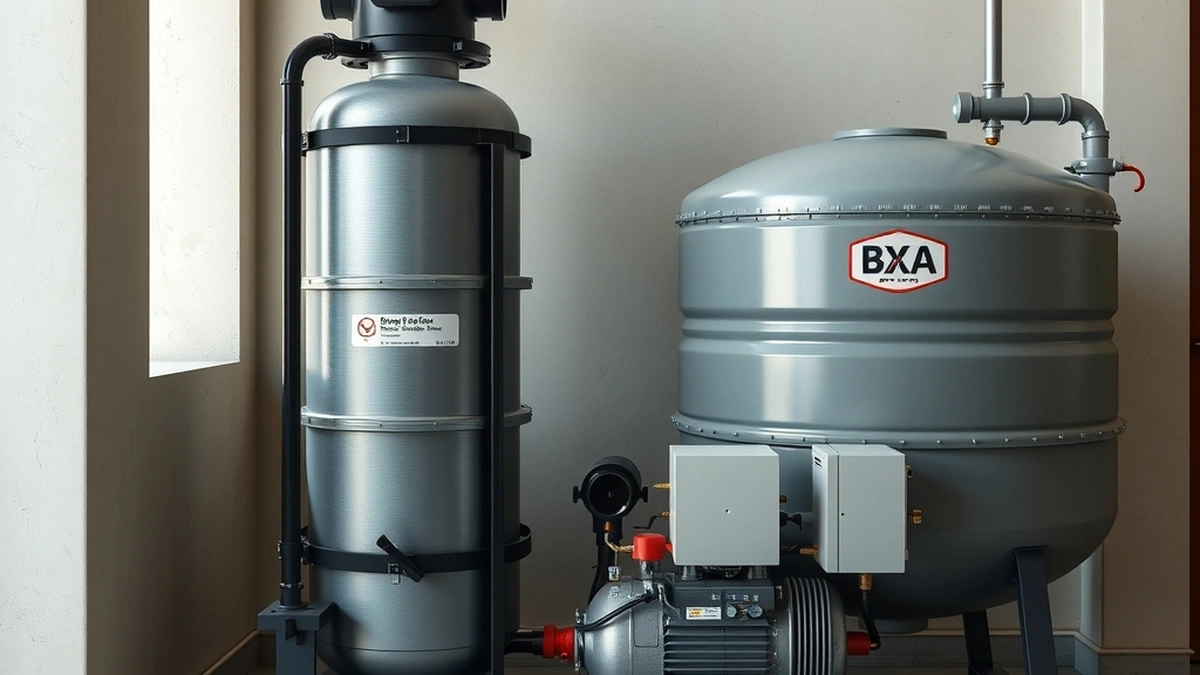
How to choose a iron filter
Choose an iron filter by iron level, form, and flow. See air injection vs chemical oxidation, backwash needs, and the $800-$2,500 installed range.
Read the guide →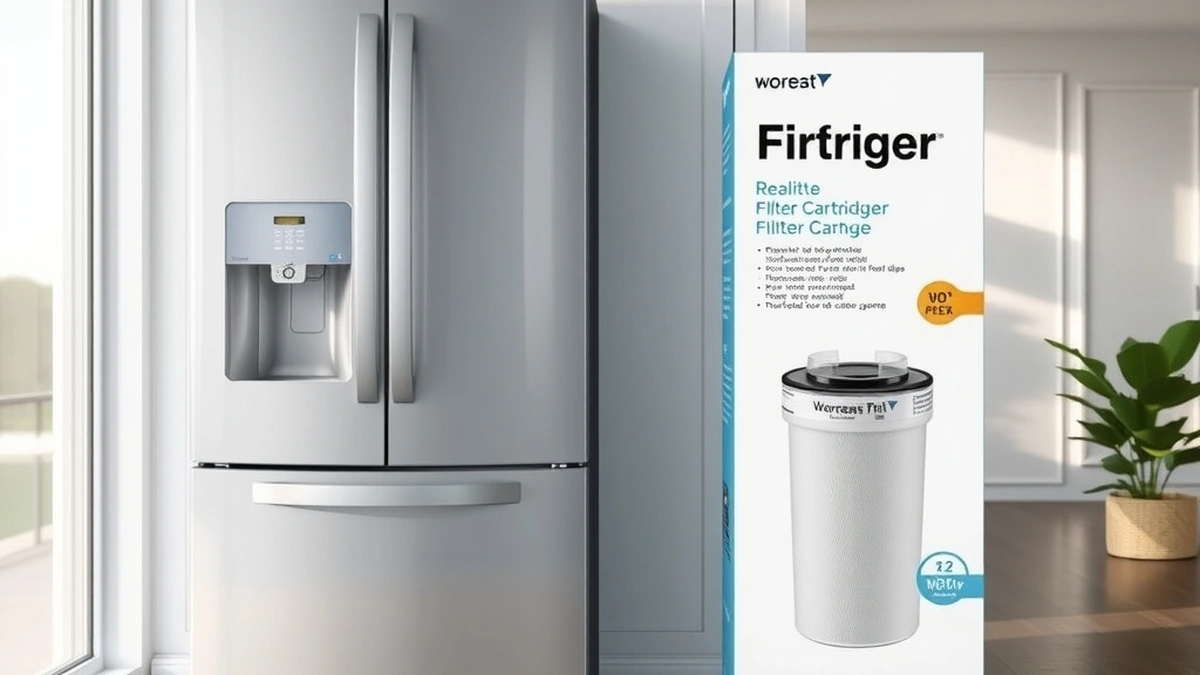
How to choose a refrigerator water filter
Choose a fridge filter by model number and certification, not brand name. See housing types, $15-$70 pricing, and how to avoid a filter that bypasses.
Read the guide →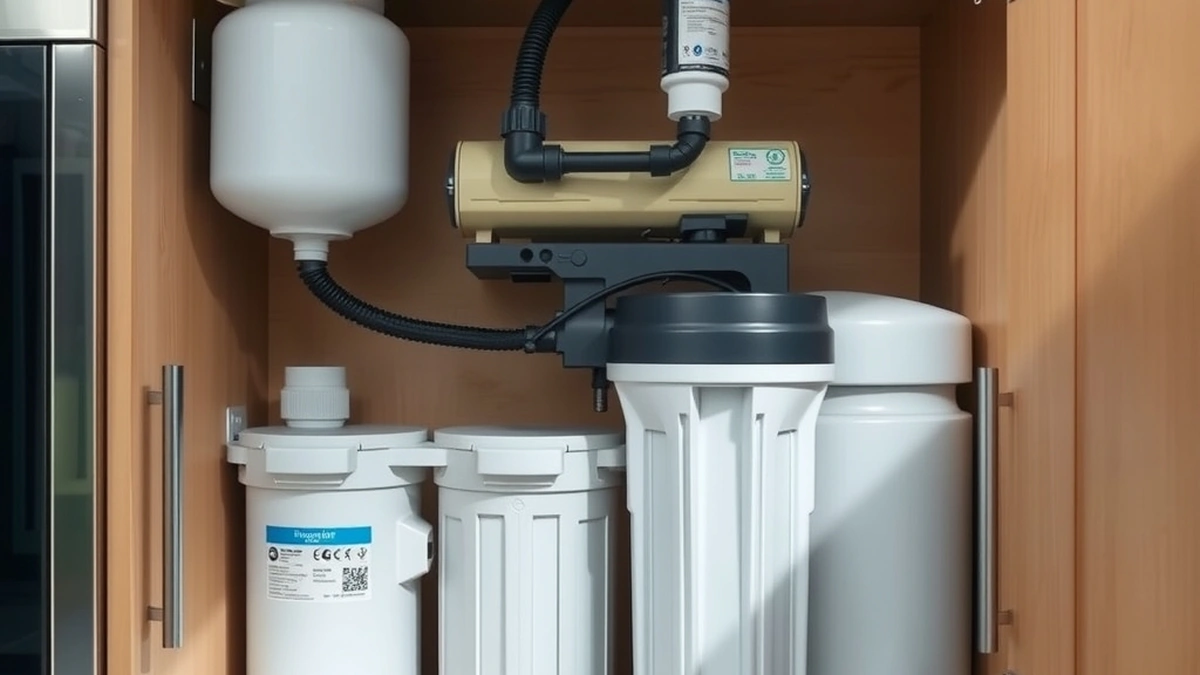
How to choose a reverse osmosis system
Choose an RO system by daily gallons, TDS, and membrane quality. See storage vs tankless, waste ratios, and the $300-$900 installed range.
Read the guide →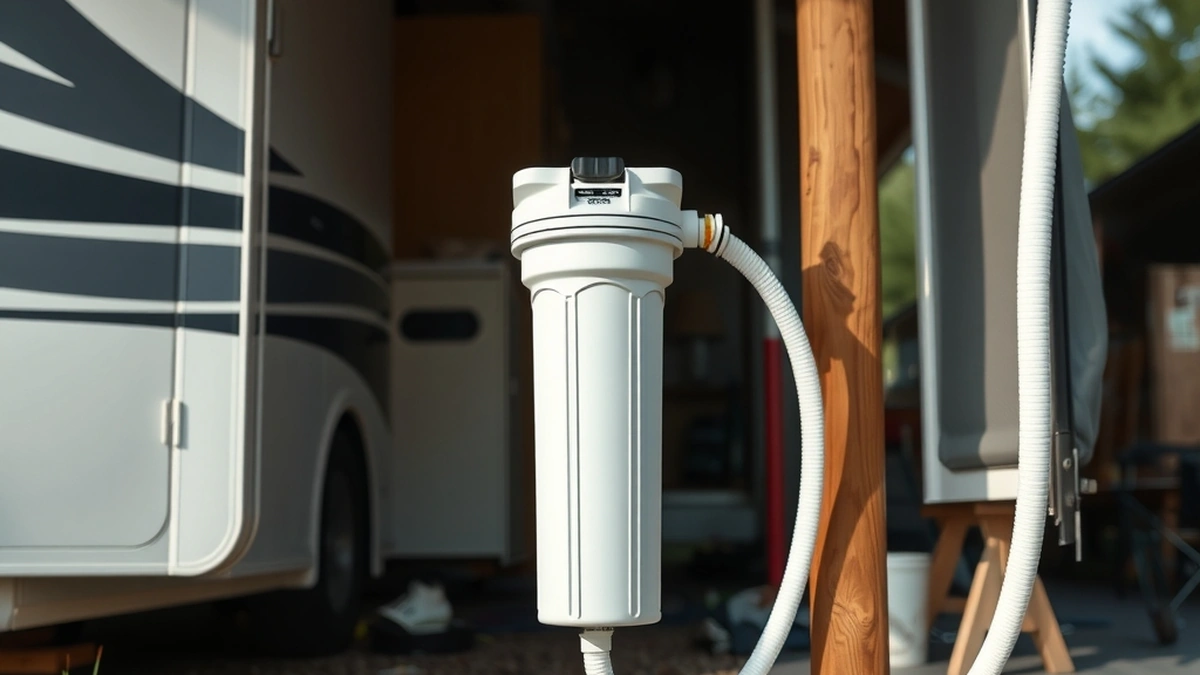
How to choose a RV water filter
Choose an RV filter by format, cartridge availability, and flow. See inline vs canister vs under-sink units and the $20-$200 price range.
Read the guide →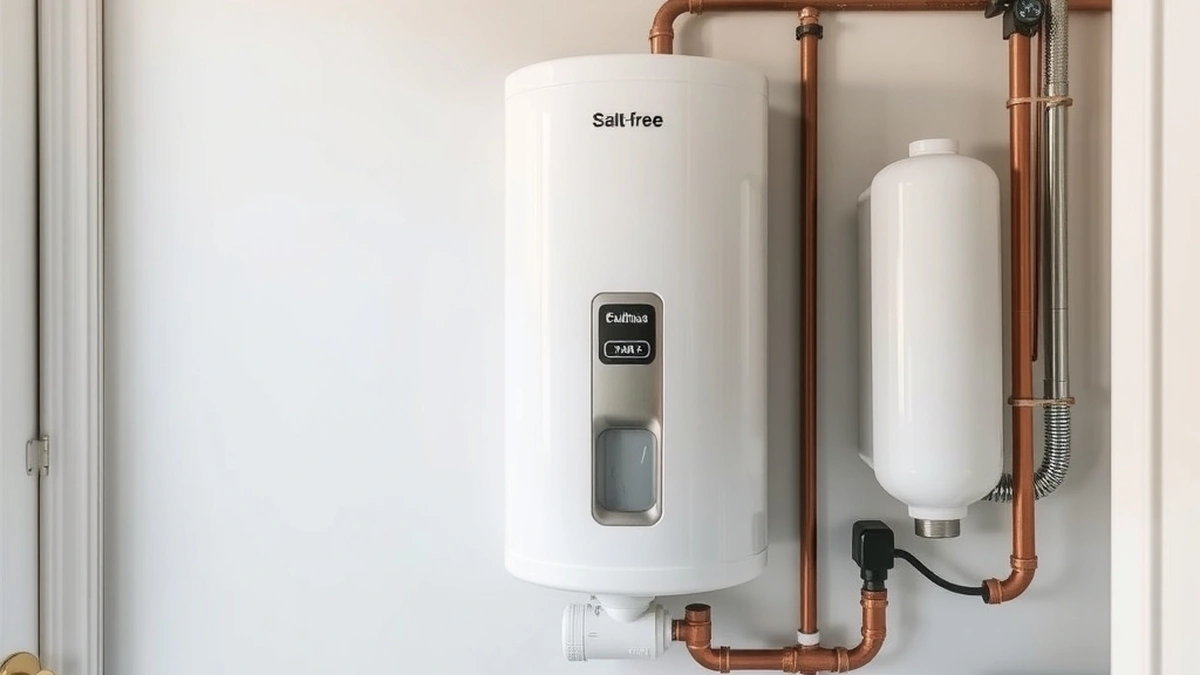
How to choose a salt-free water softener
Choose a salt-free softener by flow rate and scale goal, not by hardness removal. See media types, sizing, and the $500-$1,800 installed range.
Read the guide →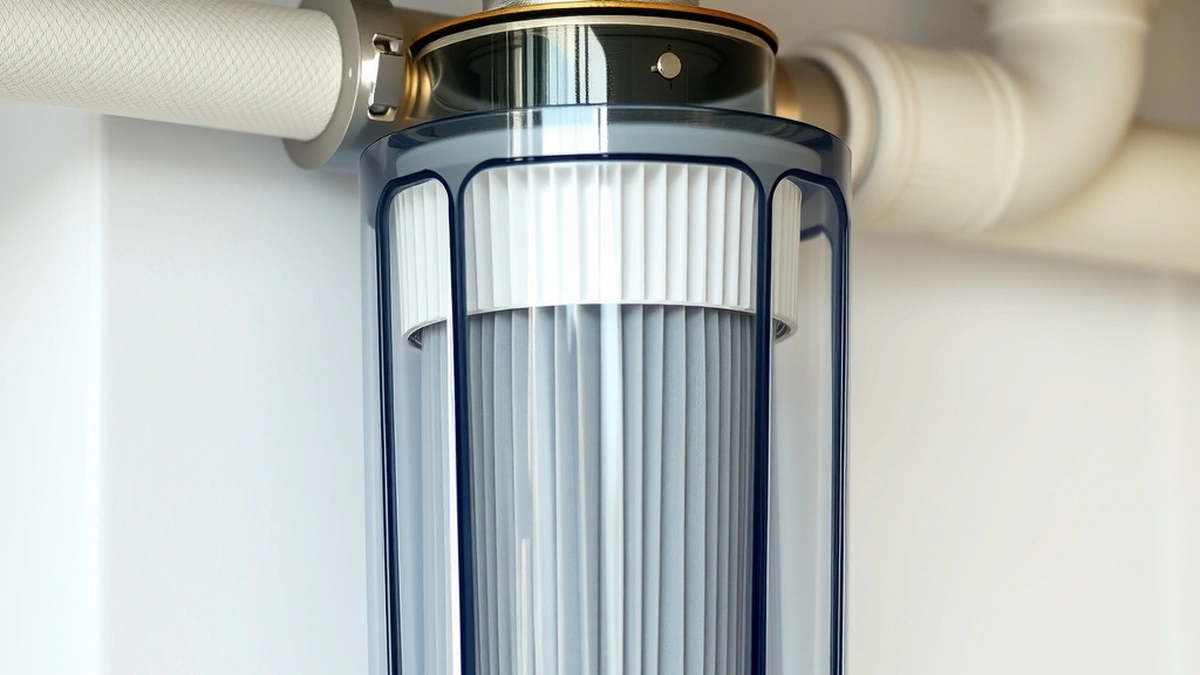
How to choose a sediment filter
Choose a sediment filter by micron rating, housing size, and flow. See pleated vs spun cartridges and the $80-$400 equipment range.
Read the guide →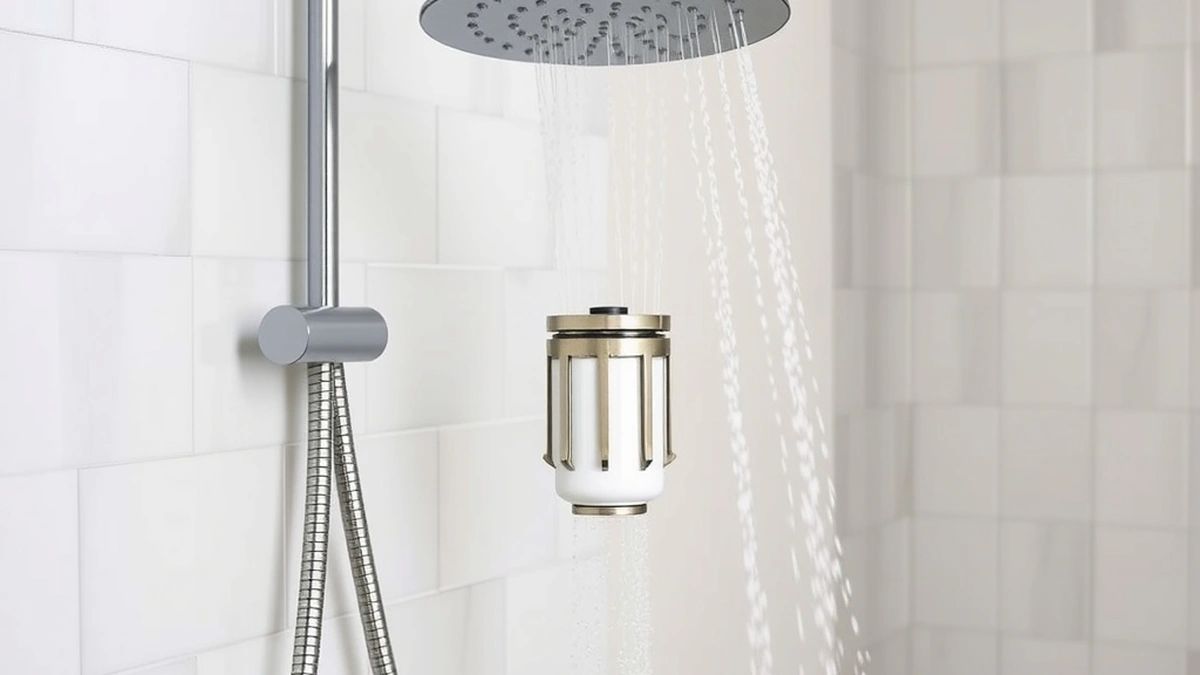
How to choose a shower water filter
Choose a shower filter by flow rating, media, and thread fit. See cartridge life, pressure loss, and the $25-$100 price range for these units.
Read the guide →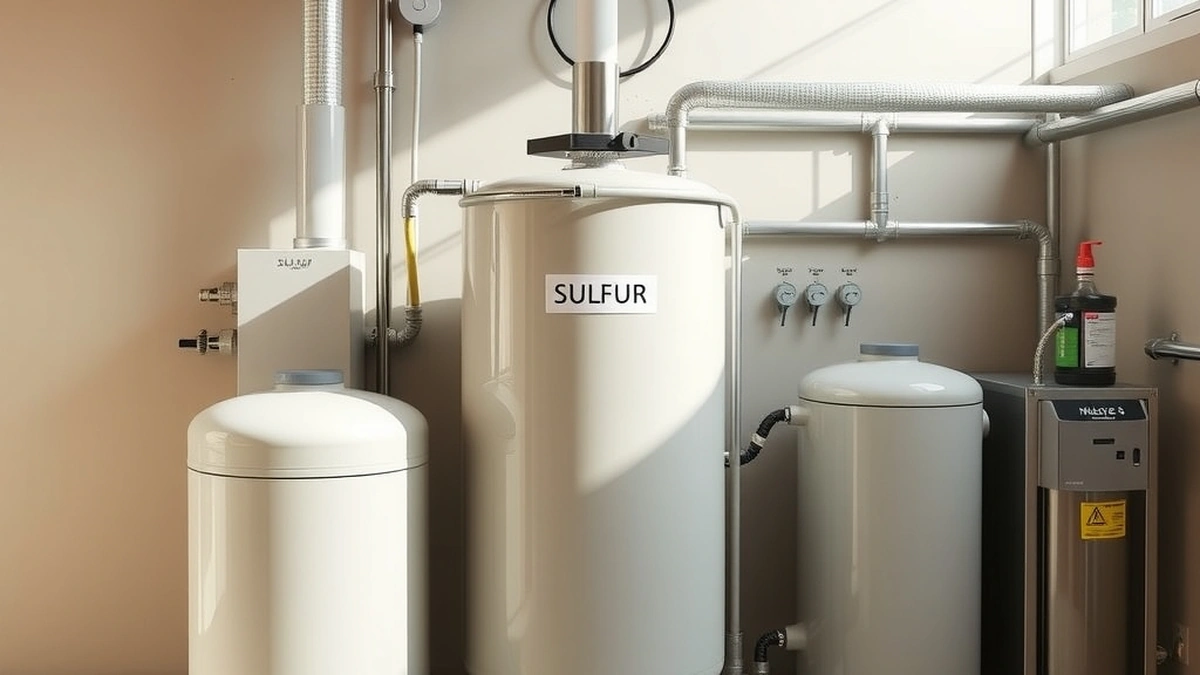
How to choose a sulfur filter
Choose a sulfur filter by hydrogen sulfide level and whether bacteria are present. See air injection vs chemical feed and the $1,000-$3,000 range.
Read the guide →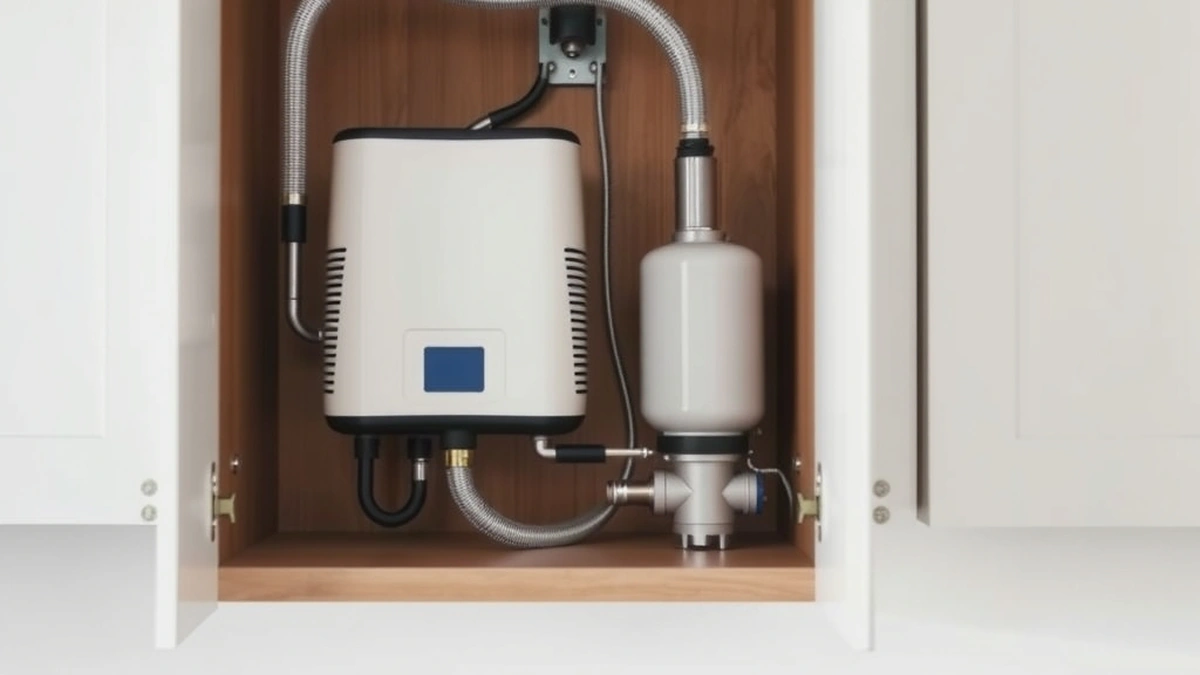
How to choose a tankless reverse osmosis
Choose a tankless RO by daily gallons, pump quality, and outlet access. See output rates, cabinet fit, and the $300-$900 installed range.
Read the guide →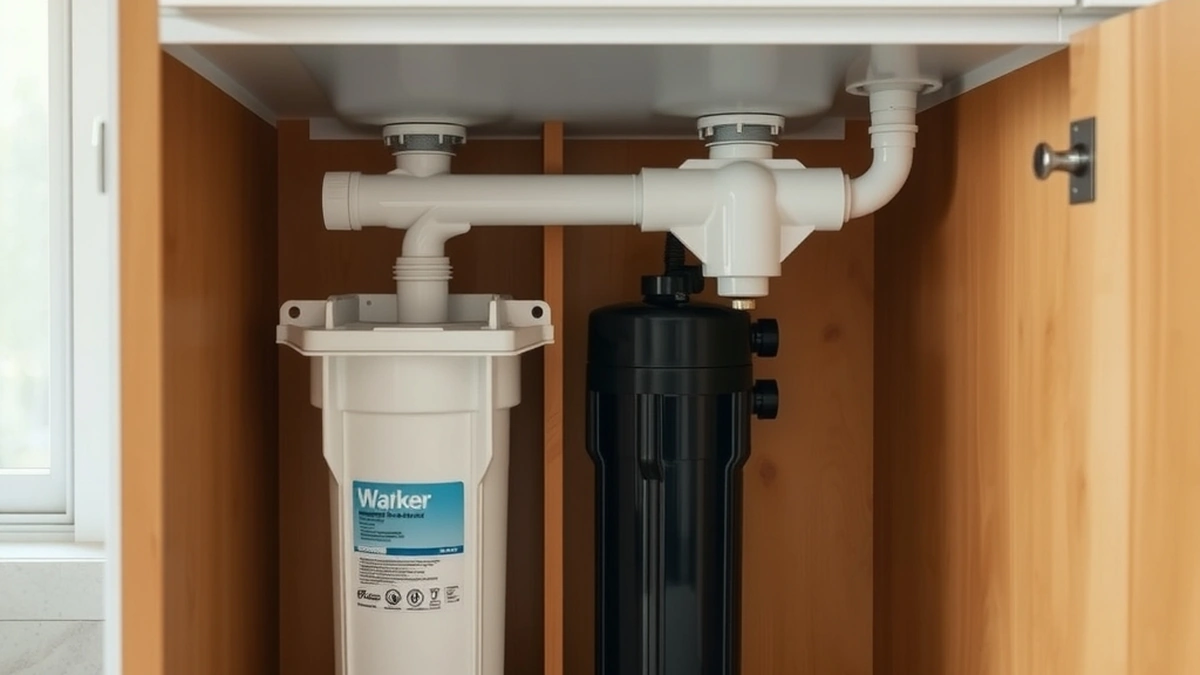
How to choose a under sink water filter
Choose an under sink filter by contaminant, cartridge cost, and faucet fit. See housing sizes, certifications, and the $60-$400 equipment range.
Read the guide →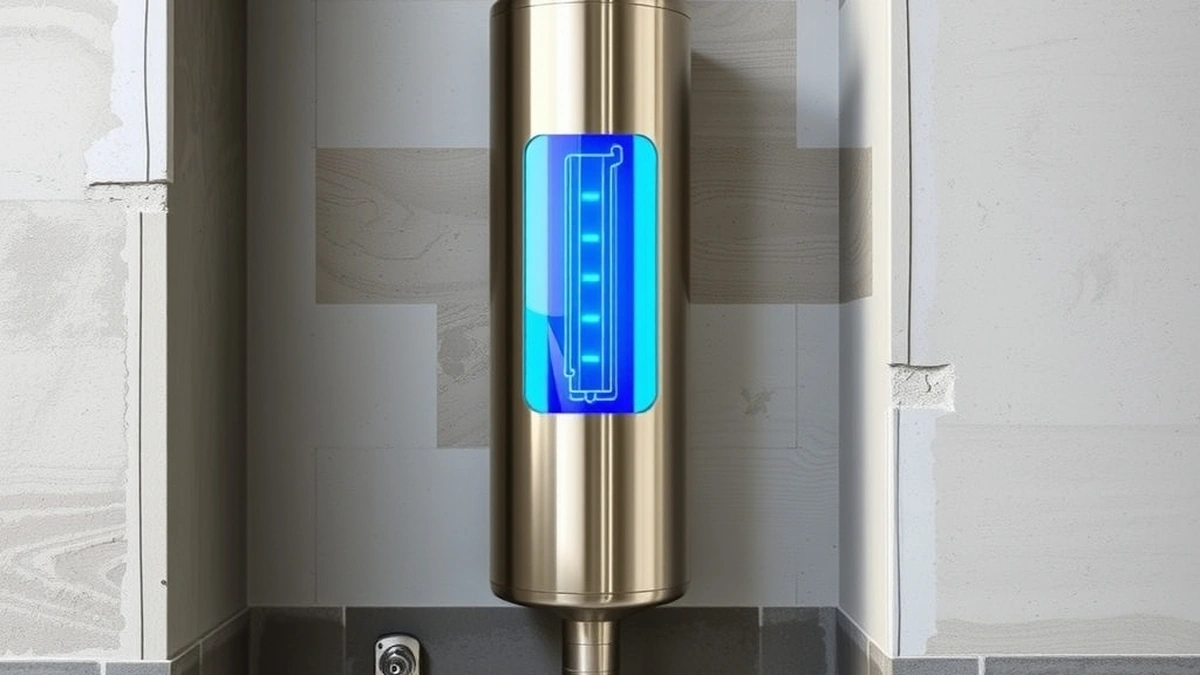
How to choose a UV water purifier
Choose a UV purifier by flow rate, dose, and pre-filtration. See lamp life, sleeve material, and the $300-$900 installed range for whole-house units.
Read the guide →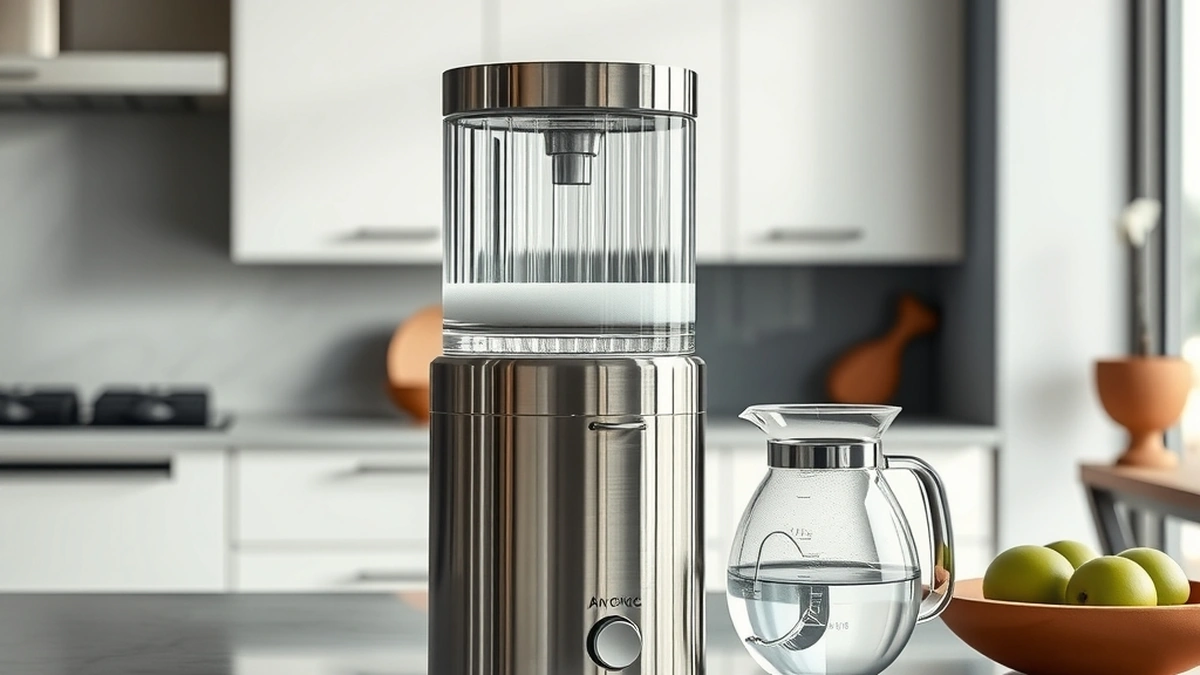
How to choose a water distiller
Choose a distiller by batch size, power draw, and cleaning effort. See stainless vs plastic, output per cycle, and the $150-$500 price band.
Read the guide →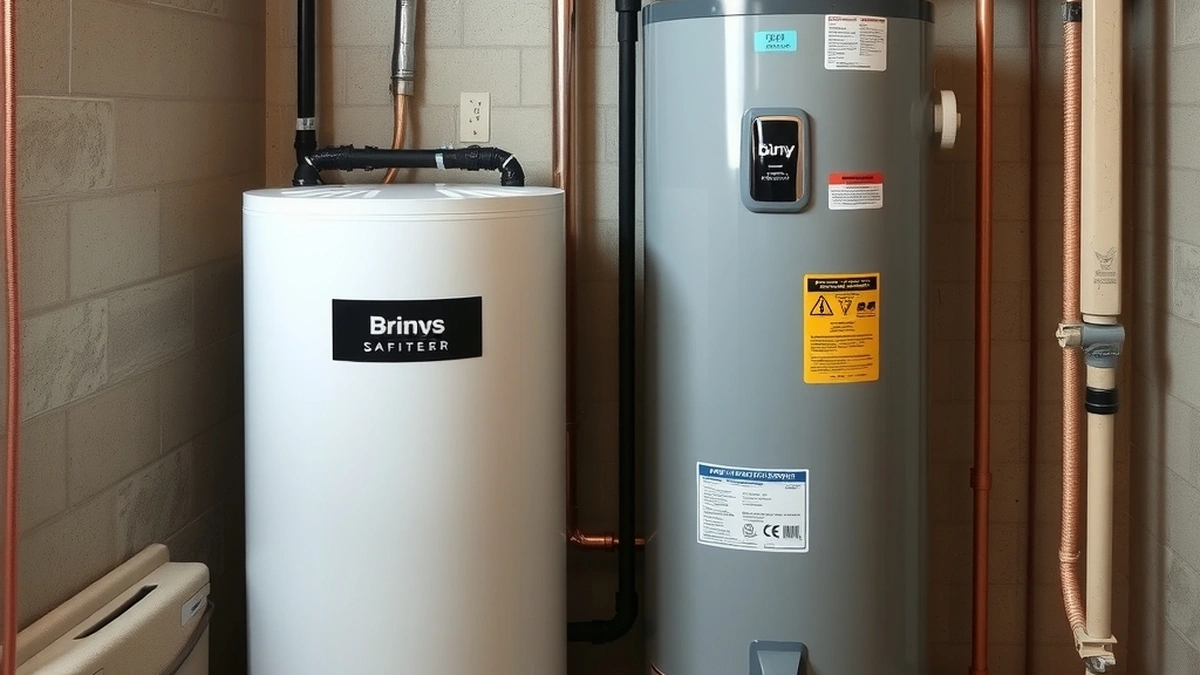
How to choose a water softener
Choose a softener by hardness and daily gallons, not by brand. See the grain-capacity math, valve types, and the $1,200-$4,500 installed range.
Read the guide →
How to choose a water softener alternative
Choose a softener alternative by what you need changed, then by type. See conditioner, descaler, and electronic options and the $100-$1,800 range.
Read the guide →
How to choose a water softener salt
Choose softener salt by purity, form, and valve type. See pellets vs solar vs block, potassium chloride costs, and how dose affects the yearly bill.
Read the guide →
How to choose a water test kit
Choose a water test kit by the contaminants you need to measure and the precision required. See strips vs meters vs lab panels and $15-$150 pricing.
Read the guide →
How to choose a well water treatment system
Choose a well system in order: test, then sediment, iron or sulfur, softener, UV. See the treatment train, sizing, and the $2,000-$8,000 range.
Read the guide →
How to choose a whole house reverse osmosis
Choose whole-house RO by daily gallons, pretreatment needs, and storage. See when a $3,000-$8,000 system beats a $300-$900 sink unit.
Read the guide →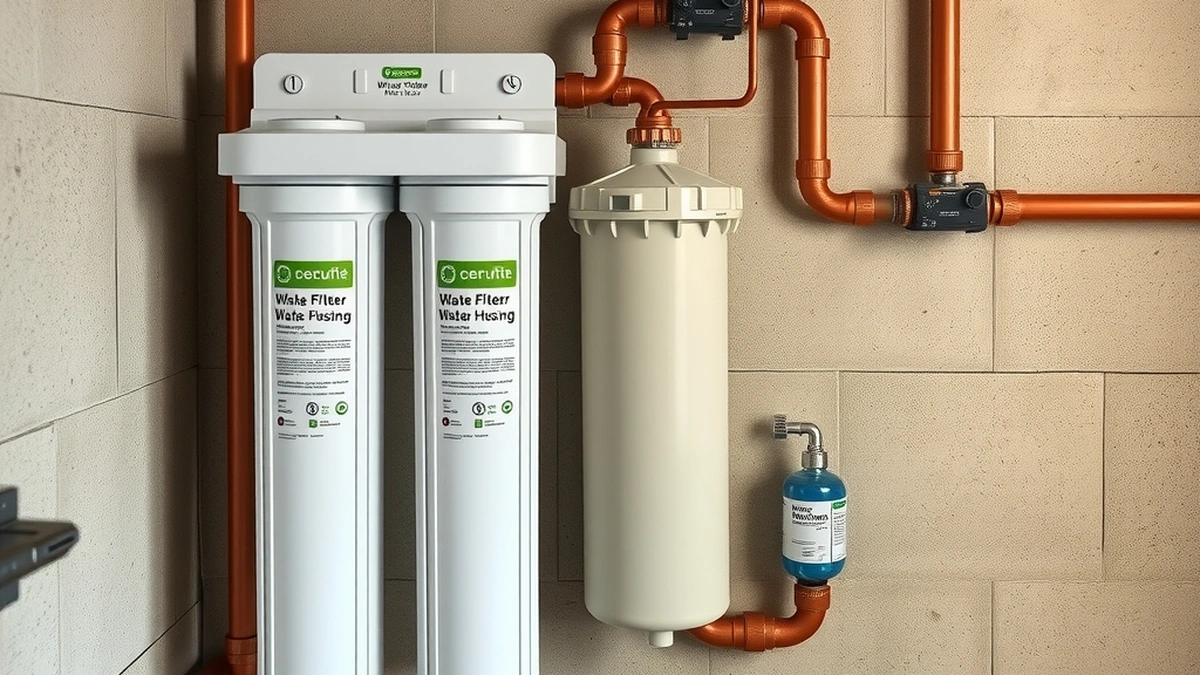
How to choose a whole house water filter
Choose a whole house filter by contaminant and peak flow, then stage count. See micron ratings, GPM sizing, and the $500-$1,800 installed range.
Read the guide →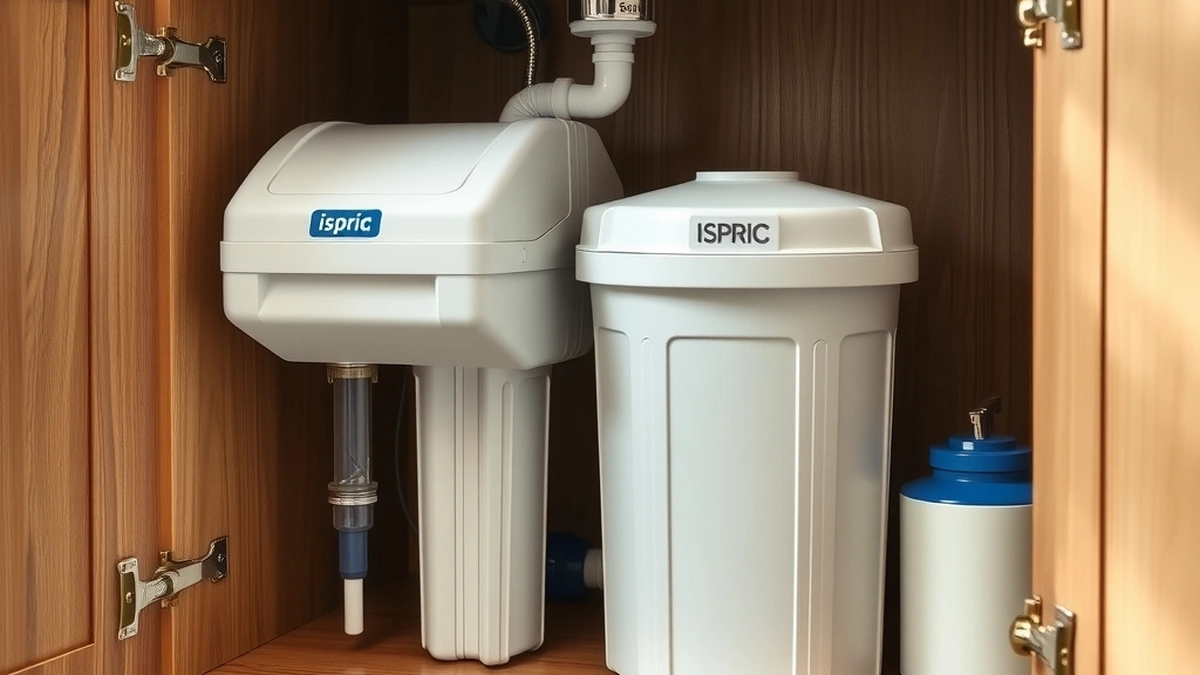
iSpring reverse osmosis review
An owner's-view review of iSpring under-sink RO systems: stage layout, cartridge costs, tank sizing, install effort, and where the design falls short.
Read the guide →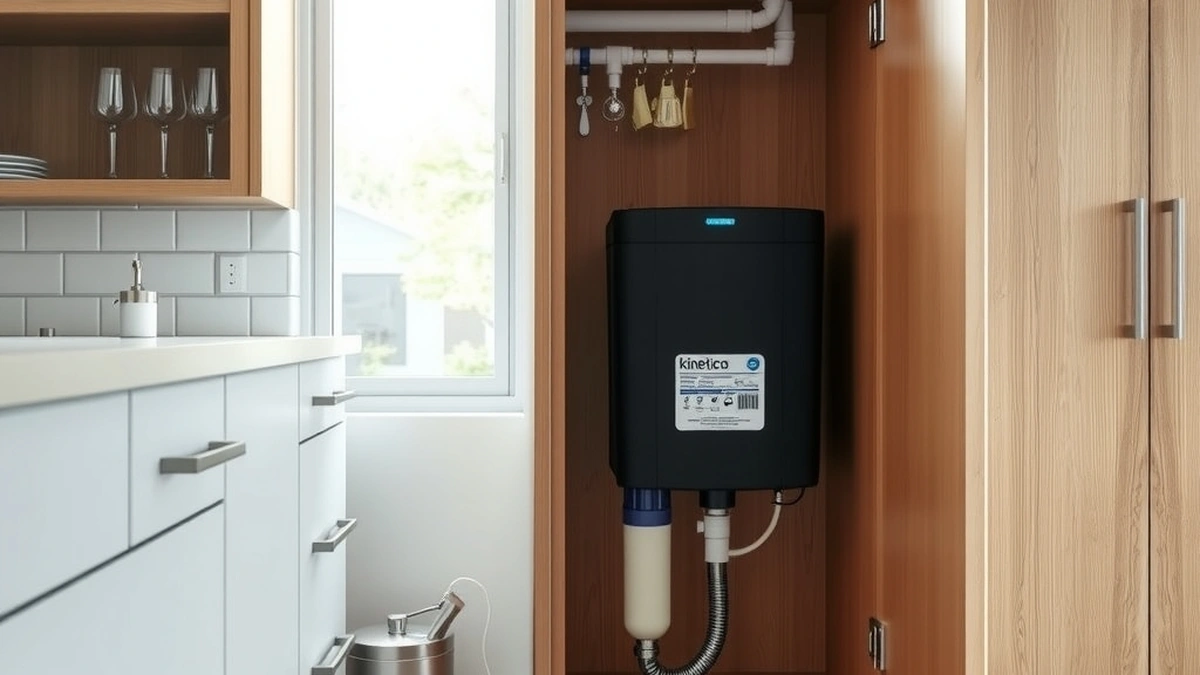
Kinetico water softener review: what the numbers say
Independent review of Kinetico water softeners. We break down grain capacity, regeneration cycles, and installed costs so you can compare options.
Read the guide →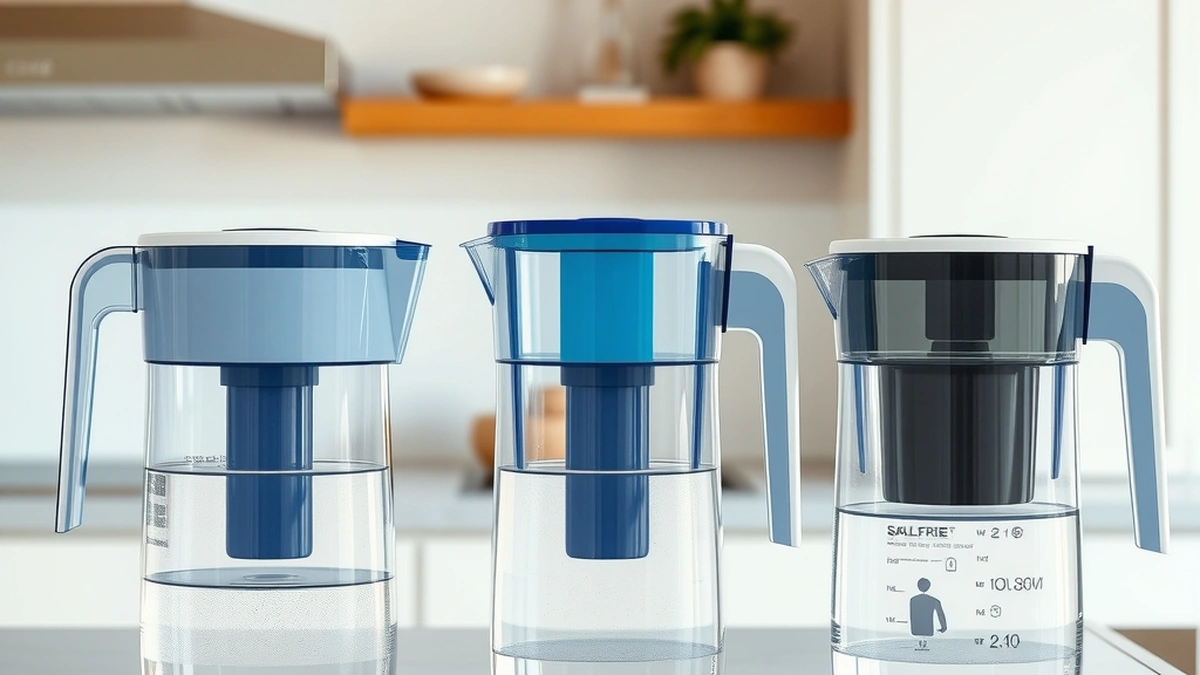
Water filter pitcher reviews
What separates a good pitcher from a bad one: certification, cost per gallon, refill frequency, and cartridge availability. A buying framework, not scores.
Read the guide →