Fleck-Based Softener Review: Costs and Capacity
Installed cost, grain capacity, salt use, and resin life for Fleck-based water softeners.
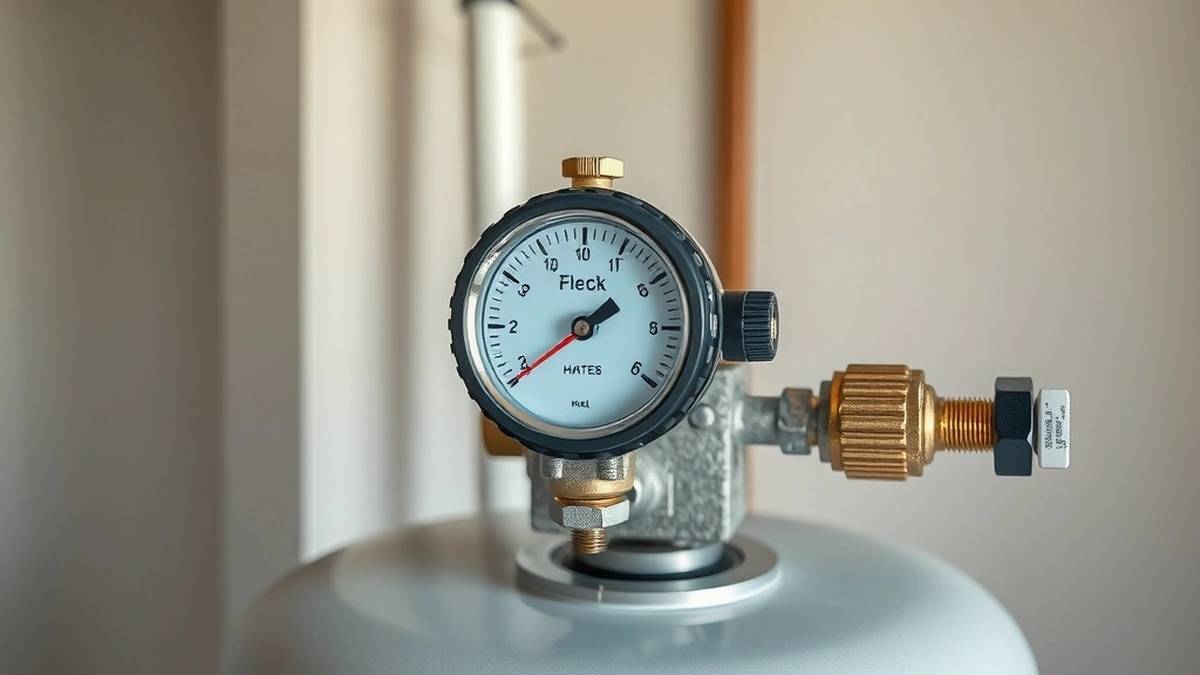
Fleck-based softeners typically cost $1,200–$4,500 installed, offer 24,000–64,000 grain capacity, and last 10–15 years with resin replacement around $300–$600.
- Equipment cost
- $600–$2,500
- Installed cost
- $1,200–$4,500
- Grain capacity
- 24,000–64,000 grains
- Salt per regeneration
- 8–12 lbs
- Resin life
- 8–12 years
Some links on this page are affiliate links.If you buy through them we may earn a commission at no extra cost to you. We do not accept payment for rankings. Read the full disclosure.
A Fleck-based softener is a residential ion-exchange system built around a Fleck control valve. Installed cost typically runs $1,200–$4,500, with equipment priced at $600–$2,500 and labor adding $500–$1,500. Grain capacity ranges from 24,000 to 64,000 grains, and resin life is estimated at 8–12 years.
What a Fleck-Based Softener Is
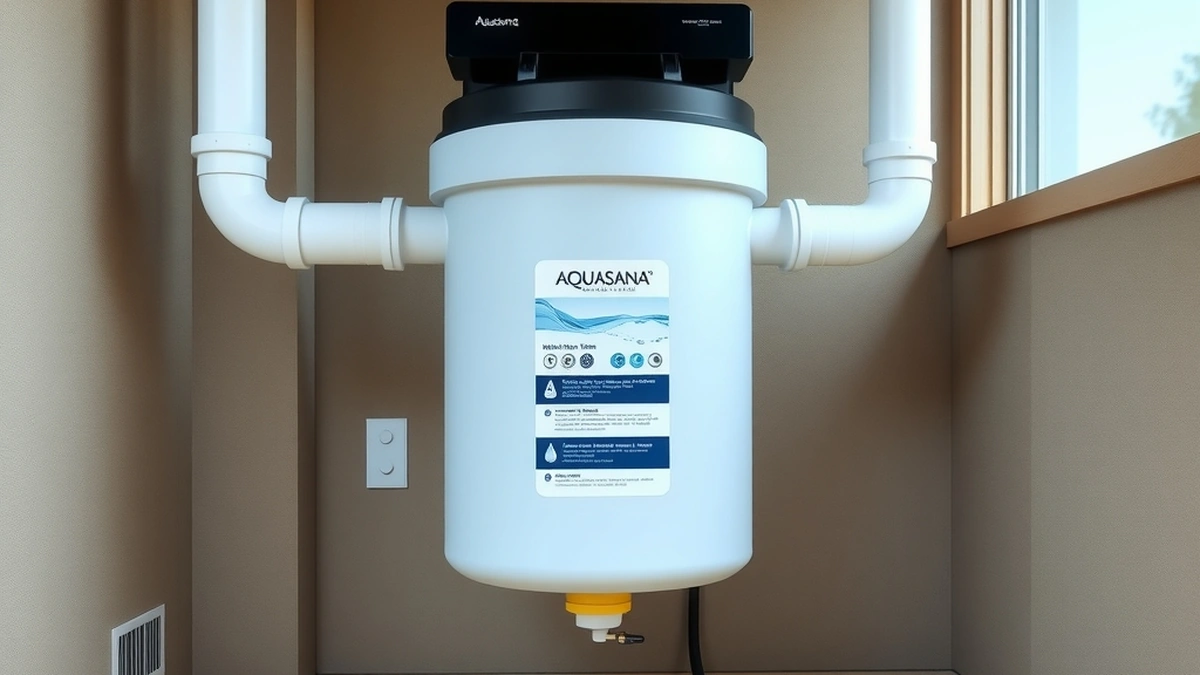
Fleck is a control valve brand, not a complete softener manufacturer. Many assemblers pair Fleck valves with fiberglass tanks, resin beds, and brine tanks to build whole-house softeners. The valve tracks water use and triggers regeneration when resin capacity is depleted. During regeneration, the system draws a brine solution from the salt tank to flush hardness minerals from the resin and recharge it with sodium or potassium ions.
This design separates the brains of the system from the tank. If the valve fails, it can often be replaced without replacing the whole softener. That modularity matters when comparing long-term ownership cost against proprietary systems where the valve and tank are a single sealed unit.
Sizing by Grain Capacity and Hardness
Capacity is measured in grains of hardness removed per regeneration. Common residential models fall between 24,000 and 64,000 grains. To estimate what you need, multiply household size by daily water use, then by water hardness in grains per gallon (GPG).
Example for a four-person home using 75 gallons per person per day with 10 GPG hardness:
4 people × 75 gallons = 300 gallons per day
300 gallons × 10 GPG = 3,000 grains per day
3,000 grains × 7 days = 21,000 grains per week
A 32,000-grain system would regenerate roughly every 10 days at that load. A 64,000-grain system might stretch to three weeks, but larger resin tanks require more salt per regeneration and take up more space. Water hardness categories help frame the need: soft is 0–3 GPG, moderate is 3–7 GPG, hard is 7–10 GPG, and very hard is 10+ GPG.
Test before you buy. A lab water test costs about $40–$150 and confirms hardness and iron. Softener iron handling is limited to roughly 2–3 ppm; above that, a dedicated iron filter may be required, which typically installs for $800–$2,500.
Installed Cost and Operating Math
Equipment costs $600–$2,500. Professional installation adds $500–$1,500, putting total installed cost at $1,200–$4,500. Salt runs $120–$400 per year depending on regeneration frequency and local salt prices. Resin rebed costs $300–$600 and is typically needed every 8–12 years.
Salt use is another recurring number. Systems commonly draw 8–12 pounds of salt per regeneration. If a 40,000-grain unit regenerates twice per month at 10 pounds per cycle, that is 240 pounds of salt annually. At $0.50 per pound, annual salt cost is about $120. Heavier regeneration or higher salt prices push toward the $400 end of the range.
Over a 10- to 15-year system life, budget for one or two resin rebeds. At $300–$600 each, that adds $300–$1,200 to lifetime cost. Combined with salt, a 12-year ownership period might look like this:
Salt: $120–$400 per year × 12 years = $1,440–$4,800
Resin rebed: $300–$600 × 1–2 = $300–$1,200
Installed equipment: $1,200–$4,500
Total 12-year estimate: $2,940–$10,500
These are estimates, not quotes. Actual cost depends on local labor rates, plumbing access, and water chemistry.
What a Softener Does Not Do
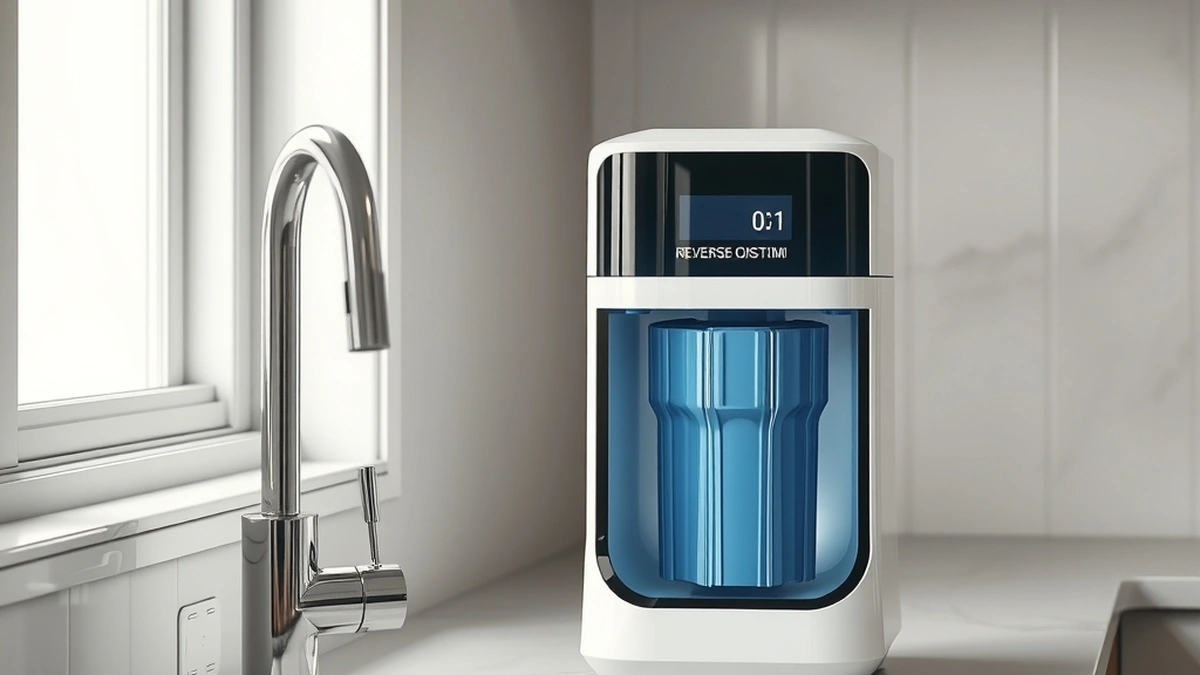
A softener exchanges calcium and magnesium for sodium or potassium. It does not remove nitrate, bacteria, viruses, pesticides, or dissolved solids. The EPA nitrate limit for drinking water is 10 mg/L; if your water exceeds that, softening will not fix it. Reverse osmosis can address nitrate and many dissolved contaminants. Under-sink RO equipment costs $200–$600, with installed cost around $300–$900 and annual running costs of $60–$150. RO membranes last 2–3 years, and typical waste ratios are 3–4:1 with rejection rates of 80–95 percent.
Whole-house RO is a different scale, installing for $3,000–$8,000. Carbon filtration targets chlorine taste and odor, with cartridge replacement every 6–12 months at $80–$300 per year. Sediment cartridges usually need replacement every 3–6 months. If your concern is sulfur or bacterial contamination, those require separate treatment paths; UV lamp replacement is due every 12 months at $30–$90.
Maintenance Schedule
Salt level should be checked monthly. The brine tank should be kept at least one-third full, and salt bridges or mushing should be broken up before regeneration. Resin beds can last 8–12 years, though high iron or chlorine exposure can shorten that window. Control valve seals and pistons may need service over a 10- to 15-year system life.
A basic annual checklist:
- Check salt level and break up salt bridges
- Inspect brine tank for sediment buildup
- Verify regeneration cycle timing matches household water use
- Test water hardness annually to confirm the system is still removing hardness
- Schedule resin rebed when capacity drops or hardness breaks through
Comparing Alternatives
Salt-free conditioners install for $500–$1,800 and do not use salt or resin, but they do not remove hardness minerals; they alter scale formation behavior. Whole-house carbon filters install for $500–$1,800 and address chlorine and sediment, not hardness. If you need both softening and whole-house filtration, expect to stage equipment and pay for two maintenance schedules.
For well water, total treatment cost often includes a softener plus pre-treatment for iron, sulfur, or sediment. Well water treatment cost varies widely by contaminant, so the lab test result determines the equipment list, not the other way around.
Bottom Line
Fleck-based softeners are a common, serviceable platform for whole-house hardness reduction. Installed cost of $1,200–$4,500, grain capacity of 24,000–64,000, salt use of 8–12 pounds per regeneration, and resin life of 8–12 years are the numbers to size by. Start with a water test, match capacity to your daily grain load, and budget for salt and resin rebed over a 10- to 15-year horizon.
Next, compare how much does a water softener cost, water softener installation cost, whole house water filter cost before you commit.
Frequently asked questions
What does Fleck-based mean?
It means the softener uses a Fleck control valve to manage regeneration cycles, paired with a resin tank and brine tank.
How much does a Fleck-based softener cost installed?
Installed cost typically ranges from $1,200 to $4,500 depending on capacity, plumbing, and labor.
How often do you add salt?
Salt use depends on water hardness and household volume; expect roughly 8–12 pounds per regeneration cycle.
How long does the resin last?
Resin typically lasts 8–12 years before a rebed is needed, which costs about $300–$600.
Can a softener remove iron?
Softeners can handle limited dissolved iron, generally up to 2–3 ppm; higher levels usually need a dedicated iron filter.
Should I test water before buying?
Yes. A lab water test costs about $40–$150 and confirms hardness and iron levels before you size equipment.
Sources
Some links are affiliate links.If you buy through them we may earn a commission at no extra cost to you. We do not accept payment for rankings. Read the full disclosure.