
Problems guides
Hard water, iron stains, sulfur smell, bacteria and sediment — diagnosed before anything is bought.
Symptom first, equipment second
Almost every wasted water-treatment purchase starts the same way: a symptom is described to a salesperson, and a system is sold before anyone tests the water. Hardness, iron, sulfur, sediment and bacteria each need a different test and a different fix, and two of them can look identical in the shower.
| Symptom | Likely cause | Test that proves it | What fixes it |
|---|---|---|---|
| White scale on fixtures, soap won't lather | Hardness (calcium, magnesium) | Hardness test, grains per gallon | Ion-exchange softener |
| Orange or brown stains, metallic taste | Iron (ferrous or ferric), manganese | Iron and manganese lab test | Oxidation + filtration; softener only for low iron |
| Rotten-egg smell, worse on hot water | Hydrogen sulfide, or bacteria in the heater | Sulfur test; coliform test | Aeration or catalytic carbon; heater sanitising |
| Cloudy or gritty water | Sediment, turbidity | Turbidity and sediment test | Sediment filter, 5–20 micron |
| Blue-green stains, metallic taste | Low pH, corrosive water | pH and alkalinity | Acid neutraliser |
| Stomach illness after drinking | Coliform bacteria, nitrate | Lab bacteria and nitrate test | Disinfection, UV, RO for nitrate |
Hardness: the one you can measure at home
Hardness is reported in grains per gallon (gpg) or milligrams per litre as calcium carbonate. Under 3 gpg is soft, 3–7 is moderately hard, 7–10 is hard, and above 10 is very hard. A $15 titration kit is accurate enough to size a softener; a strip is accurate enough to decide whether you need one at all.
Municipal suppliers publish hardness in the annual water quality report, but the number at your tap can differ after blending or seasonal source changes. Test at the tap, and test both hot and cold if you have a softener already — a failed unit shows up as hard hot water with soft cold.
Iron: the reason softeners get blamed
Ferrous iron is dissolved and clear; it oxidises to ferric iron on contact with air and turns brown. A softener can handle small amounts — roughly up to 2–3 ppm in many residential units — but higher iron fouls the resin and the unit stops softening. The fix is oxidation (air, chlorine or ozone) followed by filtration, then softening if hardness is also a problem.
Manganese behaves similarly at lower concentrations and stains black rather than orange. If either is above the softener's limit, the order of equipment changes: iron removal first, softener second.
Sulfur and bacteria: the health line
Hydrogen sulfide is an odour problem; coliform bacteria are a health problem, and only a lab test separates them. A sulfur smell that appears only on hot water usually means bacteria in the water heater, not in the well — sanitising the heater is the fix, not a new filter. A smell on cold water at every tap points to the supply.
Nitrate has no taste and no smell. It comes from fertiliser, septic systems and manure, and it is the one contaminant where a cheap DIY strip is worth using monthly if you have a private well near agricultural land. Above 10 mg/L as nitrogen, do not drink the water and do not mix formula with it; a lab confirmation and a reverse-osmosis unit at the tap are the minimum response.
Start with the well water testing guide if you are on a private supply, and the hard water symptoms guide if the complaint is scale rather than stains. The systems hub explains what each piece of equipment removes; the cost hub carries the installed prices.
How often should I test well water?
Once a year for bacteria and nitrate, and every 3–5 years for the full panel (pH, hardness, iron, manganese, arsenic, lead). Test sooner if the water changes colour, taste or smell, or if a neighbour's well tests positive for bacteria.
Can a softener remove bacteria?
No. A softener is an ion-exchange unit, not a disinfectant, and bacteria can multiply in the resin bed. Bacteria need disinfection and usually a UV unit after filtration.
Is hard water dangerous?
No — it is a nuisance, not a health risk. The costs are scale in appliances, extra soap and shorter water-heater life, which is why the decision is economic rather than medical.
All problems guides
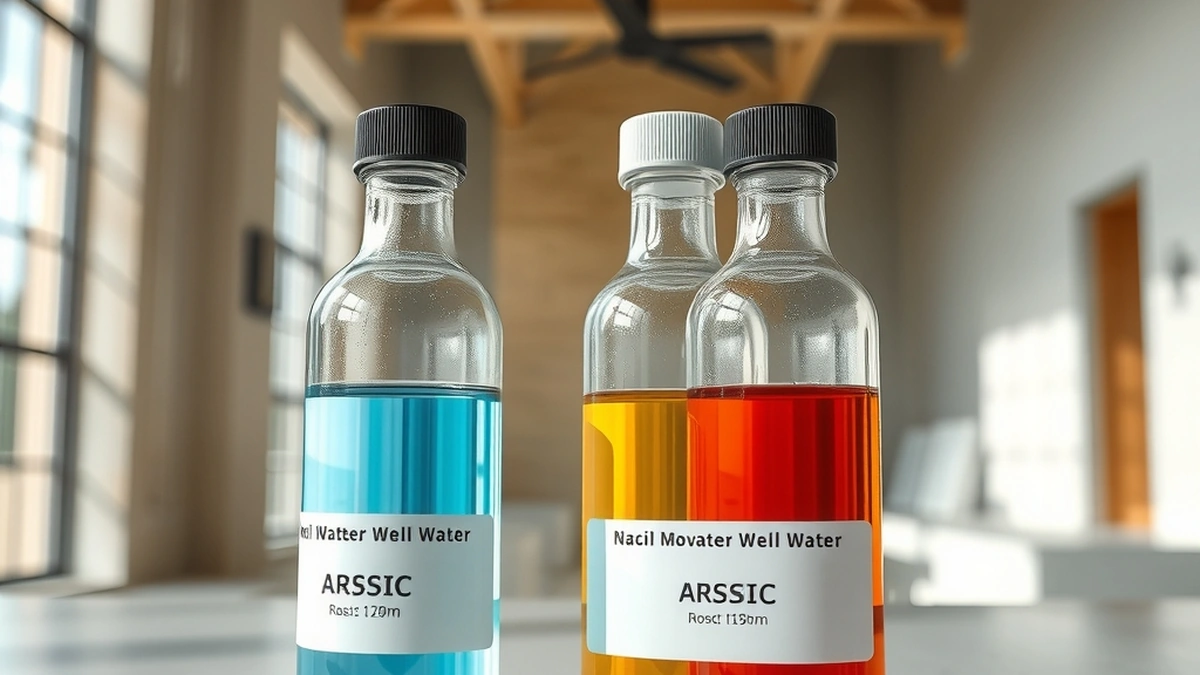
How to Test for Arsenic in Water: Lab and Speciation
Arsenic needs a certified lab, not a strip. See total versus speciated testing, sampling rules, and what a result above 0.010 mg/L means.
Read the guide →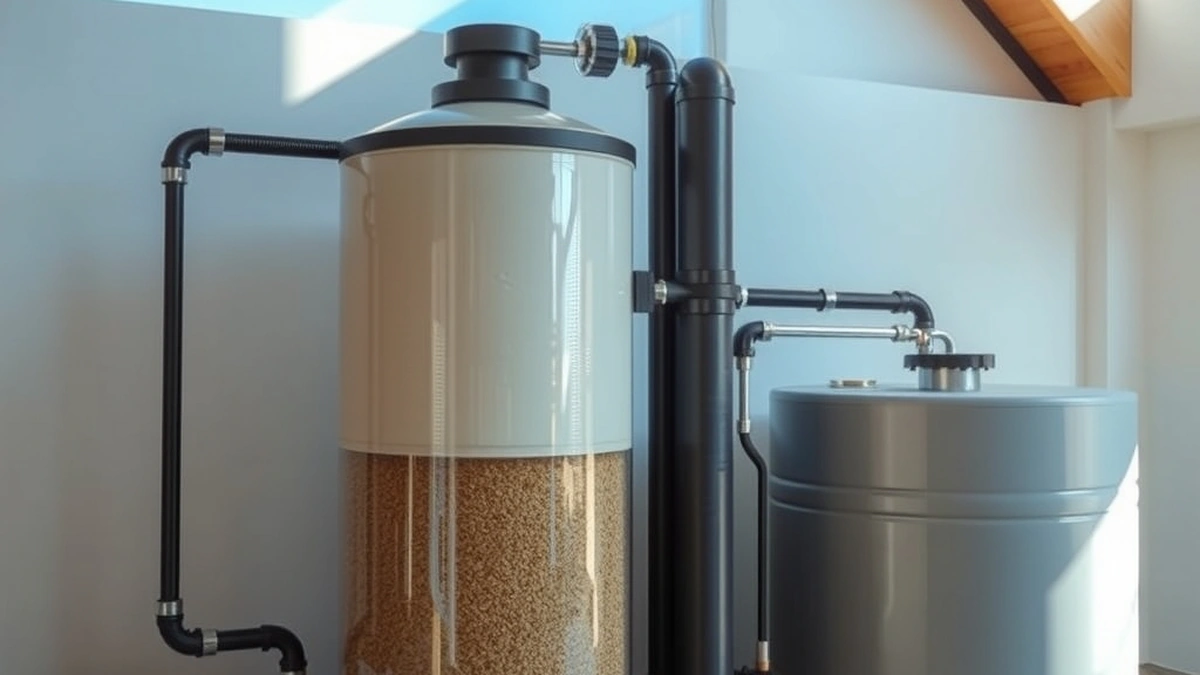
Arsenic in Water Treatment: Media, RO, and Oxidation
Arsenic treatment depends on the species: As(V) responds to adsorptive media and RO, while As(III) needs oxidation first. Compare costs and limits.
Read the guide →
Arsenic in Well Water: Treatment Options
How to test for arsenic in well water and compare treatment methods including reverse osmosis, adsorption, and whole-house systems.
Read the guide →
How to Test for Bacteria in Water: Sampling Rules
A bacteria test needs a sterile bottle, a clean tap, and fast delivery. See what coliform and E. coli mean and how to avoid a false result.
Read the guide →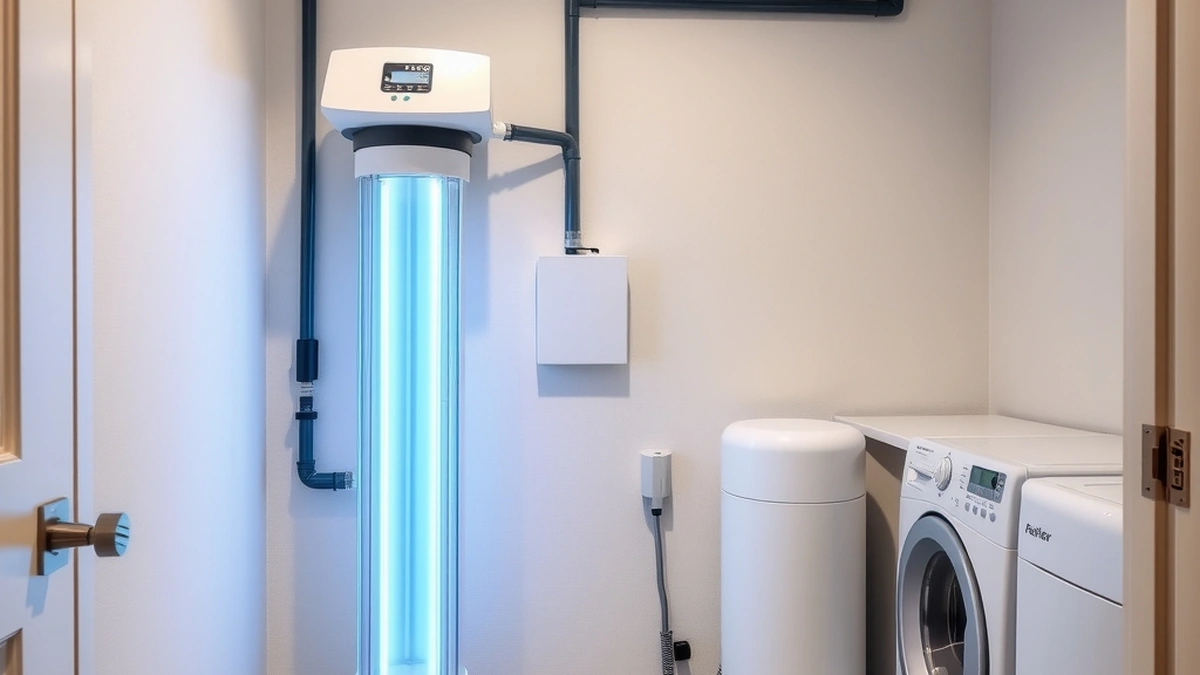
Bacteria in Water Treatment: UV, Chlorine, or Both
Bacteria treatment depends on the source: shock chlorination for a one-time hit, UV or continuous chlorine for ongoing control. Compare costs and limits.
Read the guide →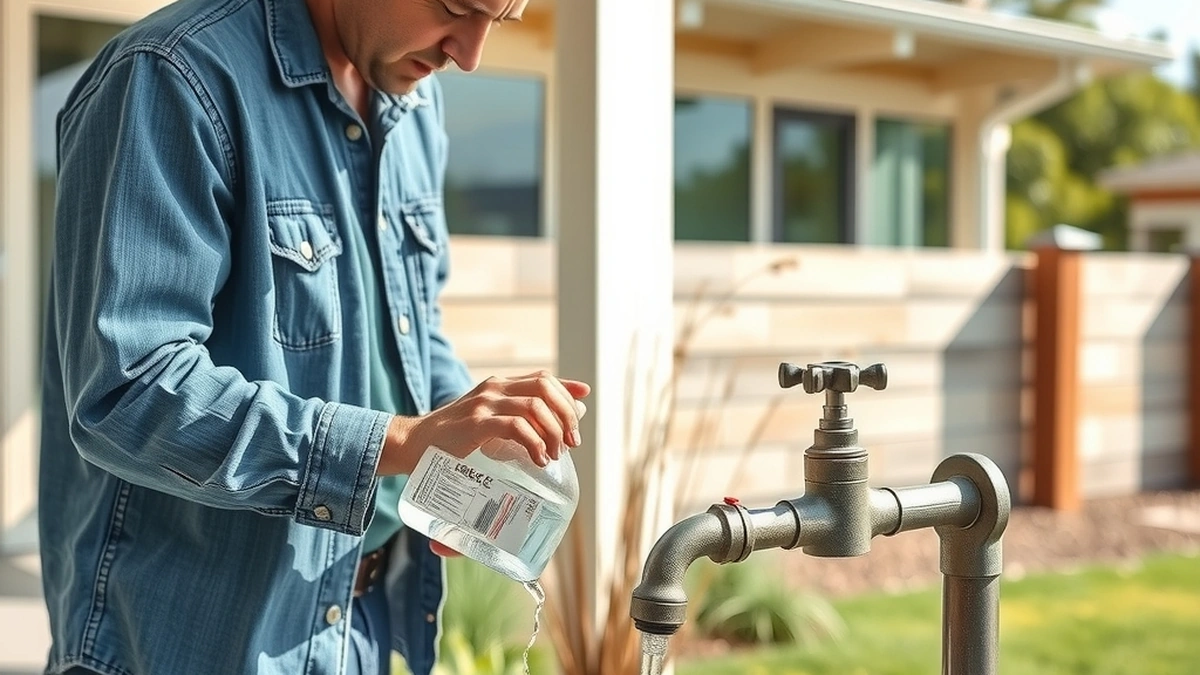
Bacteria in Well Water: Test, Shock, Retest
A numbers-first guide to coliform bacteria in private wells, including lab testing, shock chlorination costs, and retest timing.
Read the guide →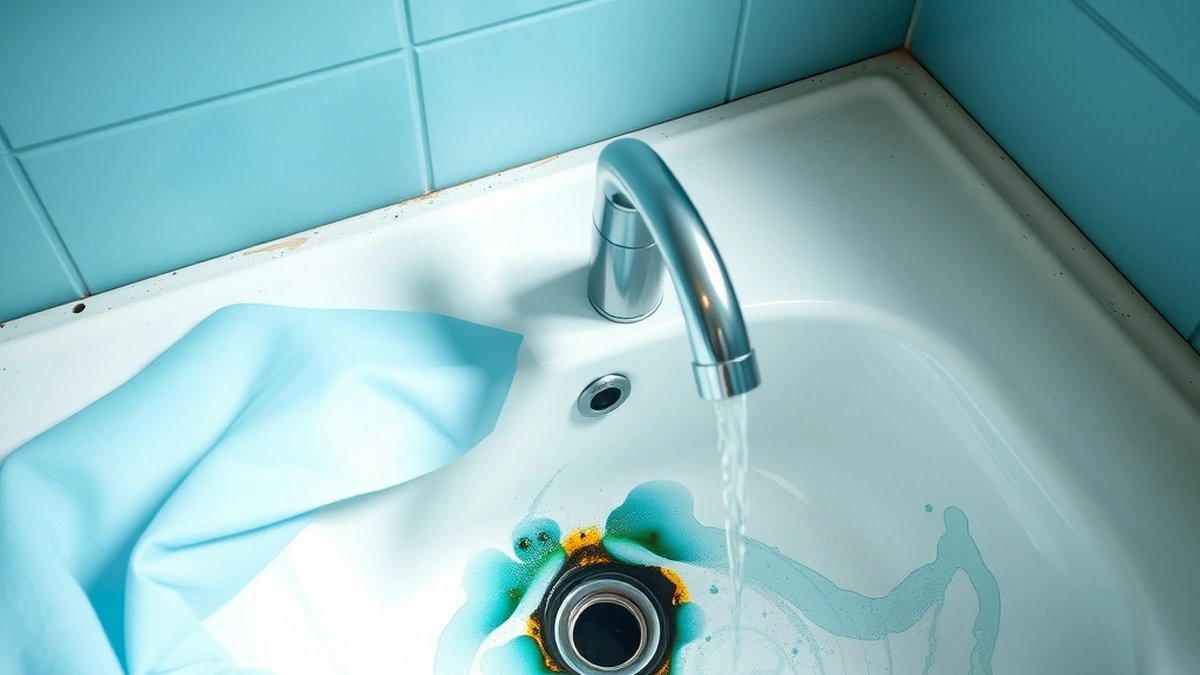
Blue-Green Stains: Corrosive Water, Not Copper Pipes Alone
Blue-green stains usually signal low-pH, corrosive water eating copper plumbing. Learn what tests to run and which treatment options fit.
Read the guide →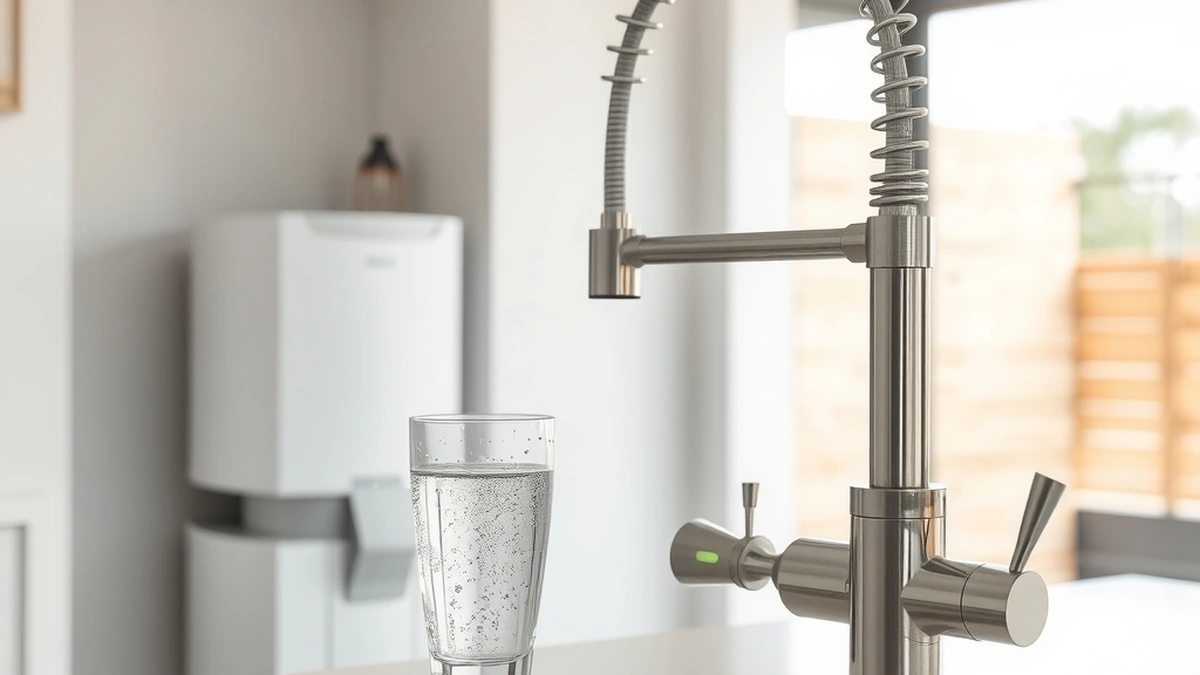
Can You Drink Softened Water?
A numbers-first look at sodium levels, safety, and alternatives for drinking water from a home softener.
Read the guide →
Chlorine in Tap Water: How Much and How to Remove It
Typical chlorine levels in municipal tap water, testing options, and treatment methods with installed costs and operating numbers.
Read the guide →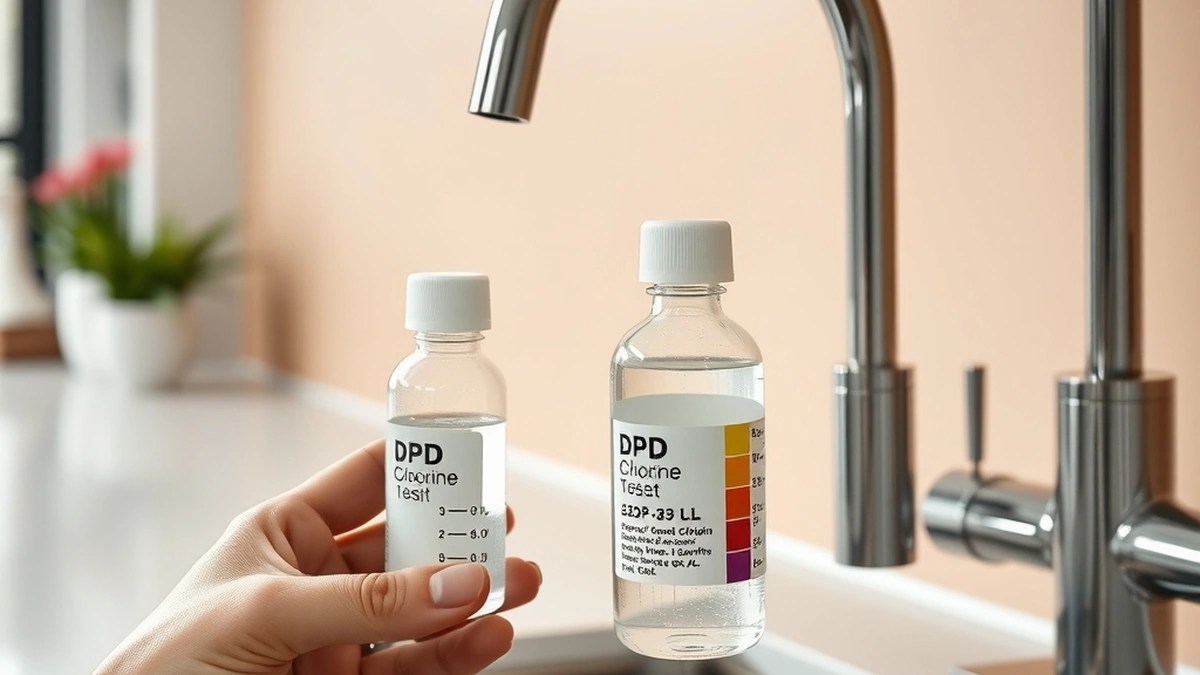
How to test for chlorine in water
How chlorine test kits work, the difference between free and total chlorine, and how to check whether a filter is still working.
Read the guide →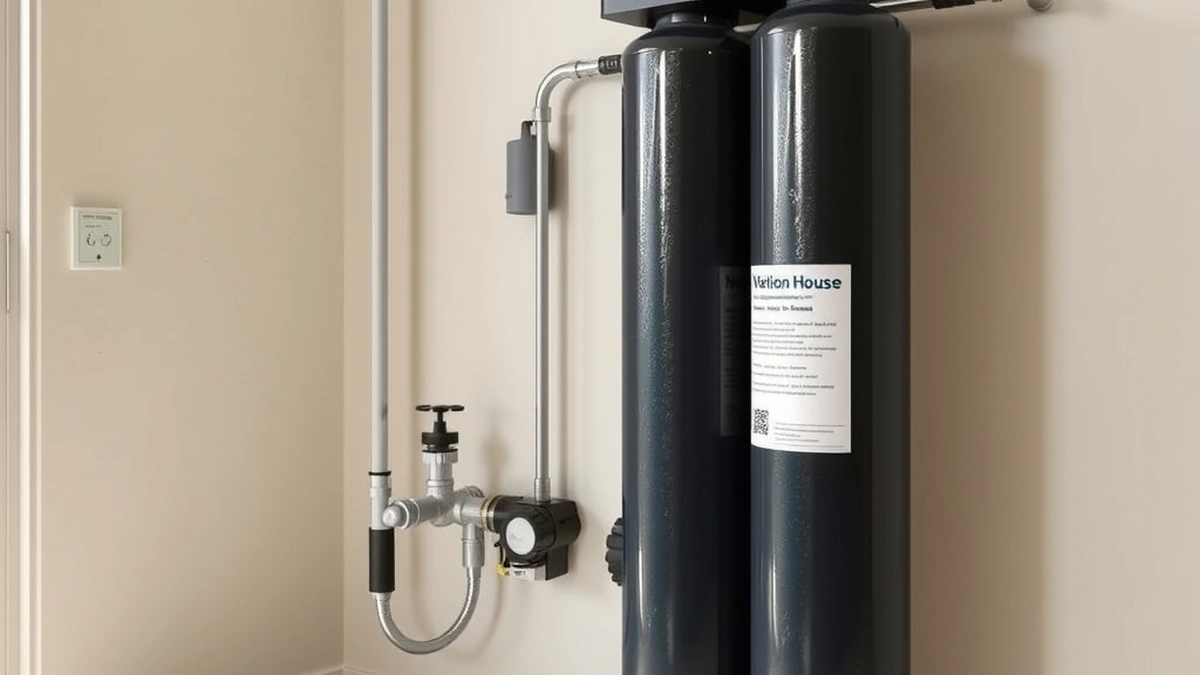
Chlorine in water treatment options
How to remove chlorine and chloramine from drinking water, which carbon media work, and where the filter belongs in the system.
Read the guide →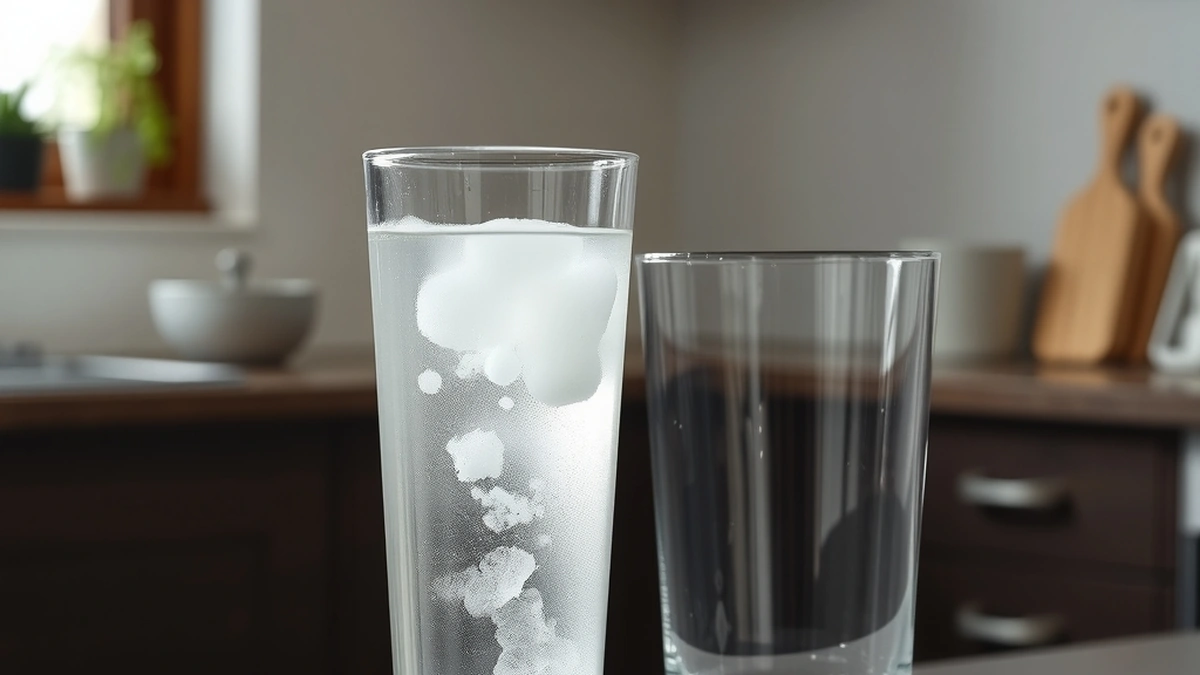
Cloudy Water: Air, Sediment or Hardness
Diagnose cloudy tap water by cause—air bubbles, sediment, or dissolved minerals—and compare treatment costs before buying equipment.
Read the guide →
How to Test Cloudy Water: Air, Sediment, or Bacteria
A glass, a clock, and a turbidity reading separate air from sediment from bacteria. See the tests to run and when a lab panel is worth ordering.
Read the guide →
Cloudy Water Treatment: Match the Cause Before the Filter
Cloudy water can be air, sediment, hardness, or bacteria. See how each cause looks, which fix applies, and what the treatment costs.
Read the guide →
Filtered Shower Head for Hard Water: Media and Limits
Filtered shower heads use carbon, KDF, or vitamin C media, none of which remove hardness. Compare media types, costs, and what actually stops scale.
Read the guide →
Hard water: causes, signs and treatment
Hard water carries dissolved calcium and magnesium that form scale and soap scum. See how hardness is measured, what it affects, and what treatment costs.
Read the guide →
What Hard Water Does to Appliances
Hard water scale reduces appliance efficiency, increases energy use, and shortens equipment life. See the numbers and treatment options.
Read the guide →
Hard water and hair: what a softener changes
Hard water leaves calcium soap residue in hair that feels waxy and stiff. See what ion exchange actually changes and what it does not.
Read the guide →
Hard Water and Skin: What the Evidence Supports
What research says about hard water effects on skin, plus equipment numbers, testing steps, and cost ranges for US homes.
Read the guide →
Hard water filter
Why most filters sold for hard water do not soften, which devices actually remove hardness, and what to buy instead.
Read the guide →
Hard Water in an Apartment: Options Without Plumbing
Portable and no-plumbing ways to manage hard water in rentals, plus costs and limits for each approach.
Read the guide →
Hard Water Shampoo: What It Can and Cannot Fix
Chelating shampoos lift mineral film that hard water leaves on hair. See how they work, what they cost, and why treating the water is the durable fix.
Read the guide →
Hard water softener
How to choose and size a softener for hard water, what it costs, and how to tell whether ion exchange or a salt-free unit fits.
Read the guide →
Hard water softening system
How a softening system removes hardness, how to size it to a house, and what it costs to install and run in the first year.
Read the guide →
Hard water stain remover
How to remove hard water stains from glass, tile, and fixtures, which products work on which surface, and how to stop them returning.
Read the guide →
Hard Water Stains: What They Are and Why They Form
White chalky spots, cloudy glass, and soap scum come from calcium and magnesium. Learn to tell hardness stains from iron and silica before treating.
Read the guide →
Hard Water Symptoms: What Scale Actually Tells You
Scale buildup, spotty dishes, and dry skin are common hard water symptoms. Learn what scale indicates and how to test before buying equipment.
Read the guide →
Hard Water Test: How to Measure Hardness Correctly
Test hardness with strips, drops, or a lab panel, and sample from the right tap. See what each method reports and how to read the number before buying.
Read the guide →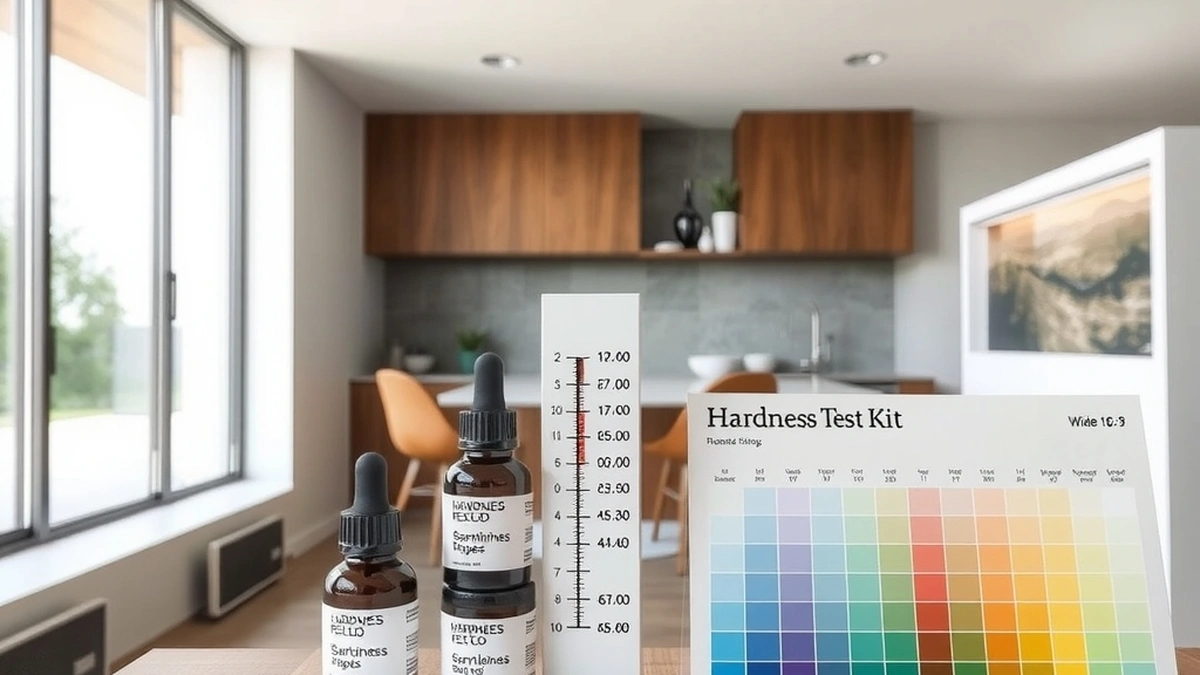
Hard Water Test Kit: Strips, Drops, and Lab Panels
Compare hardness test kits by accuracy, cost, and what they measure. See which kit answers your question and when to send a sample to a lab.
Read the guide →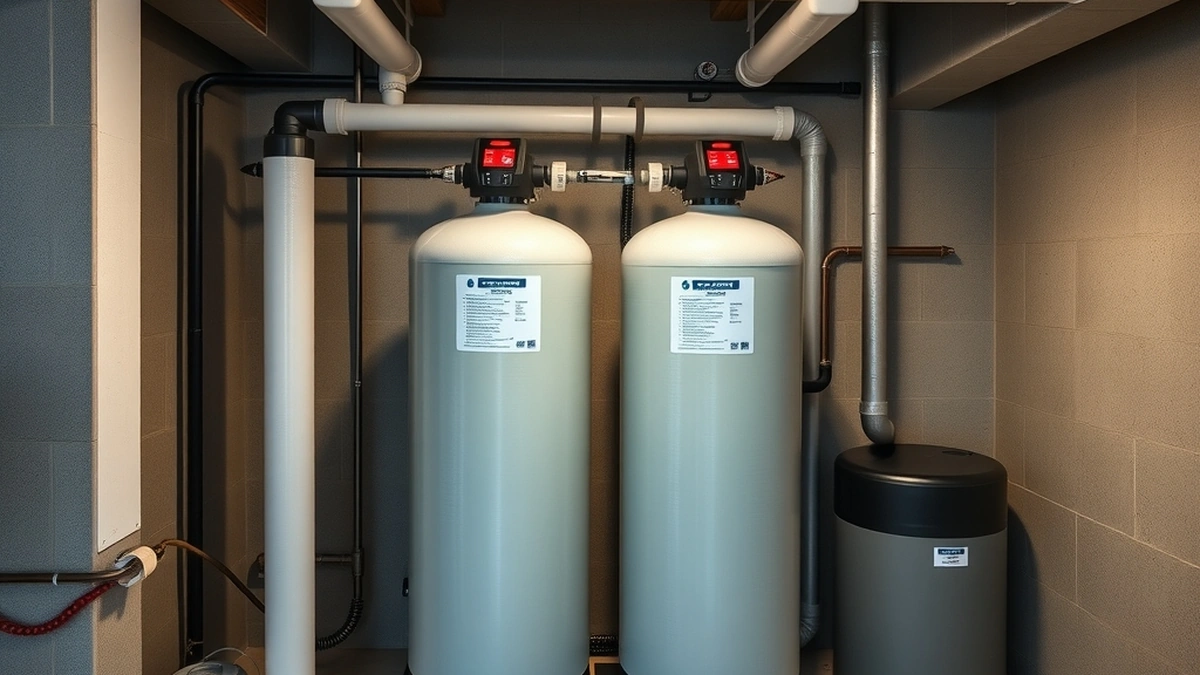
Hard Water Treatment: Every Method Compared
Ion exchange, conditioners, reverse osmosis, and descalers treat hardness differently. Compare what each removes, what it costs, and where it fits.
Read the guide →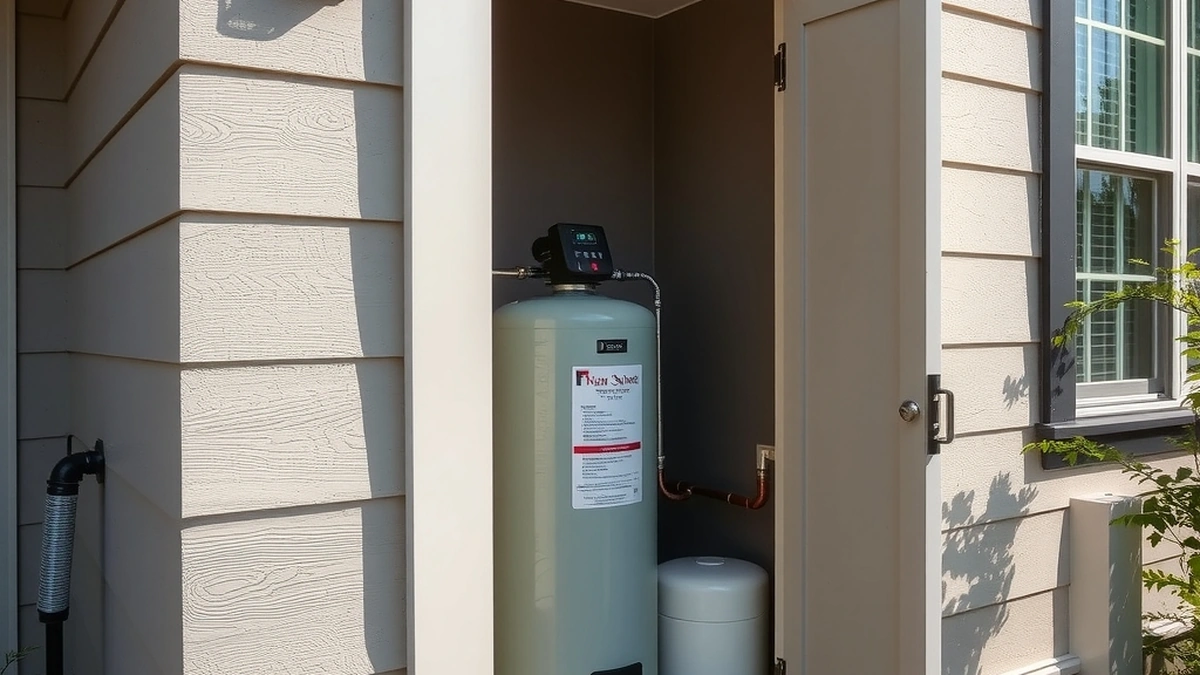
HOA rules on softeners and brine discharge
HOAs and water districts can restrict softener placement, brine discharge, and visible equipment. See the common clauses and how to get approval.
Read the guide →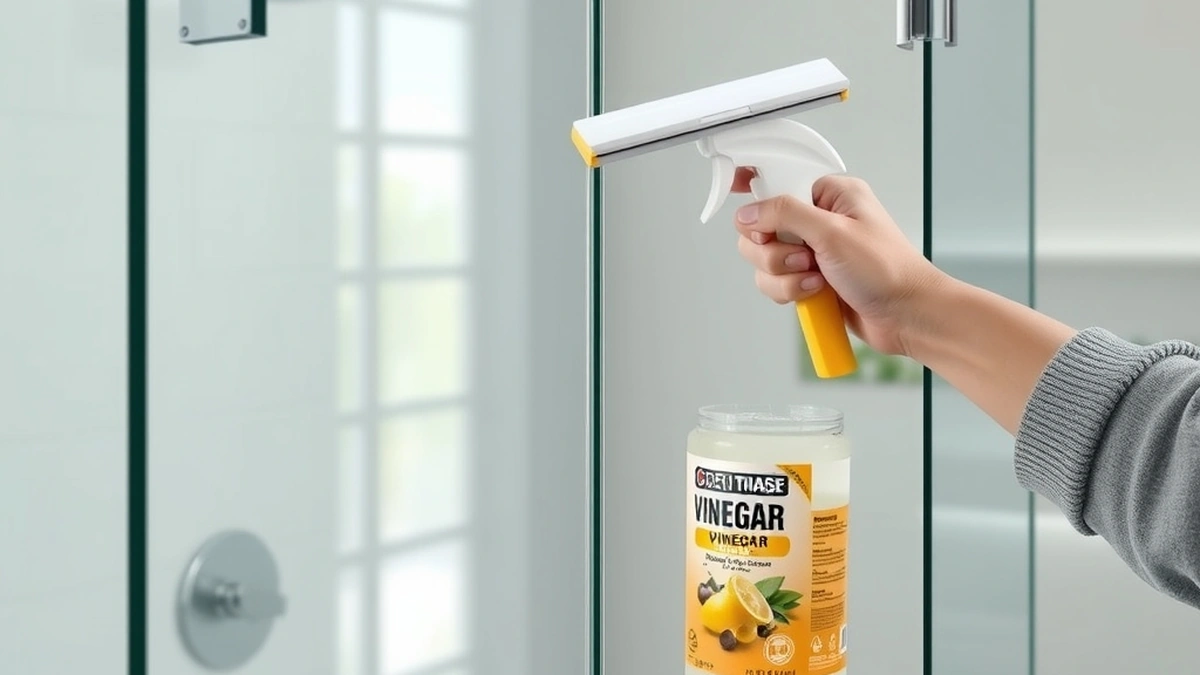
How to Get Rid of Hard Water Stains for Good
Removing the stain is half the job; stopping it from returning is the other. See the cleaning sequence, prevention habits, and when to treat the water.
Read the guide →
How to Read a Water Test Report: A Homeowner's Guide
A numbers-first guide to reading water test results, matching contaminants to treatment options, and estimating installed costs.
Read the guide →
How to Remove Hard Water Stains From Glass Safely
Shower doors, windows, and vases need different methods. See the acid soak, the razor-blade technique, and how to tell etching from deposit.
Read the guide →
How to Treat Hard Water: A Decision Path by Number
Treatment follows the hardness number, not the symptom. See which option fits 4 GPG versus 12 GPG, what each costs, and the order to install them.
Read the guide →
Hydrogen Sulfide Treatment: Aeration vs Chemical Oxidation
Compare aeration and chemical oxidation for removing hydrogen sulfide from well water, including equipment, installed cost, and maintenance.
Read the guide →
Ion Hard Water Shampoo: Chelating on a Budget
Ion's hard water shampoo uses chelating agents to lift mineral film at a drugstore price. See how it compares with salon formulas and what it cannot fix.
Read the guide →
Iron Bacteria: The Slime That Clogs Filters
How iron bacteria form slime in well water, clog filters and softeners, and what treatment options cost.
Read the guide →
How to Test for Iron in Water: Lab vs Field Kits
Iron testing needs the right sample, the right kit, and the right reading. See ferrous vs ferric tests, lab panels, and what the numbers mean.
Read the guide →
Iron in Water Treatment: Choosing the Right Filter
Iron treatment depends on the type and level: softener for low iron, oxidizing filters for higher, and chlorination for iron bacteria. Compare costs.
Read the guide →
Iron in Well Water: Testing, Staining and Treatment
How to test for iron in well water, identify staining types, and compare treatment options with installed costs and operating numbers.
Read the guide →
Lead in Tap Water: Sources and What Removes It
How lead gets into drinking water, how to test for it, and which treatment systems reduce it, with installed cost ranges and maintenance figures.
Read the guide →
How to Test for Lead in Water: First Draw vs Flushed
Lead testing depends on which sample you take. See first-draw versus flushed sampling, the 0.015 mg/L action level, and how to read a lab report.
Read the guide →
Lead in Water Treatment: Filters, RO, and Flushing
Lead usually comes from pipes and fixtures, not the source. See certified filters, RO, and flushing, with costs and the 0.015 mg/L action level.
Read the guide →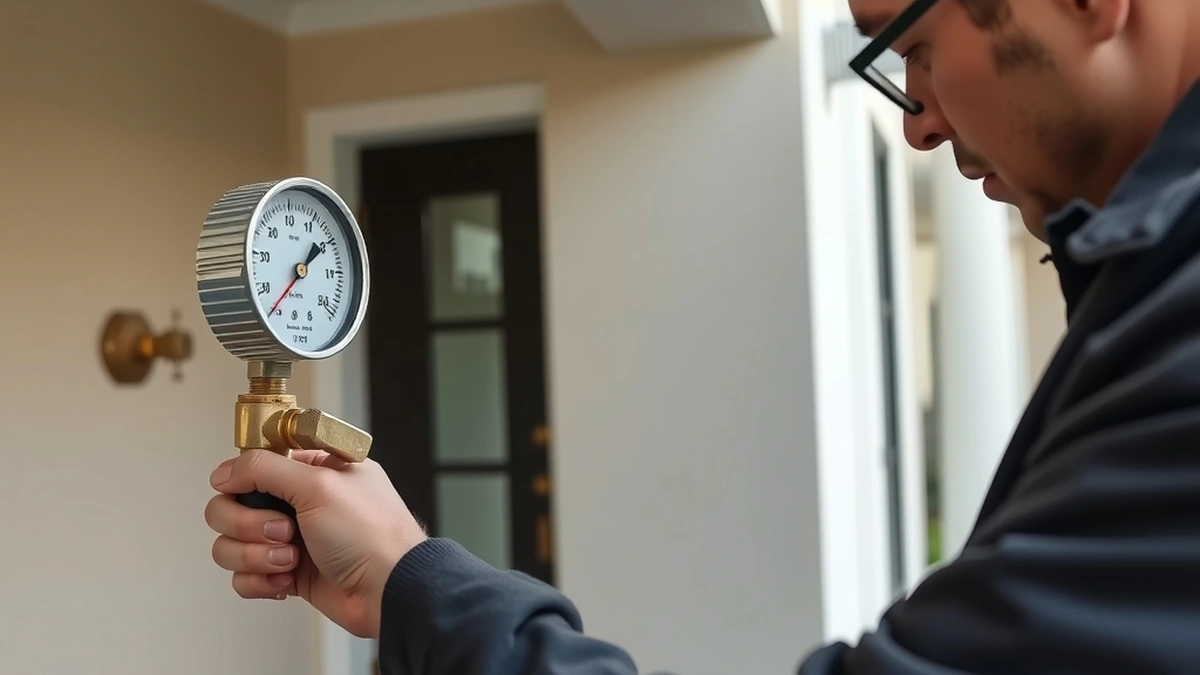
Low Water Pressure: Treatment, Mineral, or Plumbing Causes
Diagnose low water pressure from hard water scale, clogged filters, or plumbing restrictions with test-first guidance and installed cost ranges.
Read the guide →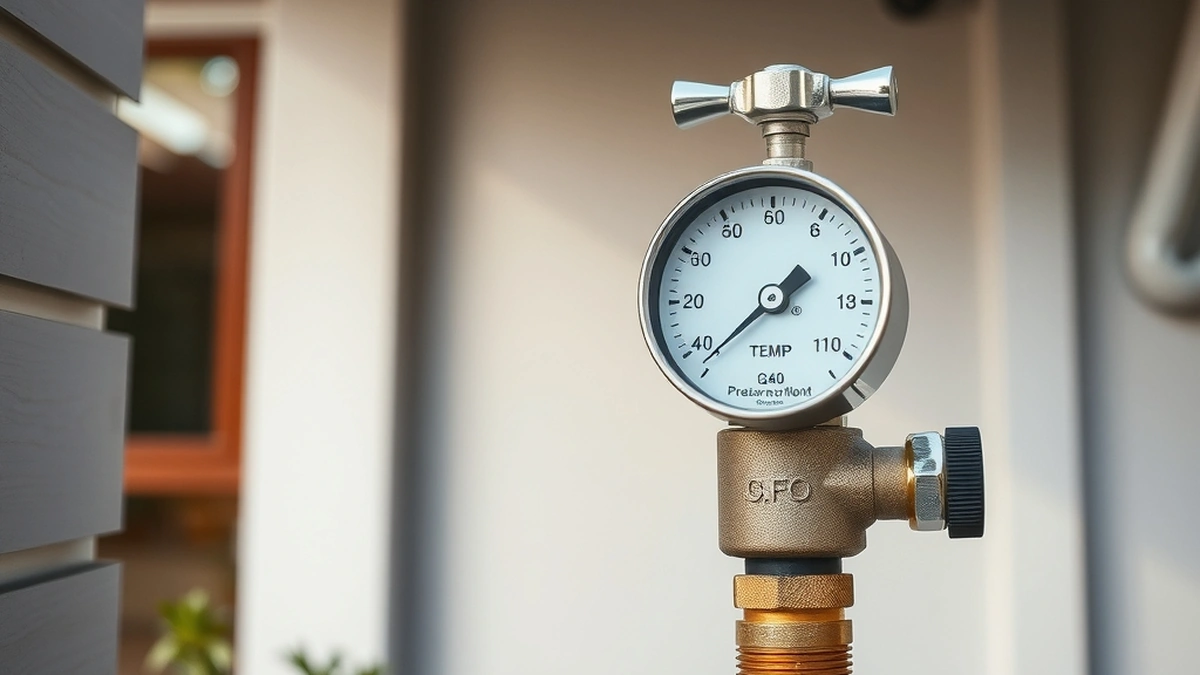
How to Test for Low Water Pressure: Static vs Dynamic
Measure static and dynamic pressure with a hose bib gauge, then isolate the cause. See what 40 PSI means and how to read the drop under flow.
Read the guide →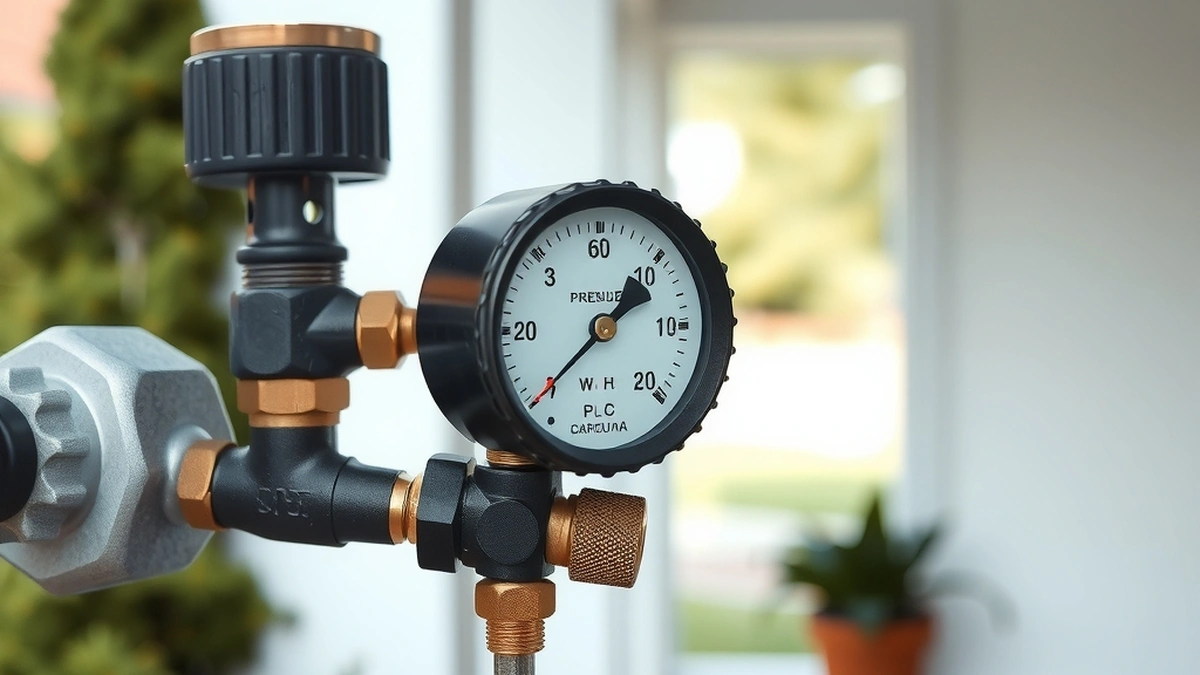
Low Water Pressure Treatment: Fix the Cause First
Low pressure comes from clogs, regulators, or the pump, not from the water itself. See the likely causes, the fixes, and what each costs.
Read the guide →
Malibu C Hard Water Shampoo: What the Line Does
Malibu C sells a chelating shampoo, conditioner, and treatment packets for mineral buildup. See how the products differ and what they cost per use.
Read the guide →
Malibu c hard water wellness shampoo
What a chelating shampoo does for mineral buildup, how to use it, and why it does not replace a water softener.
Read the guide →
Malibu Hard Water Treatment: Packets, Process, Cost
Malibu hard water treatment packets are crystalline chelating treatments mixed with water. See the process, cost per use, and when a softener wins.
Read the guide →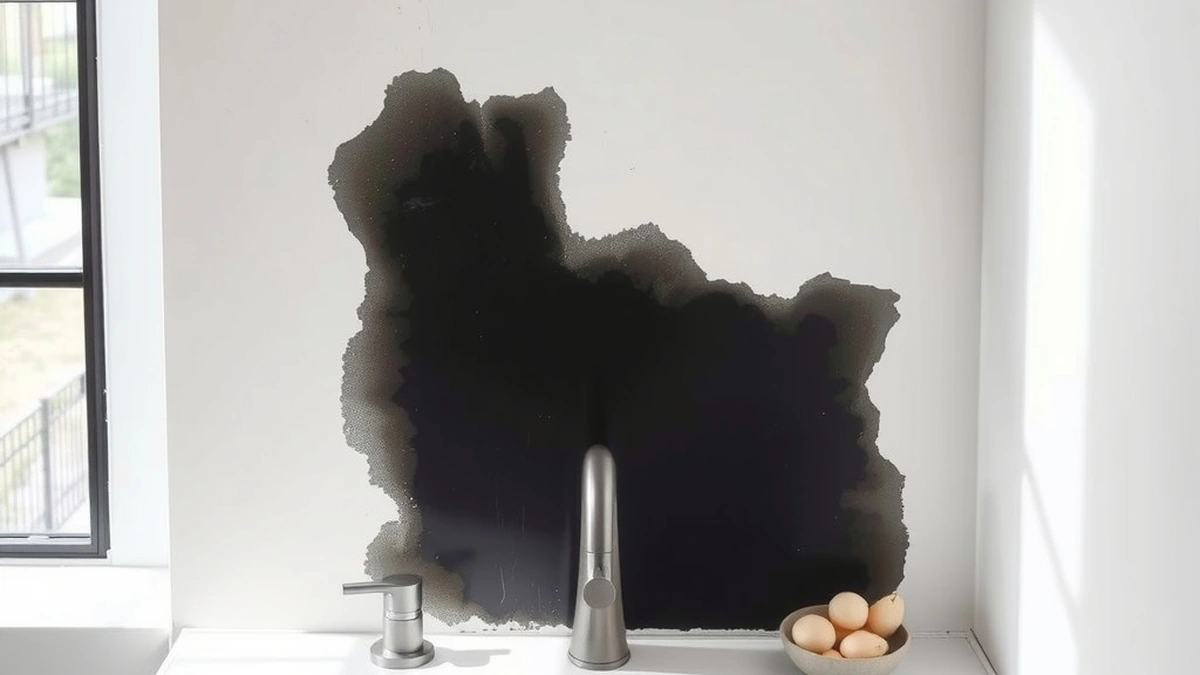
Manganese in Water: Black Stains and Health Limits
Manganese causes black stains and metallic taste. Learn EPA limits, testing, and treatment costs for home water systems.
Read the guide →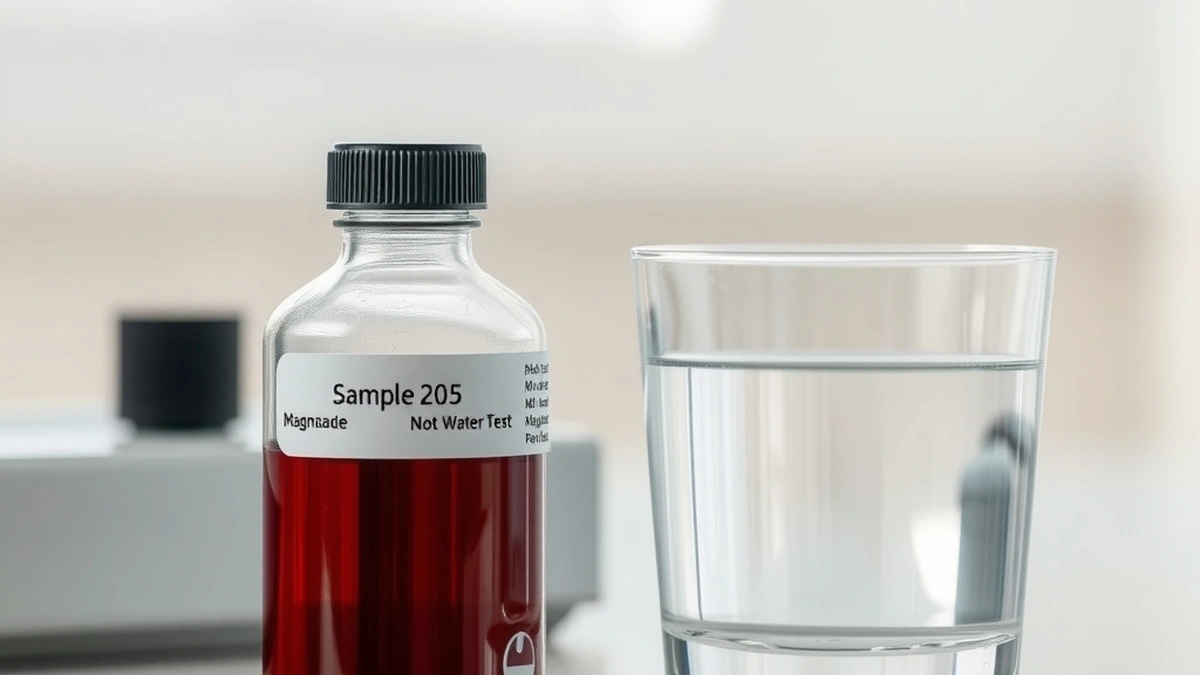
How to Test for Manganese in Water: Lab and Field
Manganese shows as black staining and needs a lab test at low levels. See sampling, field kits, the 0.05 mg/L limit, and how to read a result.
Read the guide →
Manganese in Water Treatment: Filters and Limits
Manganese stains black and fouls media at low levels. See oxidizing filters, softener limits, and what treatment costs for 0.05 mg/L and above.
Read the guide →
How to Test for Nitrate in Water: Kits and Labs
Nitrate testing needs a lab or a reliable kit and a sample that has not been softened. See what 10 mg/L means and how to read a result correctly.
Read the guide →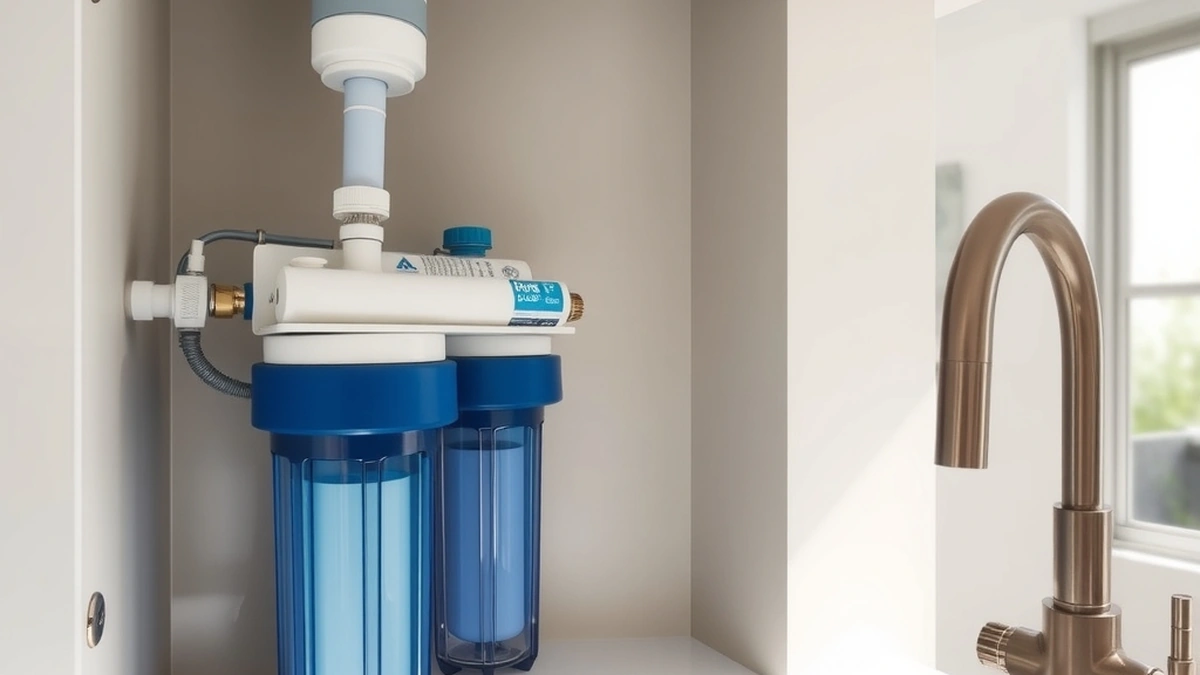
Nitrate in Water Treatment: What Actually Works
Reverse osmosis removes nitrate at the tap; ion exchange and distillation also work. Boiling concentrates it. Compare costs and sizing for a 10 mg/L limit.
Read the guide →
Nitrate in Well Water: The Test That Matters
How to test for nitrate in well water, interpret results against the 10 mg/L limit, and compare treatment options by installed cost and cost per gallon.
Read the guide →
PFAS in Drinking Water: What a Home Filter Can Do
How PFAS enters drinking water and which home treatment systems can reduce it.
Read the guide →
How to test for PFAS in water
Why PFAS needs a laboratory panel, how to collect a sample, and how to read results reported in parts per trillion.
Read the guide →
PFAS in water treatment options
Which treatment methods reduce PFAS in drinking water, how they compare, and why the test result decides the system.
Read the guide →
Pink Slime in the Bathroom: What It Is and What Helps
Pink bathroom slime is usually airborne bacteria, not water contamination. Learn what causes it, how to clean it, and which treatment options apply.
Read the guide →
Remove Hard Water Stains: Methods That Work by Surface
Acid dissolves calcium carbonate, but the right method depends on the surface. See safe cleaners for glass, chrome, porcelain, and stone.
Read the guide →
Scale in a tankless heater: prevention and descaling
Hard water scales a tankless heat exchanger and cuts flow. See the descaling process, the vinegar and pump setup, and how a softener prevents it.
Read the guide →
How to Test for Sediment in Water: Turbidity and TSS
Sediment is measured as turbidity or suspended solids, and the sample method matters. See field checks, lab tests, and what the numbers mean.
Read the guide →
Sediment in Water Treatment: Filters and Micron Ratings
Sediment is filtered mechanically, and the micron rating decides what gets through. See cartridge and backwashing options, sizing, and costs.
Read the guide →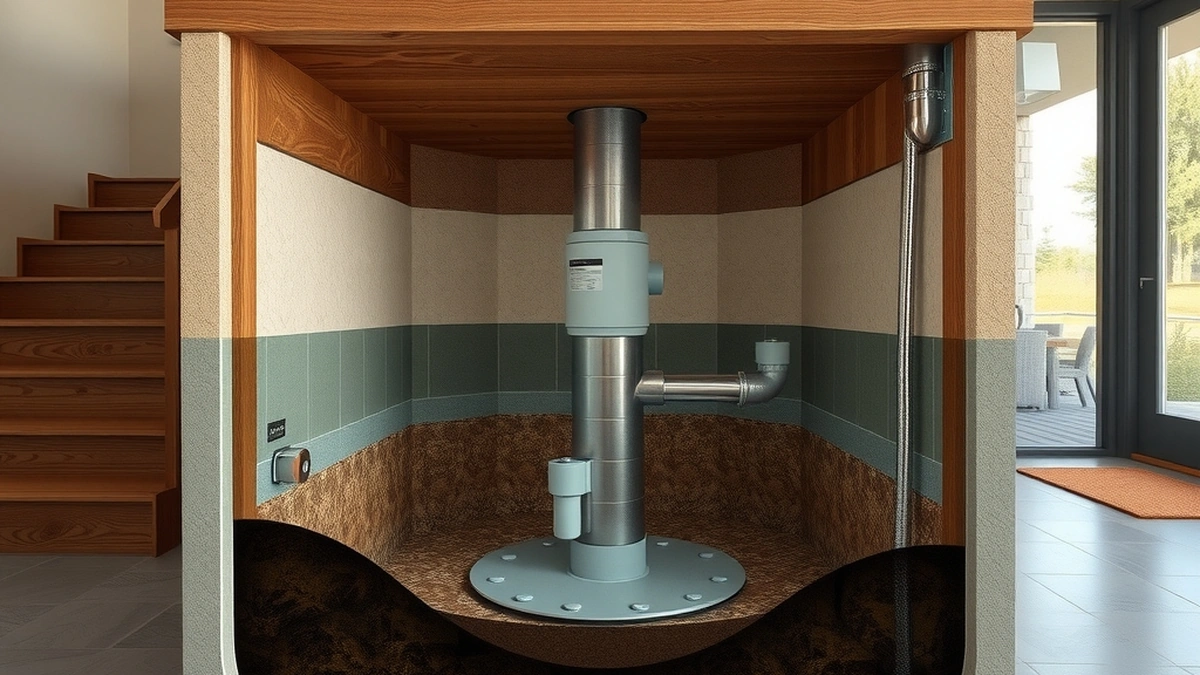
Sediment in Well Water: Filters and the Real Cause
Why well water carries sand, silt, and rust, how sediment filters work, and what equipment actually costs to install and run.
Read the guide →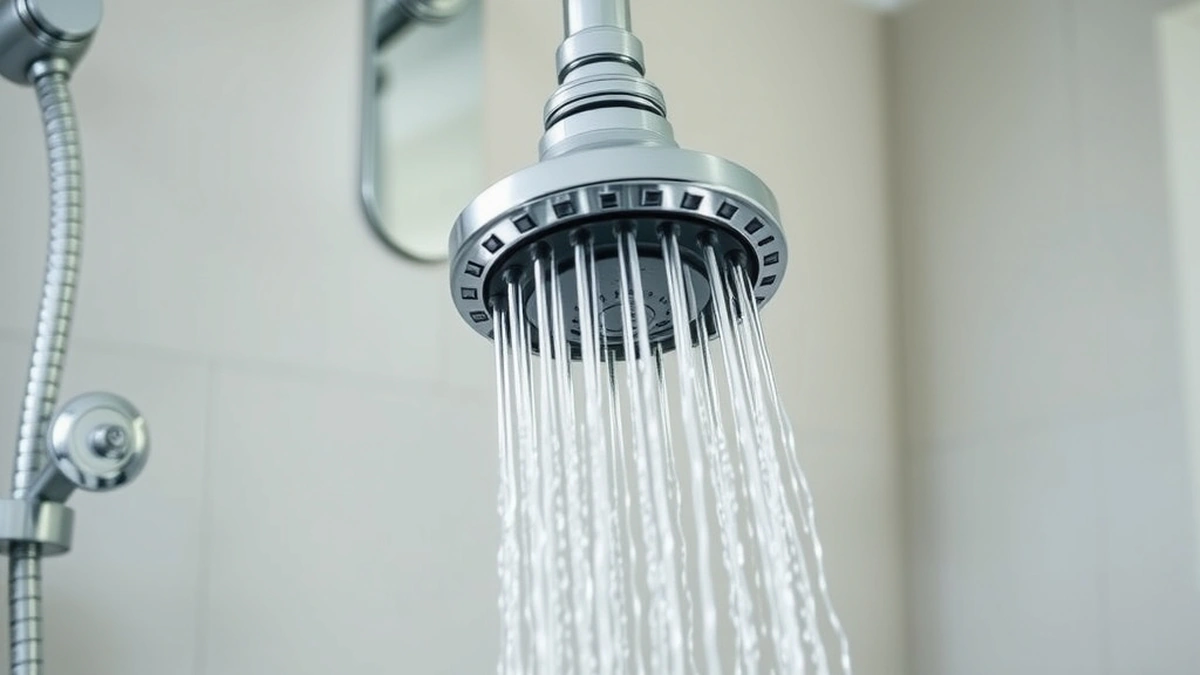
Shower filter for hard water
What a shower filter can and cannot do about hard water, which media help with chlorine, and when a softener is the real fix.
Read the guide →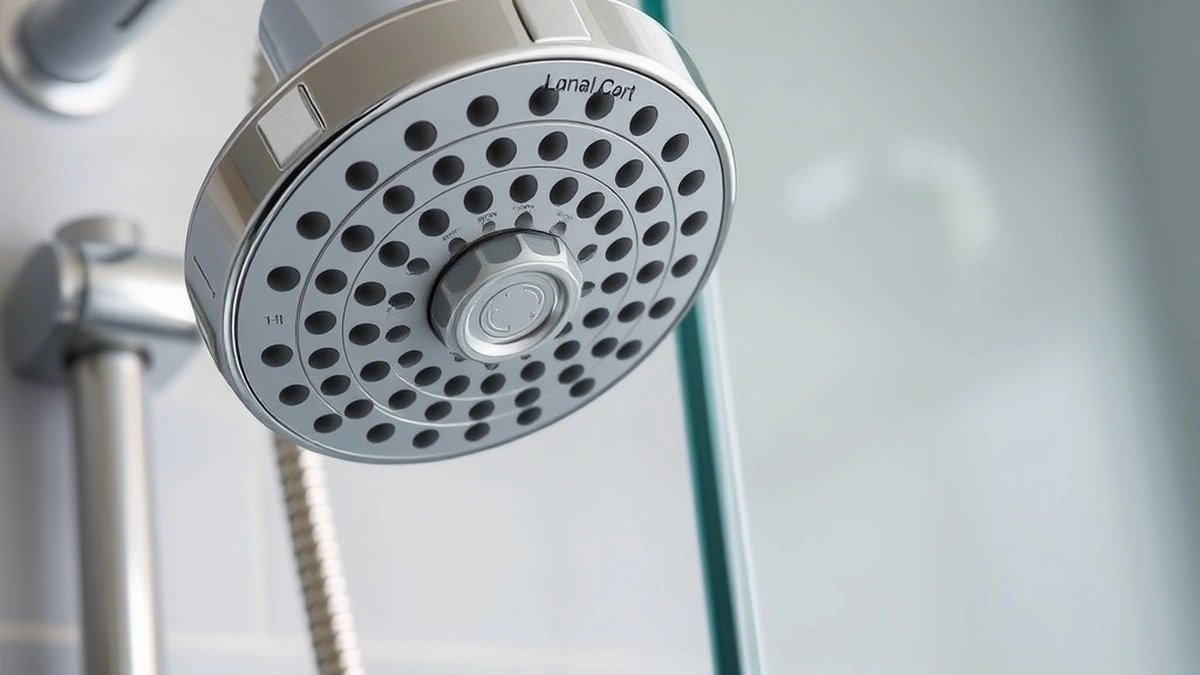
Shower Head Filter for Hard Water: What It Does
A shower head filter removes chlorine and sediment, not calcium or magnesium. See what it fixes, what it costs, and when a softener is the real answer.
Read the guide →
Sodium in softened water: how much, and who should care
Ion exchange adds sodium to water in proportion to hardness. See the actual milligrams per quart, how it compares to food, and how to avoid it.
Read the guide →
Sulfur Smell in Water: Heater or Well?
Determine whether a rotten egg odor comes from your water heater or well water, with equipment costs and testing steps.
Read the guide →
Sulfur Smell Test: Find the Source Before You Treat
Rotten egg odor can come from the well, the water heater, or the drain. See how to isolate the source, what to sample, and which lab test to order.
Read the guide →
Sulfur Smell Treatment: Options by Concentration
Hydrogen sulfide causes rotten egg odor and needs oxidation, not carbon alone. Compare aeration, chlorine injection, and greensand, with costs.
Read the guide →
Tannins in water: the tea-coloured water problem
Tannins turn well water yellow or tea-brown and pass straight through a softener. See what removes them, what does not, and what testing costs.
Read the guide →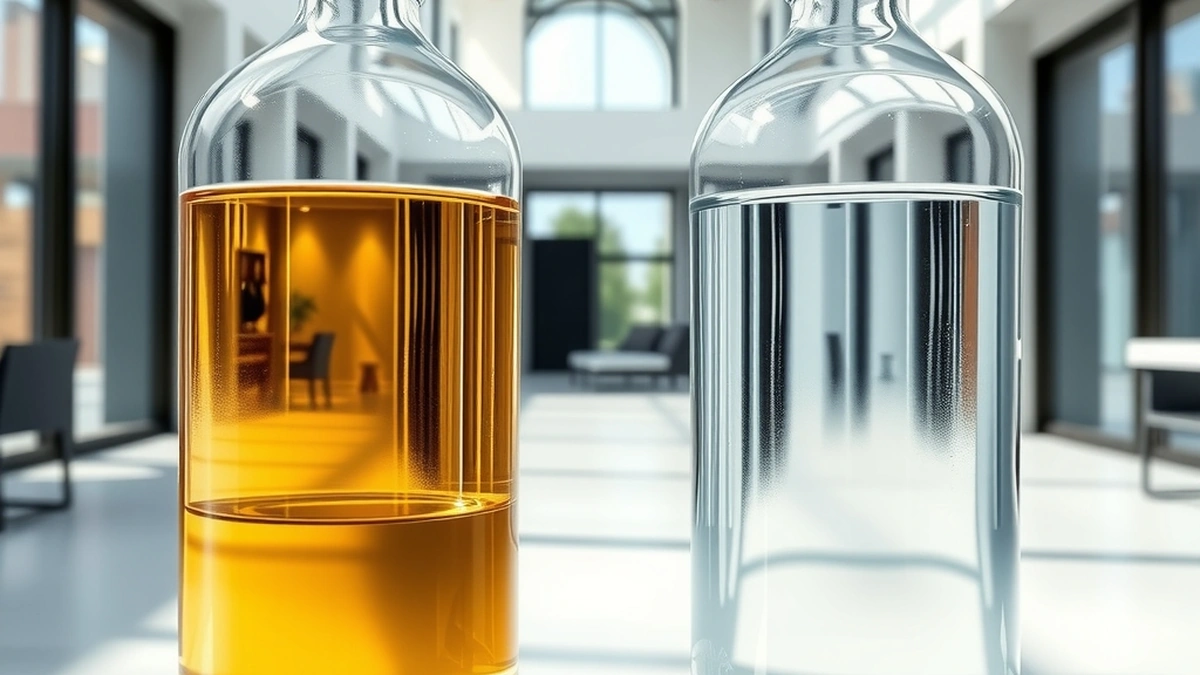
How to Test for Tannins in Water: Color vs Iron
Tannins tint water tea-colored, and iron can look similar. See the lab panel, the bleach test, and how to separate organic color from metal.
Read the guide →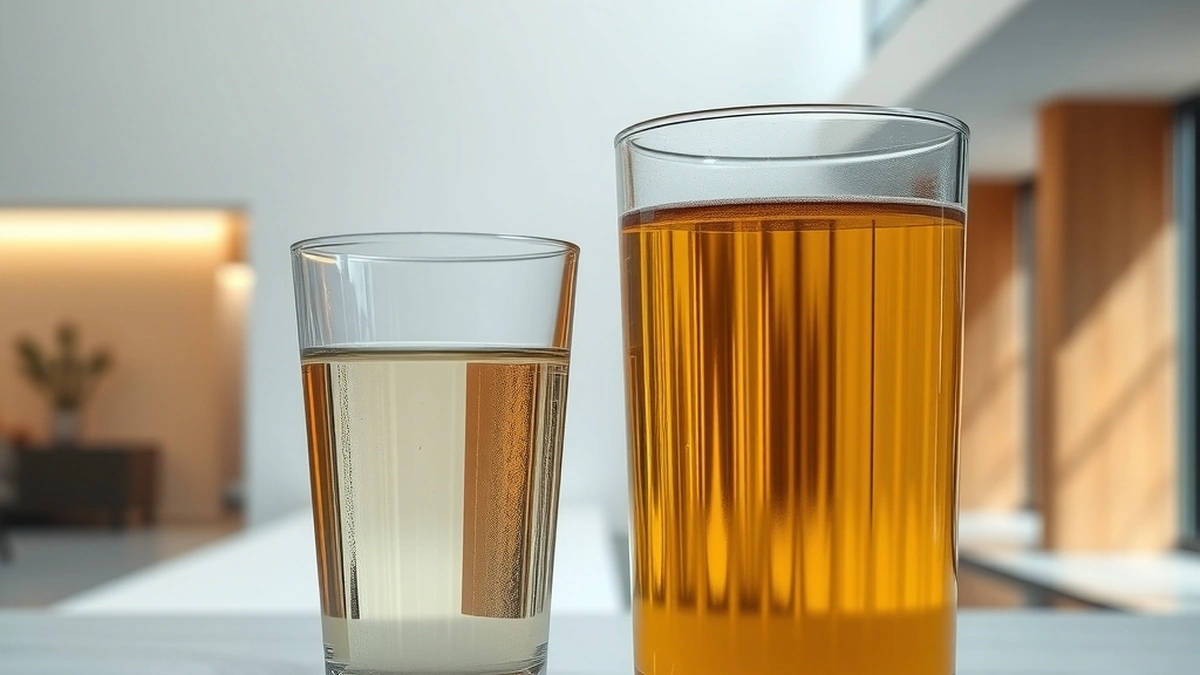
Tannins in Water Treatment: Resin, Carbon, and Oxidation
Tannins tint water yellow-brown and come from decaying vegetation. See anion resin, carbon, and oxidation options, with costs and limits.
Read the guide →
Water pressure and filters: why flow drops
Every filter stage costs pressure. See typical pressure drop per device, the 40 psi floor, and how to find which stage is choking the house.
Read the guide →
Reading your municipal water quality report
A consumer confidence report lists detected contaminants, ranges, and limits. See which columns matter, what the units mean, and what to test privately.
Read the guide →
Water Softeners and Septic Systems: The Brine Question
Does softener brine harm septic systems? Salt load, regeneration frequency, and what the data says for homeowners.
Read the guide →
Water Spots on Dishes: Hardness or Detergent?
How to tell whether dish spots come from hard water minerals or detergent residue, with test steps and equipment costs.
Read the guide →
Water Well Pressure Switch: Settings and Fixes
A well pressure switch turns the pump on and off at set pressures like 30/50. Learn the settings, the common failures, and what a replacement costs.
Read the guide →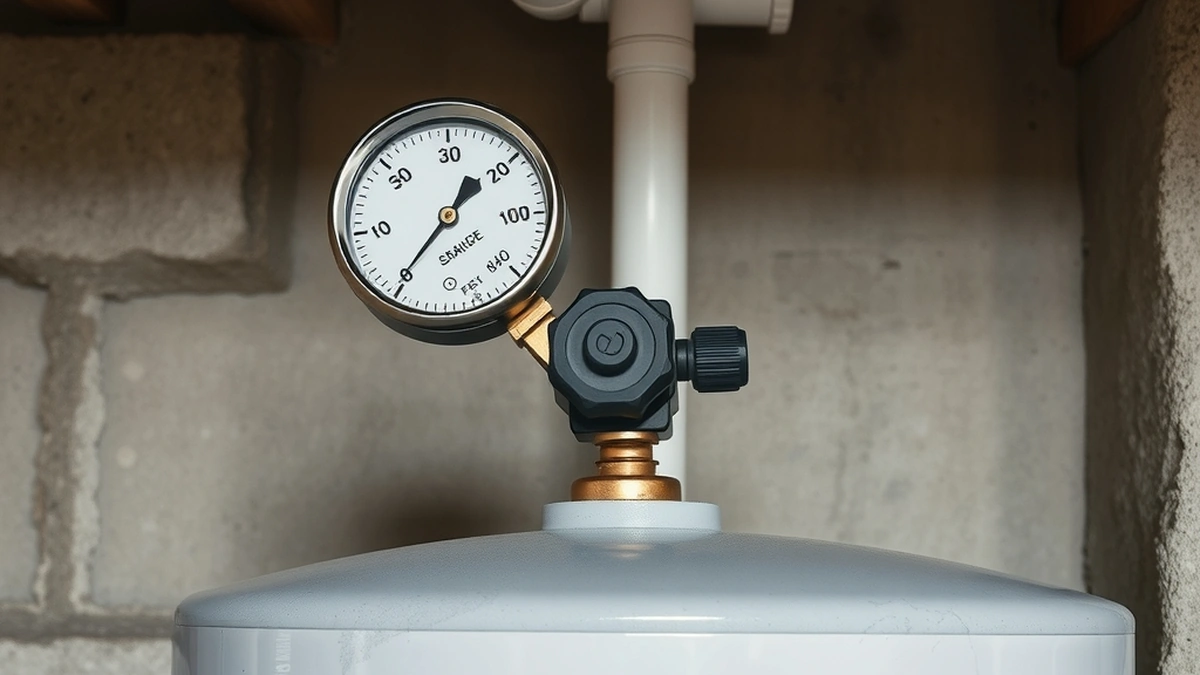
Well pump problems that look like treatment problems
Weak flow, air spitting, and cloudy water can come from the pump, not the filter. See the checks that separate a supply fault from a treatment fault.
Read the guide →
Well Water Smells After Rain: What Changed
Rain can alter well water odor through surface runoff, shifting water tables, and bacterial activity. Learn what changed and how to test and treat it.
Read the guide →
Whole House Water Softener for Hard Water: Sizing Guide
A whole-house softener is sized by grains per gallon times daily gallons. See capacity math, flow requirements, and installed costs before you buy.
Read the guide →