Bacteria in Well Water: Test, Shock, Retest
A numbers-first guide to coliform bacteria in private wells, including lab testing, shock chlorination costs, and retest timing.
Test for coliform bacteria first, shock chlorinate if positive, then retest to confirm the well is clean before drinking untreated water.
- First step
- Lab coliform test ($40-$150)
- If positive
- Shock chlorinate the well
- Confirmation
- Retest 1-2 weeks after shock
- Ongoing protection
- UV system or continuous chlorination
Some links on this page are affiliate links.If you buy through them we may earn a commission at no extra cost to you. We do not accept payment for rankings. Read the full disclosure.
Bacteria in well water is confirmed by a lab test, not by smell, taste, or appearance. If the test comes back positive for coliform or E. coli, the standard response is shock chlorination followed by a retest to verify the treatment worked. This guide covers the test-shock-retest sequence, typical costs, and what to do if bacteria return.
Start With a Lab Test
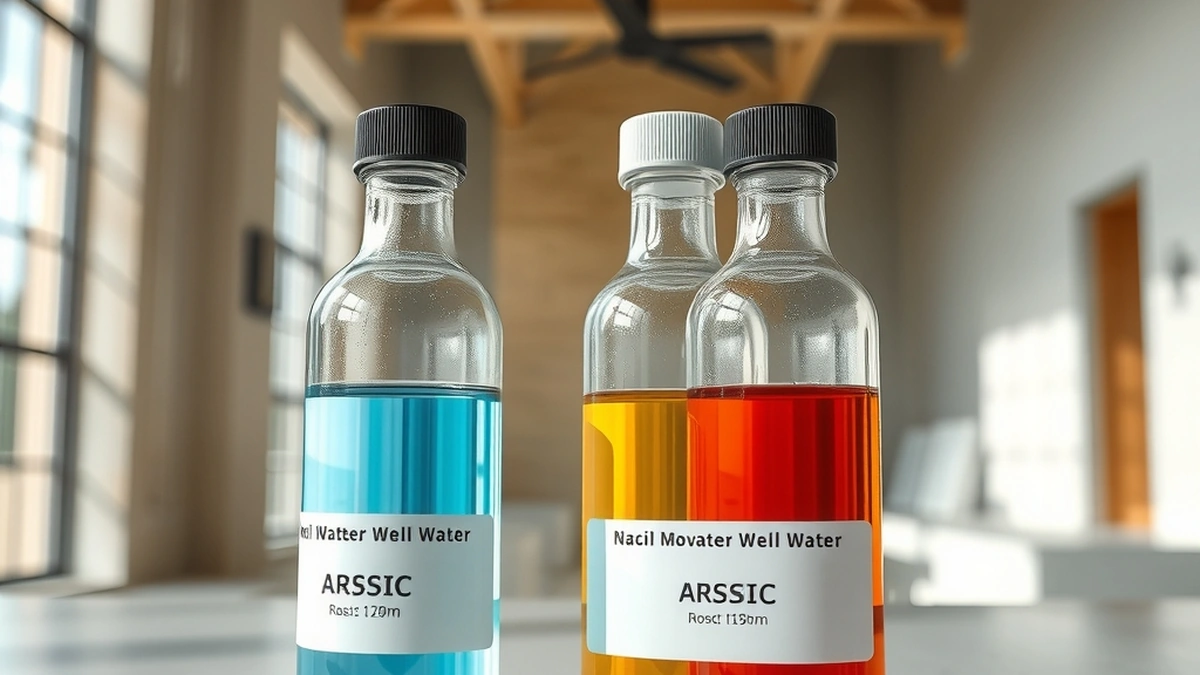
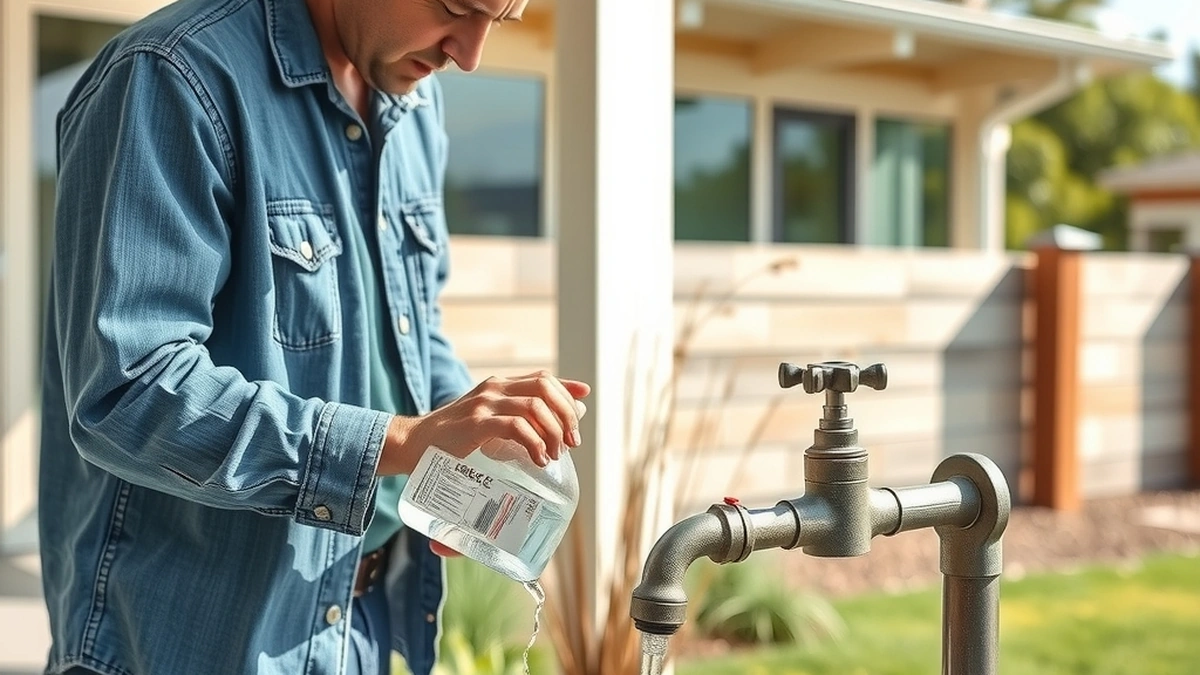
Private wells are not regulated by the EPA the way municipal systems are, so testing is the owner’s responsibility. A basic coliform bacteria test from a certified lab typically costs $40-$150. The lab will provide a sterile bottle and instructions. You usually collect the sample from an outdoor spigot or a faucet closest to the well, run the water for several minutes to clear the line, and fill the bottle without touching the inside.
Results are reported as present or absent for total coliform and E. coli. Total coliform indicates that surface or soil contamination may be reaching the well. E. coli specifically points to fecal contamination. Either result means the water should not be used for drinking or cooking without treatment until the issue is resolved.
Do not rely on home test strips for bacteria. They are not a substitute for a certified lab result, and a negative strip reading does not confirm that a well is bacteria-free.
Shock the Well If the Test Is Positive
Shock chlorination introduces a high concentration of chlorine into the well and distribution plumbing to kill bacteria. It is a one-time disinfection event, not a permanent treatment system. The process generally involves:
- Turning off power to the pump and bypassing water softeners, filters, and reverse osmosis units so chlorine does not damage media or membranes.
- Calculating the amount of bleach needed based on well depth and diameter. A common estimate is roughly 3 pints of 5.25% household bleach per 100 gallons of well water, but exact dosing depends on the well volume and local health department guidance.
- Pouring the diluted bleach into the well, circulating it through the plumbing until you smell chlorine at every faucet, and letting it sit for 12-24 hours.
- Flushing the chlorine out through an outdoor hose until the chlorine smell is gone, which can take several hours.
Costs are mostly labor and materials. Household bleach is inexpensive, but if you hire a well contractor, expect service visit charges that vary by region. After flushing, the system needs time to stabilize before retesting.
Retest to Confirm
Retesting is the only way to know if the shock worked. Wait at least one to two weeks after chlorination and flushing, then collect another lab sample. Testing too soon can return a false negative because residual chlorine may still be present, or a false positive if the system was not fully flushed.
If the retest is absent for coliform and E. coli, the well is considered disinfected at that moment. If the retest is still positive, the contamination source has not been fixed. Common causes include a damaged well cap, cracked casing, poor grading around the well, or a nearby septic system too close to the water source. Repeated shocking without fixing the entry point is not a reliable long-term strategy.
Costs to Expect
Here are typical cost ranges for the test-shock-retest sequence and related equipment. These are estimates; actual prices depend on local labor rates, well depth, and equipment choices.
| Item | Estimated Cost |
|---|---|
| Lab bacteria test | $40-$150 |
| DIY shock chlorination materials | $10-$50 |
| Professional well shock service | Varies by contractor |
| Follow-up lab retest | $40-$150 |
| UV disinfection system (installed) | See /uv-water-purifier-cost/ |
| Continuous chlorination system | Varies by system |
If bacteria keep returning, homeowners often consider continuous treatment. A UV system disinfects water as it enters the home and requires a lamp replacement about every 12 months. UV lamps typically cost $30-$90. Whole-house filtration and softening equipment do not remove bacteria. For context, a water softener typically costs $1,200-$4,500 installed and treats hardness minerals, not microbial contamination. More details are available at /how-much-does-a-water-softener-cost/ and /water-softener-installation-cost/.
When Continuous Treatment Makes Sense
A single positive test followed by a successful shock and retest may not require permanent equipment. However, if bacteria return after multiple shocks, or if the well is in a location with ongoing surface water risk, continuous disinfection is worth considering.
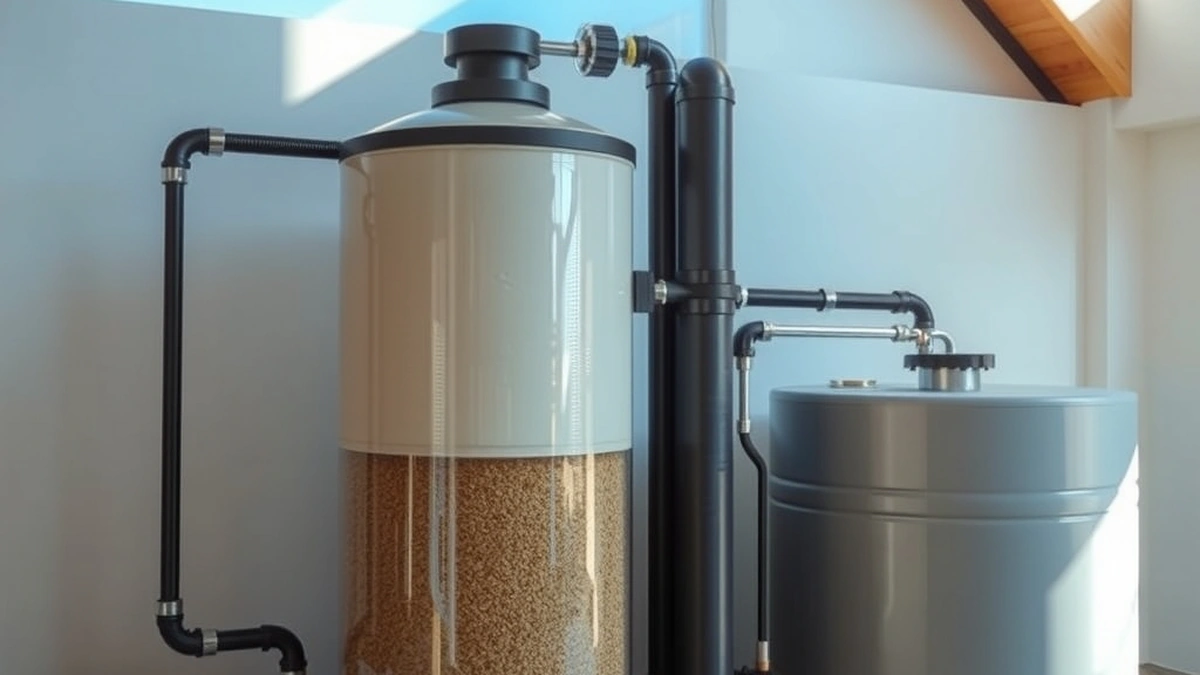
UV treatment is a common choice because it does not add chemicals to the water. It requires pre-filtration if the water is cloudy or high in iron, since particles can shield bacteria from UV light. Continuous chlorination is another option, but it requires careful dosing and a carbon filter or other method to remove chlorine taste before use.
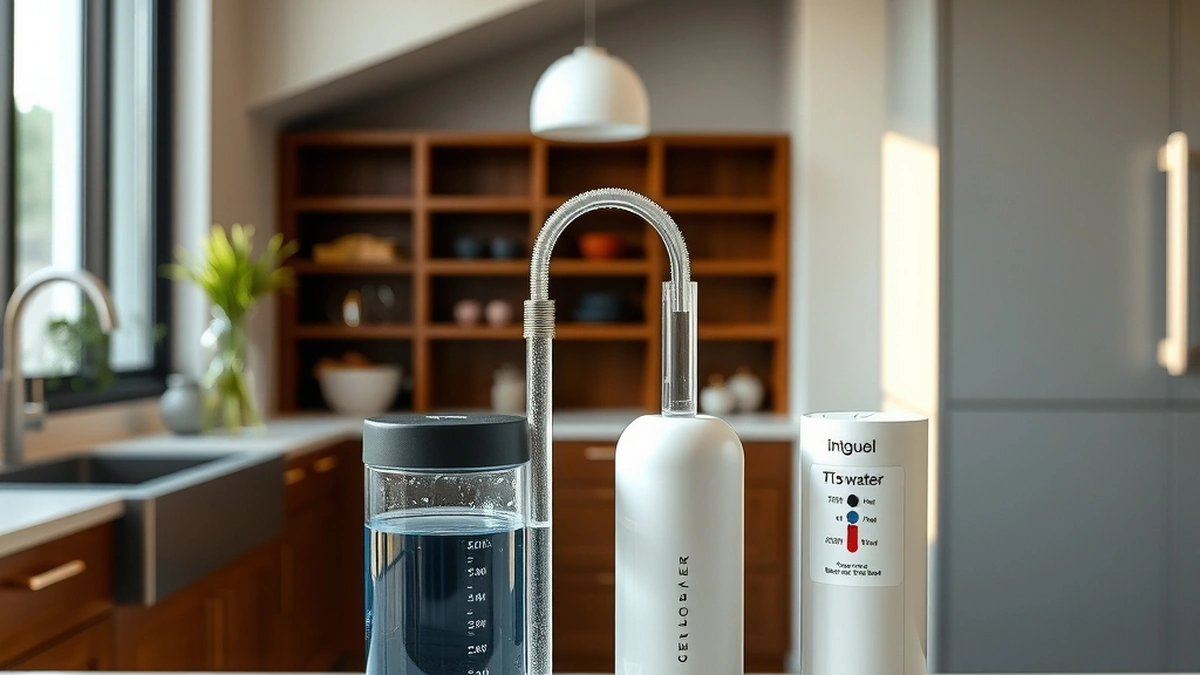
Reverse osmosis at the kitchen sink can reduce many contaminants, but it is not sold as a standalone bacteria solution for whole-house use. Under-sink RO equipment typically costs $200-$600, with installed costs around $300-$900. Running costs are roughly $60-$150 per year, and membranes last about 2-3 years. RO waste ratios are commonly 3-4:1. For more on RO pricing, see /reverse-osmosis-system-cost/.
If you are comparing whole-house options, including sediment and carbon filtration, see /whole-house-water-filter-cost/. Whole-house filter flow rates commonly range from 8-15 GPM.
Protect the Wellhead
Bacteria usually enter through the top of the well, not from deep underground. Inspect the well cap to make sure it is tight, screened, and free of cracks. The ground should slope away from the well so surface water does not pool around the casing. Keep fertilizers, pesticides, and animal waste away from the well area.
If your septic system is nearby, confirm it is inspected and pumped on a regular schedule. A failing septic field can contribute to nitrate and bacteria migration toward the well. The EPA nitrate limit for drinking water is 10 mg/L, and high nitrate alongside bacteria can signal a shared contamination pathway.
Do Not Skip the Retest
Some homeowners shock the well and resume drinking water immediately based on the absence of a chlorine smell. That is not verification. Chlorine can dissipate while bacteria survive in biofilms or protected areas of the plumbing. The retest is the checkpoint that confirms the well is safe to use untreated, or that further work is needed.
If the second test is still positive, contact a licensed well contractor to inspect the casing, cap, and surrounding grade. Repeated shock chlorination without identifying the entry point is a cycle, not a solution.
Internal Resources
For broader well water treatment budgeting, see /well-water-treatment-cost/. If iron is also present alongside bacteria, iron treatment equipment typically costs $800-$2,500 installed; see /iron-filter-cost/ for details. Water softener salt costs run roughly $120-$400 per year, but softeners do not address bacteria; see /water-softener-salt-cost/ for salt pricing.
Test first, shock if needed, and always retest before relying on the water again.
Next, compare how much does a water softener cost, water softener installation cost, whole house water filter cost before you commit.
Frequently asked questions
What bacteria should I test for?
Total coliform and E. coli are the standard indicators for private well water safety.
How much does a well water lab test cost?
A lab bacteria test typically runs $40-$150 depending on the lab and panel.
When should I retest after shocking?
Retest at least one to two weeks after shock chlorination and flushing.
Does shocking fix bacteria permanently?
Shocking treats current contamination; it does not prevent future entry without source correction.
Can a water softener remove bacteria?
No. Water softeners treat hardness minerals, not bacteria.
What treats bacteria continuously?
UV systems or continuous chlorination are common options for ongoing bacterial control.
Sources
Some links are affiliate links.If you buy through them we may earn a commission at no extra cost to you. We do not accept payment for rankings. Read the full disclosure.