Well Water Smells After Rain: What Changed
Rain can alter well water odor through surface runoff, shifting water tables, and bacterial activity. Learn what changed and how to test and treat it.

Rain-driven surface runoff and a rising water table can carry iron, sulfur, and organic material into your well, changing the water's smell.
- Common trigger
- Heavy rain or snowmelt
- First step
- Lab water test
- Typical treatment range
- $500–$3,000 installed
Some links on this page are affiliate links.If you buy through them we may earn a commission at no extra cost to you. We do not accept payment for rankings. Read the full disclosure.
Rain changes well water smell because surface runoff and a rising water table move iron, sulfur, and organic material closer to your well. The odor you notice after a storm is usually a signal that something new entered the water path. The first step is a lab water test, not a purchase.
Why Rain Changes Well Water Smell
Rainwater does not stay on the surface. It moves through soil, picks up minerals and organic matter, and can reach the aquifer that feeds your well. After a heavy storm, that flow can carry dissolved iron, sulfur compounds, decaying vegetation, and surface bacteria into the well casing or surrounding groundwater.
A rising water table also reduces the distance between the surface and your well intake. Contaminants that normally stay far below the reach of your pump can move into the draw zone. The result is often a rotten-egg, musty, or metallic smell that appears within hours or days of rainfall.
If the odor disappears after the ground dries, the source was likely temporary surface infiltration. If it persists, the well may have a structural issue, such as a damaged casing or poor seal, that allows ongoing entry.
Start With a Lab Water Test
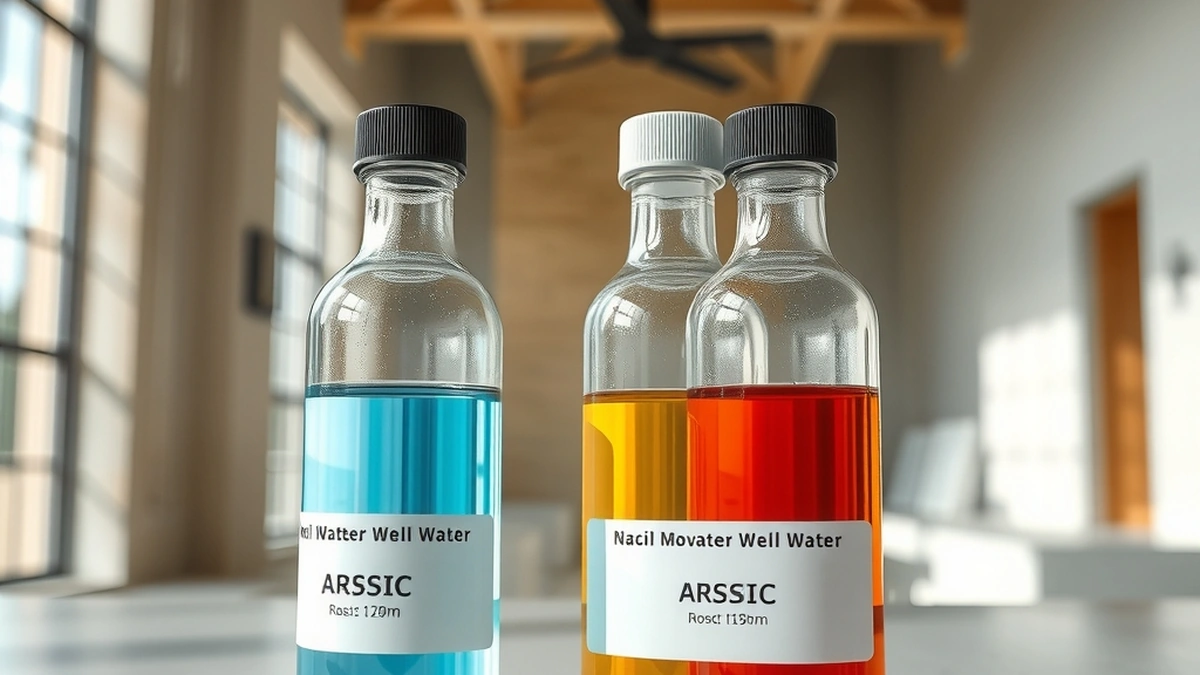
Do not guess at treatment based on smell alone. A lab test identifies what is actually in the water and at what concentration. Typical parameters for odor issues include iron, manganese, hydrogen sulfide, hardness, pH, total coliform, and tannins.
A standard lab water test costs $40–$150. That number is small compared with equipment that can run $500–$3,000 installed. Testing first prevents buying a softener when the real issue is sulfur, or a carbon filter when the issue is iron bacteria.
Test after any major rain event, flooding, or noticeable change in taste, smell, or appearance. Annual testing is a reasonable baseline for private wells.
Common Odor Sources After Rain
Iron and sulfur are the most frequent culprits. Rain can mobilize dissolved iron from soil and bedrock. When that iron contacts air or oxidizes, it can produce a metallic taste and reddish stains. Sulfur-reducing bacteria can generate hydrogen sulfide gas, which smells like rotten eggs.
Organic material from surface runoff can create a musty or earthy odor. Tannins from decaying leaves and vegetation sometimes stain water yellow or brown and contribute to smell after heavy rain.
Bacterial activity can increase when runoff introduces nutrients into the well environment. Total coliform testing helps determine whether surface organisms have entered the system.
Equipment Options and Costs
Treatment depends on what the lab test finds. No single device removes every odor source.
A water softener exchanges hardness minerals and can handle limited clear-water iron, generally up to 2–3 ppm. Equipment costs $600–$2,500, with installation adding $500–$1,500, for a total installed range of $1,200–$4,500. Ongoing salt costs $120–$400 per year, and resin rebeds run $300–$600. Softener capacity ranges from 24,000–64,000 grains, and typical resin life is 8–12 years within a 10–15 year equipment life. For more detail, see our breakdown of [how much does a water softener cost] and [water softener installation cost].
If iron exceeds the softener limit or sulfur is present, a dedicated iron filter or sulfur filter is often more appropriate. Iron filters typically install for $800–$2,500, while sulfur filters run $1,000–$3,000. Carbon filtration can address some organic odors and chlorine, with installed costs of $500–$1,800 and cartridge replacement of $80–$300 per year, usually every 6–12 months.
Sediment prefiltration is common after rain events because runoff carries particulates. Sediment cartridges typically need replacement every 3–6 months.
Reverse osmesis is usually a point-of-use option for drinking water, not whole-house odor control. Under-sink RO equipment costs $200–$600, with installed costs of $300–$900. Running costs are $60–$150 per year, membrane life is 2–3 years, and waste ratios are typically 3–4:1 with rejection rates of 80–95%. Whole-house RO is far more expensive, at $3,000–$8,000 installed, and is rarely the first choice for odor alone. See [reverse osmosis system cost] for details.
UV systems address microorganisms but do not remove dissolved iron, sulfur, or odor gases. Lamps are replaced every 12 months at $30–$90.
Show the Arithmetic: Salt and Capacity
If a softener is part of the plan, salt use and grain capacity matter for operating cost. A typical residential softener uses 8–12 pounds of salt per regeneration. At $120–$400 per year for salt, a household regenerating once per week might use roughly 416–624 pounds of salt annually.
Grain capacity ranges from 24,000–64,000 grains. To estimate regeneration frequency, divide capacity by the grains of hardness removed per day. For example, a 32,000-grain softener treating water with 10 grains per gallon hardness at 300 gallons per day removes 3,000 grains daily, suggesting regeneration roughly every 10 days before reserve. Actual settings depend on water use, hardness, and iron levels.
These figures are estimates. Your numbers depend on test results and household demand.
When to Call a Well Professional
Equipment cannot fix a compromised well. If the casing is cracked, the cap is missing, or the seal is degraded, rain will keep entering no matter what filter you install. A well contractor can inspect the cap, casing, grout, and pump depth.
If testing shows coliform bacteria, discuss disinfection and well repair with a professional. Shock chlorination may be part of the response, but it does not remove dissolved minerals or chemical runoff.
Persistent odor after rain often points to a pathway problem rather than a water chemistry problem alone. Fix the pathway first, then size treatment to the remaining water quality.
Match Treatment to the Test Result
Treatment selection follows test data, not smell descriptions. Iron below 2–3 ppm may be managed by a softener; higher levels usually call for an iron filter. Hydrogen sulfide often requires oxidation, aeration, or a dedicated sulfur filter. Organic odors may respond to carbon filtration.
Whole-house filters typically deliver 8–15 gallons per minute, which is sufficient for most homes, but sizing should match peak flow and fixture count. Installed whole-house filtration commonly ranges from $500–$1,800 for carbon-based systems, while dedicated iron and sulfur equipment sits higher.
For broader cost context across well water equipment, see [well water treatment cost]. If you are considering a whole-house filter as part of the plan, see [whole house water filter cost].
Rain-related well odors are common, but they are not normal to ignore. Test the water, inspect the well, and match equipment to the measured problem. title: Well Water Smells After Rain: What Changed description: Rain can alter well water odor through surface runoff, shifting water tables, and bacterial activity. Learn what changed and how to test and treat it. focusKeyword: well water smells after rain: what changed cluster: problems intent: informational keywords: [“well water odor”, “rain”, “sulfur smell”, “iron bacteria”, “well testing”] slug: well-water-smells-after-rain quickAnswer: Rain-driven surface runoff and a rising water table can carry iron, sulfur, and organic material into your well, changing the water’s smell. atAGlance:
- label: Common trigger value: Heavy rain or snowmelt
- label: First step value: Lab water test
- label: Typical treatment range value: $500–$3,000 installed faq:
- q: Why does well water smell after rain? a: Rain can push surface runoff, iron, sulfur, and organic material into the well or aquifer, changing odor and chemistry.
- q: Is rain-related well odor dangerous? a: Odor alone is not a health diagnosis; only a lab test can identify what entered the water and whether treatment is needed.
- q: Should I shock chlorinate after rain? a: Shock chlorination may address some bacterial issues, but it does not remove dissolved iron, sulfur, or chemical runoff.
- q: Can a water softener fix rain smells? a: A softener handles hardness and limited clear-water iron, typically up to 2–3 ppm, but it is not a sulfur or odor filter.
- q: How often should I test a private well? a: Test at least once a year, and again after flooding, heavy rain, or any noticeable change in taste, smell, or appearance.
- q: What treatment removes sulfur odor? a: Options include aeration, oxidation, carbon filtration, and dedicated sulfur filters, often installed at $1,000–$3,000. sources:
- https://www.epa.gov/privatewells
- https://www.cdc.gov/healthywater/drinking/private/wells/
- https://www.wqa.org/ image: /images/articles/well-water-smells-after-rain.webp imageAlt: A residential well head with wet ground and rain falling nearby imageCredit: Water Treatment Pro published: 2026-11-06 updated: 2026-11-06 author: Water Treatment Pro Editorial Team status: published featured: false pillar: false
Rain changes well water smell because surface runoff and a rising water table move iron, sulfur, and organic material closer to your well. The odor you notice after a storm is usually a signal that something new entered the water path. The first step is a lab water test, not a purchase.
Why Rain Changes Well Water Smell
Rainwater does not stay on the surface. It moves through soil, picks up minerals and organic matter, and can reach the aquifer that feeds your well. After a heavy storm, that flow can carry dissolved iron, sulfur compounds, decaying vegetation, and surface bacteria into the well casing or surrounding groundwater.
A rising water table also reduces the distance between the surface and your well intake. Contaminants that normally stay far below the reach of your pump can move into the draw zone. The result is often a rotten-egg, musty, or metallic smell that appears within hours or days of rainfall.
If the odor disappears after the ground dries, the source was likely temporary surface infiltration. If it persists, the well may have a structural issue, such as a damaged casing or poor seal, that allows ongoing entry.
Start With a Lab Water Test
Do not guess at treatment based on smell alone. A lab test identifies what is actually in the water and at what concentration. Typical parameters for odor issues include iron, manganese, hydrogen sulfide, hardness, pH, total coliform, and tannins.
A standard lab water test costs $40–$150. That number is small compared with equipment that can run $500–$3,000 installed. Testing first prevents buying a softener when the real issue is sulfur, or a carbon filter when the issue is iron bacteria.
Test after any major rain event, flooding, or noticeable change in taste, smell, or appearance. Annual testing is a reasonable baseline for private wells.
Common Odor Sources After Rain
Iron and sulfur are the most frequent culprits. Rain can mobilize dissolved iron from soil and bedrock. When that iron contacts air or oxidizes, it can produce a metallic taste and reddish stains. Sulfur-reducing bacteria can generate hydrogen sulfide gas, which smells like rotten eggs.
Organic material from surface runoff can create a musty or earthy odor. Tannins from decaying leaves and vegetation sometimes stain water yellow or brown and contribute to smell after heavy rain.
Bacterial activity can increase when runoff introduces nutrients into the well environment. Total coliform testing helps determine whether surface organisms have entered the system.
Equipment Options and Costs
Treatment depends on what the lab test finds. No single device removes every odor source.
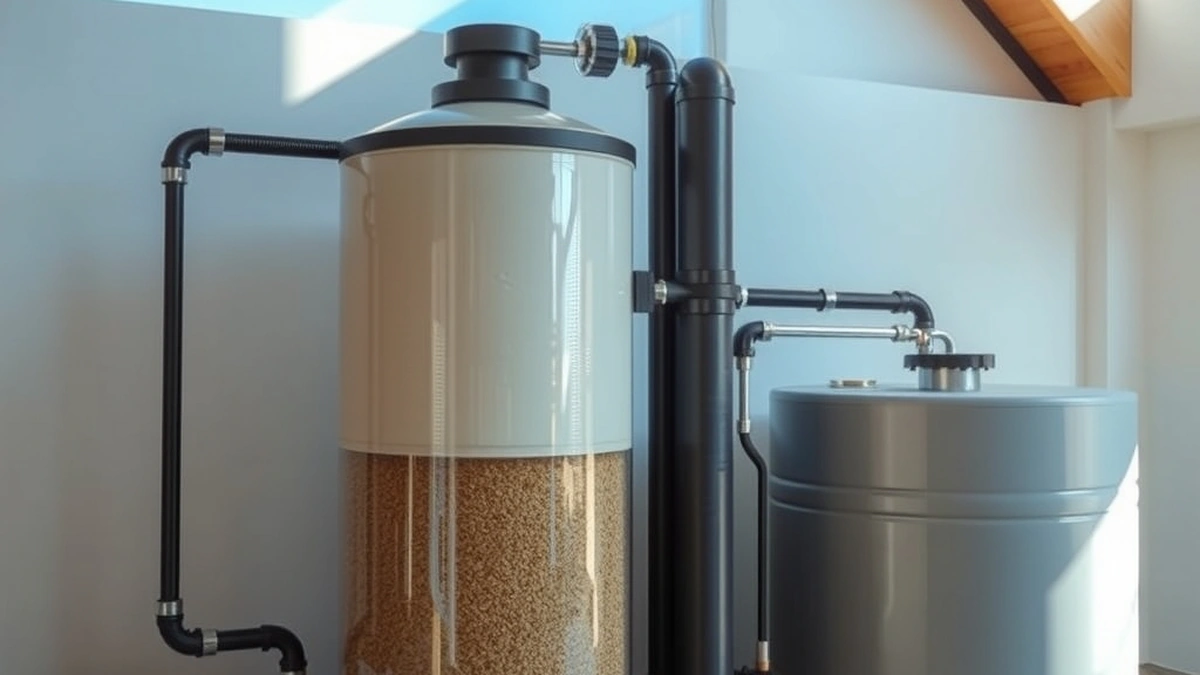
A water softener exchanges hardness minerals and can handle limited clear-water iron, generally up to 2–3 ppm. Equipment costs $600–$2,500, with installation adding $500–$1,500, for a total installed range of $1,200–$4,500. Ongoing salt costs $120–$400 per year, and resin rebeds run $300–$600. Softener capacity ranges from 24,000–64,000 grains, and typical resin life is 8–12 years within a 10–15 year equipment life. For more detail, see our breakdown of how much does a water softener cost and water softener installation cost.
If iron exceeds the softener limit or sulfur is present, a dedicated iron filter or sulfur filter is often more appropriate. Iron filters typically install for $800–$2,500, while sulfur filters run $1,000–$3,000. Carbon filtration can address some organic odors and chlorine, with installed costs of $500–$1,800 and cartridge replacement of $80–$300 per year, usually every 6–12 months.
Sediment prefiltration is common after rain events because runoff carries particulates. Sediment cartridges typically need replacement every 3–6 months.
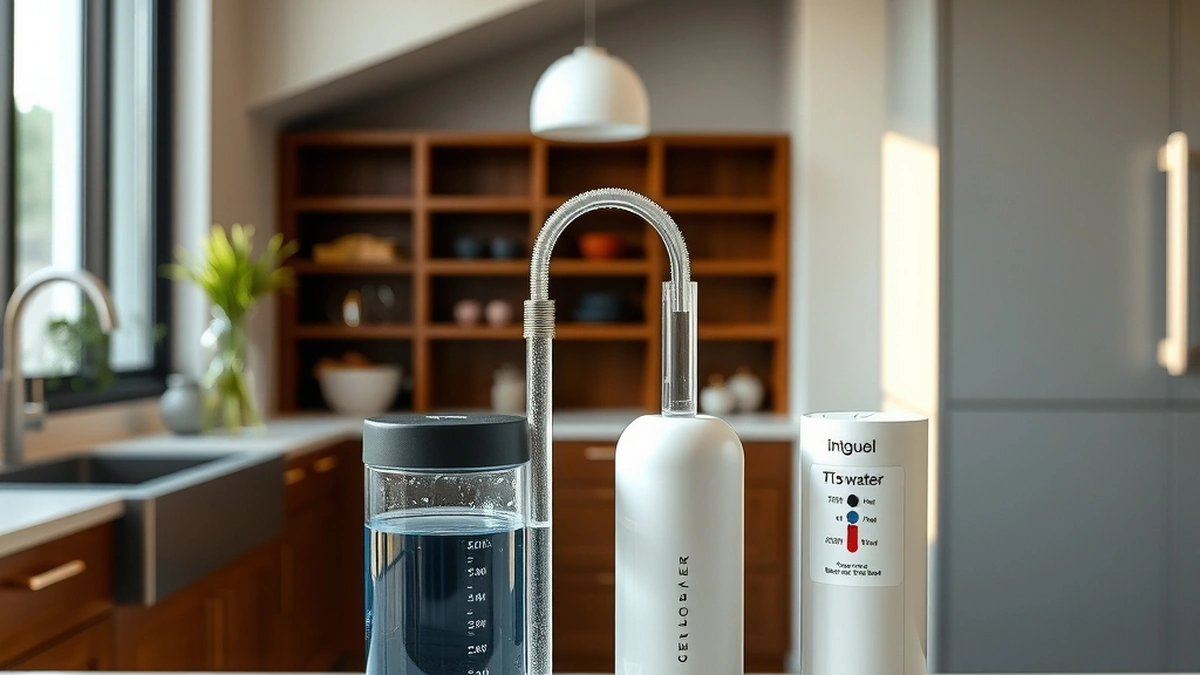
Reverse osmosis is usually a point-of-use option for drinking water, not whole-house odor control. Under-sink RO equipment costs $200–$600, with installed costs of $300–$900. Running costs are $60–$150 per year, membrane life is 2–3 years, and waste ratios are typically 3–4:1 with rejection rates of 80–95%. Whole-house RO is far more expensive, at $3,000–$8,000 installed, and is rarely the first choice for odor alone. See reverse osmosis system cost for details.
UV systems address microorganisms but do not remove dissolved iron, sulfur, or odor gases. Lamps are replaced every 12 months at $30–$90.
Show the Arithmetic: Salt and Capacity
If a softener is part of the plan, salt use and grain capacity matter for operating cost. A typical residential softener uses 8–12 pounds of salt per regeneration. At $120–$400 per year for salt, a household regenerating once per week might use roughly 416–624 pounds of salt annually.
Grain capacity ranges from 24,000–64,000 grains. To estimate regeneration frequency, divide capacity by the grains of hardness removed per day. For example, a 32,000-grain softener treating water with 10 grains per gallon hardness at 300 gallons per day removes 3,000 grains daily, suggesting regeneration roughly every 10 days before reserve. Actual settings depend on water use, hardness, and iron levels.
These figures are estimates. Your numbers depend on test results and household demand.
When to Call a Well Professional
Equipment cannot fix a compromised well. If the casing is cracked, the cap is missing, or the seal is degraded, rain will keep entering no matter what filter you install. A well contractor can inspect the cap, casing, grout, and pump depth.
If testing shows coliform bacteria, discuss disinfection and well repair with a professional. Shock chlorination may be part of the response, but it does not remove dissolved minerals or chemical runoff.
Persistent odor after rain often points to a pathway problem rather than a water chemistry problem alone. Fix the pathway first, then size treatment to the remaining water quality.
Match Treatment to the Test Result
Treatment selection follows test data, not smell descriptions. Iron below 2–3 ppm may be managed by a softener; higher levels usually call for an iron filter. Hydrogen sulfide often requires oxidation, aeration, or a dedicated sulfur filter. Organic odors may respond to carbon filtration.
Whole-house filters typically deliver 8–15 gallons per minute, which is sufficient for most homes, but sizing should match peak flow and fixture count. Installed whole-house filtration commonly ranges from $500–$1,800 for carbon-based systems, while dedicated iron and sulfur equipment sits higher.
For broader cost context across well water equipment, see well water treatment cost. If you are considering a whole-house filter as part of the plan, see whole house water filter cost.
Rain-related well odors are common, but they are not normal to ignore. Test the water, inspect the well, and match equipment to the measured problem.
Frequently asked questions
Why does well water smell after rain?
Rain can push surface runoff, iron, sulfur, and organic material into the well or aquifer, changing odor and chemistry.
Is rain-related well odor dangerous?
Odor alone is not a health diagnosis; only a lab test can identify what entered the water and whether treatment is needed.
Should I shock chlorinate after rain?
Shock chlorination may address some bacterial issues, but it does not remove dissolved iron, sulfur, or chemical runoff.
Can a water softener fix rain smells?
A softener handles hardness and limited clear-water iron, typically up to 2–3 ppm, but it is not a sulfur or odor filter.
How often should I test a private well?
Test at least once a year, and again after flooding, heavy rain, or any noticeable change in taste, smell, or appearance.
What treatment removes sulfur odor?
Options include aeration, oxidation, carbon filtration, and dedicated sulfur filters, often installed at $1,000–$3,000.
Sources
Some links are affiliate links.If you buy through them we may earn a commission at no extra cost to you. We do not accept payment for rankings. Read the full disclosure.