How to Get Rid of Hard Water Stains for Good
Removing the stain is half the job; stopping it from returning is the other. See the cleaning sequence, prevention habits, and when to treat the water.
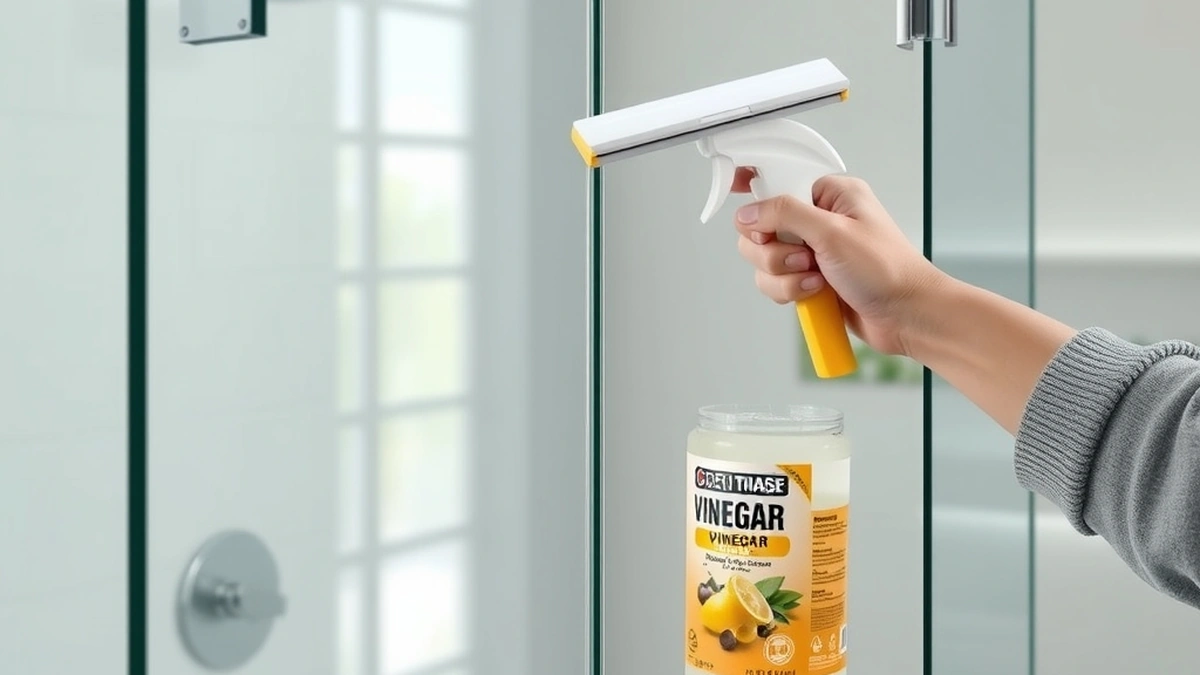
Get rid of hard water stains by dissolving them with an acid, rinsing, and drying the surface, then preventing new deposits by drying after each use or softening the water. Cleaning alone will not stop them returning within weeks.
- Vinegar
- $2 - $5 per gallon
- Cream descaler
- $15 - $30 per tub
- Dwell time
- 10 - 30 minutes
- Softener installed
- $1,200 - $4,500
- Lab test
- $40 - $150
Some links on this page are affiliate links.If you buy through them we may earn a commission at no extra cost to you. We do not accept payment for rankings. Read the full disclosure.
Getting rid of hard water stains takes two steps: dissolve the deposit that is there, then stop new deposit from forming. Most people do the first and skip the second, which is why the stains are back within a month. The cleaning is easy; the prevention is the part that lasts.
Step One: Identify the Deposit
Not every white mark is calcium carbonate. Vinegar tells you: if the spot fizzes or softens, it is carbonate scale. If nothing happens, it may be silica, etched glass, or a soap residue that needs a surfactant instead of an acid.
Orange or rust-colored stains are iron, not hardness. Acid makes iron stains worse by setting them into the surface. Use a reducing agent or an oxalic acid product, and test the water for iron.
Getting this wrong wastes an afternoon and can damage a fixture. A $5 bottle of vinegar and five minutes of observation prevent both.
Step Two: Dissolve It
| Cleaner | Strength | Surfaces | Dwell time |
|---|---|---|---|
| White vinegar | Mild | Glass, chrome, porcelain | 20 - 30 minutes |
| Citric acid solution | Mild to moderate | Shower heads, kettles | 15 - 30 minutes |
| Cream descaler | Moderate | Glass, tile, chrome | 1 - 5 minutes |
| Phosphoric acid gel | Moderate to strong | Toilets, heavy scale | 10 - 60 minutes |
| Chelating cleaner | Mild, non-acid | Stone, sealed surfaces | 5 - 15 minutes |
Warm the surface first, apply the cleaner, and let it sit. The dwell time does most of the work, and scrubbing only removes what the acid has already loosened.
For a vertical surface, soak paper towels and press them against the glass so the acid stays in contact. Re-wet if the towel dries.
Step Three: Remove and Rinse
Agitate with a non-scratch pad or a soft brush, working in small circles. Rinse with plenty of water, then dry with a squeegee or microfiber cloth.
Repeat rather than scrub harder. A year of scale will not come off in one pass, and abrasion removes the finish before it removes the deposit.
On flat glass, a razor blade held at a shallow angle can lift softened film. Keep the glass wet and the blade flat, and never use a blade on coated or frosted glass.
Step Four: Stop It Coming Back
Prevention has three levels, and each costs more than the last.
The cheapest is drying. A squeegee after every shower removes most of the water that would evaporate and leave minerals. A microfiber cloth on faucets does the same for chrome.
The next is a shower head filter or a handheld sprayer, which does not remove hardness but can reduce the volume of water sitting on surfaces. That is a marginal gain, not a fix.
The real fix is removing the minerals from the water. A softener at $1,200 - $4,500 installed does that for the whole house, and a salt-free conditioner at $500 - $1,800 reduces visible deposition without removing hardness.
The Sequence That Works
- Test the stain with vinegar to confirm it is carbonate.
- Warm the surface and apply an acid cleaner.
- Let it dwell 10 - 30 minutes, re-wetting if needed.
- Agitate with a non-scratch pad and rinse thoroughly.
- Dry with a squeegee or microfiber cloth.
- Repeat for heavy deposit instead of scrubbing harder.
- Squeegee after every shower to slow the next layer.
When Cleaning Is the Wrong Answer
If the stains return within a week, the water is depositing a visible layer every few showers. Cleaning is then a subscription, not a solution.
Test the hardness. A reading of 7 GPG or higher means the water is hard enough to justify treatment, and the softener will cost less over ten years than the cleaners, pads, and replacement glass.
If the glass stays cloudy after two proper acid soaks, the surface is probably etched. Silica and years of alkaline cleaning pit the glass, and no cleaner restores it. Replacement glass is the only fix, and a softener prevents the new glass from going the same way.
Tools Worth Keeping
A short list of supplies covers almost every hard water job in a house. None of it is expensive, and having it on hand turns a two-hour project into twenty minutes.
- A spray bottle of 1:1 white vinegar and water for daily touch-ups
- A squeegee with a rubber blade for glass and tile
- A non-scratch pad, not steel wool, for chrome and glass
- A soft detail brush for grout lines and faucet bases
- A plastic scraper or an old credit card for softened film
- Nitrile gloves and a second spray bottle for stronger acids
Keep the acid cleaners away from bleach and away from natural stone. Store them in a caddy rather than loose under the sink, where a leak can pool against a cabinet base.
The Time Budget
A weekly wipe-down takes about five minutes and keeps light film from becoming a deposit. A monthly deep clean of a shower takes 30 - 45 minutes including dwell time.
A full restoration of a neglected shower door takes two or three sessions across a week. The first pass loosens the top layer, the second reaches the mineral underneath, and the third handles the edges and the track.
Knowing which job you are doing prevents the most common mistake: scrubbing a year of scale in one session, scratching the glass, and concluding the cleaner failed. Call a professional only for etched glass, stone surfaces, or scale inside a water heater or a tankless coil. Those jobs need polishing compounds, stone-specific chemistry, or a plumber, and a household cleaner can make them worse.
A cleaning service that handles hard water restoration typically charges $150 - $400 for a shower enclosure. That is worth it once, but it does not solve the source, and the deposit returns on the same schedule.
For the removal methods by surface, see remove hard water stains. For glass specifically, see how to remove hard water stains from glass. For treatment, see how to treat hard water and water softener cost.
Frequently asked questions
What gets rid of hard water stains fast?
A warm acid soak. Vinegar or a citric acid solution applied for 10-30 minutes softens calcium carbonate so it wipes away. Cream descalers work faster on heavy film.
Why do the stains come back so quickly?
Because the water still contains calcium and magnesium. Every wet-dry cycle deposits a new layer, and cleaning only removes the previous one.
Does a water softener remove existing stains?
No. It prevents new deposits. Existing scale has to be dissolved with an acid cleaner after the softener is installed.
Can I use a razor blade on shower glass?
Yes, on flat glass, held at a shallow angle with the surface wet. Do not use a blade on coated, frosted, or tempered glass with visible chips.
Are commercial stain removers worth it?
They are worth it on heavy or vertical deposits where vinegar runs off. For weekly maintenance, vinegar costs a fraction as much and works as well.
When should I stop cleaning and treat the water?
When stains return within days, when they appear on every fixture, or when hardness tests at 7 GPG or higher. That is the point where treatment costs less than cleaning.
Sources
Some links are affiliate links.If you buy through them we may earn a commission at no extra cost to you. We do not accept payment for rankings. Read the full disclosure.