How to Treat Hard Water: A Decision Path by Number
Treatment follows the hardness number, not the symptom. See which option fits 4 GPG versus 12 GPG, what each costs, and the order to install them.
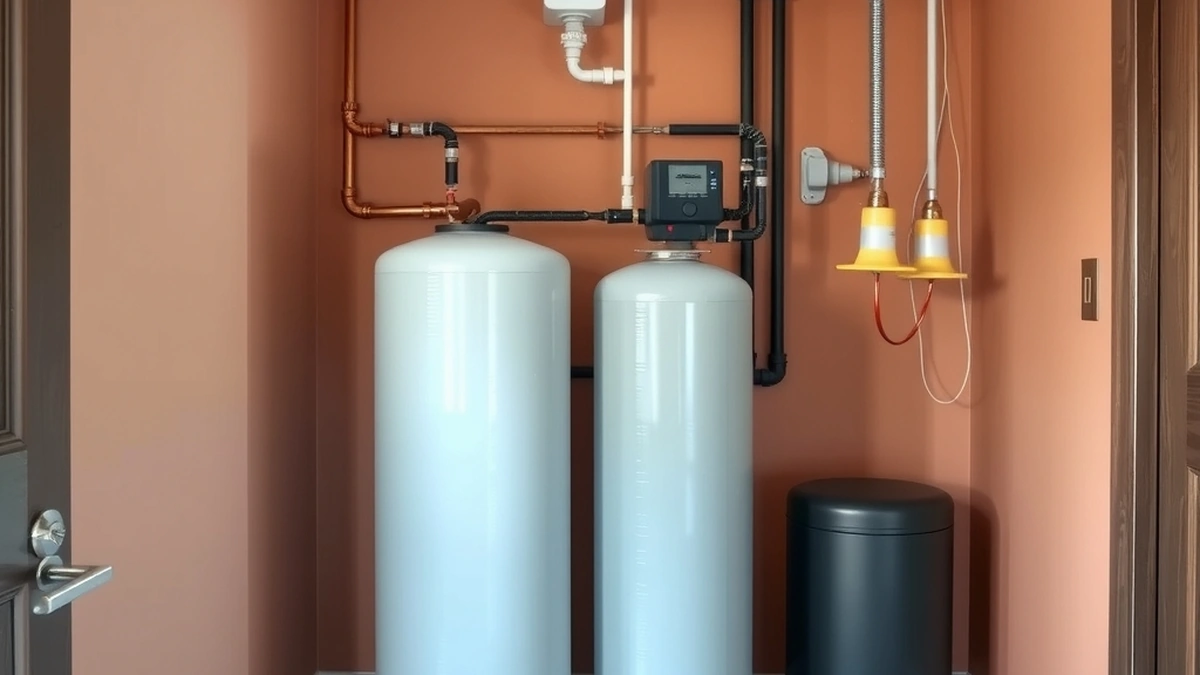
Treat hard water by matching the option to the test result: under 3 GPG needs nothing, 3 - 7 GPG may need only cleaning habits, and 7 GPG or higher justifies a softener at $1,200 - $4,500 installed or a conditioner at $500 - $1,800 if scale alone is the concern.
- Soft
- 0 - 3 GPG
- Moderately hard
- 3 - 7 GPG
- Hard
- 7 - 10 GPG
- Very hard
- 10+ GPG
- Softener installed
- $1,200 - $4,500
Some links on this page are affiliate links.If you buy through them we may earn a commission at no extra cost to you. We do not accept payment for rankings. Read the full disclosure.
Hard water is treated by removing calcium and magnesium, and only ion exchange does that. Everything else, from conditioners to descalers, manages the symptoms. The treatment choice follows the test number and the symptoms, not the marketing category.
Read the Number First
Hardness is reported in grains per gallon. The bands are 0 - 3 GPG soft, 3 - 7 moderately hard, 7 - 10 hard, and 10+ very hard.
Under 3 GPG, you already have soft water. Scale on a fixture is coming from something else, often a water heater set too hot or a slow drip that concentrates minerals as it evaporates.
Between 3 and 7 GPG, the decision is about tolerance. Light spotting and occasional soap film may not justify $1,200 - $4,500 in equipment. Cleaning habits and a squeegee may be enough.
At 7 GPG and above, the symptoms become regular and the case for treatment strengthens. At 10+ GPG, scale appears within weeks of cleaning and appliance efficiency starts to suffer.
The Options and What They Actually Do
| Option | Removes hardness | Installed cost | Running cost |
|---|---|---|---|
| Ion-exchange softener | Yes | $1,200 - $4,500 | $120 - $400 per year in salt |
| Salt-free conditioner | No | $500 - $1,800 | Media every 3 - 10 years |
| Point-of-use RO | At one tap | $300 - $900 | $60 - $150 per year |
| Descaler cartridge | No | $50 - $200 | $30 - $100 per year |
| Portable softener | Yes, small volume | $200 - $600 | Salt and resin |
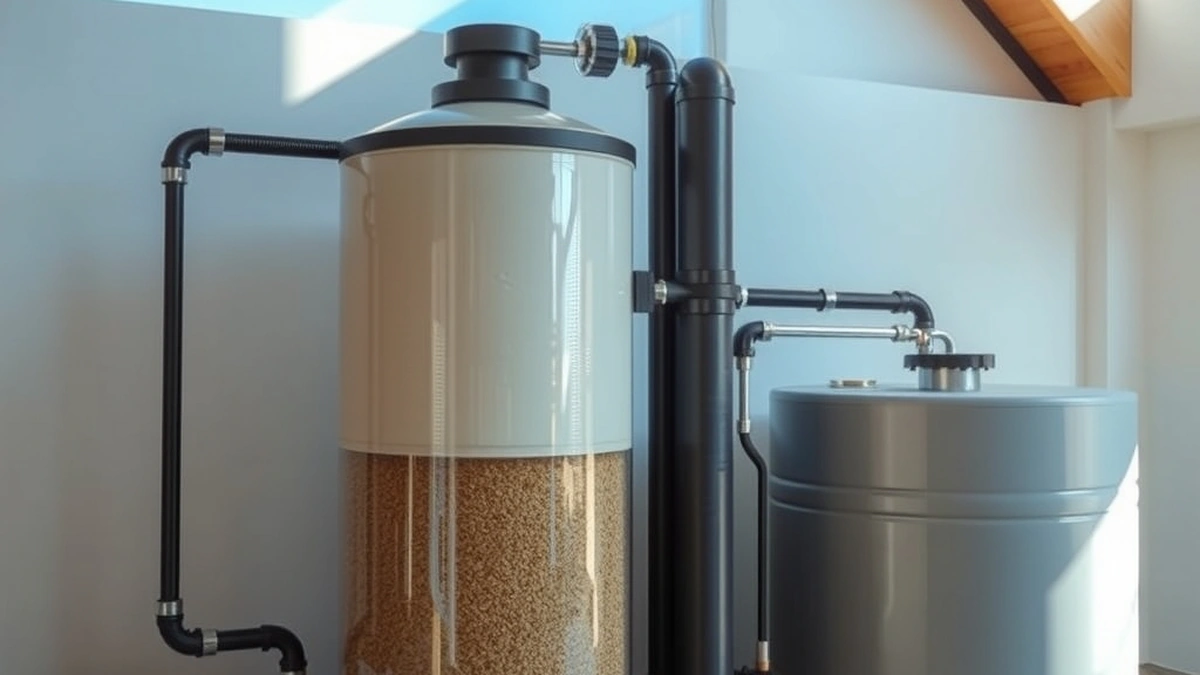
A softener is the direct answer. It swaps calcium and magnesium for sodium on a resin bed and regenerates with brine. Capacity runs 24,000 - 64,000 grains, salt use is 8 - 12 pounds per regeneration, and the equipment lasts 10 - 15 years with a resin rebed at $300 - $600 around years 8 - 12.
A conditioner is the partial answer. It changes crystal structure so scale adheres less, but the grains per gallon reading does not change. It suits households that want less scale without salt, a drain, or added sodium.
Point-of-use RO is not a hardness treatment for the house. It removes minerals at one tap for drinking, at $300 - $900 installed.
Descaler cartridges are appliance-specific. They treat the water going into a coffee maker, a steam oven, or a whole-house scale-control housing, and they do not soften the supply.
Sizing the Softener
Sizing is hardness times daily gallons. A family of four using 250 gallons a day at 12 GPG carries 3,000 grains daily and 21,000 weekly. A 32,000-grain unit regenerating weekly covers that with reserve.
Check the service flow as well as the capacity. A house with two showers and a laundry can draw 12 - 15 GPM, and a unit rated at 7 GPM will cause a pressure drop even if the grain capacity looks right.
Add iron to the calculation. Above 2 - 3 PPM, resin fouls faster than salt can clean it, and an iron filter at $800 - $2,500 installed belongs ahead of the softener. Sulfur odor needs oxidation and a backwashing filter at $1,000 - $3,000.
What It Costs Over Ten Years
A mid-range softener: $2,000 installed plus $250 a year in salt for ten years equals $4,500. Add a resin rebed at $400 around year ten and the total is $4,900.
A conditioner: $1,000 installed plus one media change at $300 equals $1,300 over ten years. It costs less because it does less.
A household spending $120 a year on descalers and cleaning products spends $1,200 over ten years and still has scale in the water heater. The cheap option is not always the low-cost option, but the expensive option is not always justified either.
Installation Order
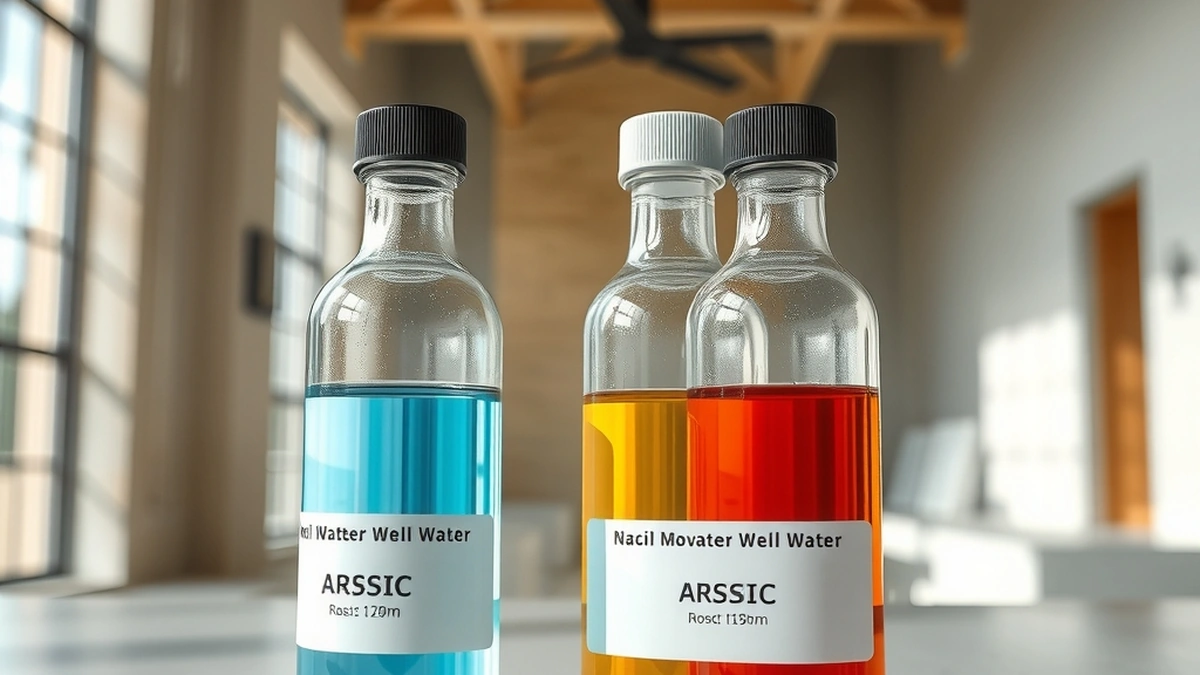
- Test the water for hardness, iron, manganese, pH, and bacteria.
- Fix any iron or sediment problem before the softener.
- Install a bypass valve so the house can run during service.
- Provide a drain with an air gap and a grounded outlet.
- Set the hardness and capacity in the valve, then run a manual regeneration.
- Test the treated water at a cold tap and record the result.
- Retest quarterly and check the salt level monthly.
Maintenance That Keeps It Working
Salt is the consumable. Keep the brine tank half to two-thirds full, break up crusts, and clean the tank annually. A salt bridge makes the unit regenerate with weak brine and is the usual reason a working softener stops softening.
Resin lasts 8 - 12 years. If the treated water reads hard despite salt in the tank and a working valve, the resin may be exhausted or fouled, and a rebed at $300 - $600 restores capacity.
One more check belongs in the routine: verify the hardness setting in the valve matches the current test. A unit programmed for 8 GPG in a house that tests at 16 GPG will regenerate too late and let hard water through at the end of every cycle. Recheck the setting whenever the supply changes or a new test comes back different.
Set the salt dose with the same care. A higher dose per regeneration restores more capacity but spends more salt, and the efficiency curve flattens quickly. Most residential units run best at a moderate dose with more frequent regeneration, not a maximum dose with long intervals. The valve manual lists the capacity at each dose, and the difference between settings can be 20 percent of the annual salt bill.
For the equipment comparison, see salt based vs salt free softener and water softener vs descaler. For sizing, see water softener sizing. For pricing, see water softener cost.
Frequently asked questions
What is the best way to treat hard water?
Ion exchange softening is the only method that removes calcium and magnesium. Conditioners reduce scaling without removing hardness, and descalers treat symptoms at a single appliance.
At what hardness should I install a softener?
Most households justify a softener at 7 GPG or higher, especially when scale, soap scum, and stiff laundry are already visible. Between 3 and 7 GPG it is a judgment call.
Does boiling hard water remove hardness?
No. Boiling precipitates some calcium carbonate as scale and leaves the rest in the water. It makes the deposit visible in the kettle and does not soften the supply.
Can I treat only the shower instead of the whole house?
A point-of-use softener for a shower exists but is uncommon and needs salt and a drain. Most households treat the whole house or accept the symptoms.
How long does a softener take to pay back?
It rarely pays back in soap savings alone. The case rests on scale prevention, appliance life, and fixture appearance over a 10-15 year equipment life.
What if my water is hard and has iron?
Treat the iron first. Softener resin handles only about 2-3 PPM of dissolved iron, so an iron filter goes ahead of the softener when the test shows more.
Sources
Some links are affiliate links.If you buy through them we may earn a commission at no extra cost to you. We do not accept payment for rankings. Read the full disclosure.