Salt-Based Vs Salt-Free Guide
Compare salt-based water softeners and salt-free conditioners by installed cost, grain capacity, salt use, and maintenance for US homes.
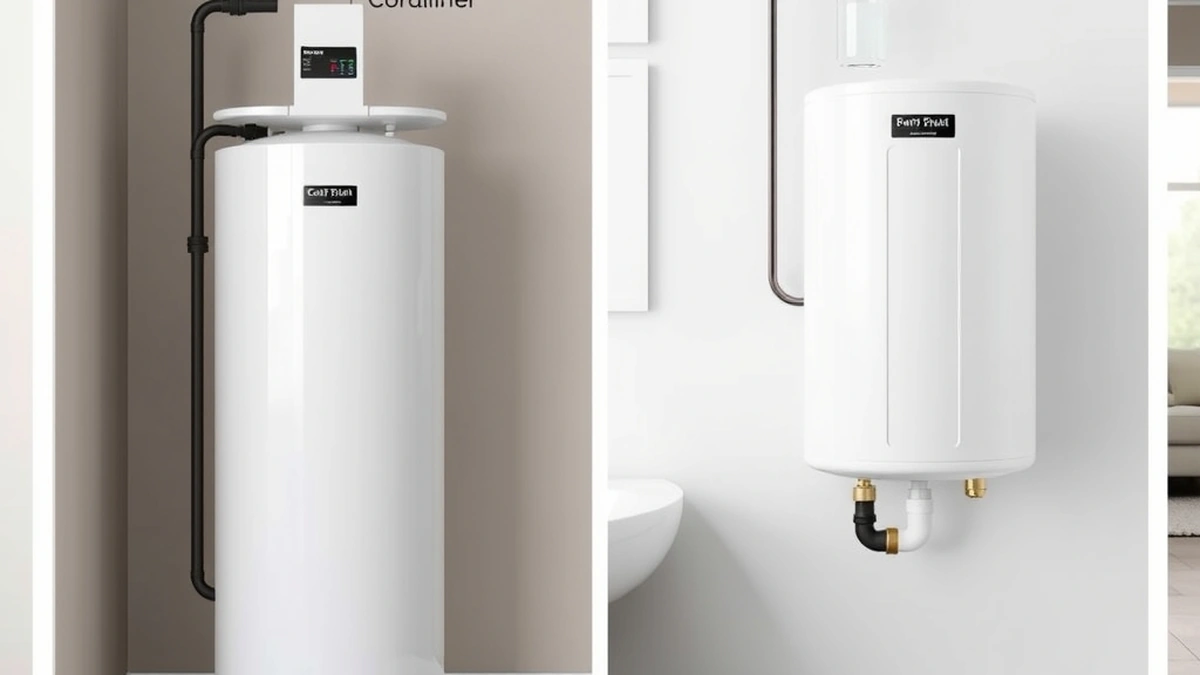
Salt-based softeners remove hardness minerals using ion exchange and salt regeneration; salt-free conditioners alter mineral behavior without removing hardness or using salt.
- Salt-based installed cost
- $1,200–$4,500
- Salt-free conditioner installed cost
- $500–$1,800
- Salt-based annual salt cost
- $120–$400
- Salt-based resin bed life
- 8–12 years
- Typical softener grain capacity
- 24,000–64,000 grains
Some links on this page are affiliate links.If you buy through them we may earn a commission at no extra cost to you. We do not accept payment for rankings. Read the full disclosure.
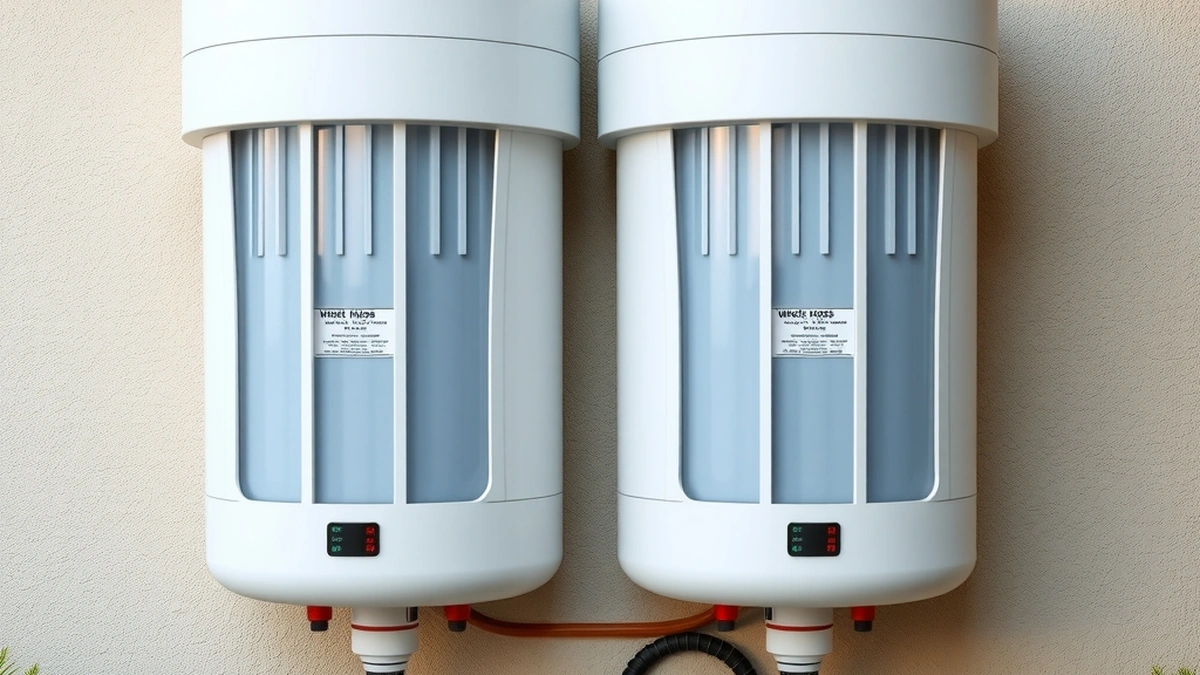
Salt-based softeners remove hardness minerals through ion exchange and regenerate with salt. Salt-free conditioners treat water without salt and do not remove measured hardness. This guide compares installed cost, operating cost, capacity, and maintenance so you can match equipment to your water test results.
How Salt-Based Softeners Work
A salt-based water softener passes hard water through resin beads charged with sodium ions. Calcium and magnesium trade places with sodium, and the softened water enters the home plumbing. When the resin approaches its capacity, the system regenerates by flushing a brine solution through the tank, washing hardness minerals to the drain and recharging the resin.
Resin capacity is measured in grains. Residential systems commonly range from 24,000 to 64,000 grains. To estimate daily softening load, multiply grains per gallon of hardness by daily household water use. For example, a home with 10 grains per gallon hardness and 300 gallons of daily use produces a 3,000-grain daily load. A 32,000-grain system would theoretically support roughly 10 days between regenerations at that load, though actual programming and reserve capacity affect the schedule.
Equipment typically costs $600–$2,500, with installation adding $500–$1,500, for an installed range of $1,200–$4,500. Salt runs about $120–$400 per year. Resin beds last an estimated 8–12 years, and rebedding costs roughly $300–$600. Total system life is commonly estimated at 10–15 years.
How Salt-Free Conditioners Work
Salt-free conditioners do not use resin beds, brine tanks, or regeneration cycles. Most use template-assisted crystallization or similar media to change the form of hardness minerals so they are less likely to bind to pipes and fixtures. Because hardness minerals are not removed, a post-treatment water test will generally show the same grains per gallon as untreated water.
These units are often marketed as scale inhibitors rather than softeners. That distinction matters if your goal is lower measured hardness or softer-feeling water for laundry and bathing. Salt-free equipment typically installs for $500–$1,800. There is no salt to buy, and there is no brine discharge to manage. Media replacement intervals and costs vary by manufacturer and water chemistry.
Installed Cost Comparison
The table below compares representative installed costs. Actual prices depend on system size, plumbing access, local labor rates, and whether electrical or drain connections are required.
| Item | Salt-Based Softener | Salt-Free Conditioner |
|---|---|---|
| Equipment | $600–$2,500 | Included in installed range |
| Installed cost | $1,200–$4,500 | $500–$1,800 |
| Annual consumables | $120–$400 salt | None required |
| Major maintenance | $300–$600 resin rebed every 8–12 years | Media replacement per manufacturer |
| Estimated system life | 10–15 years | Varies by media and use |
A salt-based system costs more upfront but physically removes hardness. A salt-free conditioner costs less to install and operates without salt, but it does not reduce grains per gallon.
Operating Cost Arithmetic
Operating cost depends on regeneration frequency and salt dose. Assume a softener uses 8–12 pounds of salt per regeneration and regenerates once per week. At 10 pounds per week, annual salt use is 520 pounds. If salt costs roughly $0.23–$0.77 per pound delivered, the annual salt cost is about $120–$400, consistent with the published range.
Over a 10-year period, salt alone could total $1,200–$4,000. Add one resin rebed at $300–$600 around year 8–12, and the 10-year operating cost for a salt-based system might reach roughly $1,500–$4,600 before installation. A salt-free conditioner has no salt cost, but media replacement can add expense over the same period. Exact figures depend on water volume, hardness, and manufacturer recommendations.
When to Choose Each Type
Choose a salt-based softener when your water test shows hardness in the hard or very hard range, generally above 7 grains per gallon, and you want measured hardness reduction. These systems are appropriate for whole-house treatment where scale protection, soap efficiency, and laundry feel are priorities. They require a drain connection, electrical outlet, and dedicated space for the brine tank.
Choose a salt-free conditioner when hardness is moderate, roughly 3–7 grains per gallon, and the primary goal is scale reduction in plumbing without salt or wastewater. These units are also useful where brine discharge is restricted or where adding sodium to drinking water is a concern. Note that sodium added by softening is typically small relative to dietary intake, but anyone on a sodium-restricted diet should review test results and equipment specifications with a qualified professional.
Salt-free conditioners are not a substitute for contaminant treatment. They do not address iron, sulfur, nitrate, or bacteria. If your water test shows iron above the softener limit of roughly 2–3 ppm, a dedicated iron filter may be needed before or instead of softening. Iron filters typically install for $800–$2,500. Sulfur treatment typically installs for $1,000–$3,000.
Water Testing Comes First
Equipment selection should follow a water test, not assumptions. A lab test typically costs $40–$150 and should report hardness in grains per gallon, iron, pH, and other relevant parameters. Municipal water customers can request a consumer confidence report, while private well owners are responsible for their own testing schedules.
Hardness ranges commonly used for reference are:
- Soft: 0–3 grains per gallon
- Moderate: 3–7 grains per gallon
- Hard: 7–10 grains per gallon
- Very hard: 10+ grains per gallon
If hardness is below 3 grains per gallon, a softener may not provide enough benefit to justify cost. If hardness is above 10 grains per gallon, a higher-capacity salt-based system is usually the more effective choice.
Related Equipment Costs
Salt-based softeners and salt-free conditioners address hardness only. Other water quality issues may require separate equipment. A whole-house carbon filter typically installs for $500–$1,800, with cartridges costing $80–$300 per year and replacement every 6–12 months. Sediment cartridges usually require replacement every 3–6 months.
An under-sink reverse osmosis system costs $200–$600 for equipment and $300–$900 installed. Running costs run about $60–$150 per year, with membrane replacement every 2–3 years. Waste ratios are commonly 3–4:1, and rejection rates range from 80–95 percent depending on contaminant and conditions. Whole-house reverse osmosis installs for $3,000–$8,000 and is usually reserved for specific water quality problems rather than hardness alone.
Ultraviolet treatment addresses microbiological concerns and uses a lamp typically replaced every 12 months at $30–$90. It does not soften water or remove dissolved minerals.
Maintenance and Lifespan
Salt-based softeners require salt refills, brine tank cleaning, and occasional valve or resin maintenance. Resin life is commonly estimated at 8–12 years, and full system life at 10–15 years. Salt-free conditioners have fewer moving parts and no regeneration schedule, but media eventually loses effectiveness and must be replaced according to manufacturer guidance.
Neither technology removes nitrate above the 10 mg/L health reference level, and neither is a standalone treatment for bacteria. Well water with multiple contaminants may need a sequenced treatment train, such as sediment filtration, iron treatment, softening, and point-of-use reverse osmosis for drinking water.
Bottom Line
Salt-based softeners remove hardness and cost more to buy, install, and operate. Salt-free conditioners cost less to install and operate without salt, but they do not lower measured hardness. Start with a lab water test, match grain capacity to your daily load, and compare the 10-year cost of salt, maintenance, and media replacement before choosing equipment.
Next, compare how much does a water softener cost, water softener installation cost, whole house water filter cost before you commit.
Frequently asked questions
What is the main difference?
Salt-based softeners exchange hardness minerals for sodium using resin and regenerate with salt; salt-free conditioners treat water without salt and do not remove hardness minerals.
Does salt-free remove hardness?
No. Salt-free conditioners change how minerals behave in plumbing but do not lower measured grains per gallon of hardness.
How much salt does a softener use per regeneration?
Typical residential softeners use 8–12 pounds of salt per regeneration, depending on size and programming.
How often does resin need replacement?
Resin beds typically last 8–12 years and rebedding costs about $300–$600.
Can a softener handle iron?
Softeners can handle limited dissolved iron, generally up to 2–3 ppm; higher levels usually need dedicated iron treatment.
Should I test water before buying?
Yes. A lab water test typically costs $40–$150 and confirms hardness, iron, and other contaminants before equipment selection.
Sources
Some links are affiliate links.If you buy through them we may earn a commission at no extra cost to you. We do not accept payment for rankings. Read the full disclosure.