Aquasana vs SpringWell Whole-House Filters
Compare Aquasana and SpringWell whole-house water filters on equipment cost, installation price, flow rates, and cartridge replacement schedules.
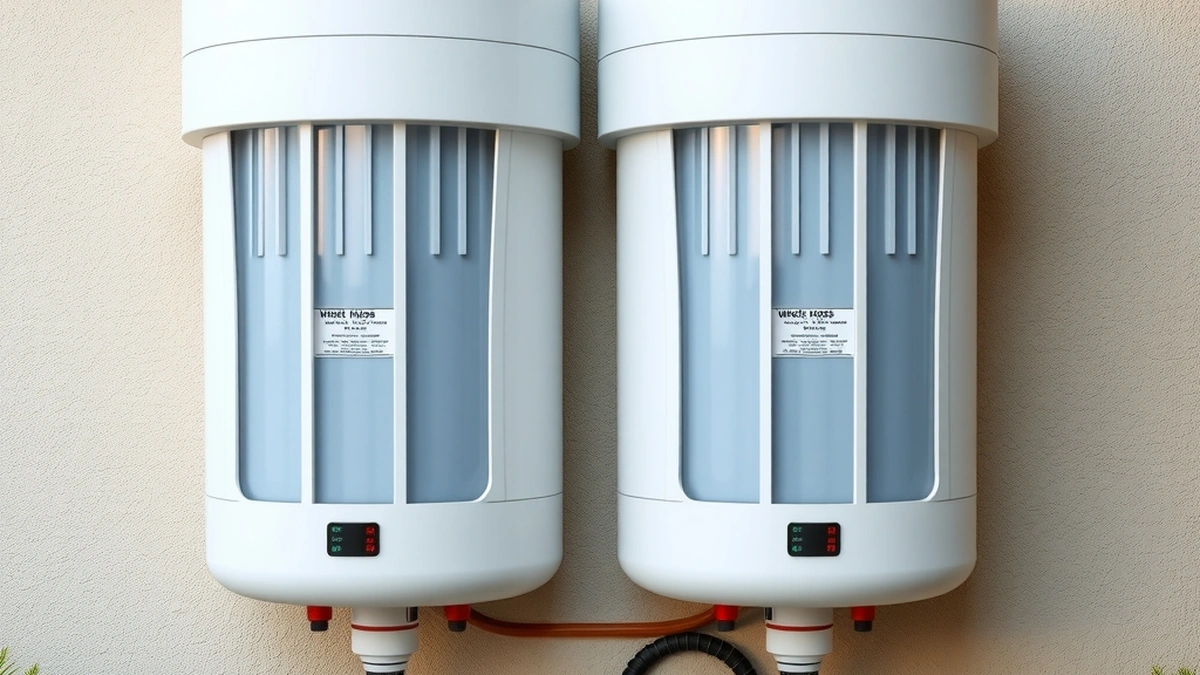
Aquasana and SpringWell both sell carbon-based whole-house filters; SpringWell typically lists higher flow rates, while Aquasana emphasizes multi-stage cartridge sets.
- Category
- Whole-house carbon filtration
- Installed cost range
- $500-$1,800
- Typical flow rate
- 8-15 GPM
- Cartridge replacement
- Every 6-12 months
Some links on this page are affiliate links.If you buy through them we may earn a commission at no extra cost to you. We do not accept payment for rankings. Read the full disclosure.
Aquasana and SpringWell both sell carbon-based whole-house water filters designed to reduce chlorine, sediment, and common taste or odor issues at the point of entry. Neither system is a water softener, and neither removes dissolved hardness minerals such as calcium or magnesium. Equipment and installation for these systems typically fall within the $500 to $1,800 range, with ongoing cartridge costs between $80 and $300 per year.
How Aquasana Whole-House Filters Work
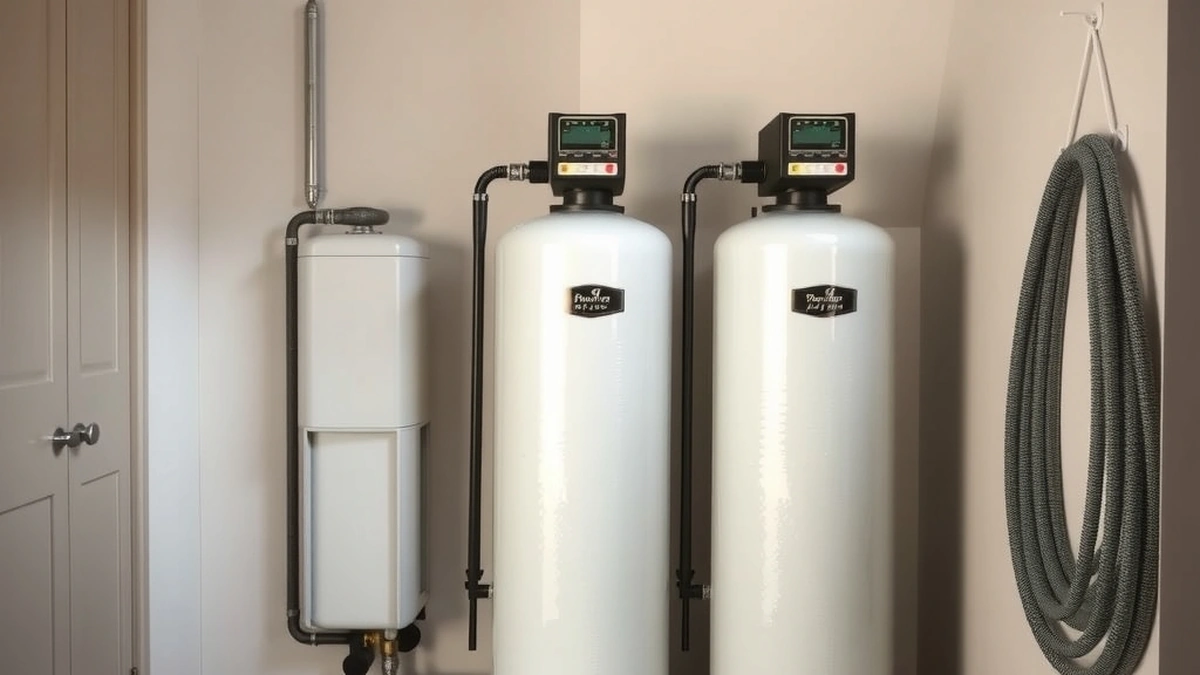
Aquasana whole-house systems use tank-based carbon filtration installed on the main water line where water enters the home. Most configurations combine a sediment pre-filter with one or more carbon stages to target chlorine, chloramines, volatile organic compounds, and particulate matter. Water passes through the media bed before distributing to fixtures, appliances, and water heaters.
Flow rates for residential whole-house carbon filters generally sit between 8 and 15 GPM, which is sufficient for most single-family homes without creating noticeable pressure drop at peak usage. Cartridge life depends on water quality and household volume, but carbon replacements are commonly scheduled every 6 to 12 months. Sediment pre-filters often require replacement every 3 to 6 months, especially in areas with visible particulate or well water sediment.
Because these systems do not use ion exchange resin, they do not regenerate with salt and do not produce brine waste. Maintenance consists of cartridge changes and periodic inspection of fittings and pressure gauges.
How SpringWell Whole-House Filters Work
SpringWell whole-house filters follow a similar point-of-entry design. Water enters a tank containing carbon media, often paired with a sediment pre-filter, before flowing to the home’s plumbing. The company markets different tank sizes and media configurations based on household size and estimated water usage.
Like Aquasana, SpringWell carbon systems are filtration devices, not softeners. They will not lower grains-per-gallon hardness readings or prevent scale buildup in water heaters. If a water test shows hardness above 7 GPG, a separate softener may be more appropriate, with installed softener costs typically ranging from $1,200 to $4,500.
SpringWell systems also avoid salt and regeneration cycles. Ongoing cost centers on replacement cartridges, which fall in the same broad $80 to $300 annual range as other carbon whole-house filters, depending on cartridge count and replacement frequency.
Side-by-Side Comparison
| Factor | Aquasana Whole-House | SpringWell Whole-House |
|---|---|---|
| System type | Carbon filtration | Carbon filtration |
| Softening capability | None | None |
| Typical installed cost | $500-$1,800 | $500-$1,800 |
| Carbon cartridge cost | $80-$300 per year | $80-$300 per year |
| Carbon replacement interval | 6-12 months | 6-12 months |
| Sediment replacement interval | 3-6 months | 3-6 months |
| Typical flow rate | 8-15 GPM | 8-15 GPM |
| Salt required | No | No |
| Best matched to | Chlorine, sediment, taste and odor | Chlorine, sediment, taste and odor |
These figures are estimates. Actual pricing depends on the specific model, local labor rates, and whether existing plumbing needs modification.
Installed Cost Arithmetic
A whole-house carbon filter is priced in two parts: equipment and installation. Equipment commonly ranges from $500 to $1,800. Professional installation typically adds labor on top of that, though total installed cost often remains within the same $500 to $1,800 window for straightforward retrofits.
For example, if a system costs $1,200 for equipment and $400 for installation, the total installed cost is $1,600. If carbon cartridges cost $200 per year and sediment cartridges cost $100 per year, annual consumables total $300. Over 10 years, cartridge replacement alone would cost approximately $3,000, not including potential housing or O-ring replacements.
By comparison, a water softener has different economics. Softener equipment ranges from $600 to $2,500, with installation from $500 to $1,500, for a total installed range of $1,200 to $4,500. Salt costs run $120 to $400 per year, and resin rebeds may cost $300 to $600 every 8 to 12 years. A carbon filter avoids salt entirely but does not address hardness.
Readers evaluating total home water treatment costs can review whole-house water filter cost for broader pricing context, and water softener installation cost if hardness treatment is also required.
What These Filters Do and Do Not Remove
Carbon whole-house filters are effective at reducing free chlorine, chloramines (depending on media type and contact time), sediment, and some organic compounds that affect taste and odor. They are not designed to remove dissolved minerals, heavy metals at high levels, nitrate, or bacteria.
EPA guidance sets the nitrate limit at 10 mg/L. If a lab test detects nitrate near or above that level, carbon filtration is not the appropriate treatment. Similarly, if iron exceeds 2 to 3 ppm, a standard softener may not be sufficient, and dedicated iron treatment may be necessary. Iron filter installation typically ranges from $800 to $2,500.
For microbiological concerns in private well water, UV treatment is a separate category. UV lamps typically require replacement every 12 months at a cost of $30 to $90 per lamp. More detail is available at UV water purifier cost.
Because performance depends heavily on what is in the water, a laboratory water test costing $40 to $150 should precede any equipment purchase. Test results determine whether carbon filtration, softening, iron treatment, or a combination is the correct sequence.
Installation and Plumbing Considerations
Whole-house filters are installed on the main line after the pressure tank or water meter. Adequate space is needed for the tank and for cartridge access. In cold climates, the installation location must be protected from freezing. A bypass valve is recommended so the system can be isolated for cartridge changes without interrupting water to the house.
Flow rate matters. If a household regularly uses multiple showers, a dishwasher, and a washing machine simultaneously, a system rated toward the higher end of the 8 to 15 GPM range helps avoid pressure loss. Undersizing the unit can restrict flow during peak demand.
Professional installation ensures proper inlet/outlet orientation, secure mounting, and leak testing. Some homeowners with plumbing experience self-install, but manufacturer warranty terms may require professional setup. For well water properties with multiple treatment needs, well water treatment cost provides a framework for sequencing equipment.
Maintenance Schedule and Long-Term Cost
Carbon whole-house filters operate on a predictable replacement calendar. Sediment cartridges typically need replacement every 3 to 6 months. Carbon cartridges typically last 6 to 12 months. If a household uses 300 gallons per day, that is roughly 109,500 gallons per year. Heavy sediment or chlorine loads can shorten cartridge life, while cleaner municipal water may extend it.
Annual operating cost is primarily the price of replacement cartridges. At $80 to $300 per year, ten-year consumable costs range from $800 to $3,000. There is no salt expense, no electricity cost for the filter itself, and no wastewater ratio to account for, unlike reverse osmosis systems. Under-sink RO equipment costs $200 to $600, with installed costs from $300 to $900 and annual running costs of $60 to $150. RO membranes last 2 to 3 years and typically waste 3 to 4 gallons for every gallon produced. More detail is at reverse osmosis system cost.
Resin-based softeners last 10 to 15 years, with resin life of 8 to 12 years. Carbon filter tanks may last longer, but media performance declines as adsorption sites become exhausted, which is why scheduled replacement matters more than tank longevity.
Which System Fits Your Home
Choose Aquasana or SpringWell based on local water test results, flow rate requirements, installed price quotes, and cartridge availability. Neither brand softens water. If hardness is the primary concern, a softener is the correct equipment class, with equipment from $600 to $2,500 and installed totals from $1,200 to $4,500. If the goal is chlorine reduction, sediment removal, and better taste throughout the house, a carbon whole-house filter is appropriate.
Start with a lab test. Then match the system to the results, confirm the flow rate can handle peak household demand, and calculate the ten-year cost of cartridges before signing off on installation.
Next, compare how much does a water softener cost, water softener installation cost, whole house water filter cost before you commit.
Frequently asked questions
Which brand costs more to install?
Installed whole-house carbon filters generally fall between $500 and $1,800 depending on the model, plumbing complexity, and local labor rates.
How often do cartridges need replacement?
Carbon cartridges typically need replacement every 6 to 12 months, while sediment cartridges often require replacement every 3 to 6 months.
Do these systems soften water?
No. These are carbon filtration systems; they are not ion-exchange water softeners and do not remove hardness minerals.
What flow rate should I expect?
Whole-house filters commonly operate in the 8 to 15 GPM range, depending on model size and plumbing configuration.
Should I test water before buying?
Yes. A laboratory water test typically costs $40 to $150 and helps confirm which contaminants are present before equipment selection.
Can I install one myself?
Some homeowners with plumbing experience can self-install, but professional installation adds labor cost and may be required for warranty support.
Sources
Some links are affiliate links.If you buy through them we may earn a commission at no extra cost to you. We do not accept payment for rankings. Read the full disclosure.