Remove Hard Water Stains: Methods That Work by Surface
Acid dissolves calcium carbonate, but the right method depends on the surface. See safe cleaners for glass, chrome, porcelain, and stone.
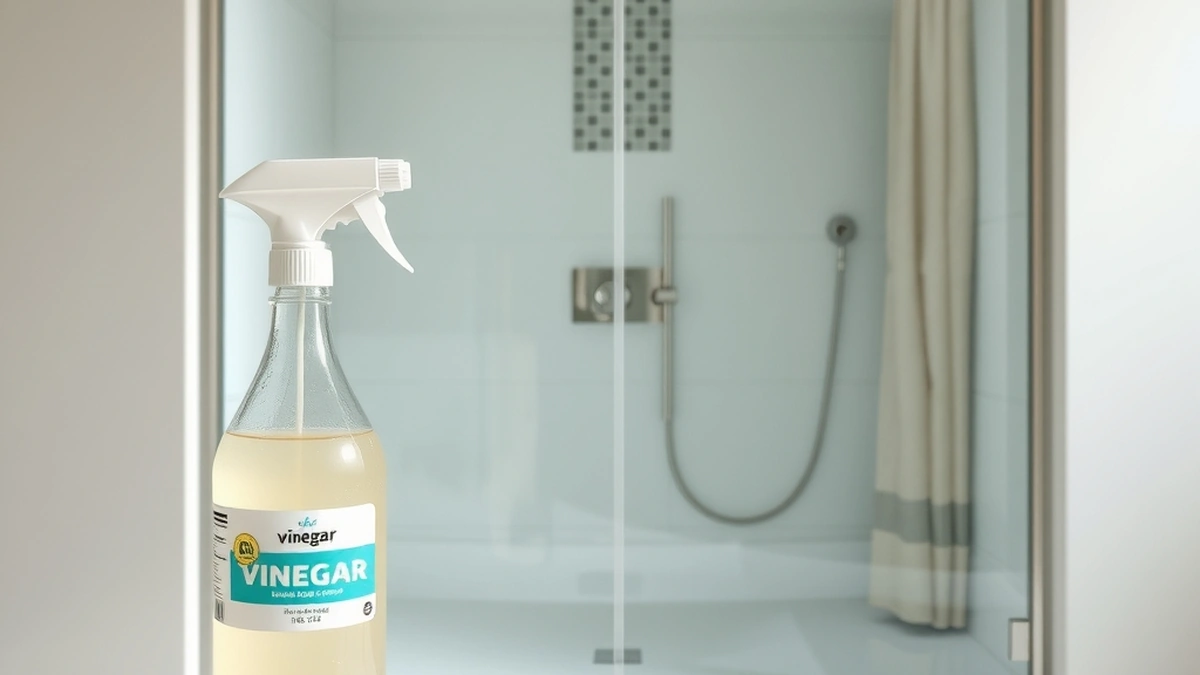
To remove hard water stains, soften the deposit with an acid, give it dwell time, then agitate and rinse. White vinegar or citric acid works on glass, chrome, and porcelain; natural stone needs a pH-neutral chelator instead, because acid etches it.
- White vinegar
- $2 - $5 per gallon
- Citric acid powder
- $10 - $20 per pound
- Commercial descaler
- $8 - $25 per bottle
- Dwell time
- 10 - 30 minutes
- Softener installed
- $1,200 - $4,500
Some links on this page are affiliate links.If you buy through them we may earn a commission at no extra cost to you. We do not accept payment for rankings. Read the full disclosure.
Hard water stains come off with acid, dwell time, and light agitation. The variables that matter are which acid, how long it sits, and what the surface can tolerate. Glass and chrome forgive almost anything; marble and travertine do not.
Why Acid Works
Calcium carbonate is alkaline. An acid converts it into a soluble calcium salt, carbon dioxide, and water. That is why a vinegar soak makes a chalky ring fizz and then wipe away.
The reaction needs contact time. A quick spray and wipe removes the surface film and leaves the hard layer underneath. Ten to thirty minutes of dwell time does most of the work, and a warm solution speeds the reaction.
Surfactants help with the soap scum mixed into the deposit. Scale and soap curd often sit in the same film, and an acid alone dissolves the mineral while leaving the grease. A drop of dish soap in the vinegar handles both.
Cleaners by Strength
| Cleaner | Active acid | Strength | Best for |
|---|---|---|---|
| White vinegar | Acetic, 5 percent | Mild | Maintenance, light scale |
| Citric acid solution | Citric | Mild to moderate | Shower heads, kettles |
| Phosphoric acid cleaner | Phosphoric | Moderate | Toilets, heavy scale |
| Hydrochloric descaler | Muriatic | Strong | Pools, not indoor fixtures |
| Chelating cleaner | EDTA or gluconate | Mild, non-acid | Stone, sealed surfaces |
Vinegar is the default for weekly maintenance. A gallon costs $2 - $5 and handles light deposits on glass, chrome, and porcelain.
Citric acid powder at $10 - $20 per pound makes a stronger solution without the smell. Two tablespoons per cup of warm water is a common mix for soaking shower heads and coffee makers. It rinses cleaner than vinegar and leaves no odor.
Commercial descalers at $8 - $25 per bottle combine acid with surfactants and a clinging agent so the product stays on a vertical surface. They earn their price on heavy scale, where vinegar runs off before it works.
Surface-by-Surface Rules
Glass shower doors tolerate acid well. Soak paper towels in vinegar, press them to the glass, and leave them 20 - 30 minutes. The towel keeps the acid in contact instead of running down the door.
Chrome and stainless steel tolerate short acid contact but not abrasives. Never use steel wool or scouring powder on chrome; the scratches are permanent and trap more mineral. Use a non-scratch pad and a soft cloth.
Porcelain enamel handles acid but not prolonged soaking around cracks, where the acid can attack the enamel underneath. Keep the dwell time under 30 minutes and rinse thoroughly.
Natural stone is the exception. Marble, travertine, and limestone are calcium-based, and acid etches them. Use a pH-neutral chelating cleaner, and seal the stone annually.
Fiberglass and acrylic tubs tolerate mild acid but scratch easily. Use a soft sponge and avoid anything labeled abrasive.
The Sequence That Works
- Test the cleaner on a hidden spot, especially on stone, coated glass, or colored fixtures.
- Warm the surface with hot water so the acid acts faster.
- Apply the acid and let it dwell 10 - 30 minutes; re-wet if it dries.
- Agitate with a non-scratch pad or a soft brush, working in small circles.
- Rinse with plenty of water and dry with a squeegee or microfiber cloth.
- Repeat for heavy deposits rather than scrubbing harder.
Repeat cycles beat aggressive scrubbing. Scale that has built for a year will not dissolve in one pass, and abrasion removes the surface finish before it removes the deposit.
Heavy rings around a toilet bowl need a different approach. Lower the water level, apply a phosphoric acid cleaner directly to the ring, and leave it for several hours or overnight. Pumice stones work on porcelain but scratch enamel if used with pressure, so keep them wet and use a light touch.
Shower heads come apart. Unscrew the head, soak it in a 1:1 vinegar and water solution for an hour, then clear the nozzles with a pin. Mineral blockage is the usual reason a shower sprays sideways, and the soak restores most of the flow.
Steam irons and humidifiers are the small appliances people forget. Both boil water and leave scale on the heating plate, and both can be descaled with a vinegar and water cycle. A steam iron that spits white flakes is telling you the reservoir is coated, and a humidifier that mists less has a scaled transducer. Neither needs a replacement part; both need twenty minutes and a cup of vinegar.
Finally, know when to stop. A surface that has been descaled twice and still shows a white haze is probably etched, not coated. Glass that has been physically pitted by years of alkaline cleaning cannot be restored with acid, and continuing to scrub removes more of the surface. Replace the glass or accept the haze.
Safety Points That Matter
Never mix an acid cleaner with bleach. The combination releases chlorine gas, which is dangerous in a bathroom. Rinse the surface and the tools between products, and never store them together.
Ventilate the room when using phosphoric or stronger acids. Wear gloves, and protect eyes when working overhead on a shower door.
Do not use muriatic acid indoors. It is a pool and masonry product, and the fumes attack metal fixtures, grout, and lungs. A residential bathroom never needs it.
When Cleaning Is Not Enough
If the glass stays cloudy after a proper acid soak, the surface may be etched. Silica in the water and years of alkaline cleaning can physically pit the glass, and no cleaner restores it. Replacement glass or a professional polish is the only fix.
If the stains return within days, the water is the problem. Test hardness before buying anything. A reading of 7 GPG or higher justifies a softener at $1,200 - $4,500 installed, which stops new deposits at every fixture.
For the source of the stains, see hard water stains. For the glass-specific sequence, see how to remove hard water stains from glass. For prevention, see how to treat hard water and water softener cost.
Frequently asked questions
What dissolves hard water stains fastest?
A warm acid solution with dwell time. White vinegar at full strength or a citric acid solution at two tablespoons per cup of water softens scale in 10-30 minutes.
Can I use vinegar on marble?
No. Acid etches calcium-based stone, leaving a dull mark that cannot be polished out with cleaner. Use a pH-neutral chelating product made for stone.
Is it safe to mix vinegar and bleach?
No. Mixing an acid with bleach releases chlorine gas. Never combine them, and rinse the surface thoroughly between products.
Why do my glass doors stay cloudy after cleaning?
The haze may be etched silica rather than scale. Acid removes mineral deposit but cannot restore glass that has been physically etched by years of hard water.
How often should I descale a shower head?
Monthly in very hard water and every three months in moderate water. Soak the head in vinegar, scrub the nozzles, and run hot water to flush.
Do commercial hard water removers work better than vinegar?
They are usually stronger acids with surfactants, so they act faster on heavy scale. Vinegar is cheaper and adequate for light deposits and regular maintenance.
Sources
Some links are affiliate links.If you buy through them we may earn a commission at no extra cost to you. We do not accept payment for rankings. Read the full disclosure.