Manganese in Water: Black Stains and Health Limits
Manganese causes black stains and metallic taste. Learn EPA limits, testing, and treatment costs for home water systems.
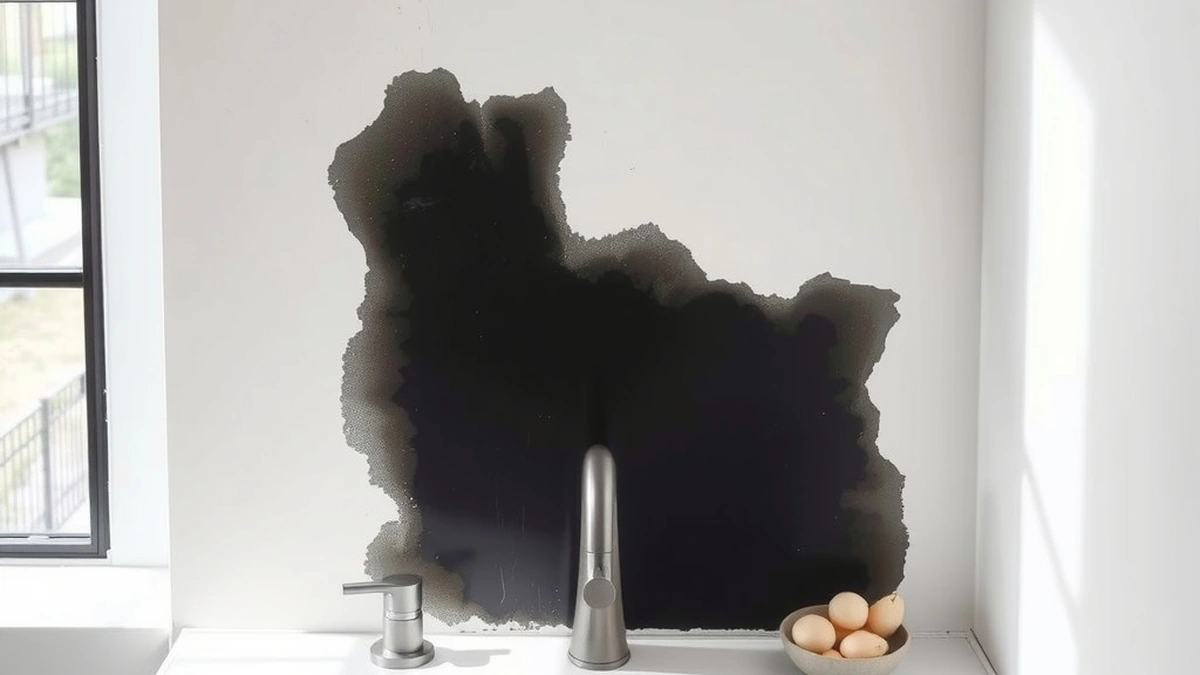
Manganese in water causes black stains on fixtures and laundry. The EPA health advisory is 0.3 mg/L; treatment starts with a lab test.
- EPA health advisory
- 0.3 mg/L
- Common symptom
- Black stains on fixtures and laundry
- First step
- Certified lab water test
- Softener installed cost
- $1,200–$4,500
- Iron filter installed cost
- $800–$2,500
Some links on this page are affiliate links.If you buy through them we may earn a commission at no extra cost to you. We do not accept payment for rankings. Read the full disclosure.
Manganese in water causes black stains on fixtures, laundry, and dishes, and it can leave a metallic taste. The U.S. Environmental Protection Agency (EPA) lists a health advisory of 0.3 mg/L for manganese in drinking water. If you see dark staining or notice an off taste, the first step is a certified lab test, not a purchase.
What Manganese Does in Home Water
Manganese is a naturally occurring mineral found in soil and rock. It dissolves into groundwater as water passes through manganese-bearing formations, which is why the issue is common in private wells. Dissolved manganese is often clear when first drawn from the tap. It turns black or dark brown when exposed to oxygen, chlorine, or heat, which is why stains often appear after washing clothes or running a dishwasher.
Visible signs include:
- Black or dark brown rings in toilets and sinks
- Stained laundry, especially whites
- Black specks or sediment in glasses
- Metallic or bitter taste in drinking water
- Staining in water heaters and plumbing fixtures
These are aesthetic and operational issues. The EPA health advisory of 0.3 mg/L is a non-enforceable guideline, not a legal limit for public water systems. Private well owners are responsible for their own testing and treatment decisions.
Test Before You Buy Equipment
Water treatment should start with data. A certified lab test reports manganese concentration in milligrams per liter (mg/L), which is equivalent to parts per million (ppm). Lab testing typically costs $40–$150. The result determines which equipment is appropriate and how it should be sized.
A complete test should also check iron, hardness, pH, and dissolved oxygen. Manganese often occurs alongside iron, and the two together can exceed what a standard softener handles. pH affects whether manganese stays dissolved or precipitates, and dissolved oxygen influences how quickly staining appears after water leaves the tap.
Do not rely on visual inspection alone. Clear water can still contain dissolved manganese above the advisory level, and stained fixtures do not tell you the exact concentration.
Health Limits and Context
The EPA health advisory for manganese is 0.3 mg/L. Health advisories provide information about contaminants that may cause health effects and are not enforceable federal drinking water standards. There is no national maximum contaminant level for manganese under the Safe Drinking Water Act.
Infants may be more sensitive to manganese than older children and adults. If your water is used for infant formula and testing shows manganese near or above 0.3 mg/L, many households use bottled water or a point-of-use treatment system for drinking and cooking water. This is a risk-management decision based on test results, not a medical recommendation.
No treatment system should be marketed as curing or preventing disease. Equipment removes or reduces manganese to improve water quality and reduce staining; it does not make water medically safe or unsafe by itself.
Treatment Options and Costs
Treatment selection depends on manganese concentration, whether it is dissolved or particulate, pH, and the presence of iron. Below are estimated installed costs for common residential options.
| Treatment Type | Installed Cost (USD) | Best For |
|---|---|---|
| Water softener | $1,200–$4,500 | Low levels of dissolved manganese, typically up to 2–3 ppm, when hardness is also present |
| Iron and manganese filter | $800–$2,500 | Higher manganese levels or combined iron-manganese issues |
| Whole-house filter | $500–$1,800 | Sediment and particulate manganese, often as pretreatment |
| Reverse osmosis (under-sink) | $300–$900 | Drinking and cooking water at one tap |
| Whole-house reverse osmosis | $3,000–$8,000 | Comprehensive treatment for high contamination across the home |
These figures are estimates. Actual prices depend on local labor, equipment brand, flow rate, and installation complexity.
A water softener exchanges hardness minerals for sodium or potassium. It can also remove small amounts of dissolved manganese, generally in the range of 2–3 ppm, but performance drops if iron is present or if manganese is oxidized before reaching the resin. Equipment alone costs $600–$2,500, with installation adding $500–$1,500, for a total installed range of $1,200–$4,500.
Salt use is an ongoing cost. A typical softener uses 8–12 pounds of salt per regeneration. At $120–$400 per year for salt, a household running two regenerations per week might use roughly 800–1,200 pounds of salt annually. Resin beds typically last 8–12 years, and rebedding costs $300–$600. Softener lifespan is estimated at 10–15 years.
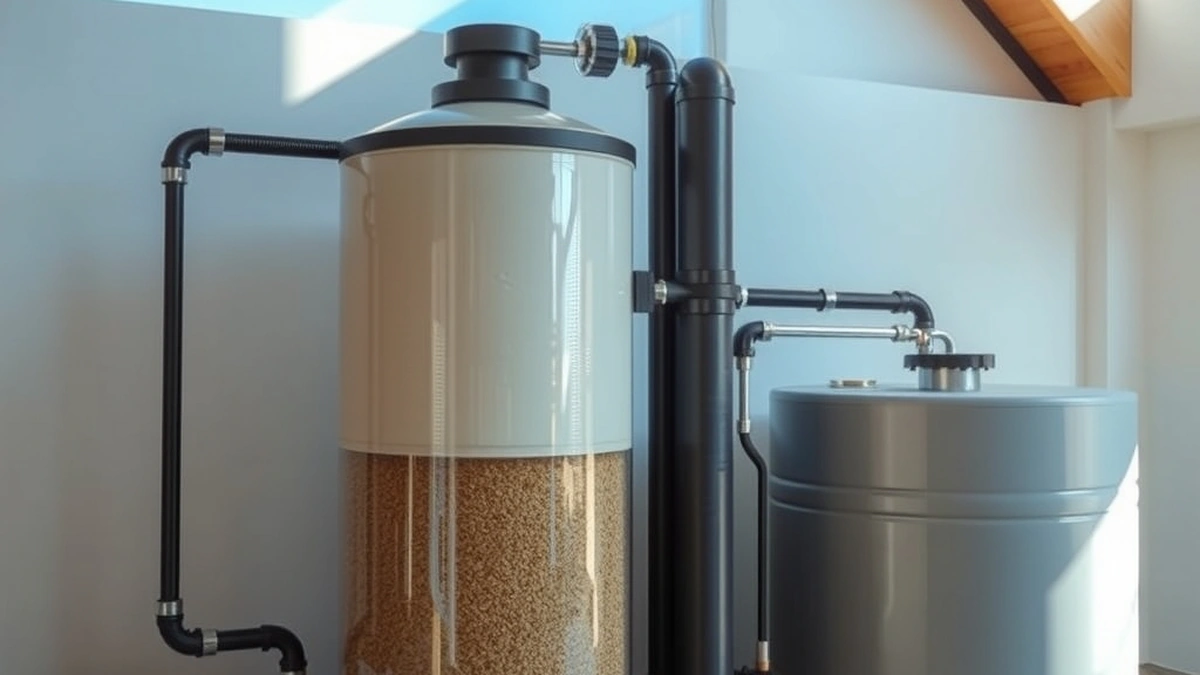
For higher manganese levels, a dedicated iron and manganese filter often uses oxidation and filtration. These systems cost $800–$2,500 installed and may require periodic media replacement or regeneration. Whole-house carbon filters cost $500–$1,800 installed, with cartridges at $80–$300 per year and replacement every 6–12 months. Carbon alone is not a primary manganese removal method for dissolved manganese, though it can help with taste and particulate matter.
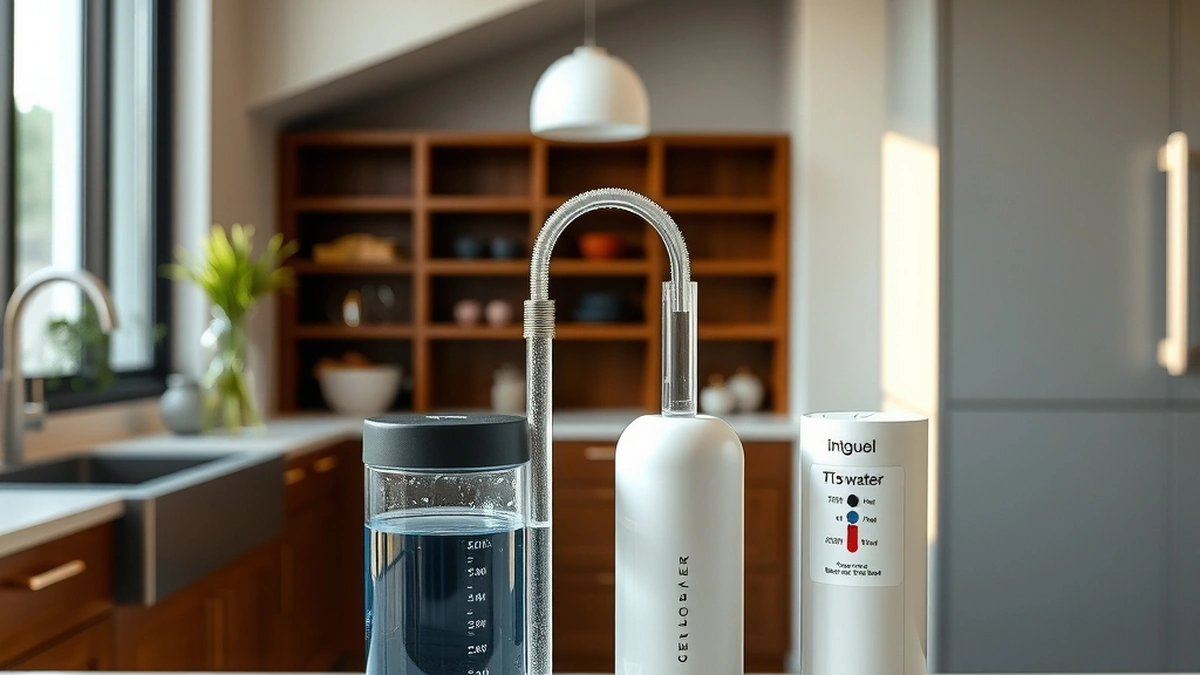
Reverse osmosis at the kitchen sink costs $300–$900 installed, with running costs of $60–$150 per year. RO membranes last 2–3 years and reject roughly 80–95 percent of dissolved contaminants, including manganese, depending on the unit and water chemistry. RO systems waste 3–4 gallons for every gallon produced, which matters if you are on a septic system or pay for water and sewer. Whole-house RO costs $3,000–$8,000 installed and is usually reserved for severe contamination because of cost, waste ratio, and pretreatment requirements.
Sizing and Load Examples
Equipment sizing depends on daily water use and contaminant load. A common estimate for indoor water use is 50–75 gallons per person per day. For a four-person household, that is roughly 200–300 gallons daily.
If your water contains 1 ppm manganese and your household uses 250 gallons per day, the daily manganese load is:
250 gallons × 1 mg/L ≈ 250 mg per day
Convert to grams: 250 mg ÷ 1,000 = 0.25 grams per day
Over a year: 0.25 × 365 ≈ 91 grams of manganese
This load helps determine how often a filter or softener must regenerate or replace media. A softener rated at 24,000–64,000 grains of capacity must be matched to hardness and manganese together. If manganese is above the softener’s effective limit, the resin can foul and capacity drops faster than rated.
Flow rate also matters. Whole-house filters commonly handle 8–15 gallons per minute. If your peak flow exceeds the unit’s rating, pressure drops and treatment suffers.
Maintenance and Ongoing Costs
Every treatment system has recurring expenses. Softeners need salt ($120–$400 per year) and eventual resin rebedding ($300–$600 every 8–12 years). Iron and manganese filters may need media replacement, backwash water, or chemical regenerant depending on design. Carbon cartridges cost $80–$300 per year and are replaced every 6–12 months. Sediment prefilters are typically changed every 3–6 months.
RO systems need membrane replacement every 2–3 years and annual filter changes. UV lamps, if part of a disinfection train, are replaced every 12 months at $30–$90 per lamp. UV does not remove manganese; it only treats microorganisms.
Keep a log of test results, installation dates, and service visits. This record helps you spot when treatment performance declines and supports warranty claims if equipment fails early.
When to Call a Professional
Installation involving plumbing, electrical connections, or well pump integration should be done by a licensed plumber or water treatment professional. Poor installation can cause leaks, pressure loss, or bypass of untreated water. A professional can also confirm whether manganese is dissolved or particulate, which changes the equipment choice.
If you are on a public water system, contact your utility for their water quality report. Manganese is not federally regulated, but many utilities monitor it voluntarily. If you are on a private well, you are responsible for testing and maintenance.
Test first, then size equipment to the numbers. A $40–$150 lab test can prevent spending $1,200–$4,500 on a system that does not match your water chemistry.
Next, compare how much does a water softener cost, water softener installation cost, whole house water filter cost before you commit.
Frequently asked questions
What does manganese do to water?
Manganese can cause black or dark brown stains on sinks, toilets, and laundry, and may give water a metallic taste or bitter flavor.
Is manganese regulated in drinking water?
The EPA sets a non-enforceable health advisory of 0.3 mg/L for manganese in drinking water; it is not a mandatory maximum contaminant level.
Can a water softener remove manganese?
A water softener can remove small amounts of dissolved manganese, generally up to about 2–3 ppm, depending on resin and water chemistry.
How do I test for manganese?
Collect a sample and send it to a certified lab; a standard water test typically costs $40–$150 and reports manganese concentration in mg/L.
What removes black stains from manganese?
Treatment options include water softeners, dedicated iron and manganese filters, oxidizing filters, or reverse osmosis at the point of use.
How much does manganese treatment cost?
Installed costs range from about $800–$2,500 for an iron filter to $1,200–$4,500 for a water softener, plus ongoing salt or media costs.
Sources
Some links are affiliate links.If you buy through them we may earn a commission at no extra cost to you. We do not accept payment for rankings. Read the full disclosure.