Hard Water Treatment: Every Method Compared
Ion exchange, conditioners, reverse osmosis, and descalers treat hardness differently. Compare what each removes, what it costs, and where it fits.
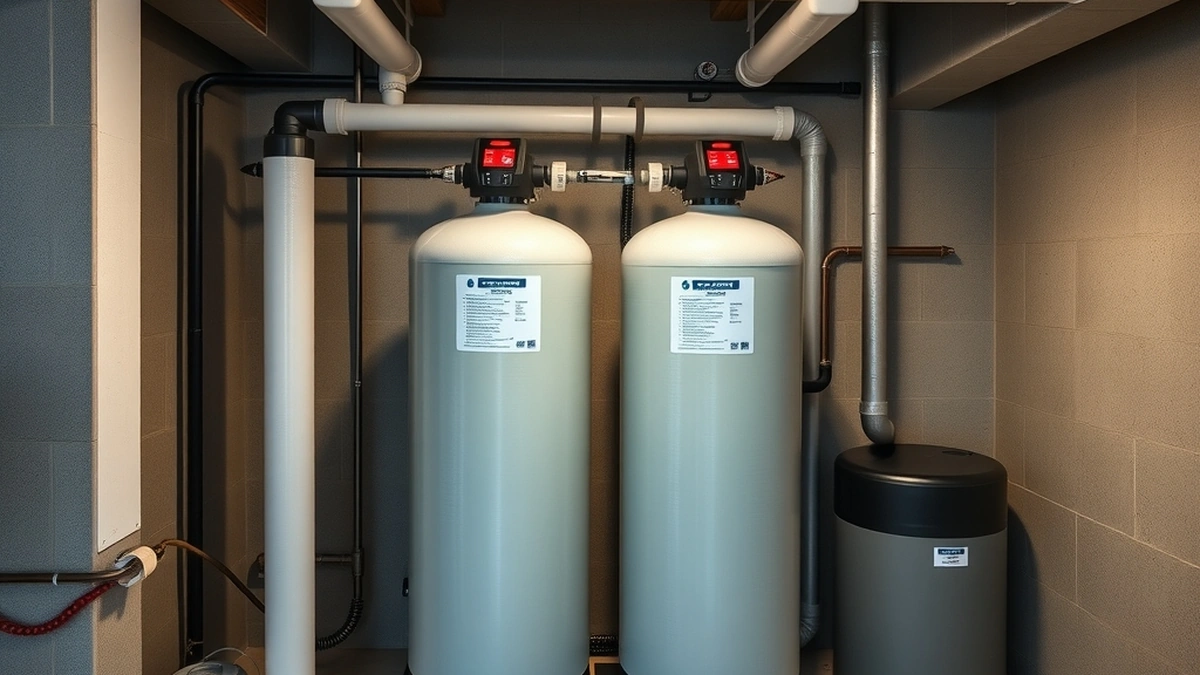
Hard water treatment falls into two groups: methods that remove calcium and magnesium, like ion exchange and reverse osmosis, and methods that only change how the minerals behave, like conditioners and descalers. Only removal lowers the grains per gallon reading.
- Softener installed
- $1,200 - $4,500
- Salt-free conditioner
- $500 - $1,800
- Under-sink RO
- $300 - $900
- Whole-house RO
- $3,000 - $8,000
- Lab test
- $40 - $150
Some links on this page are affiliate links.If you buy through them we may earn a commission at no extra cost to you. We do not accept payment for rankings. Read the full disclosure.
Hard water treatment splits into two categories: methods that remove calcium and magnesium, and methods that change how those minerals behave. Only the first lowers the grains per gallon reading. The second can reduce visible scale while leaving the water hard by definition.
Removal Methods
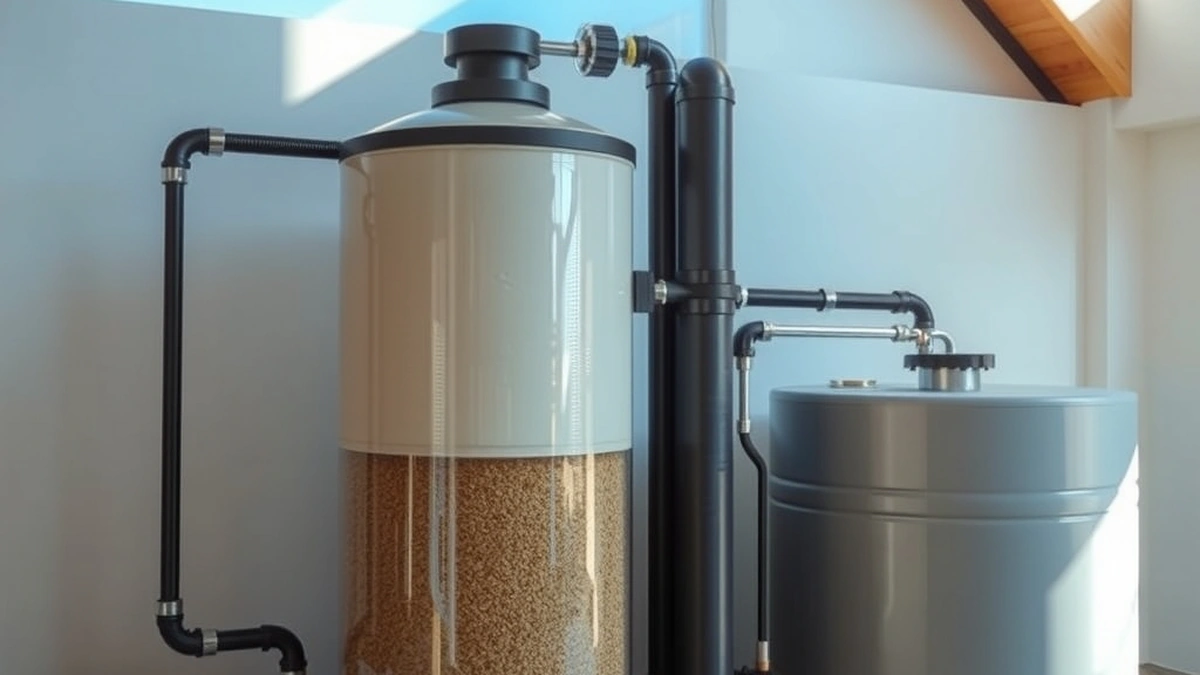
Ion exchange is the standard residential treatment. Water passes through a resin bed where calcium and magnesium swap for sodium or potassium. The resin regenerates with brine and repeats the cycle for 8 - 12 years before a rebed.
Equipment costs $600 - $2,500, installation adds $500 - $1,500, and the installed range is $1,200 - $4,500. Salt runs $120 - $400 a year. A softener removes hardness at every tap and lowers the reading to near zero.
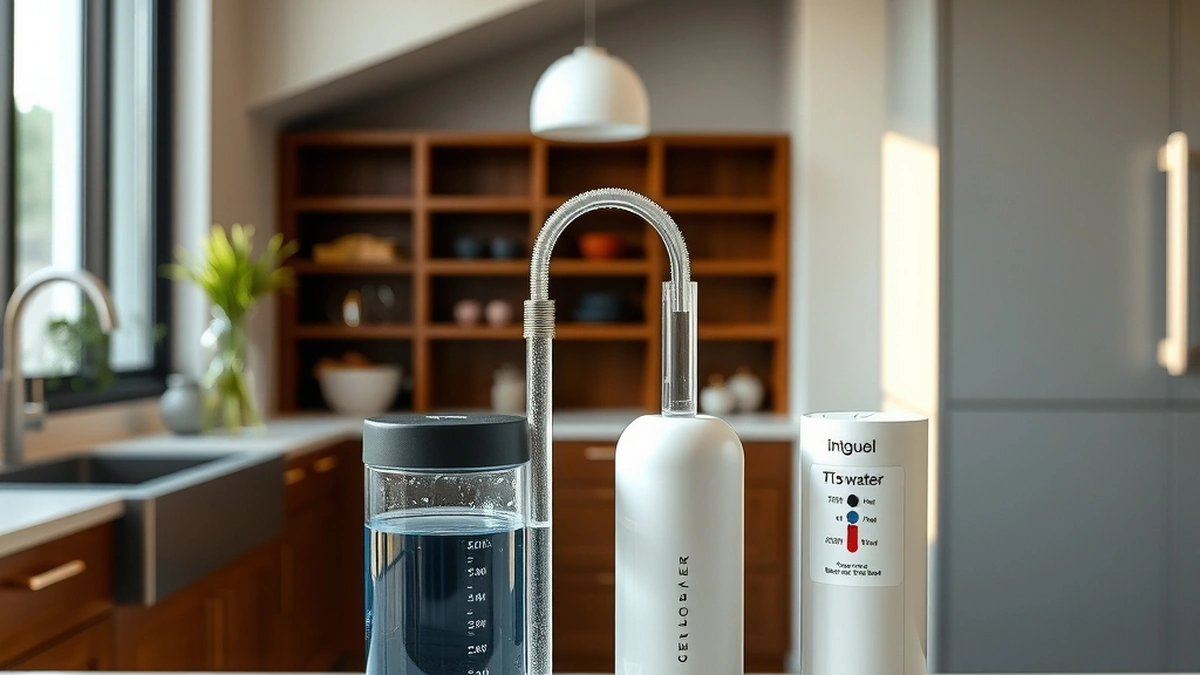
Reverse osmosis removes dissolved solids, including hardness, at the point where it is installed. An under-sink unit costs $300 - $900 installed and treats one tap. Whole-house RO costs $3,000 - $8,000 and treats everything, at the price of water waste and more maintenance.
Distillation removes minerals by boiling and condensing. It is slow, energy-intensive, and rarely used for whole-house treatment in the US. A countertop distiller treats drinking water only.
Conditioning Methods
Salt-free conditioners use template assisted crystallization or similar media to change how hardness minerals precipitate. The minerals remain in the water; the crystals are less likely to adhere to surfaces.
Installed cost is $500 - $1,800. There is no salt, no drain, and no electricity on most units. The grains per gallon reading does not change, and soap still lathers poorly.
Magnetic and electronic descalers clamp onto a pipe and claim to alter mineral behavior with a field. Independent testing has not shown consistent scale reduction, and the devices do not remove hardness. Treat the claims with skepticism.
Comparison Table
| Method | Removes hardness | Whole house | Installed cost | Running cost |
|---|---|---|---|---|
| Ion exchange softener | Yes | Yes | $1,200 - $4,500 | $120 - $400 per year |
| Salt-free conditioner | No | Yes | $500 - $1,800 | Media every 3 - 10 years |
| Under-sink RO | At one tap | No | $300 - $900 | $60 - $150 per year |
| Whole-house RO | Yes | Yes | $3,000 - $8,000 | $200 - $500 per year |
| Distiller | At one tap | No | $150 - $500 | Energy cost per gallon |
| Descaler cartridge | No | Appliance only | $50 - $200 | $30 - $100 per year |
The table makes the tradeoff plain. A softener is the only method that removes hardness everywhere for a moderate price. RO does the same job more completely at a much higher cost and with more service. Conditioners are cheaper and do less.
Matching Treatment to the Test
Hardness of 0 - 3 GPG is soft. No treatment is justified for hardness, and any scale is coming from another cause.
Hardness of 3 - 7 GPG is moderately hard. Cleaning habits may be enough, and the decision turns on how much the symptoms bother the household.
Hardness of 7 - 10 GPG is hard, and 10+ GPG is very hard. At those levels, scale appears within weeks, appliances work harder, and a softener is usually justified.
Add iron and manganese to the decision. Softener resin tolerates about 2 - 3 PPM of dissolved iron before fouling accelerates, so an iron filter at $800 - $2,500 installed goes ahead of the softener when the test is higher.
Sizing and Installation
- Test the raw water for hardness, iron, manganese, pH, and bacteria.
- Calculate the daily grain load: hardness times gallons per day.
- Choose a capacity above the weekly load with reserve.
- Confirm the service flow matches peak household demand, typically 8 - 15 GPM.
- Install a bypass, a drain with an air gap, and a grounded outlet.
- Commission with a manual regeneration and test the treated water.
- Retest quarterly and adjust the hardness setting if the supply changes.
Costs Over Ten Years
A softener: $2,000 installed plus $250 a year in salt for ten years equals $4,500, plus a $400 rebed near year ten for $4,900 total.
A conditioner: $1,000 installed plus one $300 media change equals $1,300. It costs less because it does not remove hardness, and the scale in the water heater continues.
An under-sink RO: $600 installed plus $100 a year equals $1,600 over ten years, and it treats one tap.
The cheap option is not always the low-cost option, and the expensive one is not always justified. The test decides.
What the Test Must Include
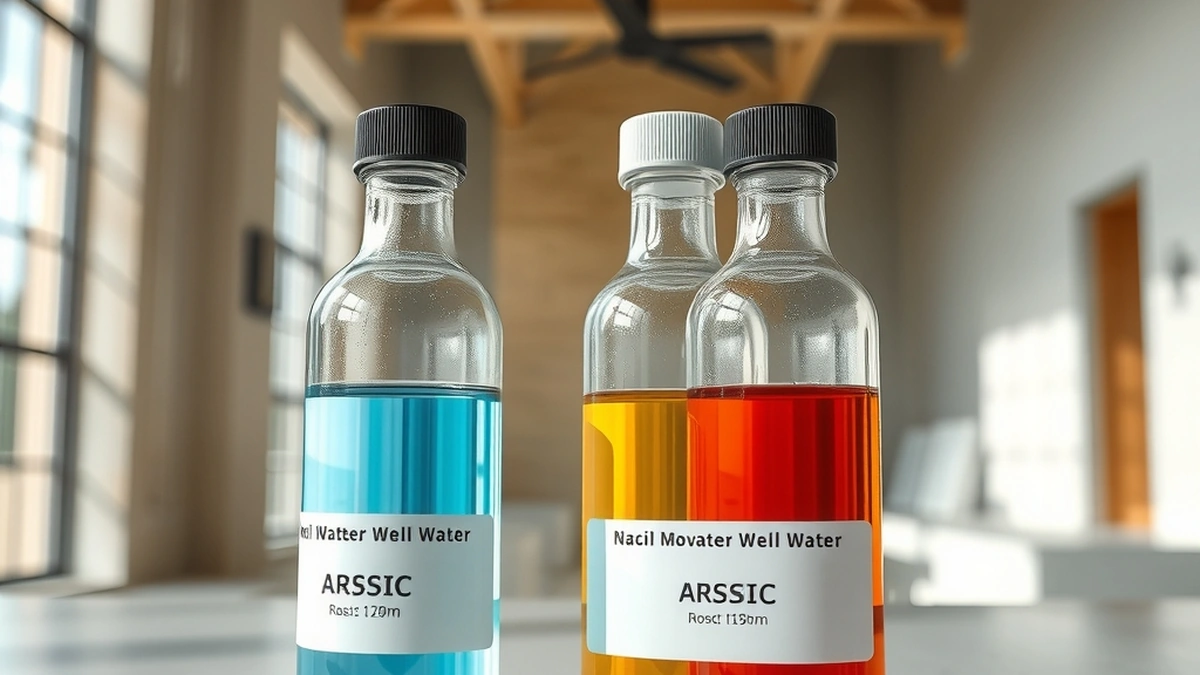
A hardness-only reading is not enough to choose a treatment. The lab panel should also report iron, manganese, pH, alkalinity, and bacteria, because each one changes the equipment plan.
Iron above 2 - 3 PPM fouls softener resin faster than salt can clean it. That does not make the softener wrong; it means an iron filter at $800 - $2,500 installed goes in front of it. Without that stage, the resin loses capacity within a year or two and the household blames the softener.
Manganese stains fixtures black and behaves like iron in the resin bed. pH below 6.5 is corrosive to copper and brass, and a neutralizer is needed before the water runs through new plumbing. Alkalinity affects how the softener and any acid injection system behave.
Bacteria change the priority order entirely. Softening does not disinfect, and a positive coliform result means shock chlorination and possibly UV before any aesthetic treatment.
The panel costs $40 - $150. Compared with a $1,200 - $4,500 equipment decision, it is the cheapest part of the project and the one that prevents the most expensive mistakes.
Treatment Trains, Not Single Boxes
Real installations are trains: a sediment prefilter, an iron or sulfur stage if needed, a softener, carbon for taste, and UV if bacteria are a concern. Each stage protects the next, and the order is not negotiable.
Sediment first, because grit scratches resin and clogs carbon. Iron and sulfur before the softener, because resin cannot tolerate them at high levels. Carbon after the iron stage, because carbon fouls quickly on raw iron water. UV last, because it only works in clear water.
A household with only hardness needs one stage. A household with hardness, iron, and sulfur needs three or four, and the budget should be built from the test rather than from a package price.
For the decision path by number, see how to treat hard water. For the equipment mechanism, see how does a water softener work. For pricing, see water softener cost and whole house reverse osmosis cost.
Frequently asked questions
What is the most effective hard water treatment?
Ion exchange softening is the most complete residential method. It removes calcium and magnesium from every tap and lowers the hardness reading to near zero.
Does reverse osmosis treat hard water?
RO removes hardness at the tap where it is installed, typically rejecting 80-95 percent of dissolved minerals. It is a point-of-use treatment, not a whole-house answer.
Do magnetic or electronic descalers work?
Evidence for magnetic and electronic devices is weak and inconsistent. They do not remove hardness, and independent testing has not shown reliable scale reduction.
Can I treat hard water without salt?
You can reduce scale with a salt-free conditioner, but the water remains hard. Only ion exchange removes hardness without salt, and that requires regeneration with potassium chloride or sodium chloride.
How much does whole-house RO cost?
Whole-house reverse osmosis runs $3,000-$8,000 installed. It removes hardness and most other dissolved solids, but the water is aggressive to plumbing and the system needs regular service.
Is boiling hard water a treatment?
No. Boiling precipitates some calcium carbonate as scale and leaves the rest in the water. It makes the deposit visible in a kettle and does not soften the supply.
Sources
Some links are affiliate links.If you buy through them we may earn a commission at no extra cost to you. We do not accept payment for rankings. Read the full disclosure.