Whole-House Reverse Osmosis Cost and Water Waste
Installed cost, operating expense, and wastewater ratios for whole-house RO systems compared with softeners and carbon filters.
A whole-house reverse osmosis system typically costs $3,000–$8,000 installed and sends 3–4 gallons to drain for every gallon of product water.
- Installed cost
- $3,000–$8,000
- Waste ratio
- 3–4:1
- Membrane life
- 2–3 years
- Rejection rate
- 80–95%
Some links on this page are affiliate links.If you buy through them we may earn a commission at no extra cost to you. We do not accept payment for rankings. Read the full disclosure.
A whole-house reverse osmosis system typically costs $3,000–$8,000 installed and sends 3–4 gallons to drain for every gallon of product water. Before equipment is selected, a laboratory water test costing $40–$150 should confirm hardness, iron, total dissolved solids, and other parameters that determine whether pretreatment is required. This guide breaks down installed cost, operating expense, water waste, and how whole-house RO compares with softeners and carbon filtration.
How Whole-House Reverse Osmosis Works
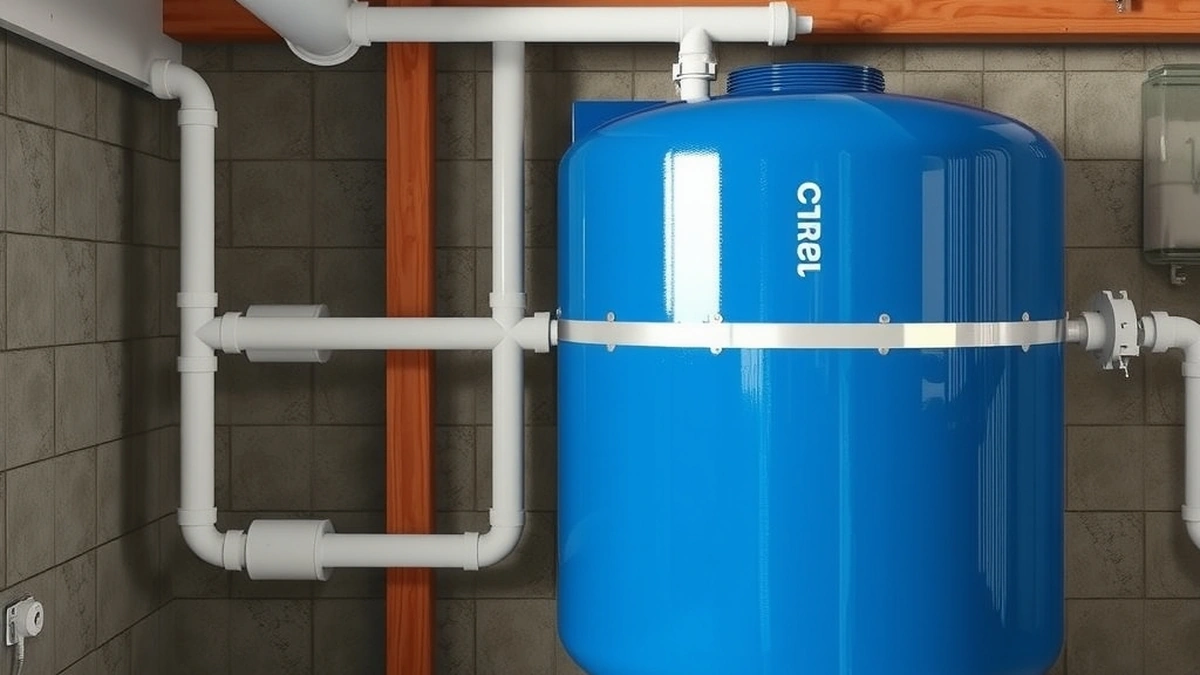
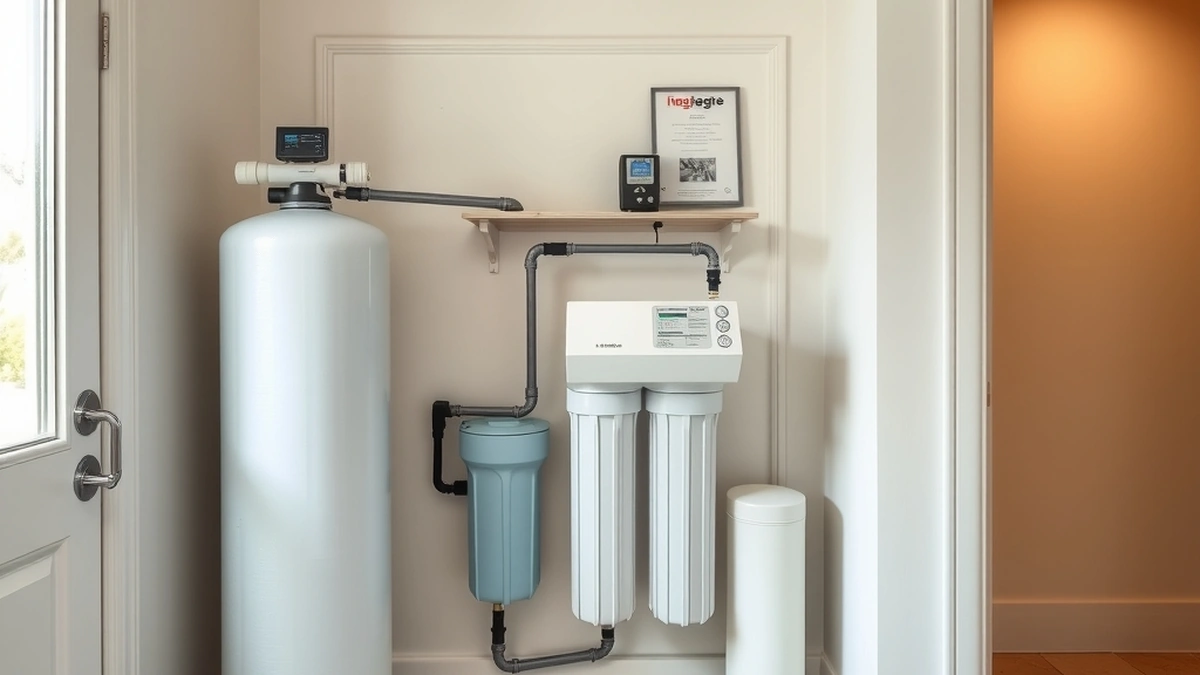
Reverse osmosis uses pressure to push water through a semi-permeable membrane. The membrane rejects 80–95% of dissolved solids, sending the concentrated reject stream to a drain line. A whole-house installation includes the RO module, a pressurized storage tank, a repressurization pump, and prefiltration to protect the membrane from sediment and chlorine.
Because RO produces water slowly, the system fills a storage tank rather than delivering flow on demand. When a tap opens, a pump draws from the tank to maintain household pressure. That architecture adds equipment and plumbing complexity compared with an under-sink RO unit, which typically installs for $300–$900.
Installed Cost Breakdown
Whole-house reverse osmosis installed cost ranges from $3,000–$8,000. The spread depends on system capacity in gallons per day, storage tank size, pump horsepower, and the amount of pretreatment required.
A representative installed cost structure looks like this:
- RO module and storage tank: included in the $3,000–$8,000 range
- Repressurization pump and plumbing: included in the installed range
- Pretreatment (softener, carbon, or sediment): additional
- Installation labor: variable by home layout and local rates
For comparison, a water softener typically installs for $1,200–$4,500, while a whole-house carbon filter installs for $500–$1,800. An under-sink RO system costs $300–$900 installed but treats only one faucet. Whole-house RO costs significantly more because it must treat every gallon entering the home, not just drinking water at the kitchen sink.
If your water test shows hardness above 7 grains per gallon, a softener is often recommended ahead of the RO membrane to prevent scale. Softener equipment runs $600–$2,500, with installation adding $500–$1,500 for a total installed cost of $1,200–$4,500. Iron treatment can add another $800–$2,500 installed, and sulfur treatment $1,000–$3,000 installed. These pretreatment costs are separate from the RO system itself.
Operating Cost and Maintenance
Annual operating cost for a standard under-sink RO system is estimated at $60–$150 per year. Whole-house systems process far more water, so cartridge and membrane expenses scale upward with household usage. Membranes typically last 2–3 years, while sediment cartridges may need replacement every 3–6 months and carbon cartridges every 6–12 months. Carbon cartridges cost $80–$300 per year depending on size and water quality.
A simple annual maintenance estimate for whole-house RO might include:
- Sediment prefilter cartridges: 2–4 per year
- Carbon prefilter cartridges: 1–2 per year
- RO membrane: one replacement every 2–3 years, amortized annually
- Pump and tank inspection: service visit or owner check
Exact yearly cost depends on gallons treated and local water quality. Label these figures as estimates; actual spending varies with usage and feed water chemistry.
Water Waste and Recovery
Standard reverse osmosis has a waste ratio of 3–4:1. That means for every gallon of treated water stored, 3–4 gallons are sent to the drain as concentrate. A household using 500 gallons of RO-treated water per month could send 1,500–2,000 gallons to drain monthly.
Waste ratio is affected by:
- Feed water total dissolved solids
- System recovery setting
- Tank pressure and backpressure
- Membrane condition and fouling
Some systems include a permeate pump or automatic shutoff to improve efficiency, but the 3–4:1 ratio remains typical for conventional residential RO. In areas with sewer charges based on water use, wastewater volume adds to the effective cost per gallon.
Whole-House RO vs. Water Softener
Reverse osmosis and water softeners treat different problems. A softener exchanges hardness ions such as calcium and magnesium, typically handling 24,000–64,000 grains of capacity per tank. It uses 8–12 pounds of salt per regeneration, with annual salt cost estimated at $120–$400. Resin life is 8–12 years, and full system life is 10–15 years.
RO removes a broader range of dissolved solids at 80–95% rejection but wastes water and costs more to install. If the only concern is hardness, a softener at $1,200–$4,500 installed is usually the more economical choice. If the concern is high total dissolved solids or specific contaminants that softeners do not address, whole-house RO may be justified despite the higher cost and water waste.
Some homes install both: a softener protects the RO membrane from scale, and the RO provides low-TDS water throughout the house. That combination raises installed cost but can extend membrane life.
When Whole-House RO Makes Sense
Whole-house RO is most appropriate when:
- A lab test confirms high total dissolved solids throughout the plumbing system
- The homeowner wants treated water at showers, laundry, and fixtures, not just one tap
- Pretreatment needs such as softening or iron removal are addressed first
- The household can accommodate drain volume for a 3–4:1 waste ratio
It is less appropriate when the goal is only drinking water at the kitchen sink. In that case, an under-sink RO system at $300–$900 installed costs far less and wastes less water simply because it treats a smaller volume.
If hardness is the main issue, review softener options at how much does a water softener cost and water softener installation cost. For broader filtration needs, see whole-house water filter cost. For RO-specific pricing at the point of use, see reverse osmosis system cost.
Bottom Line
Whole-house reverse osmosis costs $3,000–$8,000 installed and wastes 3–4 gallons for every gallon produced. Annual maintenance and membrane replacement add ongoing expense, and pretreatment such as softening may be required based on water test results. Start with a $40–$150 lab test, compare the numbers against softeners and carbon filters, and size the system to actual household demand rather than marketing claims.
Frequently asked questions
What does whole-house reverse osmosis cost installed?
Whole-house RO systems typically install for $3,000–$8,000, depending on flow rate, storage tank size, and pretreatment requirements.
How much water does whole-house RO waste?
Standard RO sends 3–4 gallons to drain for every gallon of treated water, a 3–4:1 waste ratio.
How often does the RO membrane need replacement?
RO membranes generally last 2–3 years before replacement, depending on feed water quality and usage.
Is water testing required before buying whole-house RO?
Yes. A lab water test costing $40–$150 helps determine whether pretreatment such as softening or iron removal is needed.
Can whole-house RO replace a water softener?
RO removes dissolved minerals, but hardness can scale membranes; many homes install a softener ahead of RO for protection.
What is the typical rejection rate for RO?
RO rejection rates range from 80–95%, meaning a portion of dissolved solids passes through to the product water.
Sources
Some links are affiliate links.If you buy through them we may earn a commission at no extra cost to you. We do not accept payment for rankings. Read the full disclosure.