Nitrate in Well Water: The Test That Matters
How to test for nitrate in well water, interpret results against the 10 mg/L limit, and compare treatment options by installed cost and cost per gallon.
Test well water at a certified lab before buying equipment. Nitrate above 10 mg/L requires treatment; point-of-use reverse osmosis is the most common fix.
- EPA nitrate limit
- 10 mg/L
- Lab test cost
- $40–$150
- Point-of-use RO installed
- $300–$900
- Whole-house RO installed
- $3,000–$8,000
- RO rejection rate
- 80–95%
Some links on this page are affiliate links.If you buy through them we may earn a commission at no extra cost to you. We do not accept payment for rankings. Read the full disclosure.
Nitrate in well water is measured in milligrams per liter, and the federal reference point is 10 mg/L. If your lab result comes back at or above that number, the water exceeds the EPA maximum contaminant level for nitrate. The first step is always a certified lab test; treatment decisions come second.
Why the Test Comes Before the Equipment
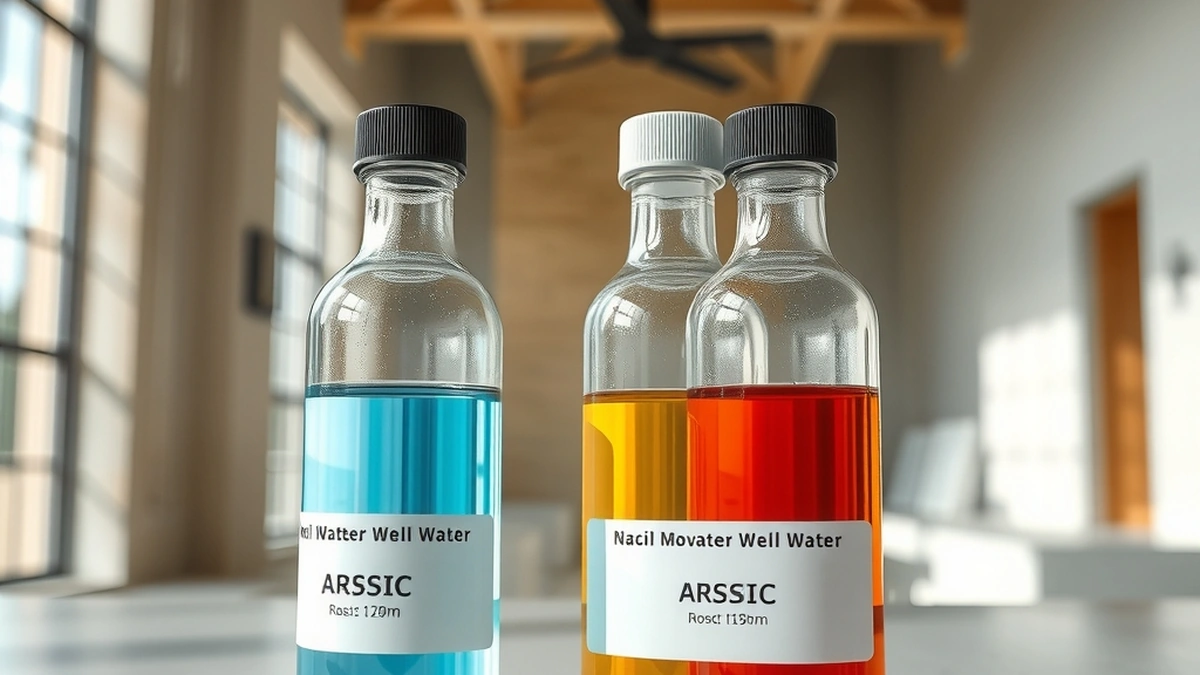
Well water is not regulated by the EPA the way municipal water is. The well owner is responsible for sampling, testing, and acting on results. A lab test typically costs $40–$150 and returns a number in mg/L that tells you whether treatment is needed and how aggressive it must be.
Testing matters because nitrate is colorless, odorless, and tasteless. You cannot detect it by sight or smell. A home test strip may give a rough indication, but a certified lab provides the defensible number you need before spending $300–$8,000 on equipment.
How to Read a Nitrate Lab Result
Lab reports usually express nitrate as nitrogen (nitrate-N). The EPA limit is 10 mg/L. Results below 10 mg/L are under the federal standard. Results at or above 10 mg/L exceed it.
If your result is close to the limit, retesting in six months can confirm whether the reading is stable or seasonal. Nitrate levels often rise after heavy rain or snowmelt, especially in shallow wells or wells near septic systems, fertilized fields, or animal feedlots.
Treatment Options and Installed Cost
When nitrate exceeds 10 mg/L, two equipment categories dominate: point-of-use reverse osmosis and whole-house reverse osmosis. Conventional water softeners, carbon filters, and sediment filters do not meaningfully remove nitrate.
Point-of-Use Reverse Osmosis
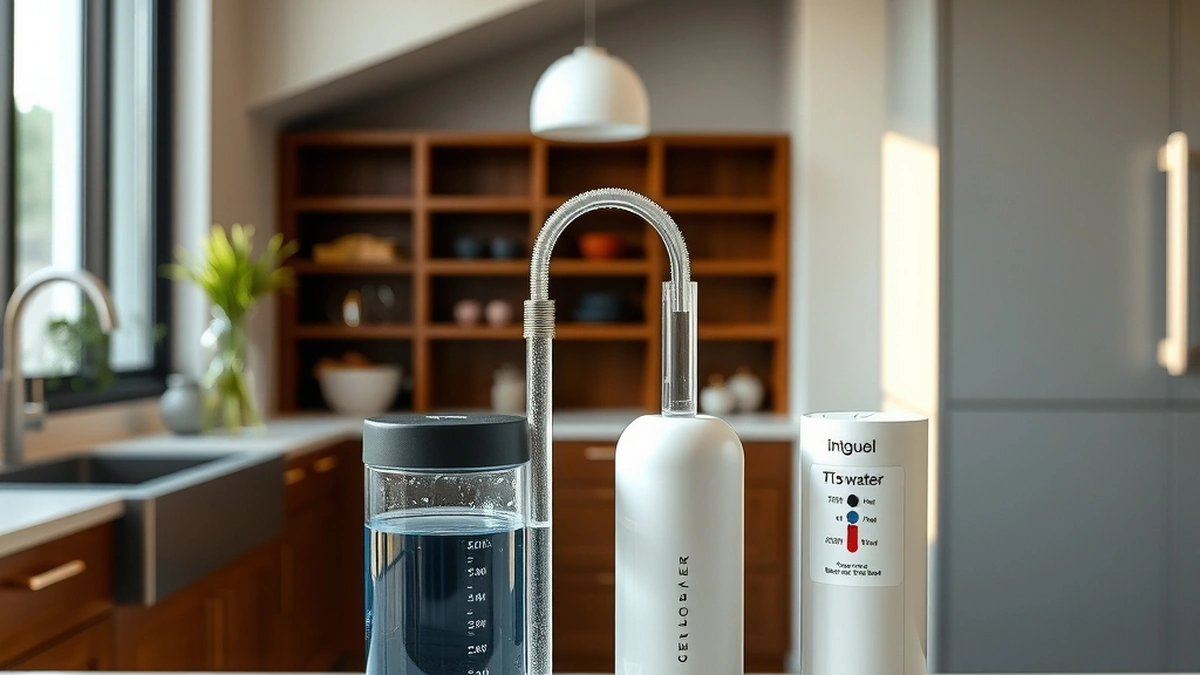
An under-sink RO system treats water at one tap, usually the kitchen sink. Equipment costs $200–$600, and installed cost runs $300–$900. Running costs are $60–$150 per year for cartridges and membrane replacement. The membrane lasts 2–3 years.
RO rejection rates for nitrate fall in the 80–95% range. If your water tests at 20 mg/L, an 80–95% rejection rate leaves roughly 1–4 mg/L passing through, depending on the unit and conditions. These are performance estimates, not guarantees.
RO systems produce wastewater at a ratio of 3–4:1. For every gallon of treated water, 3–4 gallons go to the drain. A household using 2 gallons of RO water per day sends 6–8 gallons to waste daily.
Whole-House Reverse Osmosis
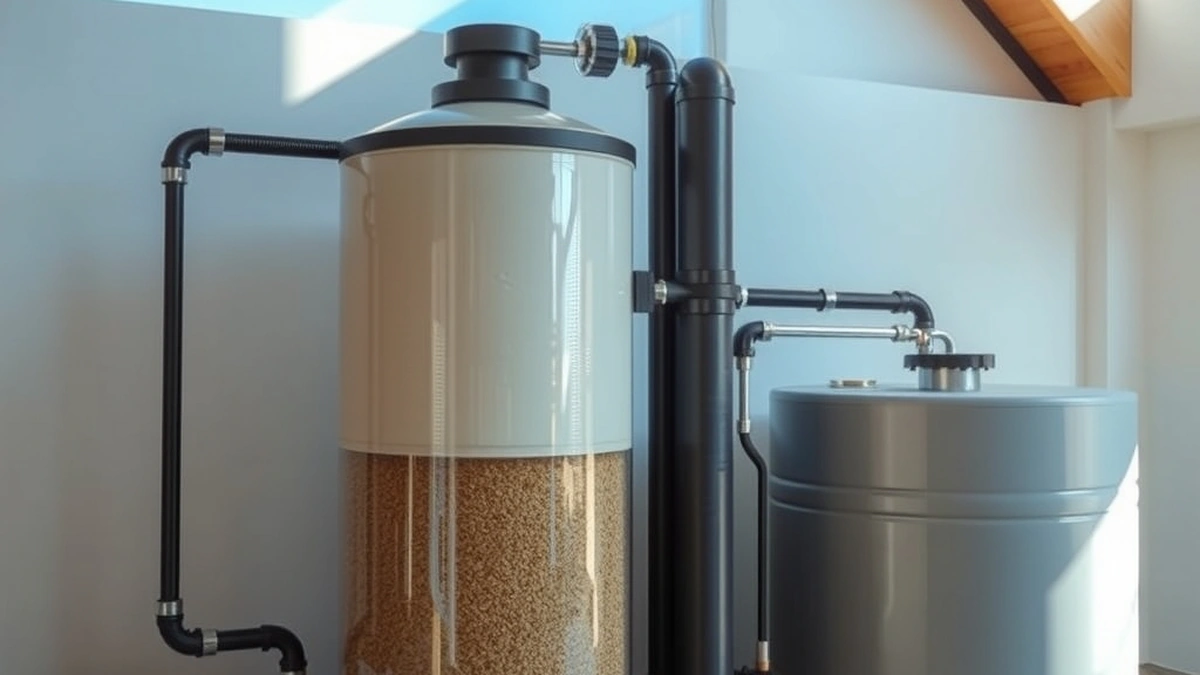
Whole-house RO treats all water entering the home. Installed cost is $3,000–$8,000. This is appropriate when nitrate affects bathing, laundry, or other whole-house uses, or when the homeowner wants all plumbing protected. Because whole-house RO produces demineralized water, it often requires a blending valve or post-treatment to control corrosion and taste.
What Does Not Remove Nitrate
Standard ion exchange water softeners trade hardness minerals for sodium or potassium. They do not remove nitrate. Equipment costs $600–$2,500, installed cost $1,200–$4,500, and salt runs $120–$400 per year. Buying a softener for nitrate is a mismatch of technology and contaminant.
Carbon filters cost $500–$1,800 installed with cartridges at $80–$300 per year. They address chlorine, taste, odor, and some organic chemicals, not nitrate. Sediment cartridges need replacement every 3–6 months and remove particles only.
Cost Arithmetic for a Typical Household
Assume a household drinks and cooks with 2 gallons of treated water per day, or 730 gallons per year.
Under-sink RO:
- Installed: $300–$900
- Annual consumables: $60–$150
- Five-year cost: $600–$1,650 (installed plus five years of consumables)
- Cost per gallon over five years: approximately $0.16–$0.45 per gallon of treated water
Whole-house RO:
- Installed: $3,000–$8,000
- Annual consumables: estimate $150–$400, depending on membrane and pre-filter schedule
- Five-year cost: $3,750–$10,000
- If the whole house uses 150 gallons per day, treated volume is 54,750 gallons per year, but only drinking and cooking water needs nitrate reduction
These figures are estimates. Actual cost per gallon depends on local water chemistry, membrane life, and local labor rates.
Sampling Tips for Accurate Results
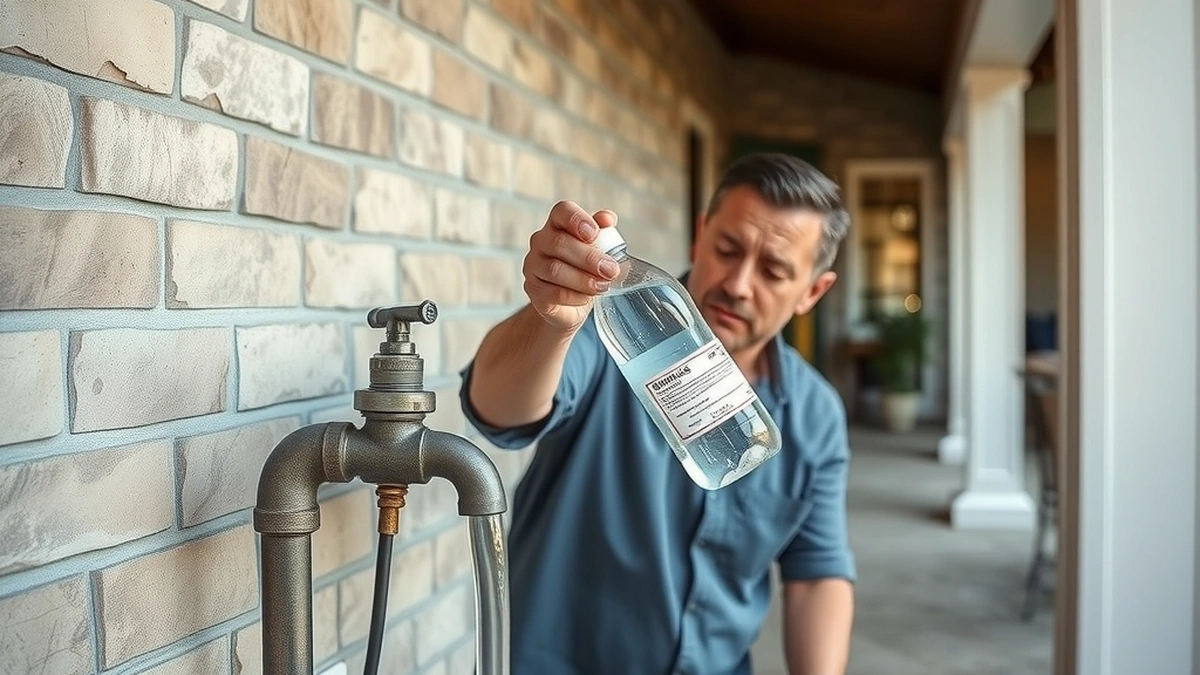
Use the bottle provided by the lab. Rinse it only if the instructions say to do so. Collect the sample from an outdoor spigot or a cold tap after running the water for 3–5 minutes to flush the pressure tank and plumbing. Fill the bottle to the line, cap it tightly, and keep it cool. Deliver it within the lab’s hold time, usually 24–48 hours.
Test annually for nitrate. Test more often if the well is shallow, if the surrounding land uses fertilizer or septic systems, or if a previous test showed elevated levels. Keep results in a file so you can spot trends over time.
When to Retest and What Triggers Treatment
A single result above 10 mg/L does not necessarily mean permanent contamination, but it does justify retesting before major equipment purchases. If two tests confirm levels above the limit, treatment is the next step.
For households with infants or pregnant people, many health agencies advise against using water above 10 mg/L for formula or drinking. Treatment or an alternate water source becomes a practical decision, not just a regulatory one.
Bottom Line
Start with a lab test costing $40–$150. Compare the result to the 10 mg/L limit. If treatment is needed, under-sink RO at $300–$900 installed is the lowest-cost path for drinking and cooking water. Whole-house RO at $3,000–$8,000 installed is the option when every tap needs treated water. Softeners, carbon filters, and sediment filters will not solve a nitrate problem.
Next, compare how much does a water softener cost, water softener installation cost, whole house water filter cost before you commit.
Frequently asked questions
What is the safe nitrate level in well water?
The EPA maximum contaminant level for nitrate is 10 mg/L, measured as nitrogen. Results above this level indicate the water exceeds the federal drinking water standard.
Can a water softener remove nitrate?
Standard water softeners remove hardness minerals, not nitrate. Specialized ion exchange resin can target nitrate, but it is not the same equipment as a conventional softener.
How often should I test well water for nitrate?
Test annually, and retest after flooding, land disturbances, or if a pregnant person or infant will consume the water. Shallow wells are more vulnerable to contamination.
Does boiling remove nitrate?
No. Boiling water concentrates nitrate as water evaporates, which can raise the measured level rather than reduce it.
What treatment lowers nitrate at the tap?
Reverse osmosis systems reduce nitrate with rejection rates of 80–95%. Under-sink units treat drinking and cooking water only, not the whole house.
Is whole-house nitrate treatment necessary?
Not always. If the only concern is ingestion, point-of-use RO at the kitchen tap costs less than whole-house systems. Whole-house RO is justified when nitrate affects all uses.
Sources
Some links are affiliate links.If you buy through them we may earn a commission at no extra cost to you. We do not accept payment for rankings. Read the full disclosure.