Hard Water in an Apartment: Options Without Plumbing
Portable and no-plumbing ways to manage hard water in rentals, plus costs and limits for each approach.
Use a portable exchange tank, faucet or shower filter, or countertop device; test your water first to match the option to your hardness level.
- Best first step
- Lab water test for hardness (grains per gallon)
- No-plumbing options
- Portable softener, faucet filter, shower filter, countertop pitcher or dispenser
- Traditional softener cost
- $1,200–$4,500 installed; usually not practical for rentals
- Rental-friendly cost range
- About $25–$400 upfront, plus ongoing cartridges or exchange fees
Some links on this page are affiliate links.If you buy through them we may earn a commission at no extra cost to you. We do not accept payment for rankings. Read the full disclosure.
Hard water in an apartment is manageable without modifying the plumbing. Options include portable exchange tanks, faucet-mounted filters, shower filters, and countertop pitchers. Start with a lab water test so you know the grains per gallon (GPG) before buying anything.
Why Test First
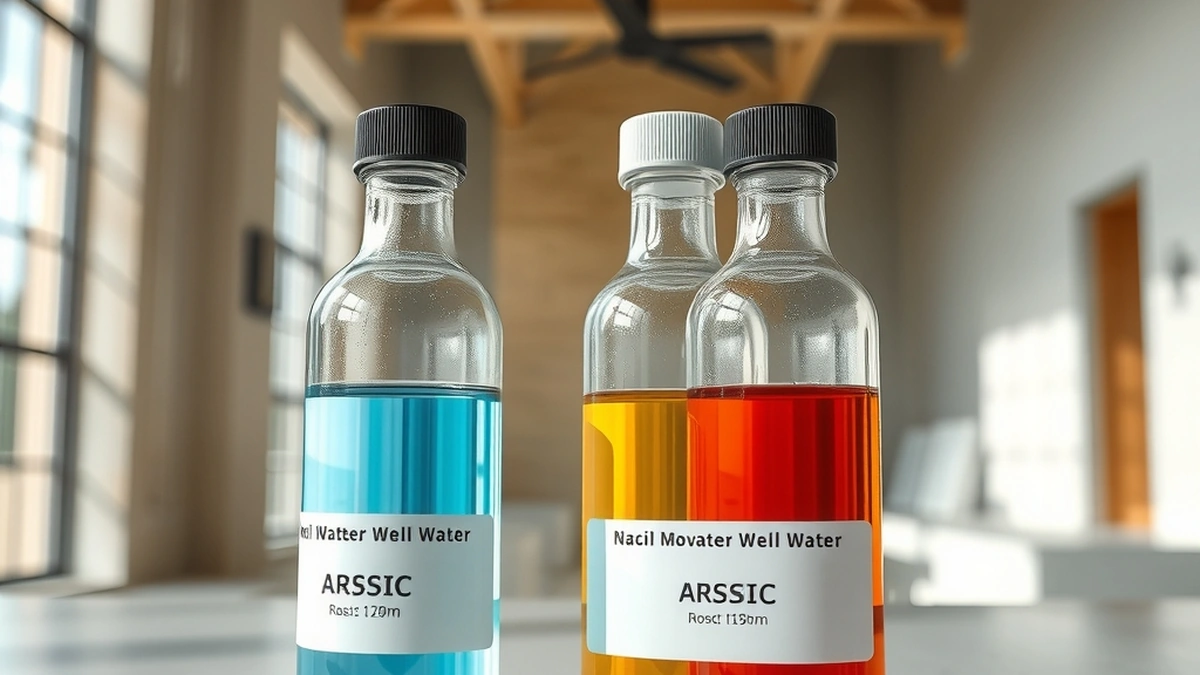
Hardness is measured in grains per gallon. Water under 3 GPG is soft, 3–7 GPG is moderately hard, 7–10 GPG is hard, and 10+ GPG is very hard. A lab test typically costs $40–$150 and tells you whether you are dealing with calcium and magnesium alone or with iron, which changes what equipment can handle. Without a number, you risk buying a product that is too small for your load or mismatched to your water chemistry.
Portable Exchange Softeners
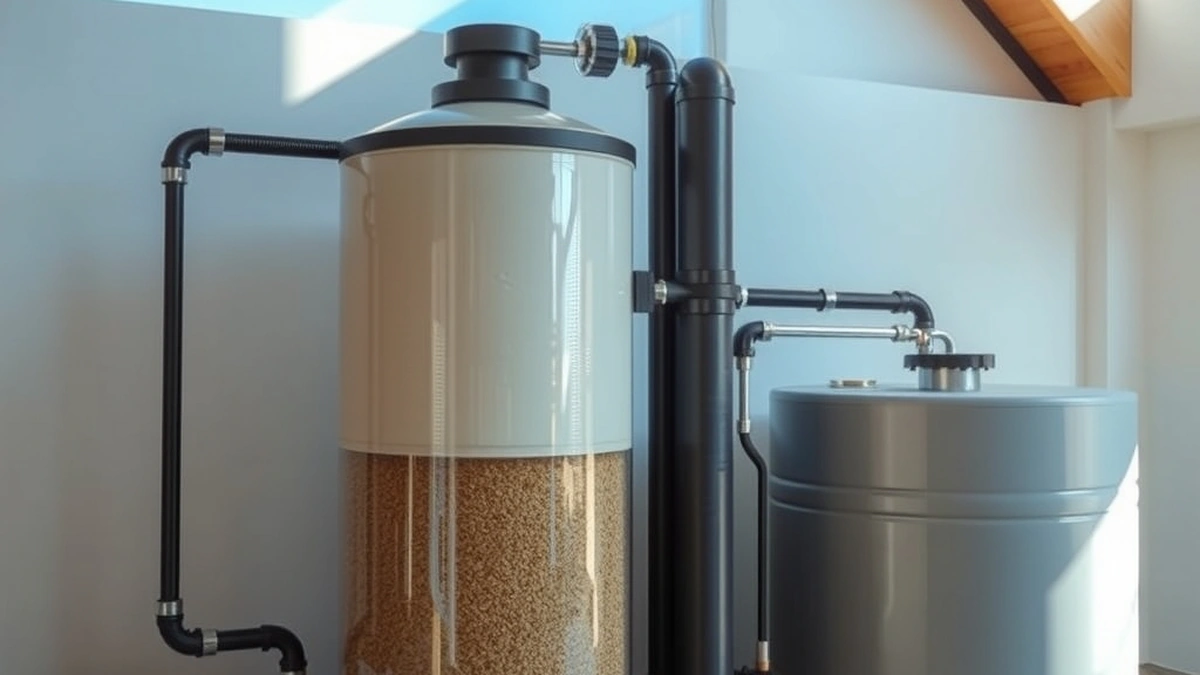
A portable softener is a self-contained tank that connects to a faucet with an adapter and does not require permanent plumbing. When the resin is exhausted, you swap the tank or have a service exchange it. This is one of the few options that actually removes hardness minerals rather than just filtering them.
For context, a conventional ion-exchange softener costs $600–$2,500 for equipment, $500–$1,500 for installation, or $1,200–$4,500 installed overall. Salt runs $120–$400 per year, resin rebeds cost $300–$600, and capacity ranges from 24,000–64,000 grains with a 10–15 year equipment life. Those numbers explain why a built-in softener rarely makes sense in a rental: you cannot take the plumbing with you, and the installed cost is high relative to a lease term.
Portable units trade capacity for convenience. They are best for light-to-moderate hardness and small households. Expect ongoing exchange or regeneration fees rather than salt purchases, and verify the connection fits your faucet before ordering.
Faucet-Mount and Countertop Filters
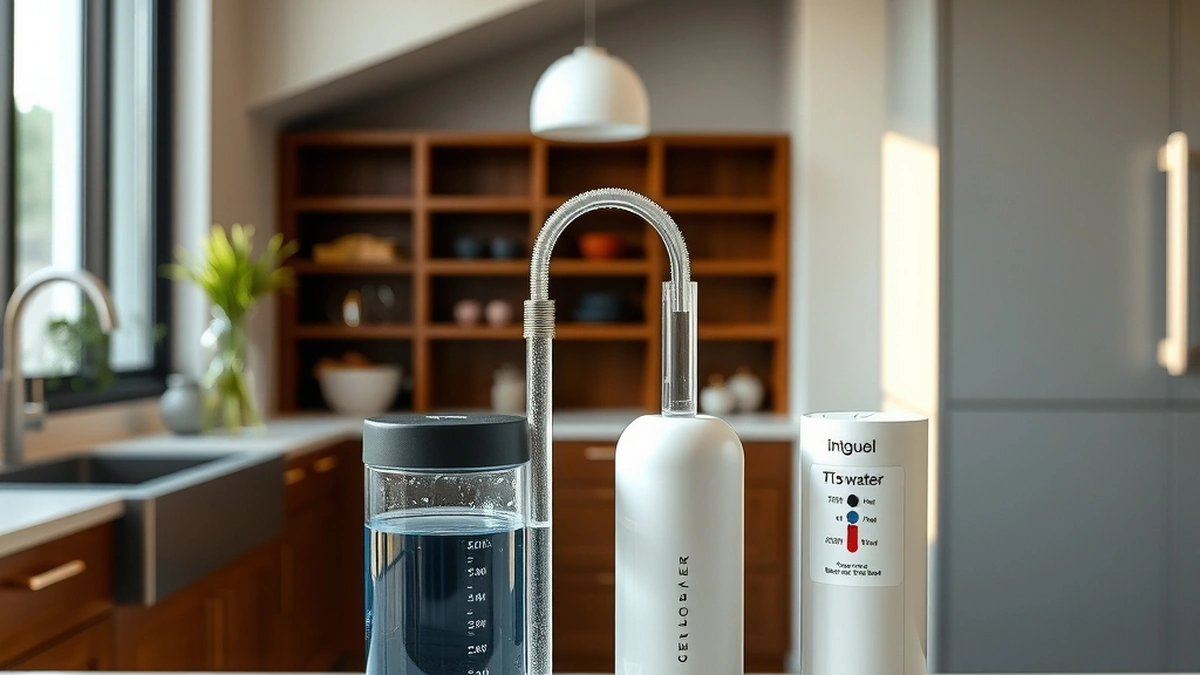
Faucet-mounted filters and countertop pitchers do not soften water in the ion-exchange sense, but some carbon blocks reduce chlorine taste and odor while sediment cartridges trap visible particles. Carbon filter systems cost $500–$1,800 installed for whole-house styles, but apartment-friendly faucet and countertop models are far cheaper, usually well under $100 upfront.
Carbon cartridges last 6–12 months and cost $80–$300 per year for whole-house systems; apartment cartridges are smaller and cost less per replacement. Sediment cartridges need replacement every 3–6 months. These devices do not remove dissolved calcium and magnesium, so they will not stop scale on glassware or buildup in a coffee maker. Treat them as taste and sediment tools, not hardness solutions.
Shower Filters
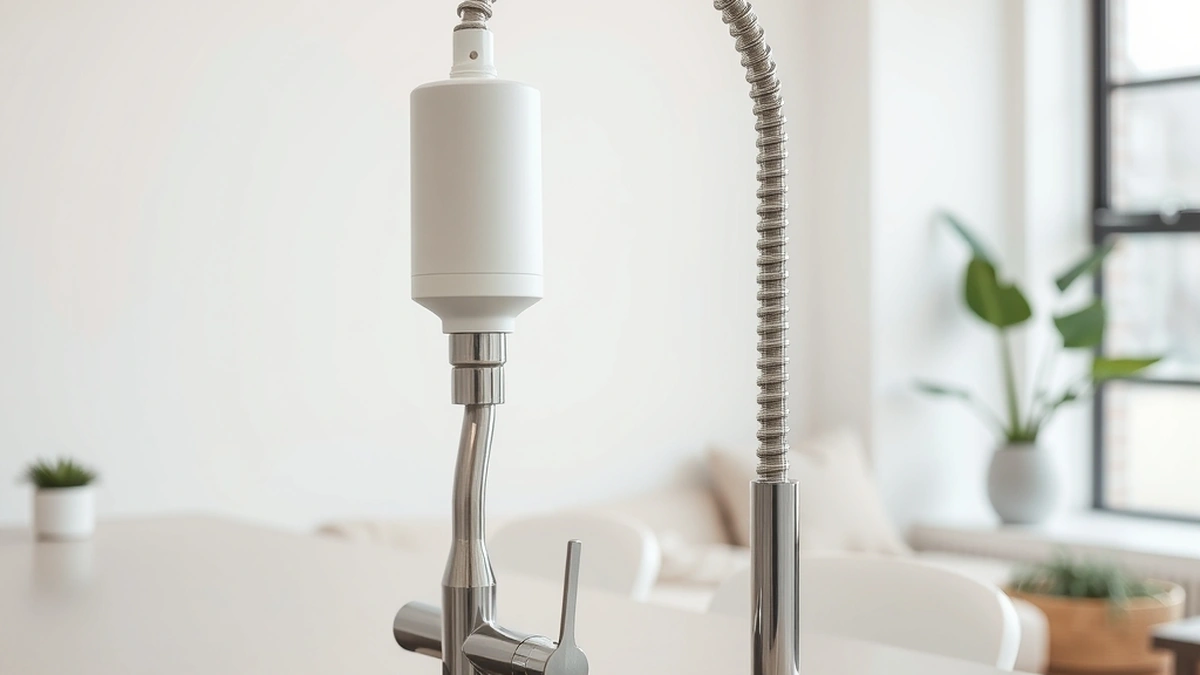
Shower filters attach between the shower arm and showerhead with no tools beyond a wrench, and they require no permanent plumbing changes. They primarily reduce chlorine and can help with dry skin and hair feel, but most do not meaningfully lower hardness. If your main complaint is scale on the shower door or soap that will not lather, a shower filter is unlikely to solve it.
For apartment use, confirm the filter thread matches your shower arm and that the flow rate does not drop below a usable level. Cartridge replacement schedules vary by product and water usage.
Reverse Osmosis for Drinking Water
An under-sink reverse osmosis (RO) unit can be installed without permanent changes in some rentals if you have under-sink cabinet space and landlord permission to connect to the cold-water line and drain. Equipment costs $200–$600, installed cost is $300–$900, and running costs are $60–$150 per year. Membranes last 2–3 years, rejection rates are 80–95 percent, and waste ratios run 3–4:1.
RO reduces dissolved minerals, including hardness, at a single tap. It is a drinking-water solution, not a whole-apartment softener, and it produces wastewater. If you cannot modify the drain or faucet, a countertop RO pitcher or dispenser may be the only RO-adjacent option, though capacity is limited.
What Not to Expect From Salt-Free Devices
Salt-free conditioners cost $500–$1,800 installed and do not use salt or resin. They alter how minerals behave but do not remove hardness from the water. Whole-house RO costs $3,000–$8,000 installed and is impractical for rentals. UV systems address microorganisms, not hardness, and lamps need replacement every 12 months at $30–$90.
None of these are plug-and-play apartment solutions because they require plumbing connections, drain access, or both. For a renter, the practical choice set stays small: portable exchange, faucet or countertop filtration, shower filtration, or single-tap RO.
Cost Comparison for Apartment Use
| Option | Upfront Estimate | Ongoing Estimate | Hardness Removal |
|---|---|---|---|
| Portable exchange softener | Varies by service | Exchange or regeneration fees | Yes |
| Faucet-mount filter | Under $100 typical | Cartridges every 6–12 months | No |
| Shower filter | Under $100 typical | Cartridges every 6–12 months | No |
| Countertop pitcher | $25–$50 typical | Cartridges every 1–2 months | No |
| Under-sink RO | $300–$900 installed | $60–$150 per year | Yes, at one tap |
These are estimates. Actual prices depend on local water quality, household size, and product selection.
Match the Fix to Your Test Result
If your lab test shows 0–3 GPG, you likely do not need treatment. At 3–7 GPG, a portable exchange unit may be worthwhile if spotting and soap scum bother you. At 7–10 GPG or higher, hardness effects become more visible, but a rental still limits you to non-permanent options unless your landlord approves a conventional softener. Iron above 2–3 PPM can foul softener resin, so know your iron level before choosing ion-exchange.
Buy only after testing. A water test costs $40–$150 and prevents spending hundreds on the wrong device. If you own the building or plan to stay long-term, review softener costs and installation details at /how-much-does-a-water-softener-cost/ and /water-softener-installation-cost/. For whole-house filtration context, see /whole-house-water-filter-cost/.
Next, compare how much does a water softener cost, water softener installation cost, whole house water filter cost before you commit.
Frequently asked questions
What is the most important measurement?
Start with the ceiling or clearance number; it decides which systems can fit.
What does a typical project cost?
Costs vary by system and site access; the guide shows the line items and a planning range.
Can I install this myself?
Some tasks are DIY-friendly, but structural, electrical, and load-bearing work should be done by a licensed professional.
How long does installation take?
A simple setup is a weekend; a full build with electrical or structural work can take several weeks.
What should I check before buying?
Confirm dimensions, load ratings, and the manufacturer's installation requirements for your exact model.
Where can I find local help?
Ask a licensed contractor or installer who has worked with the same system and can inspect your site.
Sources
Some links are affiliate links.If you buy through them we may earn a commission at no extra cost to you. We do not accept payment for rankings. Read the full disclosure.