Low Water Pressure Treatment: Fix the Cause First
Low pressure comes from clogs, regulators, or the pump, not from the water itself. See the likely causes, the fixes, and what each costs.
Low water pressure is usually a plumbing or equipment problem, not a water quality one. Clogged aerators, a failing pressure regulator, scaled pipes, a tired pump, or a loaded filter are the common causes, and fixes run from $5 to $1,500.
- Aerator cleaning
- $0 - $20
- Pressure regulator
- $150 - $400 installed
- Pump replacement
- $900 - $3,000
- Filter cartridge
- $5 - $40
- Diagnostic visit
- $100 - $250
Some links on this page are affiliate links.If you buy through them we may earn a commission at no extra cost to you. We do not accept payment for rankings. Read the full disclosure.
Low water pressure is almost always a plumbing or equipment problem rather than a water quality problem. The usual causes are clogged aerators, a failing pressure regulator, scaled pipes, a tired pump, or a loaded filter. Fixes range from a $5 cartridge to a $3,000 pump.
Start at One Fixture
Check the aerator first. Unscrew it from the faucet and look at the screen. Mineral scale and debris block the openings, and the flow drops at that tap only.
Clean the screen in vinegar, rinse, and reinstall. If the pressure returns, the problem was the aerator and nothing else needs attention.
Do the same for shower heads. A head with clogged nozzles sprays unevenly and feels weak, which reads as low pressure even when the supply is fine.
Then Check the Whole House
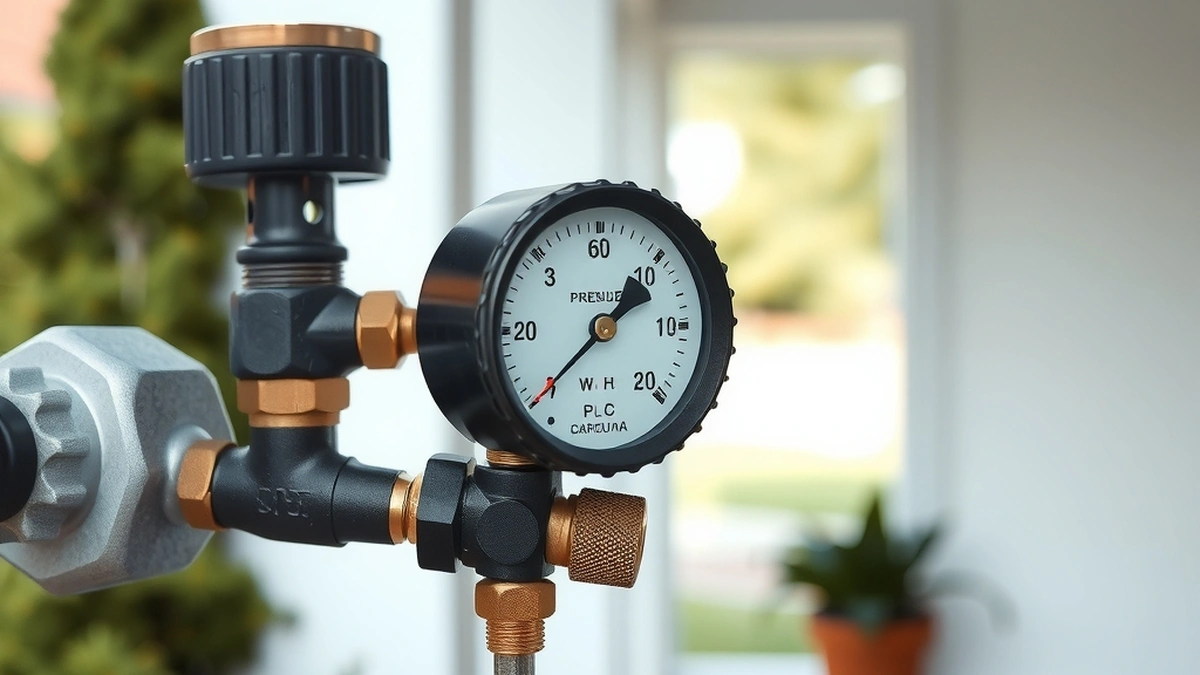
If every fixture is weak, the problem is upstream. Attach a pressure gauge to a hose bib and read static pressure with no water running.
Normal residential pressure is 40 - 80 PSI. Below 40 is low; above 80 stresses fixtures and needs a regulator.
Then open a tap and watch the gauge. A drop of more than 10 PSI under flow suggests a restriction or a supply problem rather than a fixture issue.
The Pressure Regulator
A pressure-reducing valve lowers incoming pressure to a safe level. When it fails, it can stick partly closed and starve the house.
Replacement runs $150 - $400 installed. The valve is usually near the meter or the main shutoff, and it is a straightforward swap for a plumber.
If the gauge reads low at the hose bib and the regulator is more than 15 years old, it is a prime suspect.
Pipes, Filters, and Softeners
Scale narrows galvanized and old steel pipes over decades. The fix is repiping, which is expensive, and softening prevents further buildup.
A loaded filter cartridge causes a pressure drop across the whole house. Check the gauge before and after the filter; a 10 PSI drop means it is due for a change.
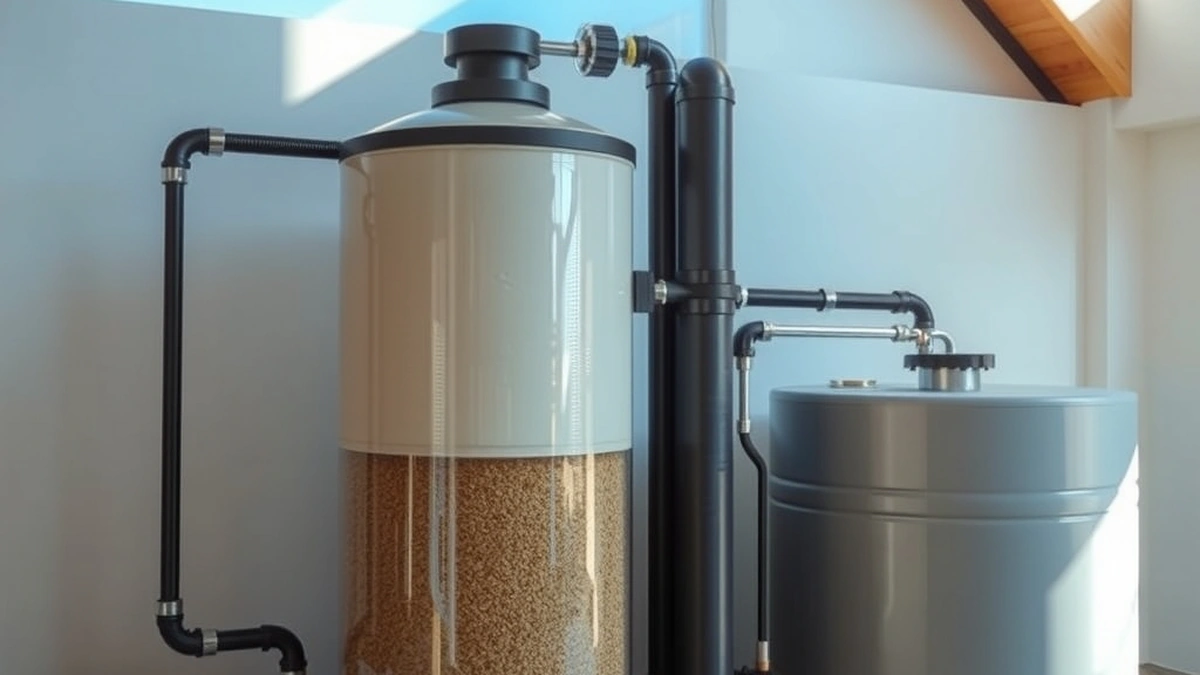
A softener adds a few PSI of drop when clean. A clogged resin bed or a bypass left partly open causes more, and a prefilter ahead of the softener is worth checking.
Pumps and Wells
On a private well, low pressure points to the pump, the pressure tank, or the switch. A waterlogged tank causes rapid cycling and weak flow; the switch settings determine the pressure range.
A pump that is worn or set too shallow loses output. Replacement runs $900 - $3,000 installed, depending on depth and horsepower.
Before replacing a pump, check the tank charge and the switch settings. Those are inexpensive fixes that mimic a failing pump.
Comparison of Causes
| Cause | Scope | Cost to fix |
|---|---|---|
| Clogged aerator | One fixture | $0 - $20 |
| Clogged shower head | One fixture | $0 - $25 |
| Loaded filter | Whole house | $5 - $40 |
| Failing regulator | Whole house | $150 - $400 |
| Waterlogged tank | Whole house | $300 - $800 |
| Worn pump | Whole house | $900 - $3,000 |
| Scaled pipes | Whole house | $2,000 - $8,000 |
The table is roughly ordered by cost, which is also the order to investigate. Start with the cheap, local causes and work outward.
What Treatment Does Not Fix
Water treatment equipment is not a pressure solution. A softener, filter, or UV unit all add resistance, and none of them increases flow.
If the pressure was low before treatment and lower after, the equipment is the restriction. Check the cartridges, the bypass, and the sizing.
If the pressure was fine before treatment and low after, the installation is the problem, not the water.
Steps to Take
- Test one faucet and one shower for flow.
- Clean the aerator and shower head.
- Measure static and dynamic pressure at a hose bib.
- Check the filter and softener for pressure drop.
- Inspect the regulator if pressure is low or erratic.
- On a well, check the tank charge and switch settings.
- Call a plumber if the cause is not obvious.
Low pressure and water hammer often appear together in older homes. A banging pipe when a valve closes points to a failed expansion tank or a loose pipe strap, and the same restriction that weakens flow can amplify the noise.
An expansion tank on a closed system absorbs the pressure surge. When the bladder fails, the tank fills with water and stops cushioning, and the plumbing takes the shock. Replacing it costs $150 - $400 installed.
A water hammer arrestor near the offending fixture is a smaller fix at $30 - $100. It is worth trying before opening walls.
Galvanized steel pipes scale from the inside, and the buildup narrows the bore over decades. A house that has lost pressure gradually across every fixture is a candidate.
Repiping with PEX or copper runs $2,000 - $8,000 depending on the size of the house and the access. It is a last resort, and it is the only fix for a pipe that has scaled shut.
Before repiping, confirm the restriction is in the pipes rather than the regulator, the meter, or the fixtures. A $200 regulator is a much cheaper first step.
One more check belongs on the list: the main shutoff valve. A gate valve that has not been turned in twenty years can be stuck half-closed, and the house has been living with restricted flow ever since. Open it fully and re-measure.
For the testing procedure, see low water pressure test. For the causes in more detail, see low water pressure causes. For the well side, see water well pressure switch.
Frequently asked questions
What causes low water pressure in a house?
Clogged aerators and shower heads, a failing pressure regulator, scaled pipes, a worn pump, a loaded filter cartridge, or a partially closed valve.
Does hard water cause low pressure?
It can. Scale narrows pipes and clogs aerators over time, which reduces flow. Softening prevents new scale but does not remove what has already formed.
How much does a pressure regulator cost?
A replacement regulator runs $150-$400 installed, depending on the pipe size and access. It is a common fix when pressure is too high or erratic rather than low.
Can a water softener reduce pressure?
A softener adds a small pressure drop, typically a few PSI. A clogged prefilter or an undersized unit causes a larger drop and is worth checking.
Why is pressure low at one faucet only?
That points to the fixture: a clogged aerator, a failing cartridge, or a partially closed supply valve under the sink.
When should I call a plumber?
When pressure is low at every fixture, when the gauge reads below 40 PSI, or when a pump or regulator is suspected and you are not comfortable testing it.
Sources
Some links are affiliate links.If you buy through them we may earn a commission at no extra cost to you. We do not accept payment for rankings. Read the full disclosure.