Iron in Water Treatment: Choosing the Right Filter
Iron treatment depends on the type and level: softener for low iron, oxidizing filters for higher, and chlorination for iron bacteria. Compare costs.
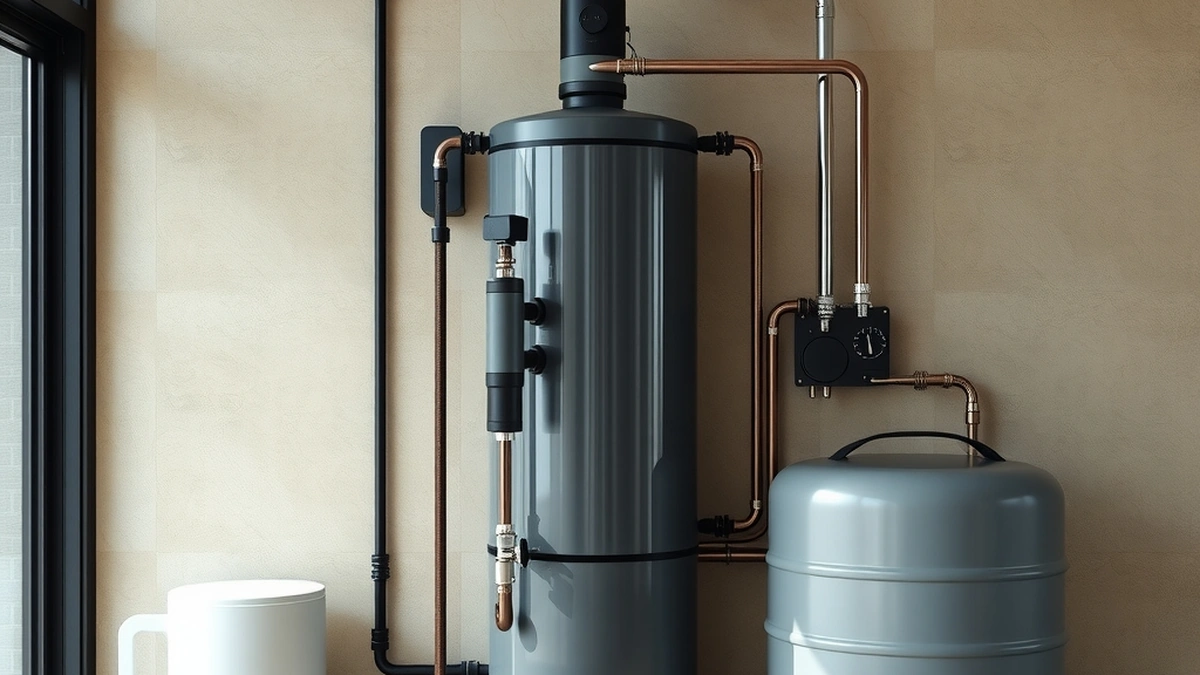
Iron in water is treated by a softener at 1 - 2 PPM, an oxidizing filter at 2 - 10 PPM, and oxidation plus filtration above that. Iron bacteria need disinfection first. Installed costs run $800 - $3,000 depending on the method.
- Softener installed
- $1,200 - $4,500
- Iron filter installed
- $800 - $2,500
- Sulfur filter installed
- $1,000 - $3,000
- Softener iron limit
- 2 - 3 PPM
- Lab test
- $40 - $150
Some links on this page are affiliate links.If you buy through them we may earn a commission at no extra cost to you. We do not accept payment for rankings. Read the full disclosure.
Iron in water is treated by matching the method to the level and type. A softener handles 1 - 2 PPM of dissolved iron, an oxidizing filter handles 2 - 10 PPM, and iron bacteria need disinfection before any filter. Installed costs run $800 - $3,000 depending on the approach.
Know the Type Before Choosing
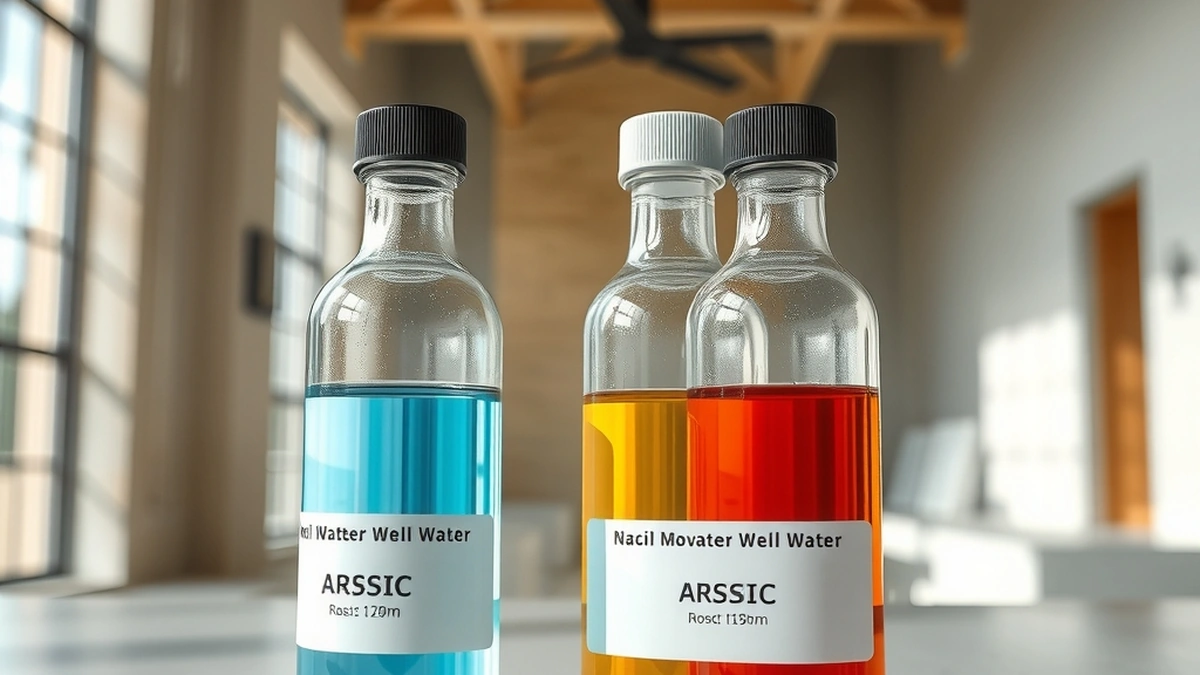
Ferrous iron is dissolved and the water runs clear. It oxidizes when exposed to air, which is why a glass of well water turns cloudy or rusty after sitting.
Ferric iron is already oxidized and visible as rust particles. It can be filtered mechanically, but it also stains and clogs.
Iron bacteria are organisms that feed on iron and leave a slimy, rust-colored growth in tanks and toilets. They need disinfection, not just filtration.
A lab test reports total iron, and a field test can show ferrous versus ferric. That distinction decides the treatment.
Method One: Softener
A softener removes dissolved iron through the same ion exchange that removes hardness. It is the simplest option when iron is low and hardness is also present.
The limit is about 2 - 3 PPM. Above that, the resin fouls faster than salt can clean it, and capacity drops within a year or two.
An additive salt with a resin cleaner helps at 1 - 2 PPM. It does not raise the ceiling, and it does not replace a filter at higher levels.
Method Two: Oxidizing Filter
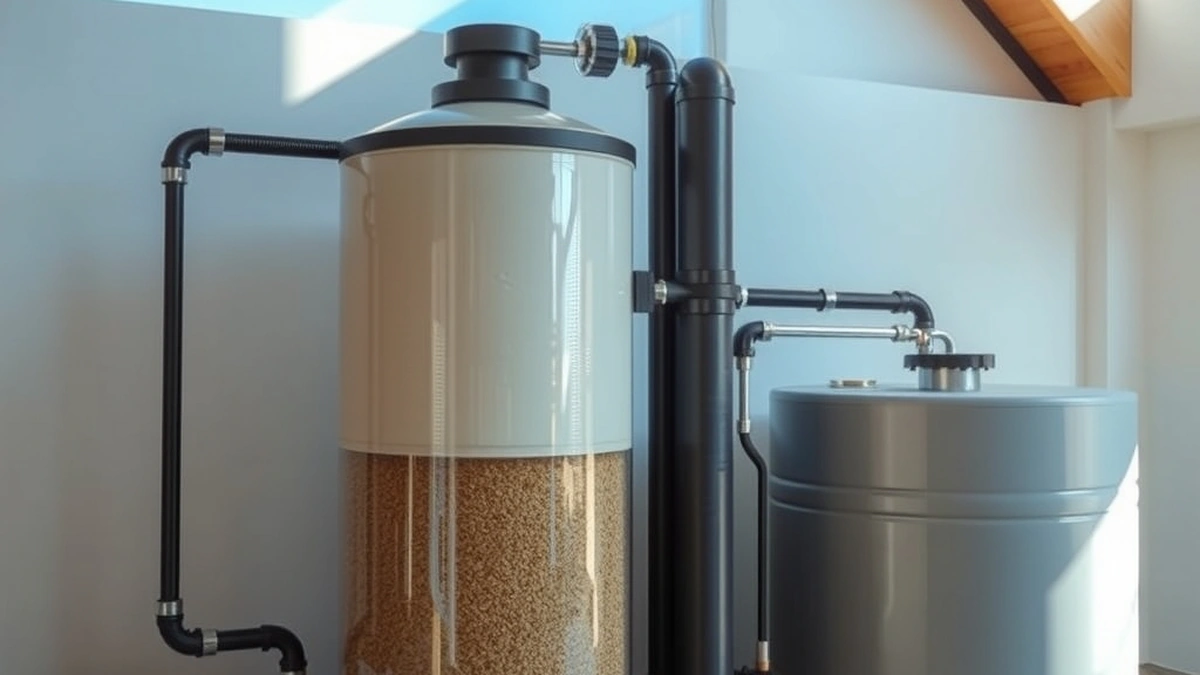
An air-injection filter oxidizes ferrous iron into ferric particles and then filters them out in the same tank. A backwash cycle flushes the captured material to the drain.
Greensand filters use a manganese greensand media that oxidizes and filters in one step, with potassium permanganate regeneration on some designs.
These filters handle 2 - 10 PPM and are the standard choice for well water with visible iron staining.
Method Three: Chemical Oxidation
Chlorine or hydrogen peroxide injection oxidizes iron before a contact tank and filter. It is effective at high levels and also handles iron bacteria and sulfur odor.
The tradeoff is complexity: a chemical tank, a pump, and a filter, plus the cost of the chemical and the maintenance of the injection system.
This is the approach for difficult water, and it usually costs $2,000 - $4,000 installed.
Comparison Table
| Method | Iron range | Installed cost | Best for |
|---|---|---|---|
| Softener | 0.3 - 2 PPM | $1,200 - $4,500 | Low iron plus hardness |
| Air injection filter | 2 - 10 PPM | $800 - $2,500 | Clear water iron |
| Greensand filter | 1 - 10 PPM | $1,200 - $3,000 | Iron and manganese |
| Chlorine injection | 5 - 20 PPM | $2,000 - $4,000 | High iron, bacteria, sulfur |
| Sequestration | Any, temporary | $200 - $600 | Emergency, not treatment |
Sequestration uses a polyphosphate to keep iron in solution. It stops staining temporarily, and it does not remove the iron. It is a stopgap, not a solution.
Sizing and Installation
- Test the water for total iron, ferrous iron, manganese, hardness, and pH.
- Confirm whether iron bacteria are present.
- Choose the method from the level and type.
- Size the filter to the flow, typically 8 - 15 GPM.
- Provide a drain for backwash and a grounded outlet.
- Install ahead of the softener, not after it.
- Retest after commissioning and again in 30 days.
The order matters. Iron treatment goes before the softener so the resin is protected, and after any sediment prefilter so the media is not blinded by grit.
Costs and Maintenance
An air-injection filter runs $800 - $2,500 installed, with media lasting 5 - 10 years and a backwash that uses water and power.
A greensand filter runs $1,200 - $3,000, and the media may need replacement every 3 - 5 years at $300 - $800.
A softener at $1,200 - $4,500 handles low iron and hardness together, with salt at $120 - $400 a year.
Add a lab test at $40 - $150 and a possible shock chlorination at $200 - $500 for iron bacteria.
What Not to Do
Do not install a softener on 8 PPM iron and expect it to keep up. The resin will foul, and the warranty may exclude iron damage.
Do not use sequestration as a permanent treatment. It hides the iron and lets it accumulate in the water heater.
Do not skip the bacteria test. Iron bacteria will colonize a new filter and undo the installation within months.
Manganese often appears with iron, and it stains black rather than orange. It also fouls resin and filter media at much lower concentrations, sometimes below 0.1 PPM.
A greensand or oxidizing filter handles both when the media is selected for it. A softener does not, and manganese can coat the bed faster than iron.
Test for both before choosing equipment. A filter sized for iron alone may pass manganese and leave black staining on fixtures within months.
The treatment cost rises modestly, usually within the $1,200 - $3,000 range for a combined oxidizing filter, and the result is water that does not stain either color.
A final note on sequencing: if the water also carries sulfur, treat the sulfur before or alongside the iron. Hydrogen sulfide consumes oxidants and can overwhelm an iron filter, and a system that handles both in one train is usually cheaper than two separate units.
For the level-specific guide, see iron in well water. For filter types, see iron filter types. For costs, see iron filter cost. For testing, see iron in water test.
Frequently asked questions
What is the best treatment for iron in water?
It depends on the level and type. A softener handles 1-2 PPM of dissolved iron, an air-injection or greensand filter handles higher levels, and iron bacteria need shock chlorination first.
Can a water softener remove iron?
It removes a limited amount, roughly 2-3 PPM, before the resin fouls. Above that, an iron filter is needed ahead of the softener.
How much does an iron filter cost?
Installed costs run $800-$2,500 for an air-injection or greensand filter, depending on size, backwash requirements, and site conditions.
What is the difference between ferrous and ferric iron?
Ferrous iron is dissolved and clear. Ferric iron is oxidized and visible as rust particles. Ferric iron can be filtered mechanically; ferrous needs oxidation first.
How do I treat iron bacteria?
Shock chlorinate the well and plumbing, then filter the oxidized iron. Recurring iron bacteria may need continuous chlorination and a UV unit.
Does iron in water cause stains?
Yes. Iron leaves orange and brown stains on fixtures, laundry, and dishes. It is an aesthetic and plumbing issue rather than a treatment emergency.
Sources
Some links are affiliate links.If you buy through them we may earn a commission at no extra cost to you. We do not accept payment for rankings. Read the full disclosure.