
Iron Filter Types: Air Injection, Greensand, BIRM
Compare air injection, greensand, and BIRM iron filters for well water, including installed cost, maintenance, and how to choose after a water test.
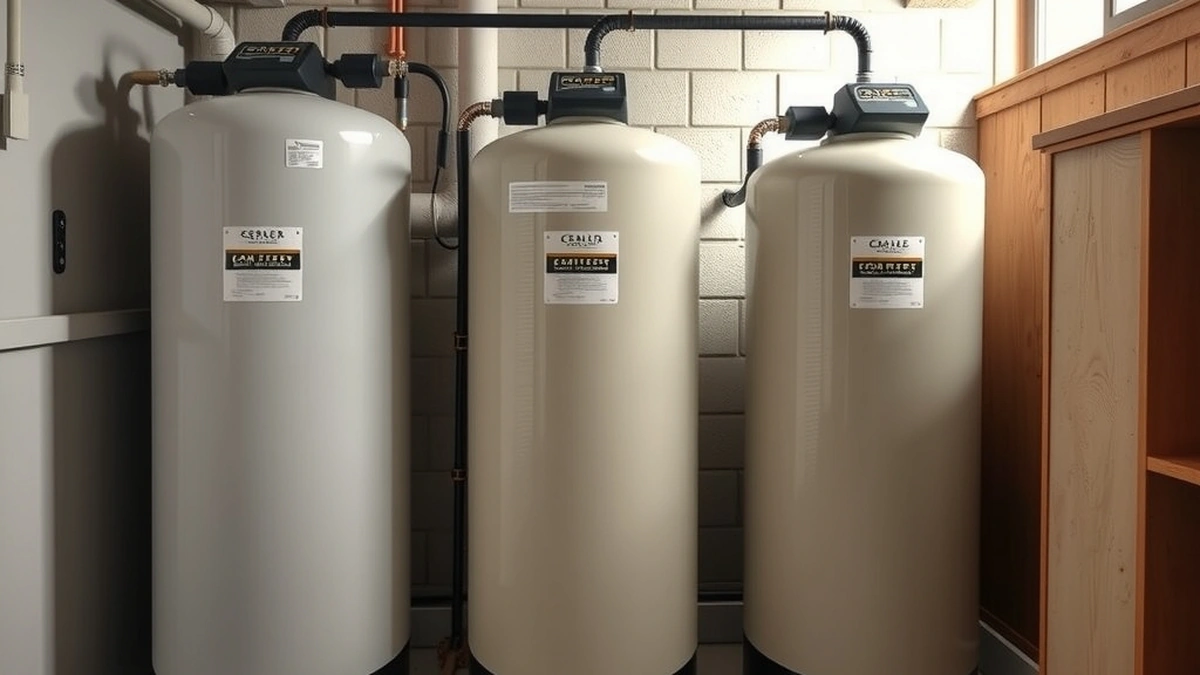
Air injection, greensand, and BIRM are three common whole-house iron filter types; installed costs typically run $800–$2,500, and the right choice depends on your water test results.
- Typical installed cost
- $800–$2,500
- Common flow range
- 8–15 GPM
- Air injection media
- No chemical media; uses air pocket
- Greensand media
- Coated mineral; needs potassium permanganate
- BIRM media
- Granular media; needs dissolved oxygen
Some links on this page are affiliate links.If you buy through them we may earn a commission at no extra cost to you. We do not accept payment for rankings. Read the full disclosure.
Air injection, greensand, and BIRM are three common whole-house iron filter types for well water. Installed costs typically run $800–$2,500, and the right choice depends on your water test results rather than marketing claims. Test first, then size equipment to your flow rate and iron level.
Why a water test comes first
Iron in well water usually appears in two forms. Clear-water iron, also called ferrous iron, is dissolved and comes out of the tap clear before staining sinks or laundry red after it sits. Red-water iron, or ferric iron, is already oxidized and can look cloudy or rusty immediately. Some wells also have iron bacteria, which creates slimy buildup in pipes and tanks.
A lab water test, typically $40–$150, should measure total iron, pH, hardness, dissolved oxygen, and manganese. These numbers determine which filter type can work. For example, BIRM needs enough dissolved oxygen to function, while greensand usually regenerates with potassium permanganate. Air injection does not use chemical regeneration media, but it needs an air pocket and proper venting.
If iron is below roughly 2–3 ppm and hardness is also present, a water softener may handle part of the load. Equipment for a softener typically costs $600–$2,500, with installed totals around $1,200–$4,500. Above those levels, or if iron bacteria is present, a dedicated iron filter is usually the better starting point. You can compare broader pricing at our whole-house water filter cost guide.
Air injection iron filters
Air injection systems oxidize dissolved iron by drawing air into the tank and creating an air pocket. As water passes through, iron converts to a solid particle, which a filter media bed then captures. The system periodically backwashes to flush trapped iron and replenish the air pocket.
Typical installed cost: $800–$2,500, consistent with the general iron filter range.
There is no chemical to buy for regeneration, which lowers ongoing consumable costs compared with greensand. However, the air injector, vent, and check valves can require service, and the system must be sized for peak household flow. Whole-house filters commonly operate in the 8–15 GPM range. If your peak flow exceeds the filter’s rated flow, pressure drop and inadequate contact time can let iron pass through.
Estimated annual maintenance is mainly backwash water and occasional valve or injector parts. Because there is no potassium permanganate to purchase, some owners prefer this type for lower chemical handling, though the equipment has more moving parts than a static media bed.
Greensand iron filters
Greensand filters use a coated mineral media that oxidizes iron as water passes through. The coating is restored during regeneration with potassium permanganate, a strong oxidizer drawn into the tank on a set schedule.
Typical installed cost: $800–$2,500, with ongoing chemical cost depending on iron load and regeneration frequency.
Greensand can handle higher iron levels than many softeners and is effective on both clear-water and some red-water iron. The trade-off is chemical management. You must keep the solution tank filled, set regeneration frequency correctly, and handle potassium permanganate carefully. If regeneration lapses, the media coating exhausts and iron breakthrough can occur.
Backwash frequency depends on iron concentration. A rough illustration: if a filter treats 400 gallons per day with 5 ppm iron, that is about 2 grams of iron per day, or roughly 1.5 kilograms per year. Actual media life and chemical use vary by water chemistry and tank size, so treat this as an estimate, not a specification.
Greensand is often a strong choice when iron is high or when manganese is also present, provided the homeowner will maintain the regeneration schedule.
BIRM iron filters
BIRM is a granular filter media that reduces dissolved iron through oxidation and filtration without requiring potassium permanganate. It uses dissolved oxygen already in the water to convert iron to a filterable particle, then backwashes to remove the collected solids.
Typical installed cost: $800–$2,500.
BIRM works best when the water contains enough dissolved oxygen and the pH is in a suitable range. If oxygen is too low, the media may not oxidize iron effectively. It also requires regular backwashing to keep the bed clean, and the media eventually needs replacement.
Because no regeneration chemical is needed, operating costs can be lower than greensand. However, BIRM is not universal. A water test should confirm dissolved oxygen and pH before selecting it. If those conditions are not met, air injection or greensand may be more reliable.
Comparing the three types
The table below summarizes general differences. Installed cost estimates reflect the $800–$2,500 range for whole-house iron filters and are not quotes for a specific home.
| Filter type | Regeneration | Typical chemical need | Best suited for | Main consideration |
|---|---|---|---|---|
| Air injection | Air draw and backwash | None for oxidation | Moderate iron, low chemical preference | Injector and vent maintenance |
| Greensand | Potassium permanganate | Potassium permanganate | Higher iron, manganese present | Chemical handling and schedule |
| BIRM | Backwash | None required | Adequate dissolved oxygen | Water must meet oxygen and pH conditions |
Flow rate matters for all three. A whole-house filter rated for 8–15 GPM may be adequate for many homes, but a large household with simultaneous showers, irrigation, and laundry needs higher capacity. Undersizing causes pressure loss; oversizing wastes money and space.
Cost arithmetic and ongoing expenses
Iron filter prices are estimates until a plumber or water treatment professional evaluates your installation. The $800–$2,500 installed range covers equipment and basic plumbing for many whole-house units, but difficult well layouts or larger tanks can exceed it.
To illustrate ongoing cost, assume a greensand filter uses potassium permanganate at $30–$60 per year for a modest iron load, while a high-iron home could use several times that. Air injection avoids that chemical but may need injector service. BIRM media replacement, when needed, is a media-only cost rather than a full system replacement.
For comparison, a water softener uses roughly 8–12 pounds of salt per regeneration, and salt typically runs $120–$400 per year. Resin rebeds are estimated at $300–$600 when the resin nears the end of its 8–12 year life. Softener equipment lasts about 10–15 years. These figures are relevant if you are deciding between softening and iron filtration, or using both in sequence.
If you also need drinking-water treatment at one tap, an under-sink reverse osmosis system costs about $300–$900 installed and runs roughly $60–$150 per year in filters and membrane replacement. That is separate from whole-house iron treatment. More detail is available at our reverse osmosis system cost page.
Installation and maintenance basics
Iron filters are usually installed where the well line enters the house, before the water heater and before any softener. This protects plumbing and appliances from staining and sediment. A bypass valve is standard so the filter can be isolated for service.
Backwash sends iron-laden water to a drain, so you need a suitable drain connection and enough flow to lift and fluidize the media bed. Air injection units also need an air release or vent path. Greensand units need a safe place for the chemical solution tank and spill containment.
Maintenance schedules vary. Greensand regeneration might run weekly or more often with high iron. Air injection and BIRM rely more on backwash frequency. In all cases, follow the equipment manual and your water test results rather than a fixed calendar.
When to combine systems
Iron filters treat the whole house, but they do not remove everything. Hardness minerals pass through most iron filters, so many homes pair an iron filter with a water softener. Softener equipment typically costs $600–$2,500, with installed totals around $1,200–$4,500. If you are considering both, see our water softener installation cost and water softener salt cost guides for the softener side of the equation.
If your concern is only drinking and cooking water, a point-of-use system may cost less than treating the whole house. Carbon filters cost about $500–$1,800 installed with cartridge replacement around $80–$300 per year, usually every 6–12 months. Sediment cartridges often need replacement every 3–6 months. Whole-house reverse osmosis is a much larger project, typically $3,000–$8,000 installed, and is rarely needed just for iron.
UV treatment addresses bacteria, not iron, and costs roughly $30–$90 per year for lamp replacement. It is a separate decision from iron filtration. For well owners evaluating total project cost, our well water treatment cost guide covers how these systems fit together.
Choosing after the test
Start with a lab test. Match the iron type, concentration, pH, hardness, and dissolved oxygen to the filter’s requirements. Then size for peak flow, confirm drain and electrical access, and compare installed quotes against the $800–$2,500 estimate range. No single iron filter type is best for every well; the water test decides.
Frequently asked questions
What are the main iron filter types?
The three common types are air injection, greensand, and BIRM. Each oxidizes and filters dissolved iron differently, and installed prices usually fall within the $800–$2,500 range.
Does a water softener remove iron?
A softener can handle small amounts of clear-water iron, often up to about 2–3 ppm, but higher levels usually need a dedicated iron filter ahead of or instead of the softener.
How much does an iron filter cost installed?
Whole-house iron filters typically cost $800–$2,500 installed, depending on tank size, media type, and plumbing complexity. Ongoing media or chemical costs vary by type.
What does greensand need to regenerate?
Greensand filters typically regenerate with potassium permanganate, which restores the coating that oxidizes iron. You must keep the chemical tank filled and set regeneration on schedule.
Can BIRM work without chemicals?
BIRM can reduce iron without potassium permanganate, but it requires enough dissolved oxygen in the water and a backwash cycle to clean the media bed.
Should I test water before buying an iron filter?
Yes. A lab test tells you iron level, iron type, pH, hardness, and oxygen, which determines whether air injection, greensand, or BIRM is appropriate for your water.
Sources
Some links are affiliate links.If you buy through them we may earn a commission at no extra cost to you. We do not accept payment for rankings. Read the full disclosure.


