Chlorine in Tap Water: How Much and How to Remove It
Typical chlorine levels in municipal tap water, testing options, and treatment methods with installed costs and operating numbers.
Municipal tap water usually contains 0.2 to 4.0 ppm chlorine; activated carbon filtration is the standard removal method.
- Typical residual chlorine range
- 0.2–4.0 ppm
- EPA maximum residual disinfectant level
- 4.0 ppm (as Cl2)
- Best removal method
- Activated carbon filtration
- Carbon filter installed cost
- $500–$1,800
- Carbon cartridge replacement
- Every 6–12 months; $80–$300 per year
Some links on this page are affiliate links.If you buy through them we may earn a commission at no extra cost to you. We do not accept payment for rankings. Read the full disclosure.
Municipal tap water typically contains between 0.2 and 4.0 parts per million (ppm) of chlorine as a residual disinfectant. The most reliable way to reduce it is activated carbon filtration, installed either at the point of entry for the whole house or at the point of use for drinking water. This article reviews typical chlorine levels, testing methods, and removal equipment with installed costs and ongoing expenses.
How Much Chlorine Is in Tap Water
Public water systems add chlorine or chloramine to kill microorganisms and maintain a residual through the distribution network. The EPA maximum residual disinfectant level for chlorine is 4.0 ppm (as Cl2). Most systems target a residual in the field between 0.2 and 4.0 ppm, though actual levels at your tap depend on distance from the treatment plant, water temperature, pipe material, and seasonal treatment changes.
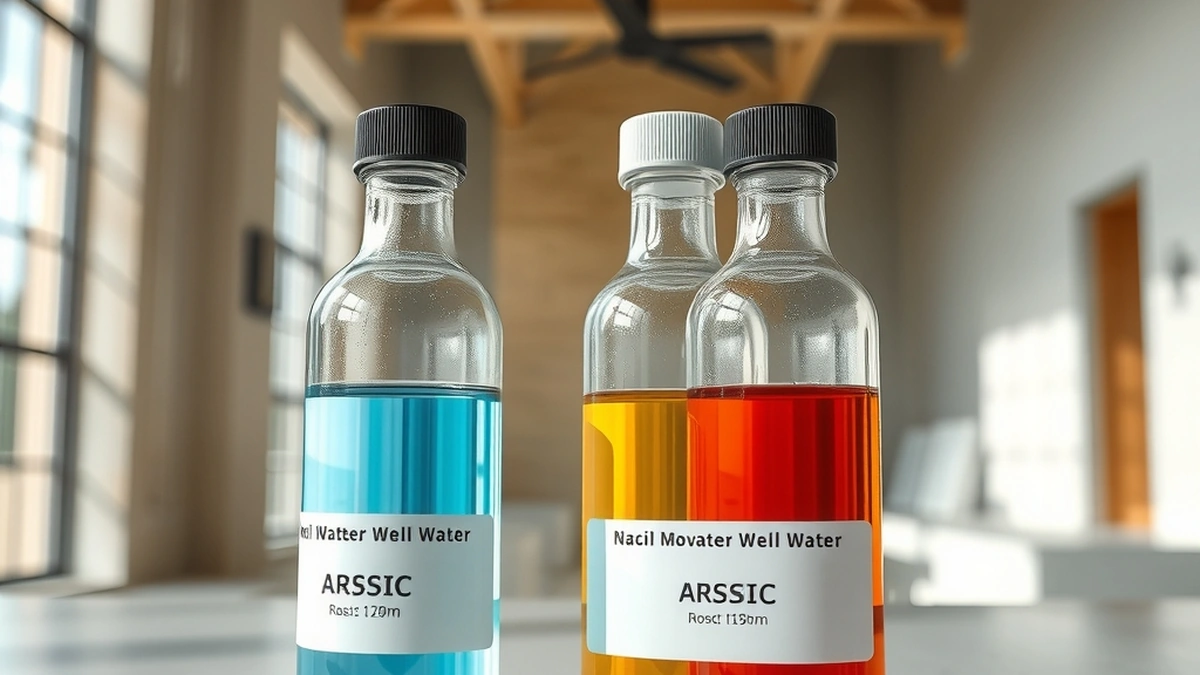
Chlorine is measured as free chlorine or total chlorine. Free chlorine is the active disinfectant remaining in the water; total chlorine includes chlorine combined with organic or inorganic matter. A simple test strip or drop kit can give a rough reading in ppm. For a documented number, a certified lab test typically costs $40 to $150. If you are on a private well, you are responsible for testing and treatment decisions; municipal customers receive an annual consumer confidence report that lists disinfectant levels.
Why Chlorine Is Added
Chlorine is a disinfectant used to reduce pathogens in the water supply and to keep pipes safe as water travels to homes. It is not a hardness mineral, so equipment designed for hardness, such as a water softener, does not remove it. Water softeners exchange calcium and magnesium ions for sodium or potassium ions. Chlorine passes through a softener unchanged. If your goal is chlorine reduction, carbon media is the appropriate technology, not ion-exchange resin.
Testing Before Buying Equipment
Water test first, equipment second. A chlorine test strip kit costs roughly $10 to $30 and measures free chlorine in seconds. A digital colorimeter costs more but gives repeatable readings. A lab test for disinfection byproducts or a full panel runs $40 to $150. Knowing your actual chlorine level helps you size carbon equipment correctly and avoid paying for capacity you do not need.
If you also suspect hardness, iron, or sediment, test for those at the same time. Hardness is measured in grains per gallon (gpg): soft is 0–3 gpg, moderate is 3–7 gpg, hard is 7–10 gpg, and very hard is 10+ gpg. Iron above 2–3 ppm can exceed the practical limit for a standard softener and may require dedicated iron treatment before other equipment.
Point-of-Use Carbon Filtration
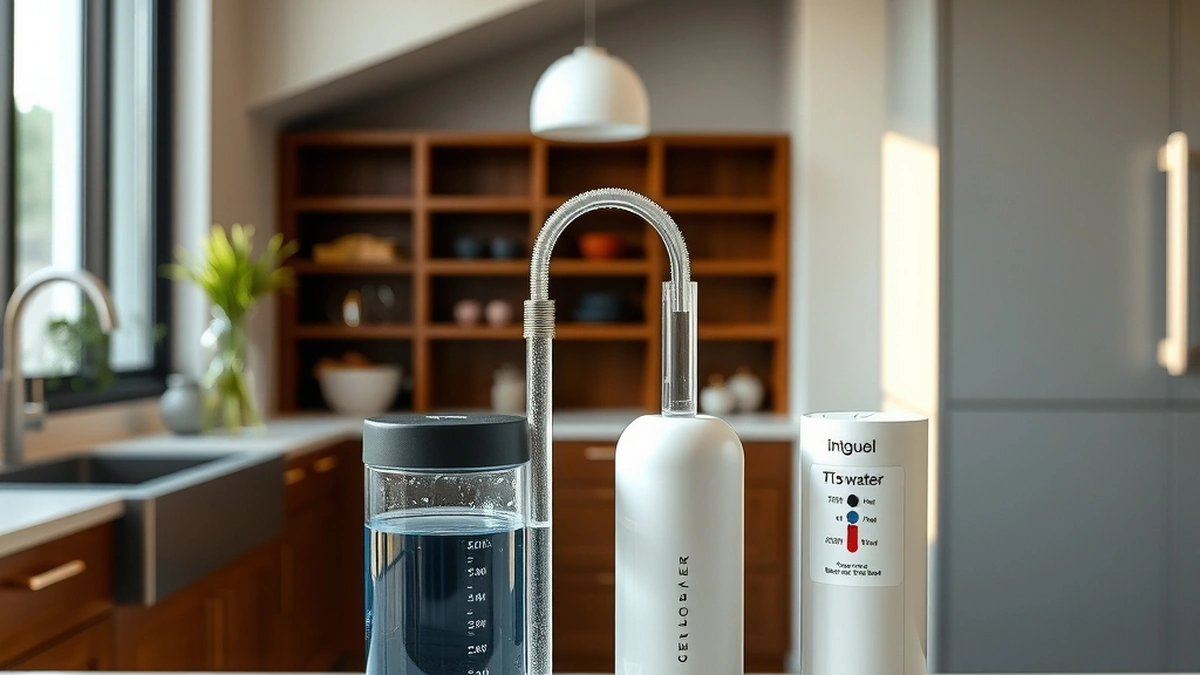
Activated carbon adsorbs chlorine and reduces taste and odor issues. Point-of-use options include faucet-mounted filters, countertop pitchers, and under-sink carbon systems. Cartridge life is typically 6 to 12 months, with replacement cartridges costing $80 to $300 per year depending on system size and water volume.
An under-sink carbon system installed at the kitchen sink usually costs $500 to $1,800 installed. For a household using 3,000 gallons of drinking and cooking water per year at $200 per year in cartridges, the cost per gallon is roughly $0.067. This treats only the tap where it is installed, so showers and laundry water still contain chlorine.
Whole-House Carbon Filtration
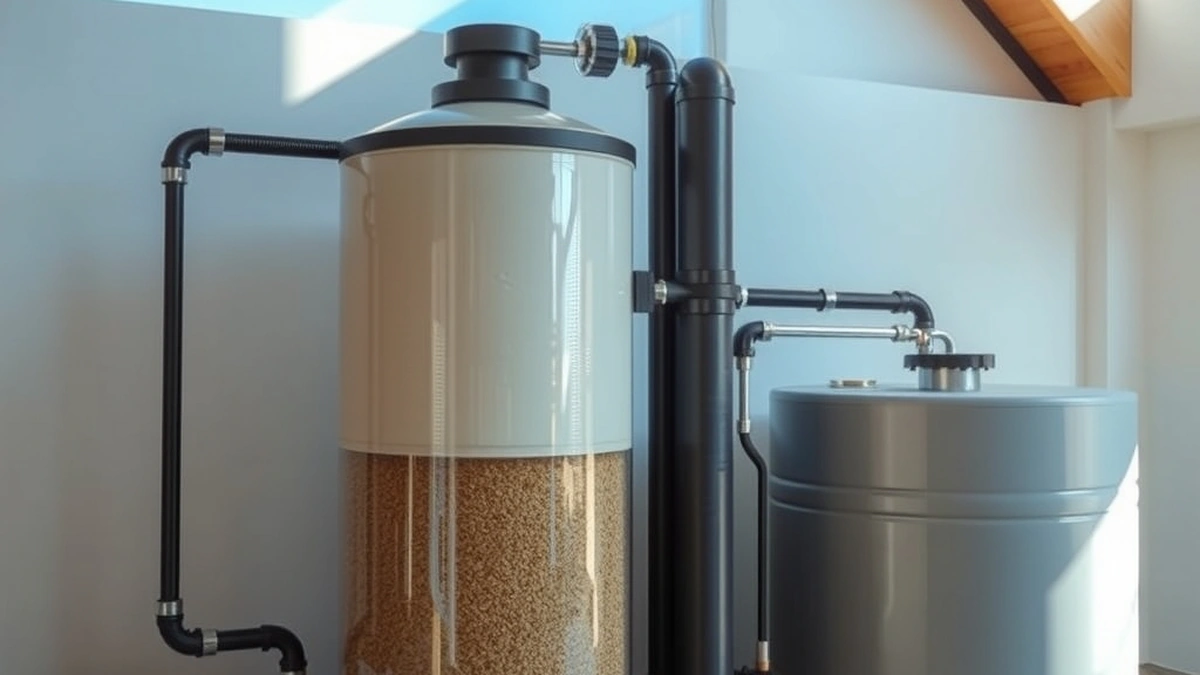
A whole-house carbon filter treats all water entering the home, removing chlorine from showers, laundry, and every faucet. Typical flow rates range from 8 to 15 gallons per minute (GPM), which is sufficient for most single-family homes. Installed cost is generally $500 to $1,800. Carbon cartridges or media replacement runs $80 to $300 per year, and sediment pre-filters may need replacement every 3 to 6 months.
For a household using 60,000 gallons per year with $200 in annual carbon and sediment costs, the operating cost is roughly $0.0033 per gallon. Equipment life varies by carbon quality and chlorine load; label estimates, not guarantees.
If your water also has hardness, you may consider combining carbon treatment with a water softener. A softener system costs $600 to $2,500 for equipment, $500 to $1,500 for installation, or $1,200 to $4,500 installed. Salt runs $120 to $400 per year, and resin rebeds cost $300 to $600 every 8 to 12 years. Grain capacity ranges from 24,000 to 64,000 grains, with salt use of 8 to 12 pounds per regeneration. See /how-much-does-a-water-softener-cost/ and /water-softener-installation-cost/ for detailed softener pricing.
Reverse Osmosis for Drinking Water
Reverse osmosis systems use a semi-permeable membrane and typically include carbon pre-filters that reduce chlorine before it reaches the membrane. Chlorine can damage thin-film RO membranes, so carbon pretreatment is standard. Under-sink RO equipment costs $200 to $600, with installed cost of $300 to $900. Running costs are $60 to $150 per year for membranes and filters. Membranes last 2 to 3 years.
RO systems produce wastewater at a ratio of roughly 3 to 4 gallons of waste per 1 gallon of product water. Rejection rates for dissolved solids range from 80 to 95 percent, depending on the contaminant and system. Whole-house RO costs $3,000 to $8,000 installed and is usually unnecessary for chlorine removal alone. See /reverse-osmosis-system-cost/ for full RO pricing.
Cost Comparison Table
| System type | Installed cost (USD) | Annual running cost (USD) | Typical application |
|---|---|---|---|
| Under-sink carbon filter | 500–1,800 | 80–300 | Kitchen drinking water |
| Whole-house carbon filter | 500–1,800 | 80–300 | All home water |
| Water softener | 1,200–4,500 | 120–400 salt | Hardness minerals only |
| Under-sink RO | 300–900 | 60–150 | Drinking water at one tap |
| Whole-house RO | 3,000–8,000 | Varies | High TDS or specialized needs |
Water softeners do not remove chlorine. If your only goal is chlorine reduction, a carbon filter is the direct solution. If you have both hardness and chlorine, a combined softener plus carbon system addresses both issues, but you are paying for two separate treatment mechanisms.
Maintenance and Realistic Expectations
Carbon capacity is finite. As carbon pores fill with chlorine and organic matter, breakthrough occurs and chlorine passes through. Replacing cartridges on schedule—every 6 to 12 months for most systems—maintains performance. Whole-house tanks with backwashing carbon may last longer between media changes, but local water quality determines actual life.
UV lamps require replacement every 12 months at $30 to $90, but UV treats microorganisms, not chlorine. Sediment cartridges protect carbon and softener equipment and should be replaced every 3 to 6 months. None of these devices soften water, remove dissolved minerals, or change water chemistry beyond their specified media.
Installation costs vary by local labor rates, plumbing accessibility, and whether a dedicated faucet or drain line is required. All equipment figures are estimates; get a site-specific quote before purchasing.
Bottom Line
Chlorine in tap water usually falls between 0.2 and 4.0 ppm, regulated at a maximum of 4.0 ppm by the EPA. Test your water first, then choose carbon filtration for chlorine removal. Point-of-use carbon costs $500 to $1,800 installed for drinking water, while whole-house carbon costs $500 to $1,800 installed and treats every tap. Water softeners target hardness, not chlorine, and RO systems use carbon pre-filters because chlorine damages membranes. For whole-house pricing context, see /whole-house-water-filter-cost/.
Next, compare how much does a water softener cost, water softener installation cost, whole house water filter cost before you commit.
Frequently asked questions
Is chlorine in tap water regulated?
Yes. EPA sets the maximum residual disinfectant level for chlorine in drinking water at 4.0 parts per million.
Can I test chlorine myself?
Yes. Pool-style test strips and drop kits measure free chlorine, while lab tests cost roughly $40–$150.
Does a water softener remove chlorine?
No. Water softeners target hardness minerals, not chlorine; carbon media is used for chlorine reduction.
How often do carbon cartridges need replacement?
Typically every 6 to 12 months, depending on water usage and chlorine levels.
Does reverse osmosis remove chlorine?
RO membranes can be damaged by chlorine, so RO systems usually include a carbon pre-filter for chlorine reduction.
Is chlorine smell a reliable indicator of exact level?
No. Odor threshold varies by person; a test strip or meter gives a measurable number.
Sources
Some links are affiliate links.If you buy through them we may earn a commission at no extra cost to you. We do not accept payment for rankings. Read the full disclosure.