Sulfur Smell in Water: Heater or Well?
Determine whether a rotten egg odor comes from your water heater or well water, with equipment costs and testing steps.
A sulfur smell usually comes from hydrogen sulfide gas. If only hot water smells, the heater is likely the source; if cold water smells too, the well is the likely source.
- Likely heater source
- Hot water only
- Likely well source
- Hot and cold water
- Sulfur filter installed
- $1,000–$3,000
- Water test lab
- $40–$150
Some links on this page are affiliate links.If you buy through them we may earn a commission at no extra cost to you. We do not accept payment for rankings. Read the full disclosure.
Sulfur smell in water is almost always hydrogen sulfide gas. If the odor appears only when you run hot water, the water heater is the likely source. If both hot and cold water smell, the well or source water is the likely source.
This guide walks through how to isolate the source, what the numbers say about treatment options, and when to test before buying equipment.
Step 1: Check Hot and Cold Water Separately
The fastest diagnostic test costs nothing. Run each tap and note whether the rotten egg odor appears in hot water, cold water, or both.
- Hot water only: The water heater is the likely source. Anaerobic bacteria can react with the magnesium or aluminum anode rod inside the tank to produce hydrogen sulfide gas.
- Cold water only: The well or municipal source is the likely source. Hydrogen sulfide is entering the distribution system before it reaches the heater.
- Both hot and cold: The source water contains hydrogen sulfide, and the heater may intensify the odor by heating the gas.
If you have a water softener installed, bypass it during this test. Softener resin can sometimes harbor odor-causing bacteria, though it does not create hydrogen sulfide from nothing.
Step 2: Test Before You Buy Equipment
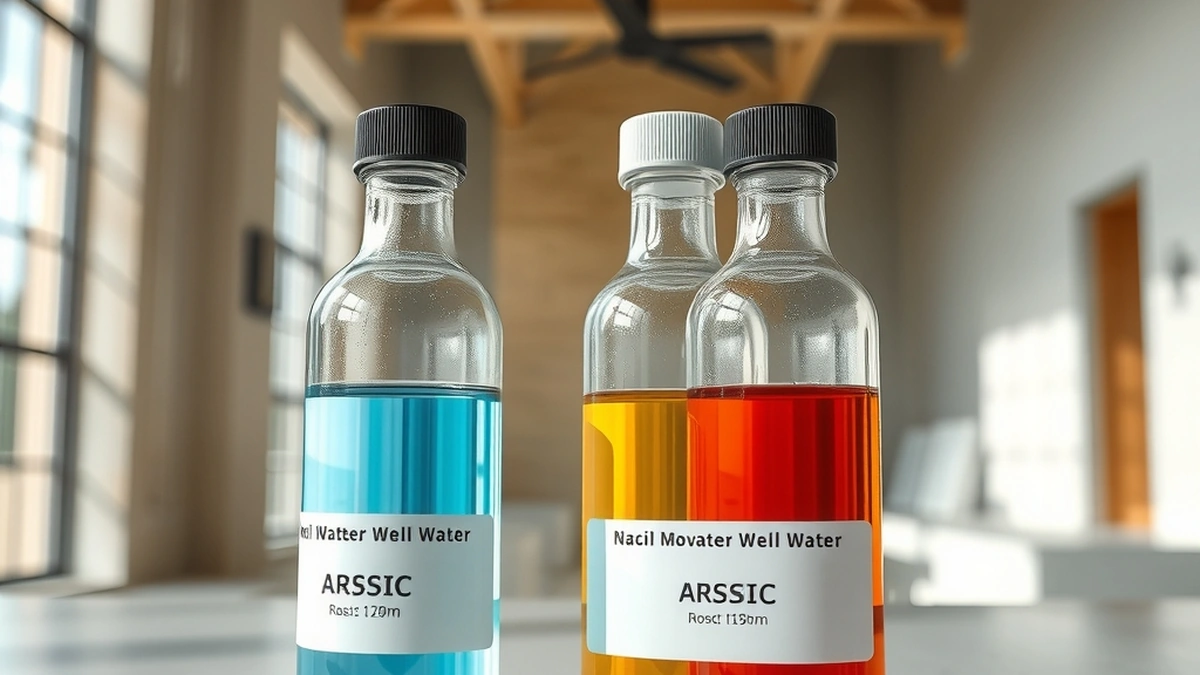
Water Treatment Pro follows a test-first rule. Do not purchase a sulfur filter, softener, or whole-house system based on smell alone. A lab water test costs $40–$150 and should measure hydrogen sulfide, iron, manganese, pH, hardness, and total dissolved solids.
Hardness matters because it determines whether a softener is even appropriate:
- Soft: 0–3 grains per gallon (GPG)
- Moderate: 3–7 GPG
- Hard: 7–10 GPG
- Very hard: 10+ GPG
If hardness is in the hard or very hard range and you also have sulfur odor, you may need two separate systems rather than one piece of equipment that claims to do both.
Step 3: If the Water Heater Is the Source
When only hot water smells, the problem is usually inside the tank. The anode rod protects the steel lining from corrosion, but sulfate-reducing bacteria can interact with it and release hydrogen sulfide.
Options include:
- Replace the magnesium or aluminum anode rod with an aluminum-zinc or powered anode rod. This is a parts-and-labor job, not a full heater replacement.
- Flush the water heater tank to remove sediment where bacteria can collect.
- Raise the water heater temperature temporarily, though this is a maintenance step with scalding risk and should follow manufacturer guidance and local code.
Water heater work involves plumbing, gas, or electrical connections. If you are not qualified to service the tank, hire a licensed plumber. This path does not require a whole-house sulfur filter if cold water is odor-free.
Step 4: If the Well Is the Source
If cold water smells at every tap, hydrogen sulfide is entering from the well. Treatment happens at the point of entry, before the water reaches the heater or any fixture.
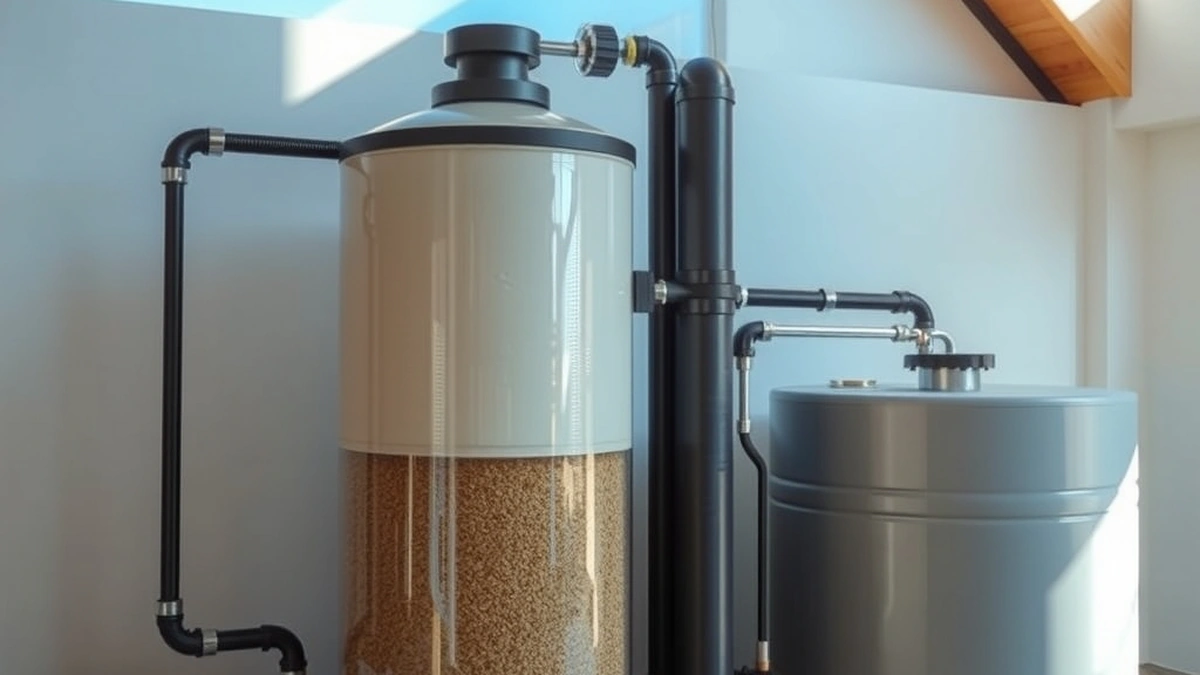
A dedicated sulfur filter is the standard whole-house approach. Installed costs typically run $1,000–$3,000. These systems often use aeration, catalytic carbon, or oxidation media to convert hydrogen sulfide into a form that can be filtered out. Whole-house flow rates commonly fall in the 8–15 gallons per minute (GPM) range, so size the unit to match your peak household demand.
If iron is also present, an iron filter may be more appropriate. Iron filter systems cost $800–$2,500 installed. Some iron filters reduce hydrogen sulfide as well, but only if the media and contact time are rated for it.
Do not rely on a water softener for sulfur removal. Softener equipment costs $600–$2,500, with installed totals of $1,200–$4,500. Salt runs $120–$400 per year, and resin rebeds run $300–$600. Capacity ranges from 24,000–64,000 grains, using 8–12 pounds of salt per regeneration. Softener life is typically 10–15 years, with resin life of 8–12 years. None of these specifications address hydrogen sulfide gas.
Step 5: Cost Comparison for Relevant Equipment
The table below shows installed cost ranges for equipment categories that may come up during diagnosis. These are estimates, not quotes.
| Equipment | Installed Cost (USD) | Notes |
|---|---|---|
| Water softener | $1,200–$4,500 | Hardness only; not for sulfur odor |
| Salt-free conditioner | $500–$1,800 | Scale reduction; not sulfur removal |
| Carbon filter | $500–$1,800 | May reduce low-level odor; cartridge $80–$300 per year |
| Sulfur filter | $1,000–$3,000 | Whole-house hydrogen sulfide treatment |
| Iron filter | $800–$2,500 | If iron and sulfur occur together |
| Whole-house RO | $3,000–$8,000 | High cost; usually unnecessary for odor alone |
If your only concern is drinking-water taste and odor at one sink, an under-sink reverse osmosis system costs $300–$900 installed, with running costs of $60–$150 per year. Membranes last 2–3 years, and waste ratios run 3–4:1. RO rejection rates range from 80–95 percent depending on the contaminant. RO is a point-of-use solution, not a whole-house fix for sulfur smell.
For ongoing whole-house carbon maintenance, cartridges run $80–$300 per year and typically need replacement every 6–12 months. Sediment cartridges usually need replacement every 3–6 months.
Step 6: Maintenance and Operating Costs
Any equipment decision should include long-run costs, not just the installed price.
A sulfur filter at $1,000–$3,000 installed may require media replacement or oxidant replenishment on a schedule set by the manufacturer and your water chemistry. Carbon filter cartridges at $80–$300 per year add up over a 10-year horizon: $800–$3,000 in consumables alone.
If you install a softener for hardness and a sulfur filter for odor, you are running two systems. Salt cost is $120–$400 per year, plus the sulfur filter maintenance. Over 10 years, salt alone is $1,200–$4,000.
UV disinfection is sometimes suggested alongside well treatment. UV lamps last 12 months and cost $30–$90 per lamp. UV treats microorganisms, not hydrogen sulfide, so it does not address sulfur smell by itself.
Step 7: Make the Decision Based on Test Results
Start with the hot/cold tap test. If only hot water smells, service the water heater. If cold water smells, order a lab water test for $40–$150. Use the results to size a sulfur filter or iron filter, and check hardness to see whether a softener is also needed.
For more on equipment pricing, see our guides on whole-house water filter cost, well water treatment cost, and water softener installation cost.
Avoid any product or dealer that promises to cure water quality problems or makes health claims. Equipment removes or reduces specific contaminants; it does not improve health. Test first, size second, and buy only what your water chemistry requires.
Next, compare how much does a water softener cost, water softener installation cost, whole house water filter cost before you commit.
Frequently asked questions
What causes sulfur smell in water?
Hydrogen sulfide gas is the common cause of a rotten egg odor in household water supplies.
How do I tell if it is the heater or well?
Check whether the odor appears in hot water only or in both hot and cold water at every tap.
Can a water softener remove sulfur smell?
A water softener is designed for hardness minerals, not hydrogen sulfide gas removal.
What does a sulfur filter cost installed?
Installed sulfur filter systems typically range from $1,000 to $3,000 depending on flow rate and equipment.
Should I test my well water?
Yes. A lab water test costs $40–$150 and identifies hydrogen sulfide, iron, and other contaminants before equipment selection.
How long does a sulfur filter last?
Equipment life varies by model and water quality; media replacement and maintenance schedules depend on the manufacturer.
Sources
Some links are affiliate links.If you buy through them we may earn a commission at no extra cost to you. We do not accept payment for rankings. Read the full disclosure.