Sulfur Smell Treatment: Options by Concentration
Hydrogen sulfide causes rotten egg odor and needs oxidation, not carbon alone. Compare aeration, chlorine injection, and greensand, with costs.
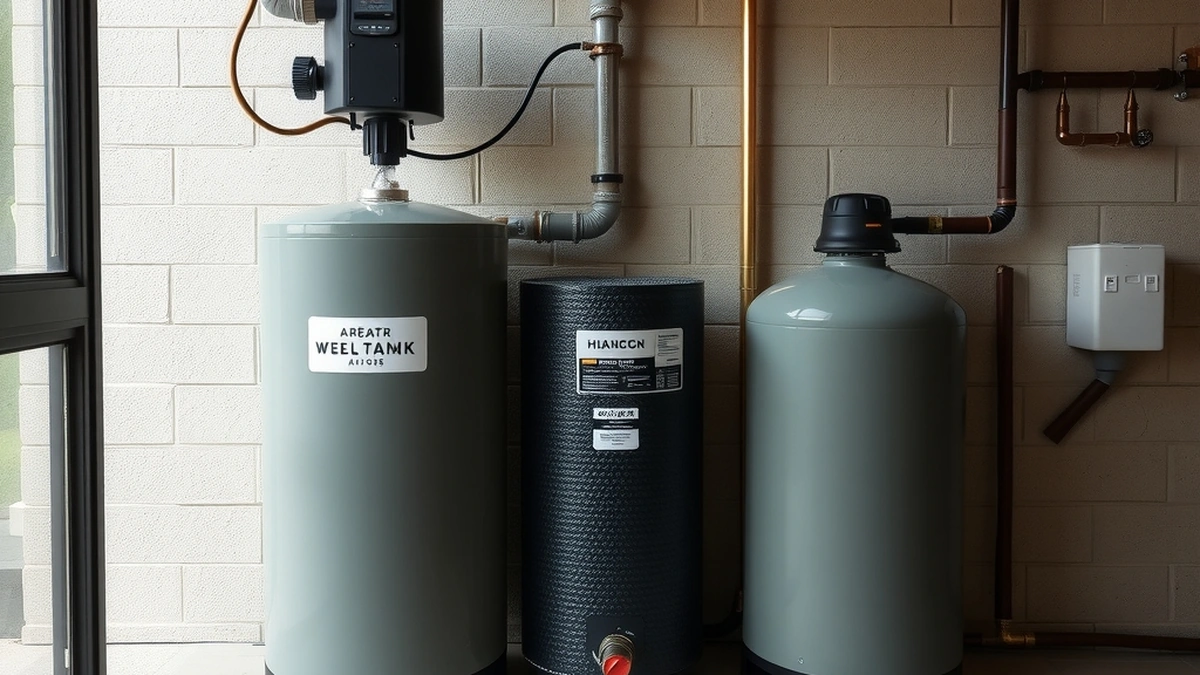
Sulfur smell treatment oxidizes hydrogen sulfide and then filters the sulfur particles out. Aeration, chlorine injection, and greensand filters are the main options, costing $1,000 - $3,000 installed, and carbon alone will exhaust quickly.
- Sulfur filter installed
- $1,000 - $3,000
- Aeration system
- $1,500 - $3,500
- Chlorine injection
- $2,000 - $4,000
- Lab test
- $40 - $150
- UV lamp
- $30 - $90 yearly
Some links on this page are affiliate links.If you buy through them we may earn a commission at no extra cost to you. We do not accept payment for rankings. Read the full disclosure.
Sulfur smell is hydrogen sulfide, a dissolved gas that forms in some wells and gives water a rotten egg odor. Treatment means oxidizing the gas into filterable sulfur particles and then backwashing them away. Aeration, chlorine injection, and greensand filters are the three common approaches.
What Hydrogen Sulfide Is
Hydrogen sulfide forms when sulfur compounds are reduced by bacteria in low-oxygen groundwater. It dissolves in water and escapes as a gas when the water is exposed to air.
At low concentrations, the odor is faint and occasional. At higher concentrations, it is strong, corrosive to plumbing, and capable of tarnishing silver.
The gas also damages softener resin and carbon media, which is why sulfur treatment goes ahead of those stages.
Method One: Aeration
An aeration system sprays or cascades water through air, stripping the gas and oxidizing the sulfur. A backwashing filter then removes the particles.
Aeration is chemical-free and effective at moderate concentrations. It costs $1,500 - $3,500 installed and needs a drain, a vent, and a pump in most designs.
The tradeoff is complexity. Aeration units have more moving parts than a simple filter, and the vent and drain requirements limit where they can go.
Method Two: Chlorine Injection
A chemical pump injects chlorine or hydrogen peroxide into the water, oxidizing the sulfur before a contact tank and filter. It handles high concentrations and also disinfects.
Installed cost is $2,000 - $4,000. The system needs a chemical tank, a metering pump, and maintenance of both.
It is the right choice when sulfur is high, iron is present, or bacteria are part of the problem. It is overkill for a faint odor in an otherwise clean well.
Method Three: Greensand
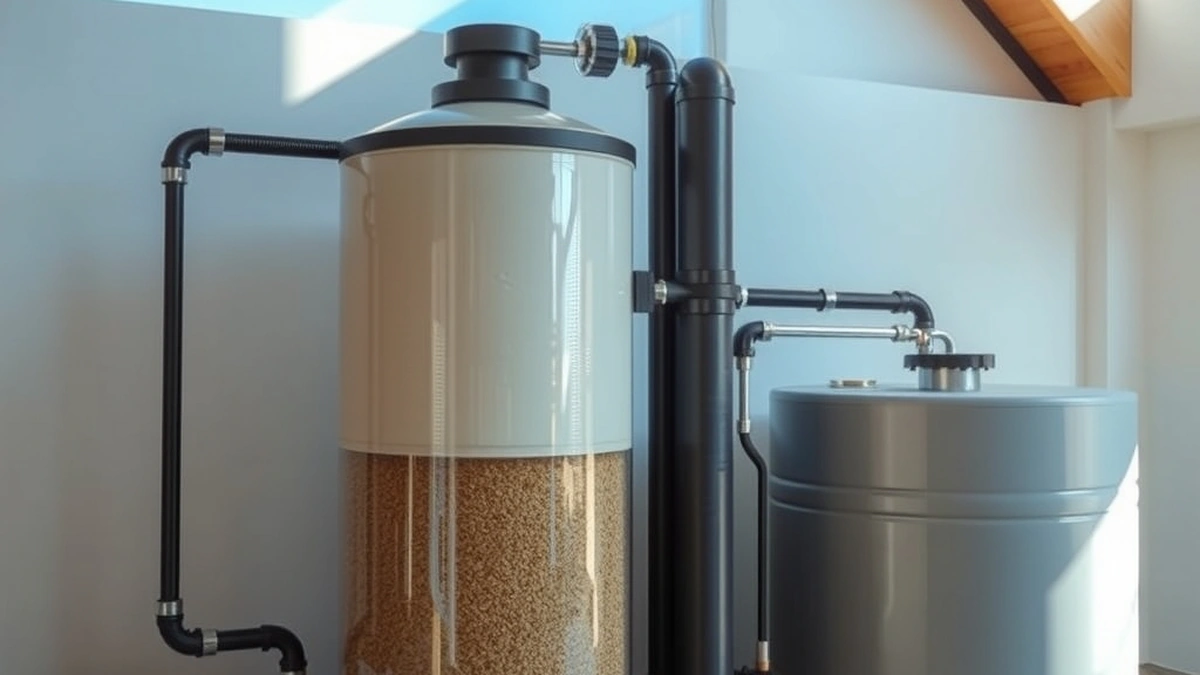
A greensand filter uses manganese greensand media to oxidize and filter in one tank. It handles moderate sulfur and iron together.
Cost is $1,200 - $3,000 installed, with media replacement every 3 - 5 years at $300 - $800. Some designs need potassium permanganate regeneration.
Greensand is a good middle option when the concentration is moderate and the household wants a single tank.
Comparison Table
| Method | H2S range | Installed cost | Maintenance |
|---|---|---|---|
| Aeration | 0.5 - 5 PPM | $1,500 - $3,500 | Vent, drain, pump service |
| Chlorine injection | 1 - 20 PPM | $2,000 - $4,000 | Chemical, pump, contact tank |
| Greensand | 0.5 - 5 PPM | $1,200 - $3,000 | Media every 3 - 5 years |
| Carbon | Under 0.5 PPM | $500 - $1,800 | Frequent media changes |
Carbon is the cheapest and the least durable. It adsorbs some hydrogen sulfide, but the capacity is small and the media fouls. At typical well concentrations, it is a stopgap.
The Hot-Water Exception
If the odor appears only at the hot tap, the water heater is the likely source. The anode rod reacts with sulfate in the water and produces hydrogen sulfide inside the tank.
Replacing the magnesium anode with an aluminum or zinc anode often solves it. The part costs $30 - $80, and the job takes an hour.
If the cold water also smells, the problem is in the supply and the heater is just making it worse.
What Treatment Does Not Fix
Sulfur treatment does not address bacteria unless the method includes disinfection. Chlorine injection does; aeration and greensand do not.
It does not remove hardness, nitrate, arsenic, or lead. Those need their own stages.
It does not fix a compromised well casing. If surface water is entering the well, the odor will return after treatment, and the casing needs repair.
Installation Sequence
- Test the water for hydrogen sulfide, iron, manganese, and bacteria.
- Identify whether the odor is cold, hot, or both.
- Choose the method from the concentration and the other contaminants.
- Install the sulfur stage ahead of the softener and carbon.
- Provide a drain for backwash and a vent for aeration.
- Commission and retest at the tap.
- Retest in 30 days and again at six months.
Install the sulfur stage ahead of the softener for a practical reason: hydrogen sulfide damages resin, and a softener downstream of untreated sulfur water loses capacity within a year. The same logic applies to carbon, which fouls faster than it adsorbs.
An aeration system at $2,500 installed plus $200 a year in service costs $4,500 over ten years. A chlorine injection system at $3,000 plus $300 a year in chemicals and service costs $6,000. A greensand filter at $1,800 plus one media change at $500 costs $2,300, and it may not handle high concentrations.
Those totals should be compared with the cost of doing nothing. Hydrogen sulfide corrodes copper and brass, tarnishes silver, and shortens the life of a water heater. A $4,500 treatment over ten years is often cheaper than replacing fixtures and a heater.
For a low concentration that only bothers the household occasionally, a carbon filter at $500 - $1,800 installed may be enough, provided the media is changed often. It is the least durable option and the cheapest entry point.
A household that spends $4,500 on treatment over ten years might spend $1,500 on corroded fixtures and a shortened heater life without it. The arithmetic is not exact, but it explains why treatment is usually worth doing once the odor is persistent.
For the testing side, see sulfur smell test. For the wider treatment train, see well water treatment and sulfur removal options. For the odor itself, see sulfur smell in water.
Frequently asked questions
What removes sulfur smell from well water?
Oxidation followed by filtration. Aeration, chlorine injection, or a greensand filter converts hydrogen sulfide into filterable sulfur particles, which a backwashing filter then removes.
Will a carbon filter remove sulfur smell?
Carbon can adsorb low levels of hydrogen sulfide, but it exhausts quickly and fouls. At typical well concentrations, carbon alone is not a durable solution.
How much does a sulfur filter cost?
Installed costs run $1,000-$3,000 for a backwashing sulfur filter, and $2,000-$4,000 for a chlorine injection system with a contact tank.
Why does the smell appear only in hot water?
A water heater anode rod can produce hydrogen sulfide by reacting with sulfate in the water. If the cold water is odor-free, the heater is the likely source.
Does sulfur smell mean the water is unsafe?
Hydrogen sulfide is mainly an aesthetic problem at typical levels, but it can indicate bacteria or contamination. Test the water to confirm what is present.
Can I treat sulfur smell without equipment?
Shock chlorination can clear a temporary problem, and replacing a water heater anode can solve a hot-water-only odor. Persistent odor needs a treatment system.
Sources
Some links are affiliate links.If you buy through them we may earn a commission at no extra cost to you. We do not accept payment for rankings. Read the full disclosure.