Sulfur Smell Test: Find the Source Before You Treat
Rotten egg odor can come from the well, the water heater, or the drain. See how to isolate the source, what to sample, and which lab test to order.

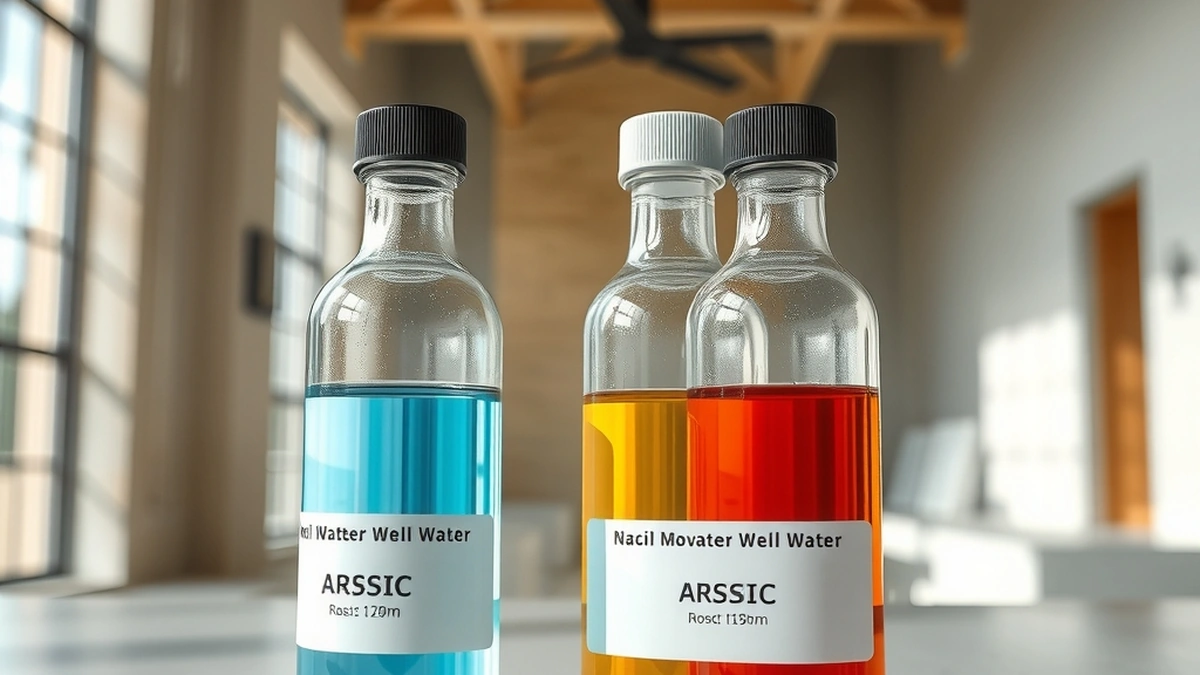
A sulfur smell test starts with location: run cold water in one glass and hot in another. If only hot smells, the water heater anode is the cause. If both smell, test the well for hydrogen sulfide and bacteria.
- Lab panel
- $40 - $150
- H2S field kit
- $20 - $60
- Bacteria test
- $20 - $50
- Anode rod
- $30 - $80
- Sulfur filter
- $1,000 - $3,000
Some links on this page are affiliate links.If you buy through them we may earn a commission at no extra cost to you. We do not accept payment for rankings. Read the full disclosure.
A sulfur smell test begins before any lab work: find where the odor comes from. Run cold water into one glass and hot into another, then smell each. That two-glass test separates a water heater problem from a well problem, and it takes a minute.
The Two-Glass Test
Fill a glass from the cold tap and another from the hot tap. Step away from the sink, because drain odor can confuse the result, and smell each glass.
If only the hot water smells, the water heater is producing hydrogen sulfide. The anode rod reacts with sulfate in the water, and the gas builds in the tank.
If both smell, the supply contains hydrogen sulfide, and the heater is adding to it. If neither smells but the room does, the drain is the source.
Ruling Out the Drain
A dry floor drain or a drain with biofilm can produce a sulfur or sewage odor that seems to come from the tap. The smell is strongest near the drain, not in the glass.
Run water in another room and smell the air near the suspect drain. If the odor is there without running the tap, the problem is the drain trap, not the water.
Pouring a cup of water into a floor drain restores the trap seal and often solves the problem for good.
The Water Heater
If the hot tap is the only source, the anode rod is the usual cause. Magnesium anodes react with sulfate-reducing bacteria in the tank and produce hydrogen sulfide.
Replacing the anode with an aluminum or zinc type often solves it, at $30 - $80 for the part and about an hour of labor.
Flushing the tank and raising the temperature to 140 degrees Fahrenheit for a few hours can also help, though the temperature must be reduced afterward to avoid a scald hazard.
Field Testing for Hydrogen Sulfide
A field kit measures dissolved sulfide with a colorimetric reagent. Kits cost $20 - $60 and give a reading in minutes.
The catch is that hydrogen sulfide escapes as soon as the water is exposed to air. The sample must be tested immediately, and the reading can understate the concentration at the tap.
For a treatment decision, a field kit is enough to confirm the presence and rough level. For design, a lab is better.
Lab Testing
A lab panel for a sulfur problem should include bacteria, nitrate, iron, manganese, hardness, and pH. Some labs offer a sulfide test; ask before collecting.
The panel costs $40 - $150. Bacteria matter because sulfur-reducing bacteria are a common cause and change the treatment plan.
Collect the sample from a cold untreated tap after running the water for several minutes, using the lab’s sterile bottle. Deliver it within the holding time.
Reading the Result
A sulfide reading under 0.5 PPM produces a faint, occasional odor. Carbon may handle it, and a water heater anode replacement may solve a hot-only case.
A reading of 0.5 - 5 PPM produces a clear rotten egg smell and calls for aeration, greensand, or chlorine injection.
Above 5 PPM, the odor is strong and corrosive, and chemical oxidation is the usual approach.
A positive bacteria result changes the plan regardless of the sulfide number. Disinfection comes first, then filtration.
| Source | Cold water | Hot water | Other clue |
|---|---|---|---|
| Well supply | Smells | Smells | Odor at every tap |
| Water heater anode | No odor | Smells | Odor strongest at hot tap |
| Drain trap | No odor | No odor | Smell near floor drain |
| Softener or filter | Smells | Smells | Odor starts after equipment |
| Stagnant plumbing | Smells briefly | Smells briefly | Clears after running |
The table is the fastest way to narrow the cause before spending money on a lab. A hot-only odor almost always points at the heater, and a drain odor is not a water problem at all.
What to Do Next
- Run the two-glass test and note which tap smells.
- Smell the nearest drain to rule out sewer gas.
- Check the water heater age and anode type if hot water is the source.
- Order a lab panel with bacteria and sulfide.
- Choose treatment from the concentration and bacteria result.
- Retest 30 days after treatment.
Common Mistakes
The first is treating the water before finding the source. A water heater anode problem does not need a $2,000 filter.
The second is skipping the bacteria test. Sulfur-reducing bacteria will colonize a new filter and bring the odor back.
The third is sampling from a softener or carbon filter. Those devices change the sulfide reading and hide the raw water problem.
The fourth is ignoring a compromised well casing. Surface water entering the well can produce odor that returns after every treatment.
One more clue is timing. An odor that appears only after the water has sat overnight points to a reaction in the tank or the pipes, while an odor that is constant points to the supply. Note when it happens before you sample, because that detail guides the test.
The two-glass test is worth repeating on a second day. A single reading can be misleading if the water heater has just cycled or if a drain was recently used, and a repeat costs nothing.
If the odor disappears after running the tap for a minute, the cause is stagnation in the line or the heater. That is a maintenance issue, not a treatment purchase, and it often resolves with a flush and a new anode.
For the treatment options, see sulfur smell treatment and sulfur removal options. For the lab schedule, see water tests for wells. For the odor itself, see sulfur smell in water.
Frequently asked questions
How do I test for sulfur smell in water?
Fill one glass with cold water and one with hot, then smell each. If only the hot smells, the water heater is the source. If both smell, test the well for hydrogen sulfide and bacteria.
Can I test hydrogen sulfide with a kit?
Yes, field kits measure dissolved sulfide at low concentrations. Because the gas escapes quickly, the sample must be tested immediately, and a lab may be more reliable.
Why does my water smell like rotten eggs only in the morning?
Water sitting in the plumbing or the heater overnight accumulates hydrogen sulfide. Running the tap for a minute can clear it, which points to the heater or a stagnant line.
Does a sulfur smell mean bacteria are present?
Not always, but sulfur-reducing bacteria are a common cause. A bacteria test separates an odor problem from a contamination problem.
Can the drain cause a sulfur smell?
Yes. A dry trap or a drain with biofilm can smell like sewage or sulfur. Smell the drain directly and run water in another room to rule it out.
What lab test should I order?
A well panel with bacteria, nitrate, iron, manganese, hardness, and pH, plus a sulfide test if the lab offers it. That covers the common causes of odor.
Sources
Some links are affiliate links.If you buy through them we may earn a commission at no extra cost to you. We do not accept payment for rankings. Read the full disclosure.