Hydrogen Sulfide Treatment: Aeration vs Chemical Oxidation
Compare aeration and chemical oxidation for removing hydrogen sulfide from well water, including equipment, installed cost, and maintenance.
Aeration and chemical oxidation both remove hydrogen sulfide; aeration uses air contact while chemical oxidation uses injectants such as chlorine or peroxide followed by filtration.
- Common cause
- Dissolved hydrogen sulfide gas in well water
- Aeration installed cost
- $1,000–$3,000 (estimate)
- Chemical oxidation installed cost
- $1,200–$3,500 (estimate)
- Typical whole-house flow
- 8–15 GPM
- Primary maintenance
- Air valve service or chemical tank refills
Some links on this page are affiliate links.If you buy through them we may earn a commission at no extra cost to you. We do not accept payment for rankings. Read the full disclosure.
Hydrogen sulfide treatment usually comes down to two approaches: aeration or chemical oxidation. Aeration strips dissolved hydrogen sulfide gas by exposing water to air, while chemical oxidation converts the gas into filterable solids using an injected oxidant. Both methods can reduce the rotten-egg odor associated with hydrogen sulfide in well water.
How Hydrogen Sulfide Enters Water
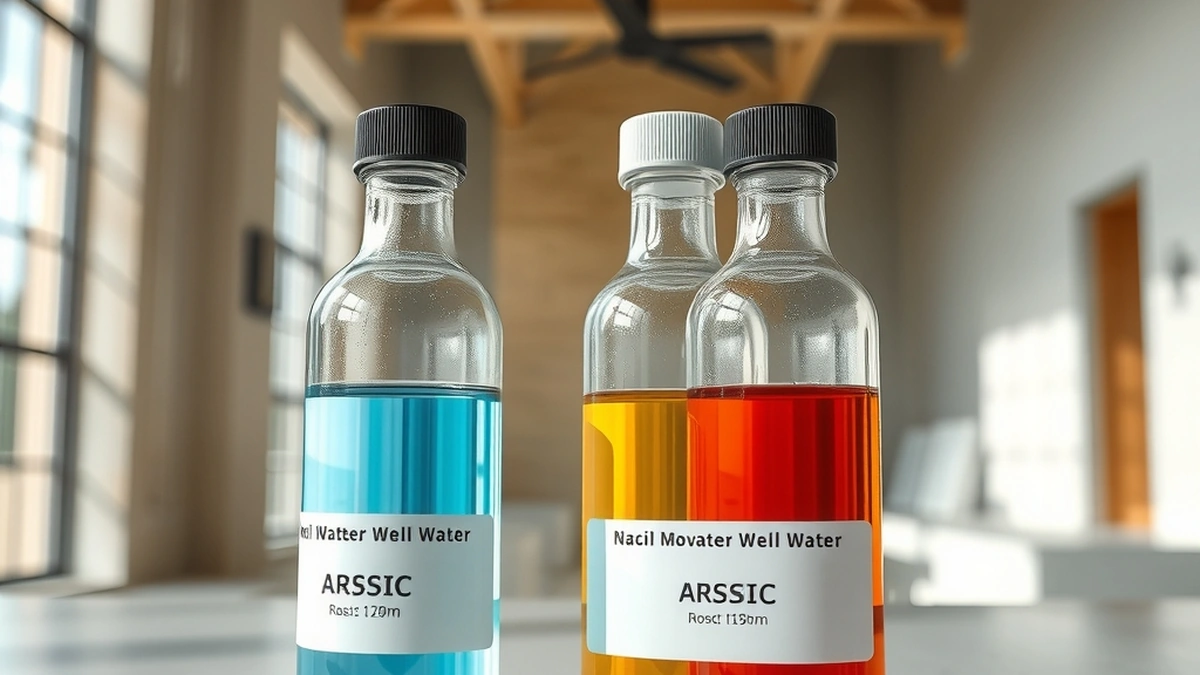
Hydrogen sulfide (H₂S) is a dissolved gas commonly found in groundwater. It can occur naturally as organic matter breaks down underground or result from sulfate-reducing bacteria in a well or distribution system. The gas is most noticeable in hot water, where heat releases it from solution.
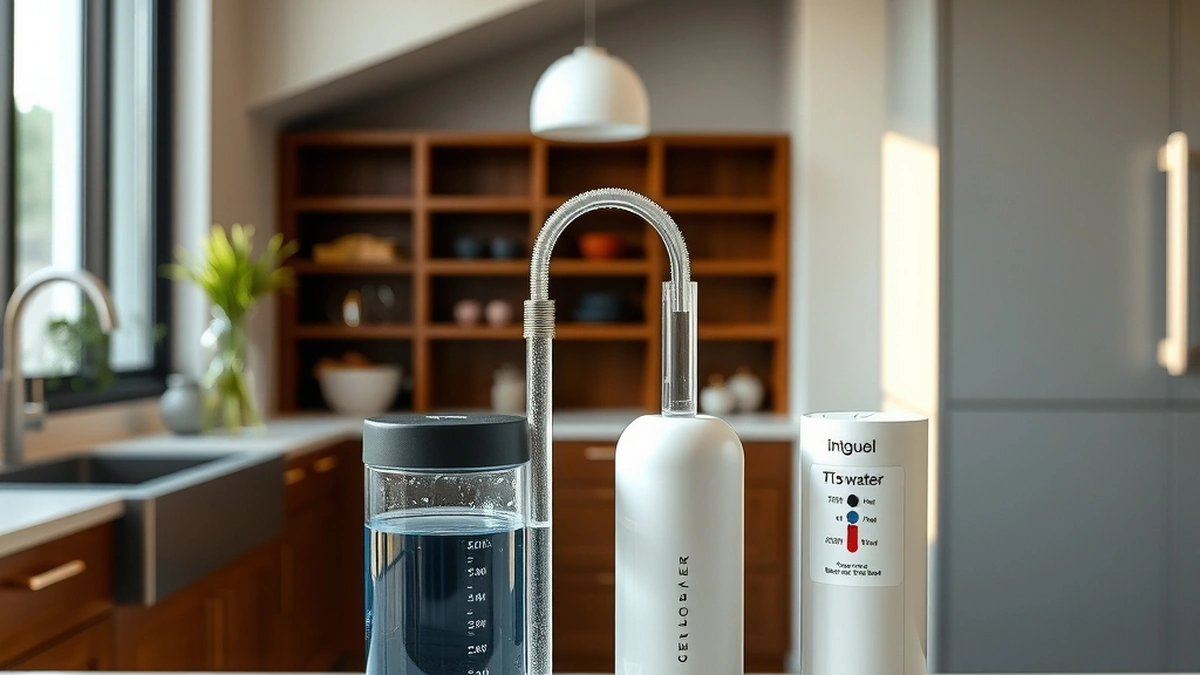
Water testing should come before equipment selection. A lab test typically costs $40–$150 and should measure hydrogen sulfide concentration, iron, manganese, pH, hardness, and flow rate. Knowing the concentration matters because treatment sizing depends on the load. For example, if water contains 2 parts per million (ppm) of hydrogen sulfide and a household uses 300 gallons per day, the daily gas load is roughly 0.005 pounds. That number helps determine the size of an aeration tank or chemical feed pump.
Aeration Systems
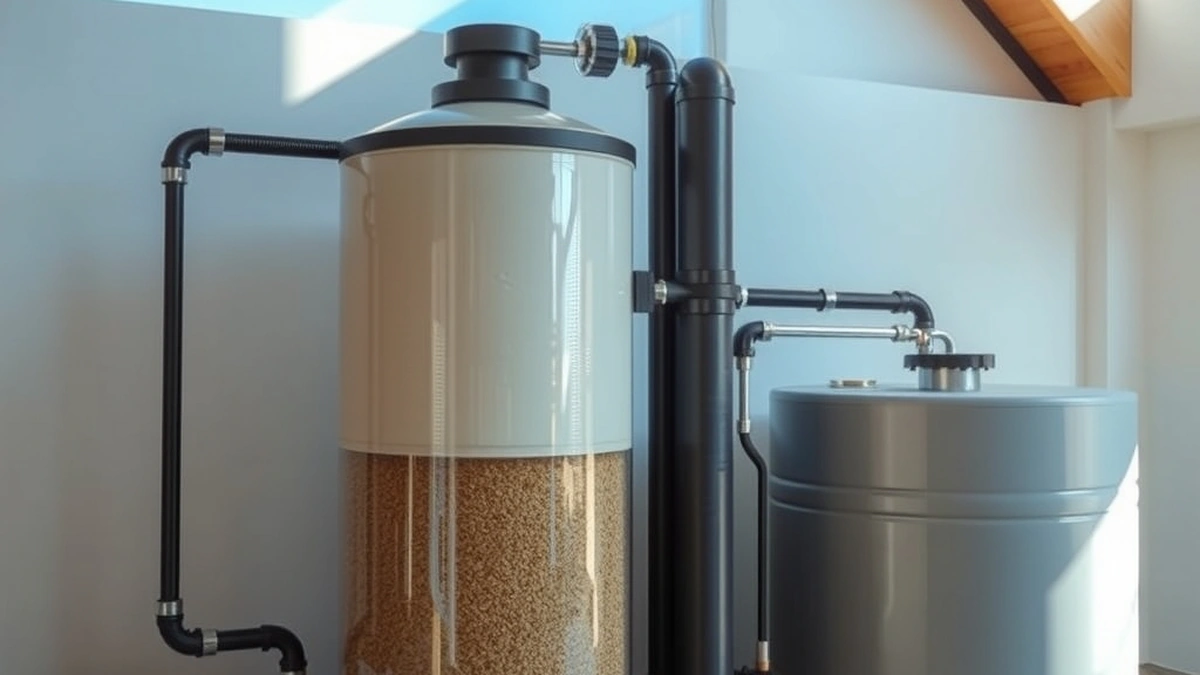
Aeration introduces air into water to convert dissolved hydrogen sulfide into a gas that can be vented outdoors. Common designs include spray aerators, tray aerators, and air-stripping tanks. After air contact, the water is usually repressurized with a pump and sent to the home.
Aeration does not require ongoing chemical purchases, which appeals to homeowners who want to avoid handling oxidants. However, the equipment needs a vent to the outside, adequate space for a tank, and periodic inspection of air valves and seals. If the water also contains iron, aeration can oxidize dissolved iron into particles that may clog fixtures or filters unless followed by sediment filtration.
Installed costs for a whole-house aeration system are typically estimated at $1,000–$3,000, depending on tank size and flow rate. Whole-house filters often handle 8–15 gallons per minute (GPM), so a system must be matched to peak household demand. Ongoing costs are mainly electricity and occasional component replacement.
Chemical Oxidation Systems
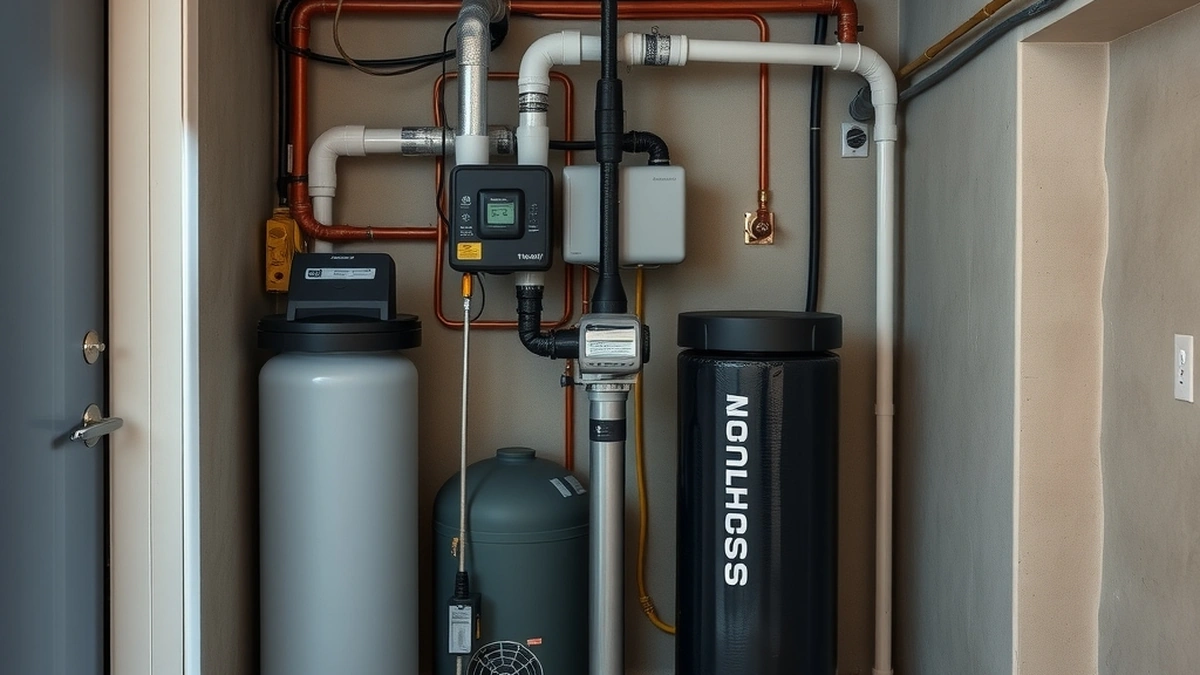
Chemical oxidation injects an oxidant—commonly chlorine, hydrogen peroxide, or potassium permanganate—into the water stream ahead of a retention tank and filter. The oxidant converts hydrogen sulfide into elemental sulfur or sulfate, which is then removed by backwashing filtration.
This approach handles a wide range of hydrogen sulfide levels and can also treat iron and manganese simultaneously. The trade-off is ongoing chemical cost and maintenance. Chemical tanks must be refilled, pumps calibrated, and filters backwashed or replaced. If chlorine is used, a carbon filter is often added afterward to remove residual chlorine and improve taste.
Installed costs for chemical oxidation systems are typically estimated at $1,200–$3,500. Chemical consumption varies widely with hydrogen sulfide levels and water use, so operating costs are harder to predict than aeration electricity. Homeowners should compare the price of peroxide or chlorine against the long-term service needs of an aeration blower or compressor.
Cost Comparison
The table below shows rough installed cost ranges and typical maintenance items. These are estimates, not quotes, and actual prices vary by region, equipment brand, and installation complexity.
| Method | Estimated Installed Cost | Ongoing Cost | Main Maintenance |
|---|---|---|---|
| Aeration | $1,000–$3,000 | Electricity, parts | Air valve, tank, pump seals |
| Chemical oxidation | $1,200–$3,500 | Chemicals, filters | Chemical refill, pump calibration, media |
For context, other whole-house treatment options fall in different price ranges. A whole-house filter generally costs $500–$1,800 installed, while whole-house reverse osmosis can run $3,000–$8,000 installed. Water softeners, which treat hardness rather than hydrogen sulfide, typically cost $1,200–$4,500 installed. More detail on equipment pricing is available at /whole-house-water-filter-cost/ and /well-water-treatment-cost/.
Sizing and Load Calculations
Treatment equipment must match both contaminant concentration and household flow. If a water test shows 1 ppm hydrogen sulfide and daily usage is 400 gallons, the daily gas load is:
400 gallons × 8.34 pounds per gallon × 1 ppm ÷ 1,000,000 ≈ 0.0033 pounds per day
That is a small mass load, but the system must still provide enough contact time to strip or oxidize the gas before water reaches fixtures. Aeration systems are often sized by air-to-water ratio and tank volume, while chemical systems are sized by injection rate and retention time. Undersized equipment will let odor break through; oversized equipment wastes money and space.
Flow rate is equally important. A whole-house system rated for 8–15 GPM may be adequate for a small home but insufficient for a larger house with simultaneous showers, laundry, and dishwashing. Peak demand, not average use, should drive the selection.
Pretreatment and Placement
Hydrogen sulfide treatment is usually installed at the point of entry, where the well line enters the home, so all plumbing fixtures receive treated water. If iron or manganese is present, a sediment filter may be needed before or after the sulfur system to protect appliances and fixtures. Water hardness should also be tested; if hardness is above 7 grains per gallon, a softener may be appropriate as a separate step. Softener equipment ranges from $600–$2,500, with installed costs of $1,200–$4,500. More information on softener pricing is at /how-much-does-a-water-softener-cost/ and /water-softener-installation-cost/.
Aeration tanks require outdoor venting, which can complicate installation in homes without an accessible exterior wall. Chemical oxidation systems need space for a solution tank and electrical access for the feed pump. Both options should be installed upstream of water heaters to reduce odor in hot water, though some homeowners also treat only the hot-water line when the problem is limited to the heater.
Choosing Between Aeration and Chemical Oxidation
Aeration tends to suit homeowners who want to avoid buying and storing chemicals and whose hydrogen sulfide levels are moderate. It works best when there is space for a tank and an outdoor vent, and when iron levels are low enough not to foul the system.
Chemical oxidation tends to suit higher hydrogen sulfide concentrations or situations where iron and manganese also need treatment. It requires a commitment to refilling chemical tanks and maintaining feed equipment, but it can handle variable water chemistry more aggressively than passive aeration.
Neither method is universally better. The right choice depends on test results, daily water use, installation constraints, and willingness to perform ongoing maintenance. Testing first and sizing second remains the most reliable way to avoid buying equipment that does not match the water chemistry.
Next, compare how much does a water softener cost, water softener installation cost, whole house water filter cost before you commit.
Frequently asked questions
What causes rotten egg smell in water?
Hydrogen sulfide gas dissolved in groundwater, often from sulfate-reducing bacteria or natural organic matter decay.
Does aeration remove hydrogen sulfide completely?
Aeration can reduce hydrogen sulfide to very low levels when sized correctly, but performance depends on contact time, flow rate, and water chemistry.
Is chemical oxidation safe for drinking water?
Chemical oxidation systems inject an oxidant and then filter or remove residual chemicals before water reaches the tap when installed and maintained properly.
How often do chemical tanks need refilling?
Refill frequency depends on hydrogen sulfide concentration, daily water use, and pump settings; many homeowners refill every few weeks to months.
Can a water softener remove hydrogen sulfide?
Water softeners are designed for hardness minerals, not dissolved hydrogen sulfide gas; they are not a substitute for sulfur treatment.
Should I test water before buying equipment?
Yes. A lab test for hydrogen sulfide, iron, manganese, pH, and hardness helps size the correct system and avoid overspending.
Sources
Some links are affiliate links.If you buy through them we may earn a commission at no extra cost to you. We do not accept payment for rankings. Read the full disclosure.