Blue-Green Stains: Corrosive Water, Not Copper Pipes Alone
Blue-green stains usually signal low-pH, corrosive water eating copper plumbing. Learn what tests to run and which treatment options fit.
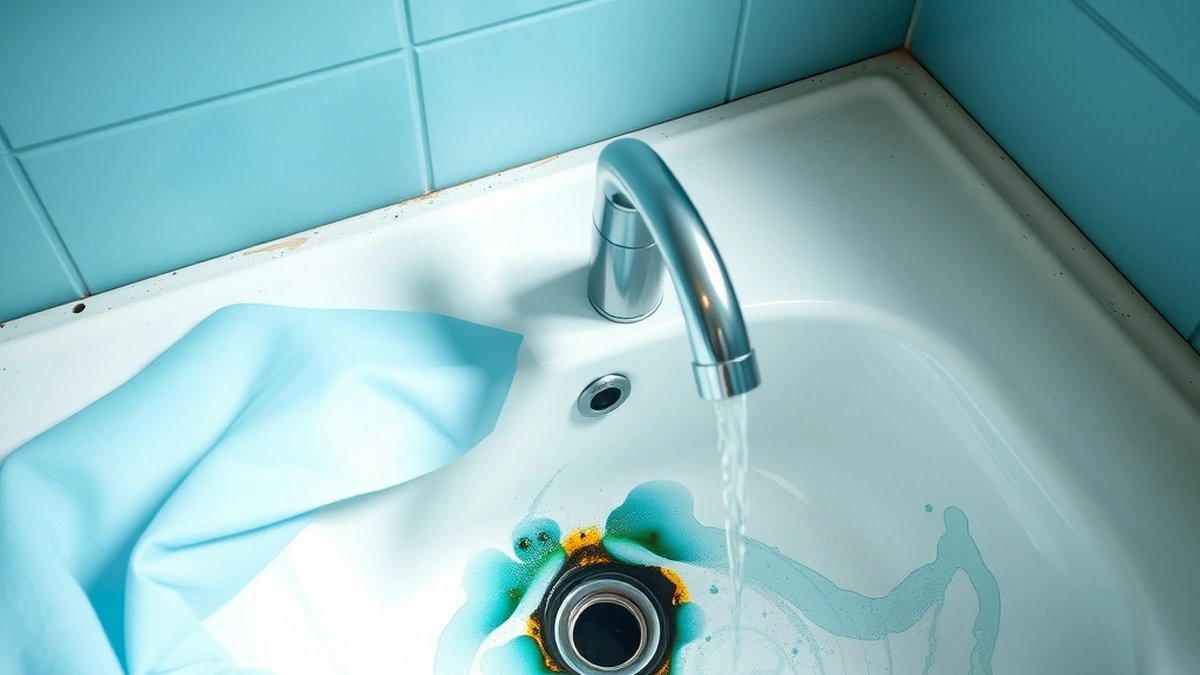
Blue-green stains come from corrosive, low-pH water dissolving copper pipes, not from the pipes alone. Test pH and alkalinity before buying equipment.
- Common cause
- Low-pH, corrosive water leaching copper
- First step
- Lab water test for pH, alkalinity, copper
- Typical fix
- Acid-neutralizing (calcite) filter or pH adjustment
- Installed cost range
- $500–$1,800 for whole-house carbon or neutralizer
Some links on this page are affiliate links.If you buy through them we may earn a commission at no extra cost to you. We do not accept payment for rankings. Read the full disclosure.
Blue-green stains on sinks, tubs, and laundry usually mean corrosive water is dissolving copper from your plumbing, not that the copper pipes are defective by themselves. Low pH and low alkalinity make water aggressive, so it leaches copper ions that later deposit as blue-green residue on fixtures. Testing the water before buying equipment is the only way to confirm the cause and size the right treatment.
What Blue-Green Stains Actually Indicate
Copper plumbing does not create stains on its own. Stains appear when water chemistry attacks the metal. The most common culprits are:
- pH below 7.0, especially below 6.5
- Low alkalinity, which offers little buffering against acidity
- Dissolved oxygen and elevated temperatures that speed corrosion
- Stray electrical current in rare cases, though chemistry is the more common factor
When corrosive water sits in copper pipes, it dissolves small amounts of copper. That copper stays in solution until the water hits air, heat, or a surface where it can precipitate, leaving blue-green or turquoise stains around drains, faucet bases, and in washing machines.
Test Before You Treat
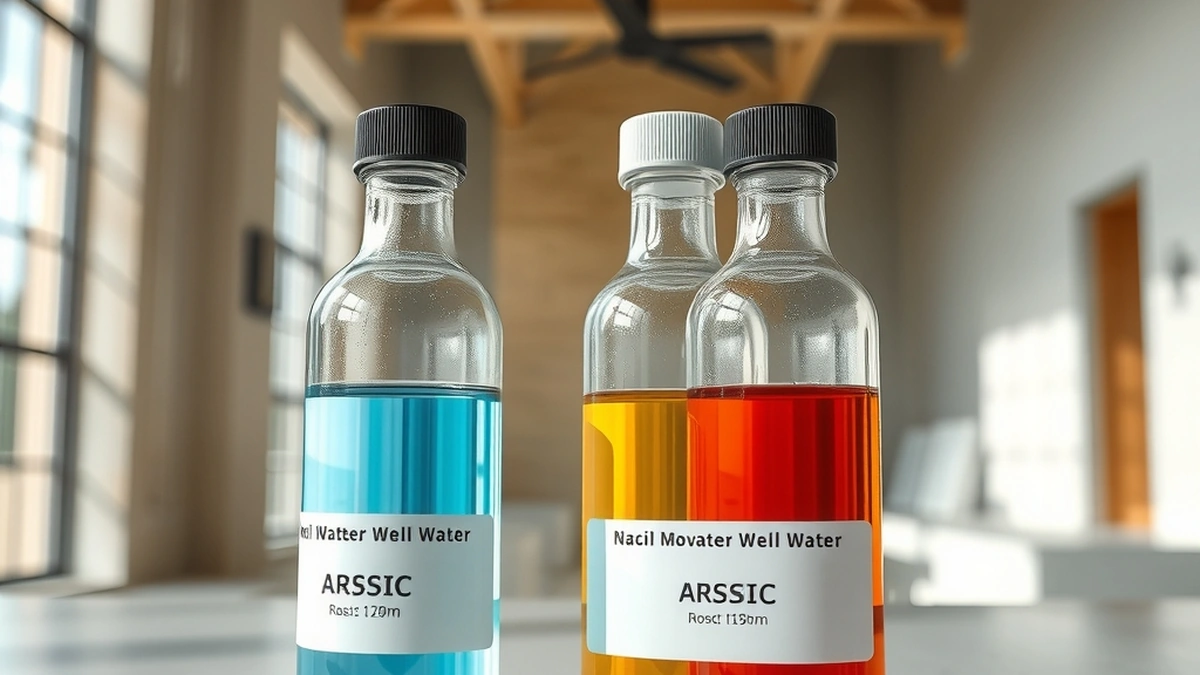
A water test comes first, equipment second. A lab test should measure pH, alkalinity, hardness, copper, and total dissolved solids. If you are on a private well, test at least annually and after any well or plumbing work. Municipal water customers can request a consumer confidence report, but a tap-specific test is still useful because corrosion can happen inside home plumbing after the water leaves the treatment plant.
Lab tests typically cost $40 to $150. Do not guess at pH based on stain color alone. Two homes with identical stains can need different equipment if one has pH 6.0 with high alkalinity and the other has pH 6.8 with almost no alkalinity.
Why Pipe Replacement Alone Usually Fails
Replacing copper with PEX or CPVC removes the source of copper, but it does not change the water. Corrosive water can still damage water heaters, faucet cartridges, and appliance components. If you repipe without fixing the water chemistry, you have spent thousands of dollars on plumbing while leaving the root cause untreated.
Copper is also not the only metal that can stain. Galvanized iron can leave reddish-brown stains, and brass fixtures can contribute to greenish discoloration under certain conditions. The stain color points toward copper, but the water test confirms whether corrosion is active.
Treatment Options for Corrosive Water
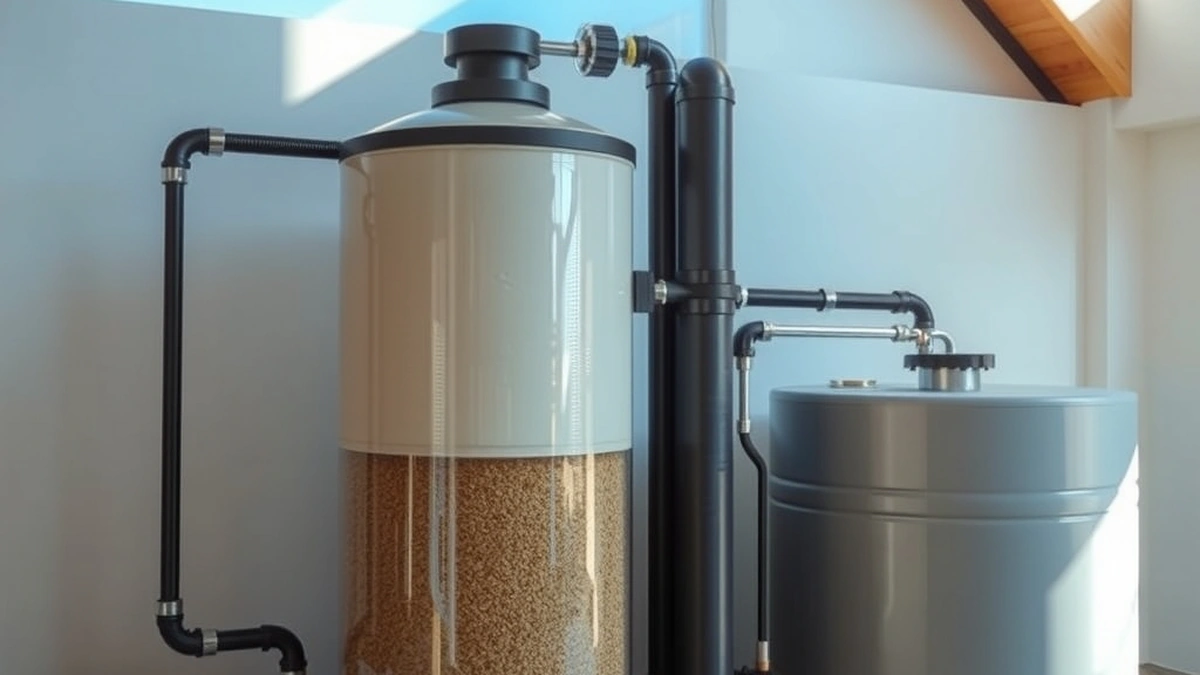
Acid-neutralizing filters are the standard whole-house approach. These tanks contain calcite (calcium carbonate) or a blend of calcite and corosex that slowly dissolves into the water, raising pH and alkalinity. As the media is consumed, it must be replenished. Whole-house neutralizers and carbon filters typically install for $500 to $1,800, depending on flow rate and tank size. For context, whole-house filter systems commonly handle 8 to 15 gallons per minute.
A sodium hydroxide or soda ash injection system can raise pH without adding hardness minerals, but it requires a feed pump, solution tank, and ongoing maintenance. This is usually reserved for very low pH or cases where calcite would push hardness too high.
If your water is also hard, a water softener may be part of the system, but it does not correct corrosive pH. Softener equipment runs $600 to $2,500, with installation adding $500 to $1,500, for a total installed range of $1,200 to $4,500. Salt costs roughly $120 to $400 per year, and resin beds cost $300 to $600 to replace every 8 to 12 years. Softener capacity ranges from 24,000 to 64,000 grains, and regeneration typically uses 8 to 12 pounds of salt per cycle. A softener can last 10 to 15 years.
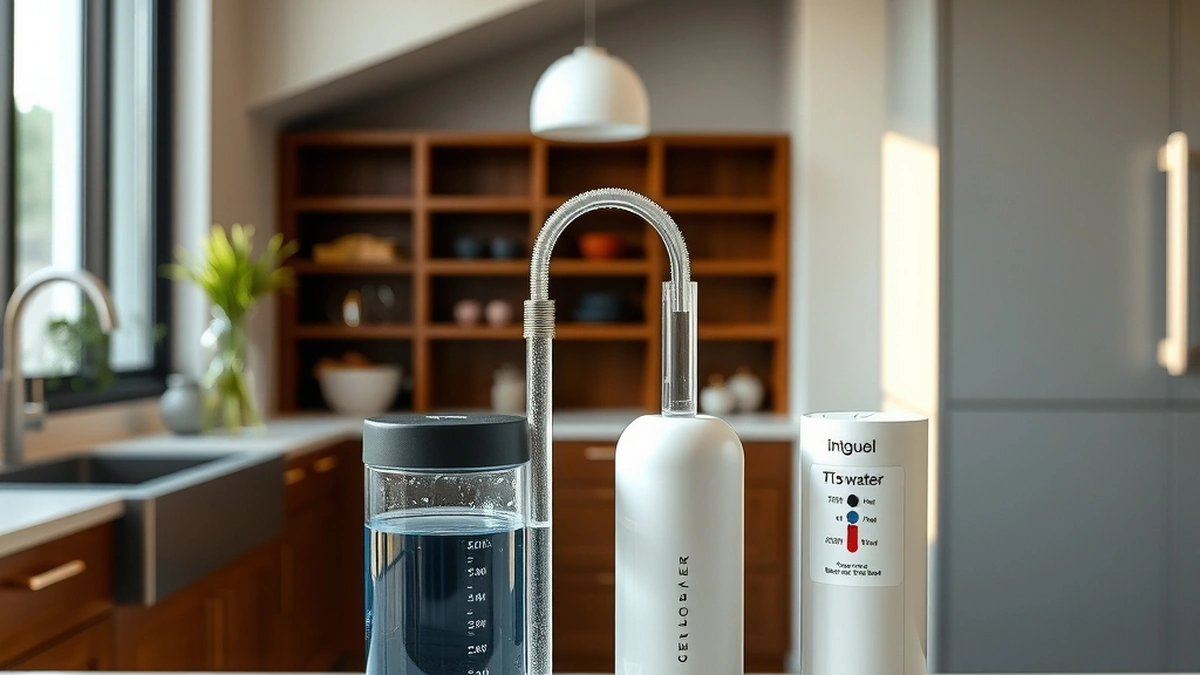
For drinking water at one tap, under-sink reverse osmersion equipment costs $200 to $600, or $300 to $900 installed. Running costs run $60 to $150 per year for membranes and filters, with membrane life of 2 to 3 years. RO systems waste roughly 3 to 4 gallons for every gallon produced and reject 80 to 95 percent of many dissolved contaminants. Whole-house RO is far more expensive, typically $3,000 to $8,000 installed, and is usually unnecessary just for stain control.
Sizing and Cost Arithmetic
Treatment sizing depends on flow rate and water chemistry. A whole-house neutralizer must handle peak flow without excessive pressure drop. If your household regularly runs two showers and a dishwasher at once, you might need a system rated for 12 to 15 gallons per minute. Undersized equipment causes pressure loss; oversized equipment wastes money and space.
Here is a simplified cost comparison for whole-house equipment:
| Equipment | Installed USD | Typical annual media or maintenance |
|---|---|---|
| Whole-house neutralizer or carbon filter | $500–$1,800 | Media replenishment varies by use |
| Water softener | $1,200–$4,500 | Salt $120–$400 per year |
| Under-sink RO | $300–$900 | $60–$150 per year |
| Whole-house RO | $3,000–$8,000 | Membrane and prefilter replacement |
Salt-free conditioners cost $500 to $1,800 installed but do not remove hardness or correct corrosive pH. Carbon filters cost $500 to $1,800 installed, with cartridges running $80 to $300 per year and replacement every 6 to 12 months. Sediment cartridges usually need replacement every 3 to 6 months.
Maintenance Expectations
Neutralizing media dissolves over time, so the tank must be topped off. How often depends on water usage and how low the starting pH is. A backwashing neutralizer also uses water during regeneration cycles, similar to a softener. If you install a chemical feed pump, you must mix and refill the solution tank on a regular schedule.
UV systems are sometimes sold alongside corrosion treatment, but they address microorganisms, not pH or copper. UV lamps need replacement every 12 months and cost $30 to $90 per lamp. They do not stop blue-green stains.
When to Call a Professional
If your test shows pH below 6.0, significant copper levels, or multiple plumbing problems, a water treatment professional can help size a neutralizer and check whether your electrical system is contributing to pipe corrosion. For well owners, the local health department or a certified lab can recommend the right sample bottles and handling steps. Equipment should match the test results, not the stain color.
Learn more about whole-house filter pricing
Frequently asked questions
What causes blue-green stains?
Blue-green stains typically form when corrosive, low-pH water dissolves copper from plumbing and deposits it on fixtures.
Should I replace my copper pipes first?
Not necessarily. New copper can stain just as fast if the water remains corrosive; test water chemistry before repiping.
Does a water softener fix blue-green stains?
A softener removes hardness minerals but does not raise pH; it will not stop corrosion-driven copper stains by itself.
How much does a whole-house filter cost installed?
Whole-house carbon or neutralizer systems typically install for $500 to $1,800, depending on flow rate and media.
How often should I test well water?
Test at least once a year for pH, alkalinity, and metals, and again after any plumbing or well work.
Will reverse osmosis remove copper at the tap?
Under-sink RO can reduce dissolved copper at one faucet, but it does not treat corrosive water throughout the house.
Sources
Some links are affiliate links.If you buy through them we may earn a commission at no extra cost to you. We do not accept payment for rankings. Read the full disclosure.