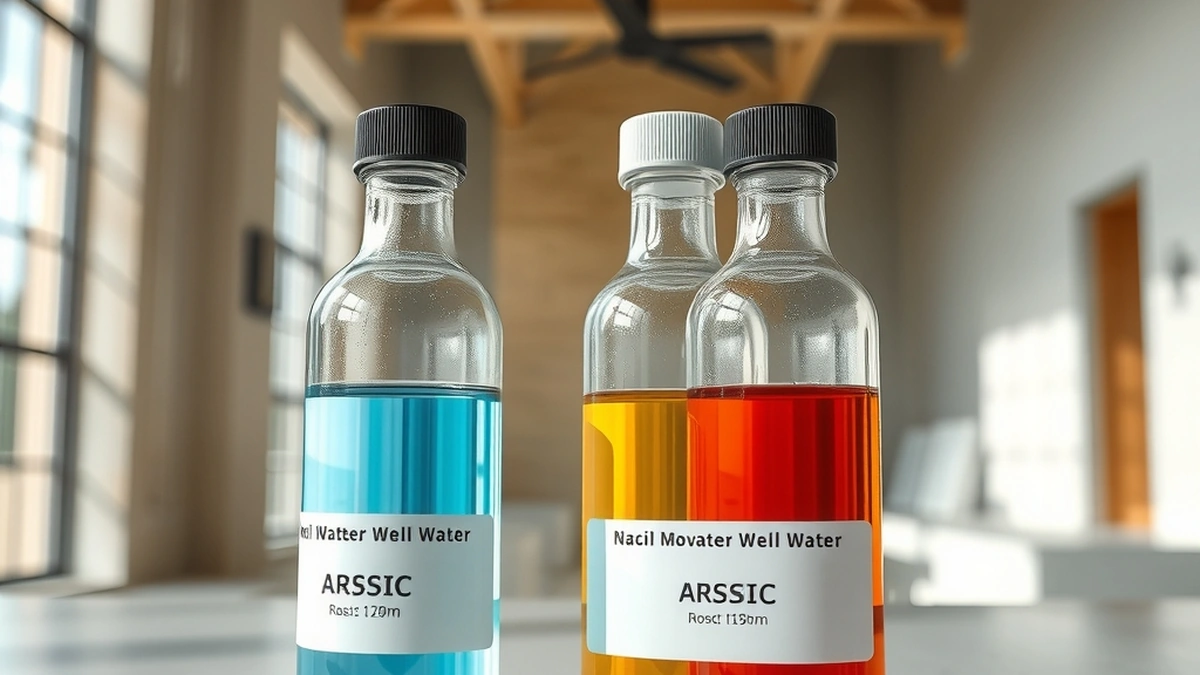
Sediment in Well Water: Filters and the Real Cause
Why well water carries sand, silt, and rust, how sediment filters work, and what equipment actually costs to install and run.
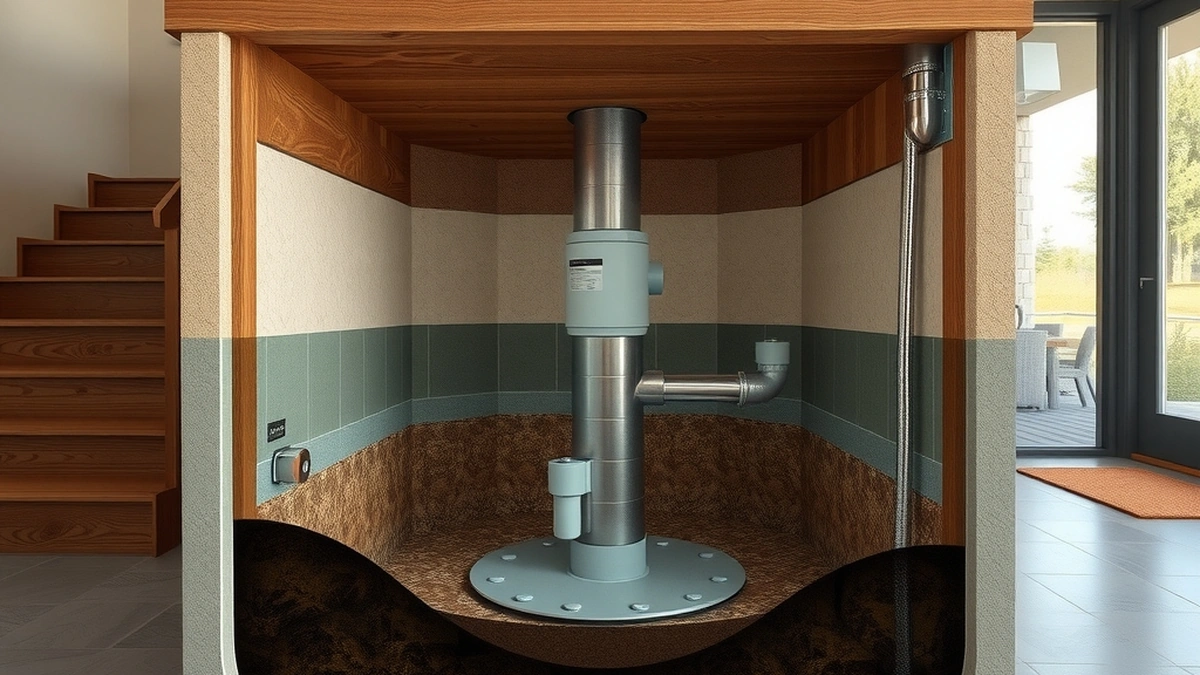
Sediment in well water usually comes from a failing well screen, disturbed aquifer, or corroded plumbing. A whole-house sediment filter traps particles but does not fix the source.
- Common sediment types
- Sand, silt, clay, rust flakes, scale particles
- Whole-house filter flow
- 8-15 GPM
- Sediment cartridge life
- 3-6 months
- Whole-house filter installed
- $500-$1,800
- Lab water test
- $40-$150
Some links on this page are affiliate links.If you buy through them we may earn a commission at no extra cost to you. We do not accept payment for rankings. Read the full disclosure.
Sediment in well water means visible particles such as sand, silt, clay, or rust flakes coming out of the tap. The real cause is usually a well construction issue or deteriorating plumbing, not the aquifer itself. A sediment filter removes the particles, but it does not repair the source.
Why Well Water Carries Sediment
Private wells draw groundwater through a screen or open borehole. If the well screen is torn, the casing is corroded, or the pump sits too low in the aquifer, sand and silt can enter the distribution system. Older galvanized steel plumbing can also contribute rust flakes. A sudden increase in sediment often follows heavy pumping, a nearby construction vibration event, or a drop in the water table.
The first step is a laboratory water test, which typically costs $40-$150. A test can measure turbidity, iron, manganese, hardness, and total dissolved solids. It will not always identify the physical source of sediment, so pair it with a well inspection that checks pump depth, screen condition, and drawdown.
What a Sediment Filter Actually Does
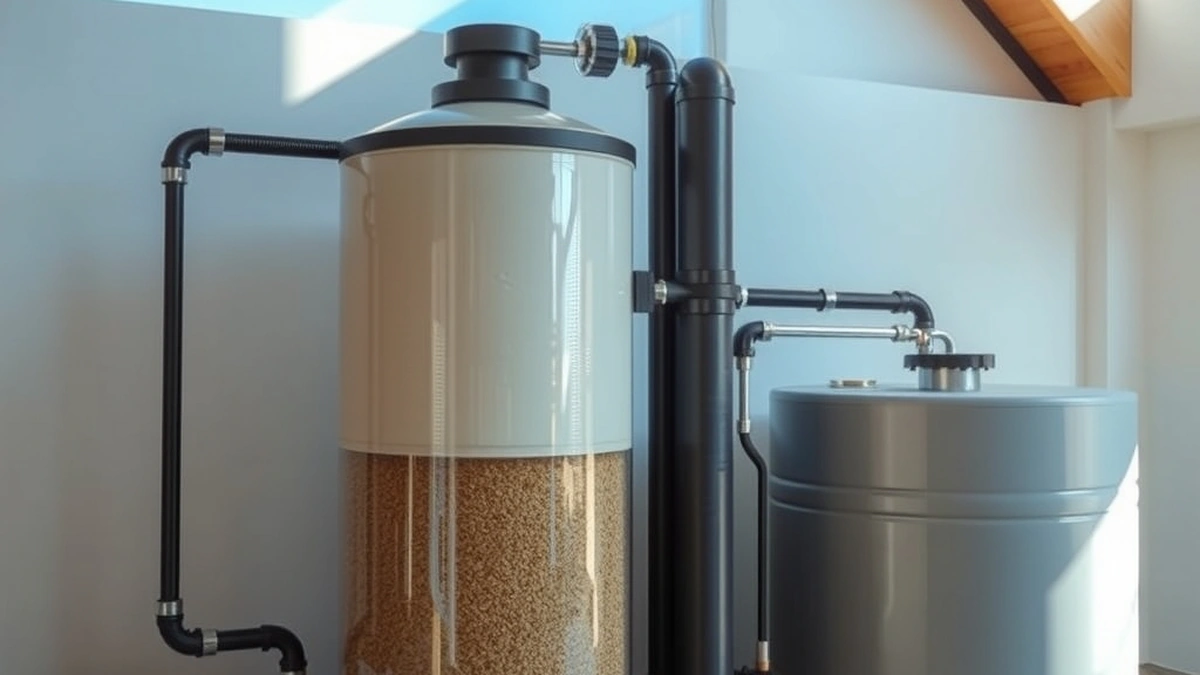
A whole-house sediment filter is installed at the point of entry, before the water heater, softener, or other treatment equipment. Typical flow rates range from 8-15 GPM, which is sufficient for most single-family homes. Cartridges are rated by micron size; a 50-micron cartridge traps coarse sand, while a 5-micron cartridge catches finer silt but clogs faster.
Sediment cartridges generally last 3-6 months. If a household uses 300 gallons per day and the cartridge captures a moderate particle load, pressure drop will become noticeable within that window. Replacement cartridges are inexpensive compared with equipment, but labor and water waste during changes add up over time.
Installing sediment filtration ahead of a water softener protects the resin bed. Softener equipment costs $600-$2,500, with installed costs of $1,200-$4,500. Resin rebeds run $300-$600 and are typically needed every 8-12 years. Letting sand scour the resin shortens that interval and increases salt use, which is already $120-$400 per year for most households.
The Real Cause Is Usually Mechanical
Filters treat the symptom, not the cause. If sediment appears after the well has run clear for years, the likely culprit is a failed well screen, a dropped pump, or a leaking casing joint. Iron bacteria can also create reddish-brown sludge that looks like sediment but is biological. Treating with a filter alone means continuously replacing cartridges while the well continues to deteriorate.
A well professional can run a camera inspection or a flow test to confirm whether the issue is mechanical. Repairing or replacing a well screen, resealing the casing, or raising the pump may cost more upfront than a filter, but it stops the particle load at the source. Without that step, any filter is a recurring expense rather than a solution.
Equipment Costs and Load Math
Here are representative installed costs and operating figures for common well water equipment:
| Equipment | Installed Cost | Typical Maintenance |
|---|---|---|
| Whole-house sediment/carbon filter | $500-$1,800 | Cartridges every 3-6 months |
| Water softener | $1,200-$4,500 | Salt $120-$400/year; resin rebed $300-$600 |
| Iron filter | $800-$2,500 | Media replacement varies |
| Whole-house RO | $3,000-$8,000 | Membrane every 2-3 years; high waste ratio |
| Under-sink RO | $300-$900 installed | $60-$150/year running cost |
For example, a softener with 32,000-grain capacity treating water at 10 grains per gallon removes 3,200 grains per cubic foot of resin before regeneration. If the system uses 10 pounds of salt per regeneration and regenerates twice per week, annual salt use is roughly 1,040 pounds. At bulk salt prices, that lands near the top of the $120-$400 yearly range. Sediment in the resin bed increases backwash frequency and can push salt consumption higher.
A whole-house filter with an 8-15 GPM rating should match the pump’s peak flow. Undersizing causes pressure loss at showers and appliances; oversizing wastes money on a larger vessel without improving particle removal.
Where Reverse Osmosis Fits
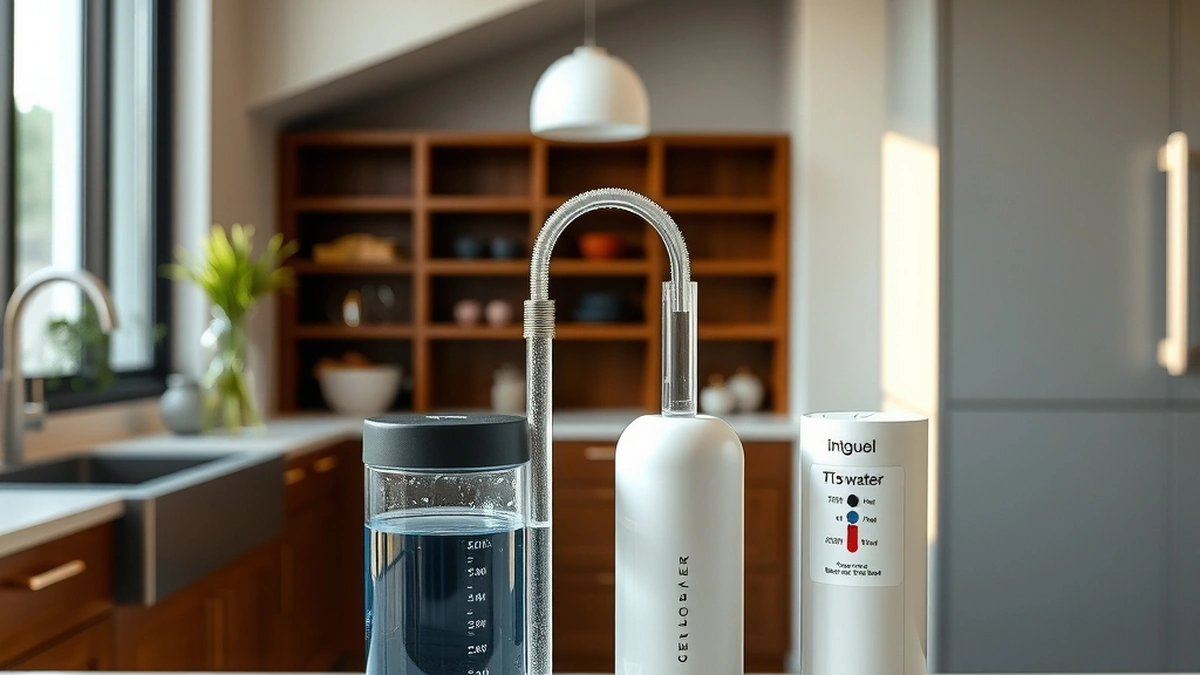
Reverse osmosis is not a sediment solution for the whole house. Under-sink RO equipment costs $200-$600, with installed costs of $300-$900. Running costs are $60-$150 per year, and membranes last 2-3 years. Rejection rates run 80-95 percent for many dissolved contaminants, but RO waste ratios of 3-4:1 make whole-house RO impractical for sediment-heavy well water. Whole-house RO systems cost $3,000-$8,000 installed and require pretreatment to protect the membranes.
Use RO only for drinking and cooking water after sediment, iron, and hardness have been addressed. It polishes water at a single tap; it does not protect plumbing, water heaters, or appliances from sand and silt.
UV and Other Add-Ons
If the well test shows bacteria, a UV system may be appropriate. UV lamps last 12 months and cost $30-$90 to replace. UV does not remove sediment, and turbid water can shield microorganisms from the light. Sediment filtration must come before UV for the system to perform as rated.
Carbon filters cost $500-$1,800 installed, with cartridges at $80-$300 per year and replacement every 6-12 months. Carbon improves taste and chlorine but is not a primary sediment barrier unless it is a combined sediment-carbon cartridge.
Build the Treatment Sequence
The correct order for sediment-heavy well water is:
- Test the water at a certified lab ($40-$150).
- Inspect the well and pump for screen or casing failure.
- Repair the well if sediment is entering from the source.
- Install a whole-house sediment filter sized to pump flow.
- Add softening, iron removal, or carbon only after sediment is controlled.
- Use under-sink RO for drinking water if dissolved contaminants remain.
This sequence avoids the common mistake of buying a softener or RO system first and watching it fail prematurely because sand destroyed the resin or fouled the membrane.
For more on equipment pricing, see our guides on whole-house water filter cost, water softener installation cost, and reverse osmosis system cost.
Next, compare how much does a water softener cost, water softener installation cost, whole house water filter cost before you commit.
Frequently asked questions
What causes sediment in well water?
Sediment often comes from a damaged well screen, a collapsing aquifer zone, or rusted well casing and plumbing. A water test and well inspection help identify the source.
Will a water softener remove sediment?
No. A softener removes hardness minerals like calcium and magnesium, not sand, silt, or rust particles. Install sediment filtration ahead of any softener.
How often do sediment cartridges need replacement?
Typical pleated or spun-poly sediment cartridges last 3-6 months, depending on particle load and household water use.
Can sediment damage a water heater?
Yes. Sand and silt can settle in the tank and reduce heating efficiency. Flushing the heater and installing pre-filtration can limit buildup.
Does reverse osmosis remove sediment?
RO membranes can reject fine particles, but they are not designed as primary sediment filters. Sediment will foul an RO membrane without pre-filtration.
How much does a whole-house sediment filter cost?
Installed whole-house filtration typically runs $500-$1,800, with replacement cartridges adding ongoing cost every 3-6 months.
Sources
Some links are affiliate links.If you buy through them we may earn a commission at no extra cost to you. We do not accept payment for rankings. Read the full disclosure.