Can You Drink Softened Water?
A numbers-first look at sodium levels, safety, and alternatives for drinking water from a home softener.
Yes, softened water is generally safe to drink for most healthy adults, but it adds sodium and may not be ideal for infants or sodium-restricted diets.
- Typical added sodium per quart
- ~75–150 mg (varies by hardness)
- Softener equipment cost
- $600–$2,500
- Installed softener cost
- $1,200–$4,500
- Annual salt cost
- $120–$400
- RO under-sink installed cost
- $300–$900
Some links on this page are affiliate links.If you buy through them we may earn a commission at no extra cost to you. We do not accept payment for rankings. Read the full disclosure.
Yes, you can drink softened water. For most healthy adults, water from a properly maintained ion-exchange softener is potable. The trade-off is sodium: softening trades hardness minerals for sodium ions, so the amount added depends on how hard your water is to begin with.
If you are on a sodium-restricted diet, preparing infant formula, or simply prefer untreated drinking water at the tap, a softener alone may not be the right final step. Below is a breakdown of what softening does, what it costs, and what options exist for drinking water.
How a Softener Changes Water
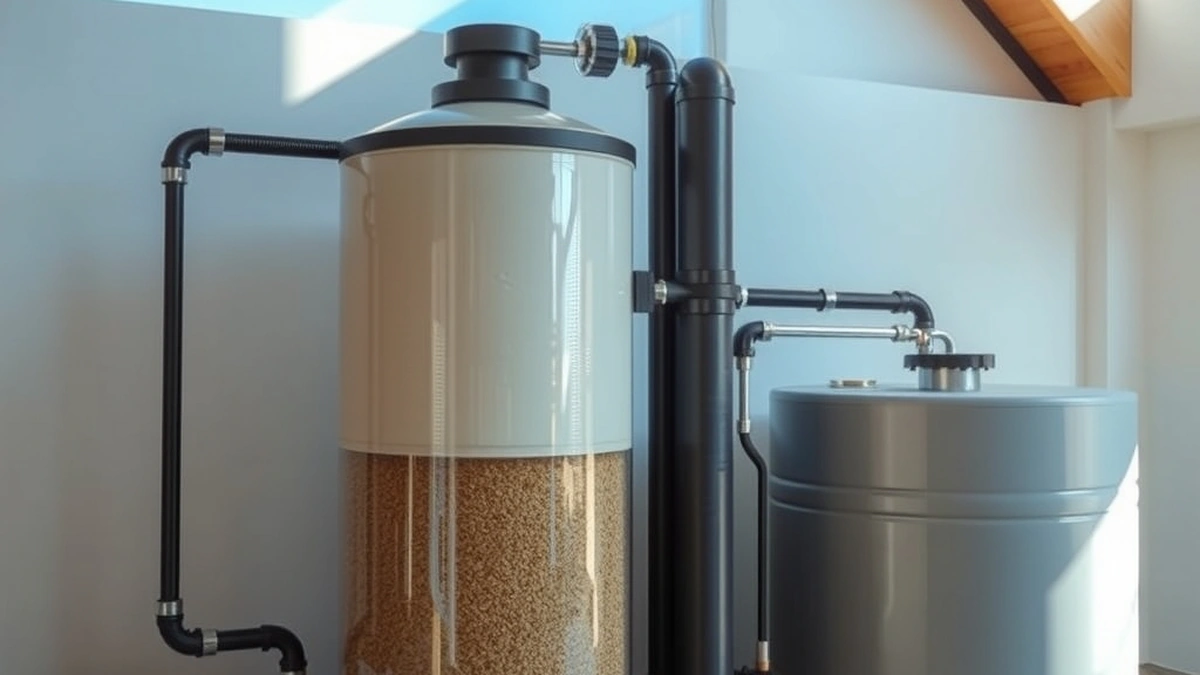
A standard water softener uses resin beads charged with sodium ions. As hard water passes through, calcium and magnesium ions attach to the resin and sodium ions are released into the water. The resin eventually saturates and regenerates with a brine solution, typically using 8–12 pounds of salt per regeneration.
The sodium added is directly tied to your water hardness. As a general estimate, each grain per gallon (gpg) of hardness removed adds roughly 7.5–8 mg of sodium per quart of water.
Example calculation:
- Water hardness: 10 gpg
- Softener removes: 10 gpg
- Estimated sodium added: 10 × 7.5 to 8 = 75–80 mg per quart
If your water is 20 gpg, the estimate rises to roughly 150–160 mg per quart. For context, a slice of bread often contains 100–150 mg of sodium, but dietary needs vary, and this is an estimate, not a medical recommendation.
Softening does not filter out bacteria, nitrate, lead, pesticides, or chlorine byproducts. If your water has other contaminants, a softener will not address them. A lab water test ($40–$150) is the first step to know what is actually in your water before buying equipment.
Cost and Capacity Numbers
Residential softeners are sized by grain capacity, typically 24,000–64,000 grains. Installed costs and ongoing expenses are worth comparing before installation.
| Item | Estimated Cost |
|---|---|
| Softener equipment | $600–$2,500 |
| Installation | $500–$1,500 |
| Total installed | $1,200–$4,500 |
| Salt per year | $120–$400 |
| Resin rebed | $300–$600 |
| Expected equipment life | 10–15 years |
| Resin life | 8–12 years |
Salt usage depends on household water consumption and hardness. A family using 300 gallons per day with 10 gpg hardness removes about 3,000 grains of hardness daily. A 32,000-grain system might regenerate every 10–12 days, using roughly 8–12 pounds of salt each time. Over a year, that can be several hundred pounds of salt, landing in the $120–$400 annual range depending on local salt prices and regeneration frequency.
For more detail on pricing, see /how-much-does-a-water-softener-cost/ and /water-softener-installation-cost/.
Who Should Be Cautious
Softened water is not poison, but it is not neutral for everyone. The added sodium is the primary consideration.
- Infants: Formula mixed with softened water adds sodium to a diet that is already carefully balanced. Pediatric guidance often suggests using unsoftened or low-sodium water for infant formula.
- Sodium-restricted diets: People managing blood pressure or kidney conditions may need to account for the extra sodium from softened drinking water.
- Taste: Some people notice a slightly flat or salty taste, especially with very hard water that requires more salt during regeneration.
None of this means softened water is unsafe for the general population. It means the drinking-water tap may deserve separate treatment if you want to avoid the sodium addition.
Drinking-Water Options Alongside a Softener
If you keep the softener for plumbing and appliance protection but want untreated drinking water at the kitchen tap, three common setups exist.
1. Dedicated Hard-Water Tap
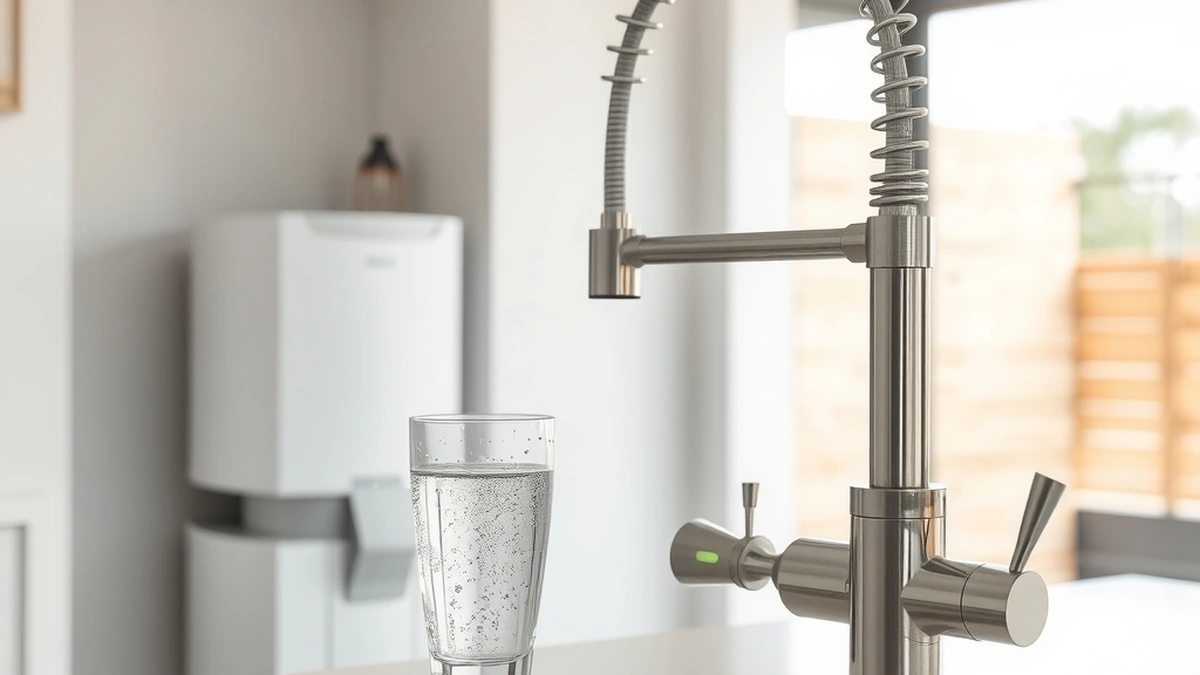
Many installations run a bypass line to the kitchen sink so the drinking-water tap receives unsoftened water. This is usually the lowest-cost option during installation and preserves the original mineral content for drinking and cooking. It does not remove other contaminants, so it is only appropriate if your water test shows acceptable baseline quality.
2. Under-Sink Reverse Osmosis
An RO system installed at the kitchen sink can reduce sodium, dissolved solids, and many other contaminants from softened water. Typical numbers:
- Equipment: $200–$600
- Installed: $300–$900
- Annual running cost: $60–$150
- Membrane life: 2–3 years
- Waste ratio: 3–4 gallons wasted per gallon produced
- Rejection rate: 80–95 percent, depending on contaminant and system
RO is effective at reducing sodium, but it wastes water and requires filter and membrane changes. See /reverse-osmosis-system-cost/ for installed pricing detail.
3. Whole-House Filter or Conditioner
Salt-free conditioners ($500–$1,800 installed) do not remove hardness minerals or add sodium, but they also do not produce soft water in the ion-exchange sense. Carbon filters ($500–$1,800 installed, cartridges $80–$300 per year) reduce chlorine and some organics but do not remove sodium or hardness. Neither replaces a softener if your goal is scale protection throughout the house.
For broader filtration context, see /whole-house-water-filter-cost/.
Maintenance Reality
A softener only behaves predictably if maintained. Resin beds last 8–12 years and rebedding costs $300–$600. Salt tanks need refilling, and brine tanks should be cleaned periodically. If the system malfunctions or the bypass valve leaks, you could end up with hard water at the softener tap or salty water at the drinking tap.
Test your water after installation and periodically afterward to confirm hardness is actually being reduced and that sodium levels are where you expect them. A lab test costs $40–$150 and is cheaper than guessing.
Bottom Line
You can drink softened water, and most healthy adults do so without issue. The added sodium is the main variable, and it scales with your water hardness. If you prefer to avoid it—for infants, medical diets, or taste—install a dedicated hard-water tap or an under-sink RO system for drinking and cooking. Start with a water test, size the softener by grain capacity and household use, and treat equipment and installation costs as long-term numbers, not a one-time price.
Next, compare how much does a water softener cost, water softener installation cost, whole house water filter cost before you commit.
Frequently asked questions
Is softened water safe to drink?
For most healthy adults, yes. The main change is added sodium from the ion-exchange process, which varies with your water hardness.
Does softening remove contaminants?
No. A softener targets hardness minerals like calcium and magnesium; it does not remove bacteria, nitrate, lead, or other drinking-water contaminants.
How much sodium does softening add?
Roughly 75–150 mg per quart, depending on starting hardness. Very hard water adds more sodium than moderately hard water.
Can babies drink softened water?
Infants and people on sodium-restricted diets should consult a doctor before regularly drinking softened water because of the added sodium.
Does a softener need a water test first?
Yes. A lab test ($40–$150) confirms hardness, iron, and other conditions so you size the equipment correctly.
What removes sodium from softened water?
Reverse osmosis can reduce sodium and dissolved solids. Under-sink RO typically costs $300–$900 installed and runs $60–$150 per year.
Sources
Some links are affiliate links.If you buy through them we may earn a commission at no extra cost to you. We do not accept payment for rankings. Read the full disclosure.