How to Test for Bacteria in Water: Sampling Rules
A bacteria test needs a sterile bottle, a clean tap, and fast delivery. See what coliform and E. coli mean and how to avoid a false result.
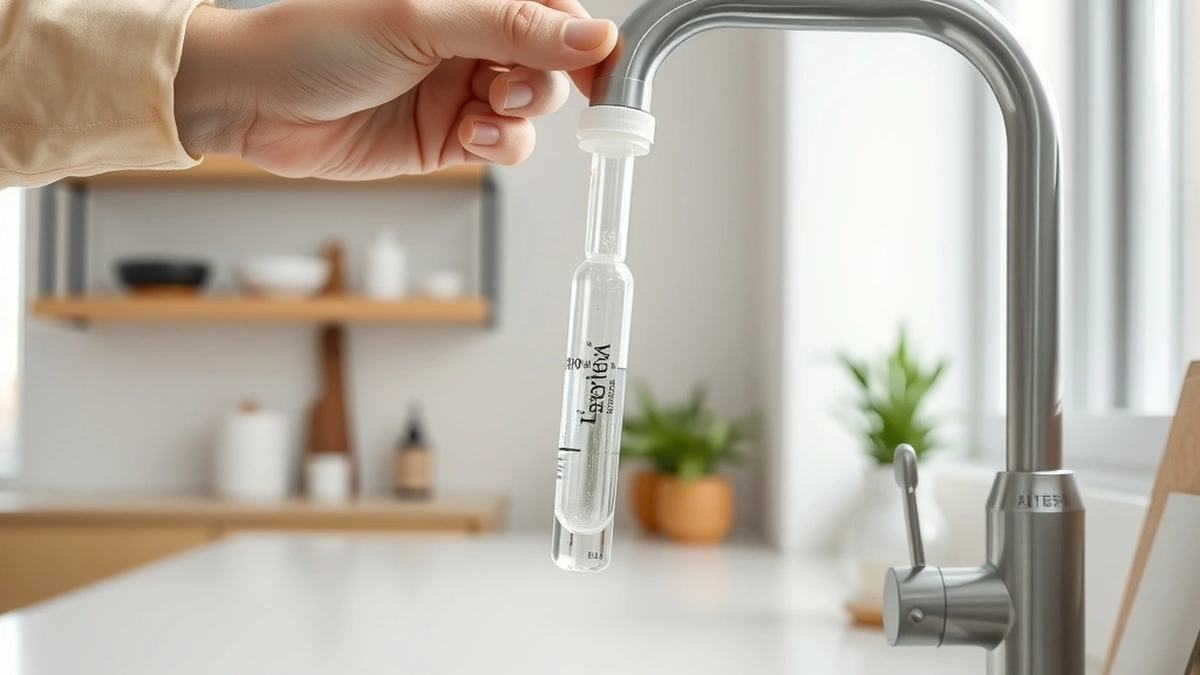
A bacteria test uses a sterile bottle from a certified lab, filled from a clean cold tap and delivered within the holding time. It reports total coliform and E. coli, costs $20 - $50, and should run every year on a private well.
- Lab test cost
- $20 - $50
- Holding time
- 24 - 48 hours
- Sample tap
- Cold, after flushing
- Results
- Presence or absence
- Retest after shock
- 7 - 10 days
Some links on this page are affiliate links.If you buy through them we may earn a commission at no extra cost to you. We do not accept payment for rankings. Read the full disclosure.
A bacteria test is only as good as the sample. A sterile bottle, a clean tap, and prompt delivery decide whether the result means anything. The test itself costs $20 - $50 and reports whether coliform bacteria are present.
What the Test Measures
Total coliform is a group of bacteria that includes organisms from soil, plants, and the intestines of warm-blooded animals. Their presence in a well suggests that surface water or soil is getting in.
E. coli is a subset of coliform that comes specifically from fecal material. A positive E. coli result is the more serious finding and calls for immediate action.
The test reports presence or absence rather than a count. That is enough to decide whether to treat, and it is the standard used for real-estate transactions.
Getting the Bottle
Use the lab’s sterile bottle. A rinsed jar from the kitchen contains residual bacteria and detergent, and it will produce a false result in either direction.
Most labs provide the bottle with a preservative and instructions. Note the holding time, usually 24 - 48 hours, and plan to deliver within it.
If the lab is closed on weekends, collect the sample on a weekday morning. A sample that sits in a warm car for two days is not a valid test.
Taking the Sample
- Remove the aerator from the tap with pliers or by hand.
- Disinfect the tap with an alcohol wipe or a diluted bleach solution.
- Run the cold water for 3 - 5 minutes to clear the line.
- Open the sterile bottle without touching the inside of the cap.
- Fill to the line, leaving the prescribed headspace.
- Cap immediately and label with the date and tap.
- Deliver to the lab within the holding time.
Do not sample through a filter, softener, or UV unit. The point is to test the raw water reaching the house, and treatment devices change the result.
Reading the Result
A “absent” result means no coliform were detected in that sample. It is a snapshot, not a guarantee, which is why the test repeats annually.
A “present” total coliform result means the well needs attention: inspect the cap and casing, check the grout, and shock chlorinate.
A “present” E. coli result means fecal contamination. Stop drinking the water, shock chlorinate, and retest. If it recurs, the well needs a professional inspection.
Why False Results Happen
| Cause | Effect | Fix |
|---|---|---|
| Dirty bottle | False positive | Use the lab bottle |
| Touched cap interior | False positive | Handle by the outside |
| Sampled through a filter | False negative | Sample raw water |
| Old sample | Variable | Deliver within holding time |
| Recent shock chlorination | False negative | Wait 7 - 10 days |
| Leaky cap in transit | False positive | Keep upright, deliver promptly |
The most common false negative is sampling too soon after shock chlorination. Chlorine residual suppresses the culture, and the well looks clean before the treatment has finished.
Testing After Treatment
Wait until the chlorine residual has cleared, usually 7 - 10 days, then sample again. A second sample at 30 days confirms the result.
If the retest is positive, do not shock a third time without inspecting the well. Recurring contamination usually means a casing, cap, or grout problem that chlorine cannot fix.
How Often to Test
Test once a year on a private well, ideally in the same season each time. Spring or after heavy rain is a useful moment because contamination is most likely then.
Test again after any work on the well, after a flood, if the water changes color or odor, and before buying or selling a home.
A household with a UV system should still test annually. The lamp is a barrier, not a guarantee, and a failed lamp or a fouled sleeve can let bacteria through.
What to Do With a Positive Result
- Stop drinking the water and use bottled or boiled water.
- Inspect the well cap, casing, and ground grading.
- Shock chlorinate the well and plumbing.
- Flush until the chlorine clears.
- Retest at 7 - 10 days and again at 30 days.
- If positive again, call a well contractor.
A typical report lists the sample date, the tap location, the method, and a presence or absence result for total coliform and E. coli. Some labs add a heterotrophic plate count, which is a general measure of bacterial numbers.
The plate count is not a regulatory result, and a high count alone does not mean the water is unsafe. It does indicate that the system supports bacterial growth, which is worth investigating if it trends upward.
Read the method line. A lab using a standard membrane filtration or presence/absence method is reporting a recognized result; a kit with a color change is a screen, not a certified test.
Real-estate transactions often require a bacteria test within a set window before closing, and some lenders require it for a mortgage on a home with a private well.
New well construction requires a test after completion and again after the chlorine clears. A driller should provide the first result.
Some states require testing for rental properties or for food service establishments. Check the local health department rules rather than assuming the annual household test is enough. When in doubt, ask the lab which panel the jurisdiction expects, because a test that does not match the required method may have to be repeated.
For the treatment options, see bacteria in water treatment. For the shock process, see shock chlorinate well. For the annual panel, see water tests for wells.
Frequently asked questions
How do I test well water for bacteria?
Get a sterile bottle from a certified lab, remove the aerator, disinfect the tap, run the water, fill the bottle, and return it within the holding time.
What does a coliform positive result mean?
It means coliform bacteria were detected, which suggests surface water or soil may be entering the well. It calls for inspection, shock chlorination, and a retest.
How much does a bacteria test cost?
Typically $20-$50 at a certified lab, and often less when bundled with a nitrate or full well panel.
Can I test for bacteria with a home kit?
Some presence/absence kits exist, but a certified lab is the standard for a legal or real-estate test and for confirming that a shock treatment worked.
Why did my sample come back positive twice?
Repeat positives point to a persistent source: a compromised casing, a loose cap, or contamination in the plumbing. A third shock without a repair is unlikely to help.
How long after shocking can I retest?
Wait until the chlorine residual has cleared completely, usually 7-10 days, then sample. Testing too soon gives a false negative.
Sources
Some links are affiliate links.If you buy through them we may earn a commission at no extra cost to you. We do not accept payment for rankings. Read the full disclosure.