Chlorine in water treatment options
How to remove chlorine and chloramine from drinking water, which carbon media work, and where the filter belongs in the system.
Chlorine is removed with activated carbon, either a carbon block at a tap or a whole-house carbon filter at $500 to $1,800 installed. Chloramine needs catalytic carbon, and neither is removed by sediment filters or UV.
- Carbon filter installed
- $500 - $1,800
- Cartridges per year
- $80 - $300
- Cartridge life
- 6 - 12 months
- Chloramine media
- Catalytic carbon
- Water test
- $40 - $150
Some links on this page are affiliate links.If you buy through them we may earn a commission at no extra cost to you. We do not accept payment for rankings. Read the full disclosure.
Chlorine is removed with activated carbon. A whole-house carbon filter costs $500 to $1,800 installed and treats every tap, while an under-sink carbon block treats drinking water at one faucet. Chloramine, used by some utilities instead of chlorine, needs catalytic carbon because standard carbon removes it too slowly.
Why chlorine is in the water
Municipal systems add chlorine to keep water microbiologically safe as it travels through mains and storage. It is a deliberate treatment, not a contaminant.
The reasons to remove it at home are taste, odour, and equipment protection. Chlorine affects the taste of drinking water and can degrade some filter media and resin if it reaches them.
Chloramine is a compound of chlorine and ammonia used by some utilities to maintain a residual for longer. It is harder to remove than free chlorine.
Media that work
| Media | Removes chlorine | Removes chloramine | Notes |
|---|---|---|---|
| Granular activated carbon | Yes | Slowly | Common in whole-house tanks |
| Carbon block | Yes | Limited | Common under sink |
| Catalytic carbon | Yes | Yes | Specified for chloramine |
| Sediment filter | No | No | Particles only |
| UV | No | No | Disinfection only |
A sediment filter before the carbon protects the carbon from grit. A carbon filter before a softener protects the resin from chlorine, which extends its life. Putting carbon after the softener protects nothing and shortens the cartridge’s life with hardness and sediment.
Whole-house versus point-of-use
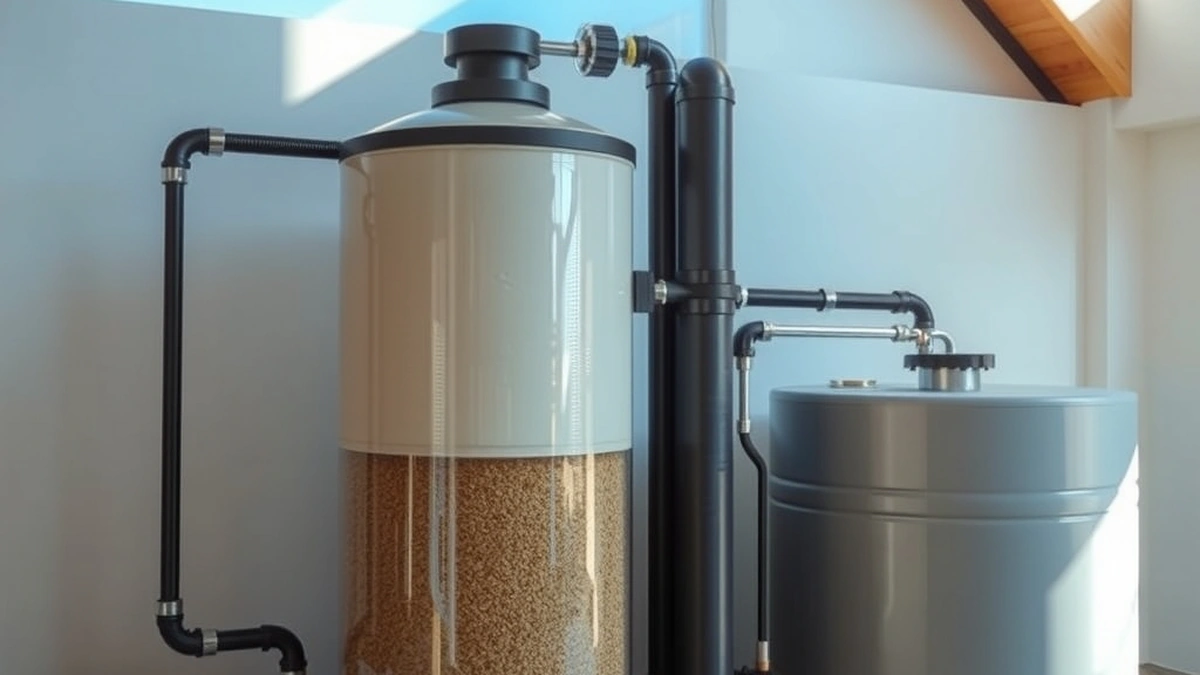
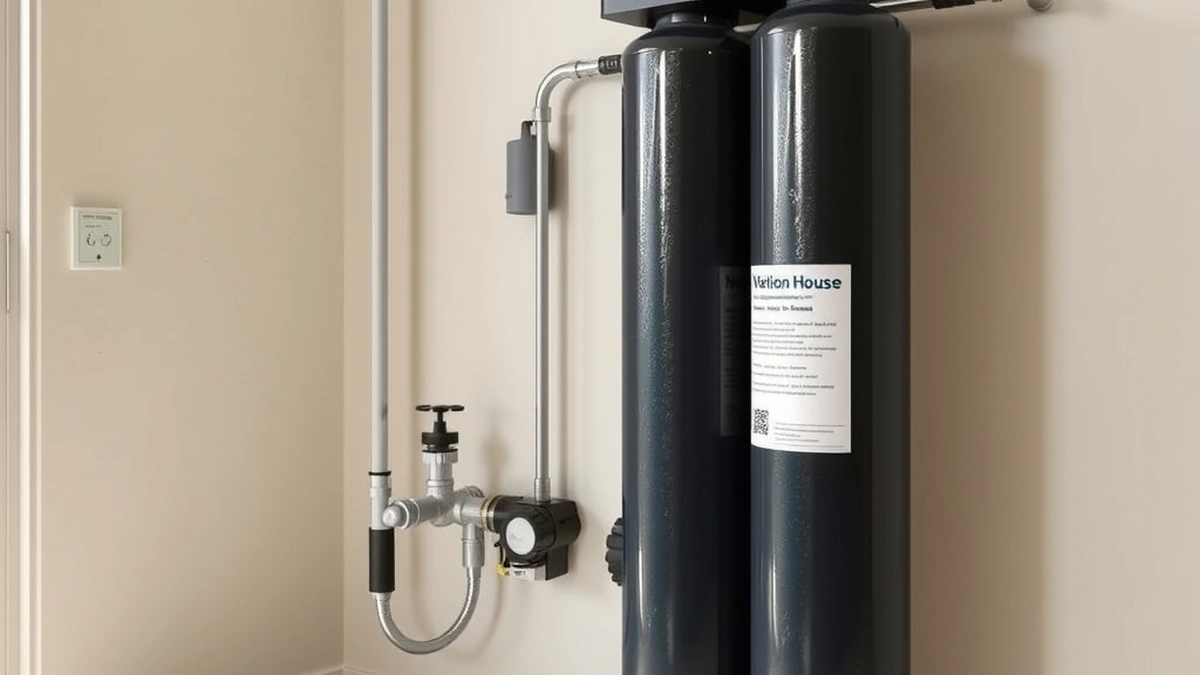
A whole-house carbon filter treats every tap and protects the softener, the water heater, and the plumbing. It costs $500 to $1,800 installed, with cartridges at $80 to $300 per year.
An under-sink carbon block treats drinking and cooking water at one faucet. It costs less and uses smaller cartridges, but it does nothing for the shower or the softener.
A shower filter is a point-of-use device for chlorine at one fixture. It is useful for odour, and it does not protect the rest of the system. A household with a softener and a carbon block under the sink is covering the two places where chlorine matters most.
Chloramine specifics
Chloramine requires a longer contact time and a more reactive media. Catalytic carbon is the standard choice, and it costs more than standard carbon. A standard carbon tank may reduce the taste a little and then exhaust in weeks, which looks like a defective filter rather than a media mismatch.
A utility that uses chloramine usually says so in its annual water quality report. Check the report before buying a carbon filter, because a standard carbon tank may not solve the taste.
Dechlorination also matters before reverse osmosis. A carbon pre-filter protects the membrane from chlorine, and on chloramine supplies the pre-filter has to be catalytic.
Whole-house carbon filters are rated in gallons per minute. A household peaks at 8 to 15 gpm depending on bathrooms and appliances.
Size the tank above the peak flow, and check the backwash requirement if it is a backwashing unit. A tank that is too large for the pump will not clean itself.
Under-sink carbon blocks are rated by volume, typically a few hundred gallons. Replace them at the rated volume rather than at a calendar interval, because a household that uses 2 gallons a day and one that uses 8 reach the limit at very different times.
Installation and placement
- Test the water and check the utility report for chlorine or chloramine.
- Choose the media: standard carbon for chlorine, catalytic for chloramine.
- Install after the meter and before the softener or heater.
- Add a sediment pre-filter to protect the carbon.
- Fit a bypass so the filter can be serviced.
- Test chlorine at a tap after installation.
The bypass is not optional. Without it, every cartridge change shuts water off to the house.
Maintenance
Carbon exhausts without warning. A filter that is still flowing may no longer be removing chlorine.
Test chlorine at the tap monthly with a simple kit to see when the media is spent. Replace cartridges on the manufacturer’s schedule, and do not stretch the interval to save money.
Chlorine breakthrough also shortens resin life in a softener. A softener downstream of a spent carbon filter is doing two jobs badly.
What not to expect
Carbon does not remove hardness, nitrate, arsenic, or bacteria. It is not a softener, a steriliser, or a nitrate treatment, and a system that claims all four in one housing is describing a product that does none of them well.
UV does not remove chlorine. It disinfects, and it needs clear, dechlorinated water to work properly in some systems.
Boiling does not remove chlorine quickly; it concentrates the minerals and drives off some dissolved gas, which is a different result. Leaving a jug in the refrigerator overnight allows some chlorine to dissipate, which is a partial and slow workaround rather than a treatment.
For the treatment detail, see activated carbon water filter and carbon block versus gac. For the whole-house option, whole house water filter cost covers pricing.
Bottom line
Chlorine in water treatment means carbon: standard carbon for chlorine, catalytic carbon for chloramine, at $500 to $1,800 installed for a whole-house unit. Put it before the softener, protect it with sediment, and test to know when the media is spent.
Frequently asked questions
What removes chlorine from water?
Activated carbon adsorbs chlorine and the compounds that carry taste and odour, and it is the standard treatment for municipal water.
Does a carbon filter remove chloramine?
Standard carbon removes chloramine slowly; catalytic carbon is the media specified for chloramine, and it costs more.
Where should a chlorine filter go?
A whole-house carbon filter goes after the meter and before the softener, while a carbon block under the sink treats drinking water only.
Does UV remove chlorine?
No. UV disinfects, and it does not remove chlorine or chloramine; in fact, some UV systems require dechlorinated water.
How often does carbon need changing?
Whole-house carbon typically lasts 6 to 12 months, and under-sink cartridges follow the manufacturer's rated volume.
Is chlorine harmful?
Chlorine is used to keep municipal water microbiologically safe; the reasons to remove it at the tap are taste, odour, and equipment protection.
Sources
Some links are affiliate links.If you buy through them we may earn a commission at no extra cost to you. We do not accept payment for rankings. Read the full disclosure.