How to Test for Sediment in Water: Turbidity and TSS
Sediment is measured as turbidity or suspended solids, and the sample method matters. See field checks, lab tests, and what the numbers mean.
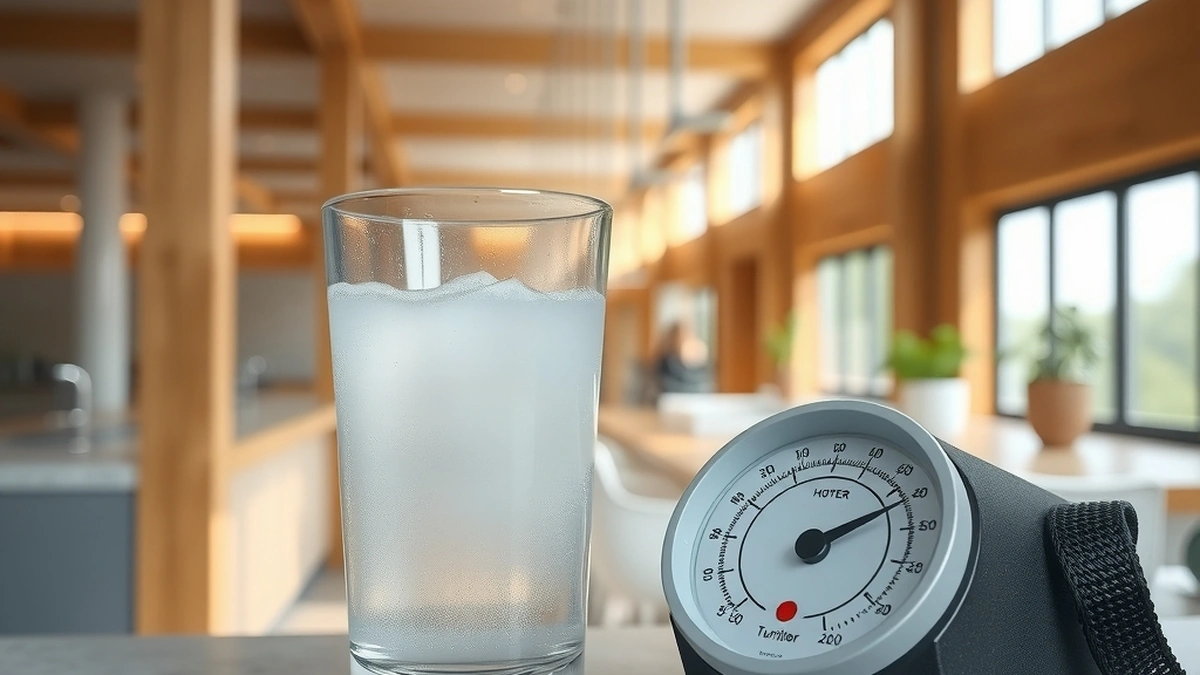
Test for sediment with a turbidity meter or a lab panel for total suspended solids. Turbidity is reported in NTU, suspended solids in mg/L, and a sample taken after the well has run for several minutes shows what the pump is actually delivering.
- Turbidity meter
- $40 - $150
- Lab TSS test
- $20 - $60
- Typical target
- Under 1 NTU
- Sample tap
- Cold, after flushing
- Full panel
- $40 - $150
Some links on this page are affiliate links.If you buy through them we may earn a commission at no extra cost to you. We do not accept payment for rankings. Read the full disclosure.
Sediment is tested by measuring how cloudy the water is or how much solid material it carries. Turbidity is reported in NTU, suspended solids in mg/L, and the sample point decides whether the number describes the well or the plumbing.
The Visual Check
Fill a clear glass and hold it against a white background. A faint haze is a few NTU; visible cloudiness is higher; visible grit settling at the bottom is a heavy load.
The check costs nothing and tells you whether a meter or a lab test is worth ordering. It also shows whether the sediment settles or stays suspended, which hints at particle size.
Look at the glass after an hour. Sand and rust settle; clay stays cloudy. That difference affects the filter rating you need.
Turbidity Meters
A portable turbidity meter costs $40 - $150 and gives a reading in NTU within seconds. It is the practical tool for a homeowner monitoring a well or a filter.
Measure a fresh sample, and measure again after the water has run for several minutes. The first sample reflects what sat in the pipes; the second reflects what the pump delivers.
Under 1 NTU is clear. Municipal water is typically below 0.5 NTU. A reading above 5 NTU is visible and worth investigating.
Lab Testing
A lab can measure turbidity and total suspended solids. TSS is reported in mg/L and reflects the mass of particles rather than their light-scattering effect.
A TSS test costs $20 - $60, and a full panel with iron, manganese, hardness, and bacteria costs $40 - $150.
The lab is the right choice when you need a defensible number for a real-estate transaction, a treatment design, or a warranty claim.
Taking the Sample
| Step | Action | Reason |
|---|---|---|
| 1 | Use a clean bottle | Contamination skews the result |
| 2 | Sample a cold tap | Heat affects particles |
| 3 | Run water 3 - 5 minutes | Clears the line |
| 4 | Fill gently, no air bubbles | Bubbles read as turbidity |
| 5 | Test or deliver promptly | Particles settle |
| 6 | Note the tap and time | Makes the result traceable |
Do not shake the sample before testing unless the method calls for it. Settled particles at the bottom are part of the load, and resuspending them changes the reading.
Reading the Result
A turbidity reading under 1 NTU needs no treatment. If the water looks clear and reads low, the sediment complaint may be intermittent.
A reading of 1 - 5 NTU is slightly cloudy. A 5-micron cartridge filter usually handles it, and the source is worth checking.
A reading above 5 NTU is visibly cloudy and calls for a filter plus an inspection of the well or the plumbing.
A heavy grit load, even at low turbidity, points to a well problem rather than a filtration problem.
A sudden change is a diagnostic clue. Sediment that appears after rain suggests surface water entering the well. Sediment that appears after pump work suggests the pump was disturbed or set too low.
Sediment in hot water only points to the water heater, where sediment accumulates on the tank bottom. Flushing the tank is the usual fix.
Sediment in cold water at one tap points to that fixture’s aerator or valve, not to the supply.
Testing After a Filter
Sample downstream of the filter and compare with the raw reading. A working 5-micron cartridge should bring turbidity under 1 NTU.
Check the pressure drop as well. A filter that reads low turbidity but shows a 15 PSI drop is loaded and bypassing water around the cartridge.
Replace the cartridge and retest. If the reading returns immediately, the load is heavier than the filter rating, and a coarser prefilter or a backwashing filter is the better design.
When to Test
Test a private well annually with the bacteria and nitrate panel, and add turbidity if the water ever looks cloudy.
Test after heavy rain, after any well work, and after a filter installation.
Test before buying a home with a well, and keep the result with the other inspection documents.
Common Mistakes
The first is sampling the first water out of the tap. That sample includes sediment that settled in the pipes overnight.
The second is testing through a filter and calling it a raw water test.
The third is judging by color alone. Clear water can carry fine clay that only a meter detects.
The fourth is ignoring a sudden change. Sediment that appears without a cause is a symptom of a well problem.
- Run the cold tap for five minutes before sampling.
- Fill a clean bottle without introducing bubbles.
- Read turbidity immediately or deliver within the holding time.
- Compare the raw reading with a downstream reading after treatment.
- Note the date, tap, and weather.
- Retest after any well or plumbing work.
Sediment in cold water at a single tap usually points to that fixture’s aerator rather than the supply, and the test confirms it when the other taps read clear.
A final comparison is worth making between the entry point and the far end of the house. If turbidity rises along the run, the sediment is coming from the interior piping rather than the well, and the fix is plumbing rather than a bigger filter.
For the treatment options, see sediment in water treatment. For the well problem, see sediment in well water. For micron ratings, see sediment filter micron ratings.
Frequently asked questions
How do I test for sediment in water?
Use a turbidity meter for a field reading or send a sample to a lab for total suspended solids. A visual check in a clear glass is a useful first step.
What is a normal turbidity level?
Under 1 NTU is clear. Municipal water is usually below 0.5 NTU, and a reading above 5 NTU is visible to the eye and worth investigating.
What is the difference between turbidity and TSS?
Turbidity measures how much light is scattered by particles. TSS measures the mass of suspended solids per liter. They correlate but are not the same number.
Why does my water run dirty after rain?
Surface water or soil may be entering a shallow well or a well with a casing problem. Test after the event and inspect the wellhead.
Can I test sediment with a strip?
No. Strips measure dissolved parameters. Sediment needs a turbidity meter, a visual check, or a lab TSS test.
Should I test before or after the filter?
Test raw water to size the filter, and test downstream to verify it is working. Note which tap and whether treatment was in line.
Sources
Some links are affiliate links.If you buy through them we may earn a commission at no extra cost to you. We do not accept payment for rankings. Read the full disclosure.