
Sediment Filter Micron Ratings Explained
How micron ratings work for sediment filters, what sizes remove, and how to choose the right cartridge for your home water system.
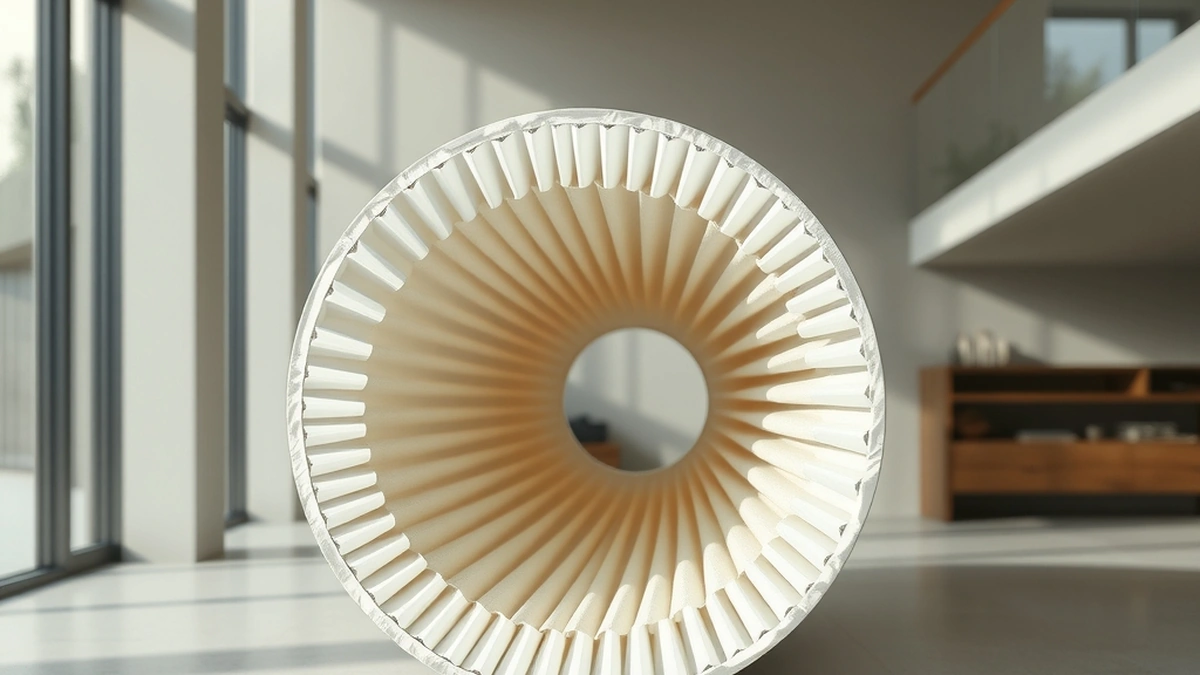
A sediment filter’s micron rating tells you the particle size it traps; lower numbers mean finer filtration, with 5-micron common for whole-house pre-filters and 1-micron for finer sediment.
- Common whole-house micron ratings
- 1, 5, 10, 20, 50 microns
- Typical sediment cartridge life
- 3-6 months
- Sediment cartridge cost
- $10-$40 per cartridge (estimate)
- Whole-house filter flow range
- 8-15 GPM
Some links on this page are affiliate links.If you buy through them we may earn a commission at no extra cost to you. We do not accept payment for rankings. Read the full disclosure.
A sediment filter’s micron rating tells you the size of particles the cartridge is built to trap. One micron equals one-millionth of a meter, so a 5-micron rating targets particles around 5 microns across, while a 1-micron rating targets finer material. Choosing the right rating depends on what is in your water, your flow-rate needs, and how often you want to replace cartridges.
What a Micron Rating Means
Micron ratings describe pore size or particle capture capability. A sediment filter rated at 50 microns catches coarse sand and large particles but lets finer silt pass through. A 5-micron cartridge catches much smaller sediment, including fine silt and some cloudiness-causing particles. A 1-micron cartridge traps even finer material, but it typically loads up faster because it captures more total material.
Ratings are often labeled as nominal or absolute. A nominal rating is an estimate of what the filter catches most of the time. An absolute rating is a stricter claim that the filter captures nearly all particles at or above the stated size. For most home whole-house applications, nominal ratings are standard, and the difference matters most when protecting equipment like reverse osmosis membranes or UV systems that can be fouled by fine sediment.
Common Ratings and Where They Fit
Home sediment filters commonly come in 1, 5, 10, 20, and 50-micron options. Whole-house systems frequently use a stepped approach: a coarse 20- or 50-micron pre-filter to catch large particles, followed by a 5-micron final filter before water reaches the rest of the plumbing or treatment equipment.
A 50-micron cartridge is appropriate when the visible issue is sand or pipe scale. A 20-micron cartridge handles moderate sediment without restricting flow as quickly as finer options. A 5-micron cartridge is a common choice for general whole-house protection and as a pre-filter for carbon filters, softeners, and reverse osmosis systems. A 1-micron cartridge is usually reserved for very fine sediment or specific equipment protection, because it can create noticeable pressure drop on high-sediment water.
| Micron Rating | Typical Use | Flow Impact | Replacement Frequency |
|---|---|---|---|
| 50 | Coarse sand, well sediment pre-filter | Low | 3-6 months (estimate) |
| 20 | Moderate sediment, whole-house pre-filter | Low to moderate | 3-6 months (estimate) |
| 5 | Fine sediment, general whole-house protection | Moderate | 3-6 months (estimate) |
| 1 | Very fine sediment, equipment pre-protection | Moderate to high | 1-3 months (estimate) |
Replacement frequency is an estimate and varies with water usage and sediment load. A household using 300 gallons per day with heavy sediment may need a 5-micron cartridge every month, while low-sediment municipal water might last six months or longer.
How Sediment Load Affects Cartridge Life
Sediment cartridges are depth or pleated filters that capture particles throughout the media. As particles accumulate, the available flow area shrinks and pressure drop increases. When pressure drop becomes noticeable at fixtures, the cartridge is loaded and should be replaced.
You can estimate cartridge life by observing pressure gauges before and after the filter housing. A rising differential of 10-15 pounds per square inch is a common change-out signal, though exact numbers depend on the housing and cartridge manufacturer. If you do not have gauges, reduced flow at faucets or appliances is a practical indicator.
For example, if a 5-micron whole-house cartridge costs $20 and lasts four months, the annual cost is five cartridges times $20, or $100 per year. If heavy sediment cuts life to two months, the annual cost rises to six cartridges times $20, or $120 per year. These are estimates; actual prices and life vary by brand and water conditions.
Matching Sediment Filters to Other Treatment Equipment
Sediment filters usually work as pre-treatment, not standalone water treatment. They do not remove dissolved hardness, iron in solution, or dissolved minerals. If your water tests show hardness above 7 grains per gallon, a water softener may be appropriate; installed softener costs typically range from $1,200 to $4,500 depending on capacity and installation complexity. A sediment filter ahead of a softener protects the resin bed from fouling by sand or silt.
Carbon filters also benefit from sediment pre-treatment. A whole-house carbon filter installed typically costs $500 to $1,800, with cartridges running $80 to $300 per year and replacement every 6-12 months. Sediment ahead of carbon prevents the carbon bed from clogging with particles, which can extend carbon life and maintain flow.
Reverse osmosis systems under the sink typically cost $300 to $900 installed, with annual running costs around $60 to $150. RO membranes last 2-3 years on average and reject 80-95 percent of many dissolved contaminants, but sediment can foul the membrane prematurely. A 1- or 5-micron sediment pre-filter is standard on most RO systems for this reason.
UV systems use a lamp replaced every 12 months at roughly $30 to $90. UV effectiveness depends on water clarity; sediment can shield microorganisms from the light, so a 5-micron sediment filter is commonly installed ahead of UV equipment.
Pressure Drop and Flow Rate Considerations
Whole-house filters are typically sized for household flow of 8-15 gallons per minute. A finer micron rating generally increases resistance to flow. If a 1-micron cartridge is installed on a line with high sediment, pressure drop can develop within weeks, affecting showers, irrigation, and appliances.
One way to manage this is duplex or parallel housings, where two cartridges share the flow. Another is staged filtration: start with 50 microns, then 20, then 5. This captures coarse material in the first stage so the finer cartridge lasts longer. Staged filtration adds housing and cartridge cost but can reduce the frequency of fine-cartridge changes.
If you are installing a whole-house filter alongside a water softener, sediment placement matters. The sediment filter should come before the softener so resin is not exposed to sand. For more on softener pricing, see /how-much-does-a-water-softener-cost/. For installation details, see /water-softener-installation-cost/. For broader whole-house pricing, see /whole-house-water-filter-cost/.
Testing Before Buying
Water treatment decisions should start with a water test, not a product purchase. A lab water test typically costs $40 to $150. The results tell you whether you have suspended sediment, dissolved iron, hardness, or other issues that a sediment filter alone cannot address. If the test shows high sediment but no dissolved problems, a sediment filter may be the primary treatment needed. If dissolved hardness or iron is present, the sediment filter is only one stage in a larger system.
Well owners should test regularly because groundwater quality can change over time. Municipal water users can review their annual water quality report, though that report does not measure sediment in your specific home plumbing, where pipe scale and old galvanized lines can add particles after treatment.
Installation and Maintenance Basics
Sediment filter housings are usually installed on the main line after the pressure tank or water meter and before other treatment equipment. Cartridges are changed by shutting off water, relieving pressure, opening the housing, removing the old cartridge, wiping the sump, inserting the new cartridge, and restarting flow. Some housings have pressure-release buttons; others require opening a faucet downstream to relieve pressure.
Keep spare cartridges on hand. If a 5-micron cartridge costs $20 and you replace it every four months, keeping six cartridges covers one year at $120. Buying in multipacks often lowers the per-cartridge price, though this is an estimate and varies by supplier.
Used cartridges can usually be disposed of with household trash unless they contain contaminants requiring special handling. Check local rules if your water contains high levels of metals or other regulated substances.
Choosing the Right Rating
There is no single best micron rating for every home. Start with a water test, observe whether sediment is visible or just causing cloudiness, and consider what equipment needs protection. Coarse well water often starts at 20 or 50 microns. General whole-house protection commonly uses 5 microns. Fine sediment or pre-protection for RO and UV may call for 1 micron.
Track pressure drop and replacement intervals for the first year. If a 5-micron cartridge clogs in under a month, add a coarser pre-filter. If a 20-micron cartridge lasts six months and water still looks cloudy, stepping down to 5 microns may be appropriate. Adjust based on measured flow and observed performance, not assumptions.
Sediment filters are inexpensive compared to many treatment components, but they play a protective role that can extend the life of softeners, carbon filters, membranes, and UV systems. Choosing the right micron rating and replacing cartridges on schedule keeps flow steady and downstream equipment working as designed.
Next, compare how much does a water softener cost, water softener installation cost, whole house water filter cost before you commit.
Frequently asked questions
What does a micron rating mean?
A micron is one-millionth of a meter; the rating indicates the particle size a filter is designed to capture, with lower numbers trapping smaller particles.
Is 1 micron better than 5 micron?
A 1-micron filter traps finer particles than a 5-micron filter, but it may clog faster and reduce flow more quickly on high-sediment water.
How often should sediment cartridges be replaced?
Sediment cartridges typically last 3-6 months, though replacement timing depends on water quality and household water usage.
Can a sediment filter remove dissolved minerals?
No, sediment filters trap suspended particles only; dissolved hardness or minerals require treatment such as a water softener.
What micron rating should I use for well water?
Well water often uses a 20- or 50-micron pre-filter followed by a 5-micron final filter, but the right choice depends on a water test and observed sediment load.
Will a smaller micron rating reduce water pressure?
Yes, finer ratings capture more particles and can restrict flow sooner, especially if the incoming water contains high sediment levels.
Sources
Some links are affiliate links.If you buy through them we may earn a commission at no extra cost to you. We do not accept payment for rankings. Read the full disclosure.


