Sediment in Water Treatment: Filters and Micron Ratings
Sediment is filtered mechanically, and the micron rating decides what gets through. See cartridge and backwashing options, sizing, and costs.
Sediment in water is treated with a cartridge filter for light loads or a backwashing filter for heavy ones. Cartridges cost $150 - $600 installed with replacements every 3 - 6 months, and backwashing filters run $800 - $2,500.
- Cartridge filter
- $150 - $600 installed
- Cartridge replacement
- Every 3 - 6 months
- Backwashing filter
- $800 - $2,500
- Micron ratings
- 1 - 50 micron
- Lab test
- $40 - $150
Some links on this page are affiliate links.If you buy through them we may earn a commission at no extra cost to you. We do not accept payment for rankings. Read the full disclosure.
Sediment is treated mechanically: a filter catches particles before they reach fixtures and equipment. The choice is between a cartridge filter for light loads and a backwashing filter for heavy ones, and the micron rating decides what gets through.
What Sediment Is
Sediment is suspended material: sand, silt, clay, rust, and organic matter. It is measured as turbidity in nephelometric turbidity units, or as total suspended solids in milligrams per liter.
It is not dissolved. That distinction matters, because a sediment filter removes particles and leaves dissolved minerals, iron, and hardness in the water.
Sediment comes from a well drawing sand, from a crumbling casing, from municipal main repairs, or from corrosion in older pipes.
Cartridge Filters
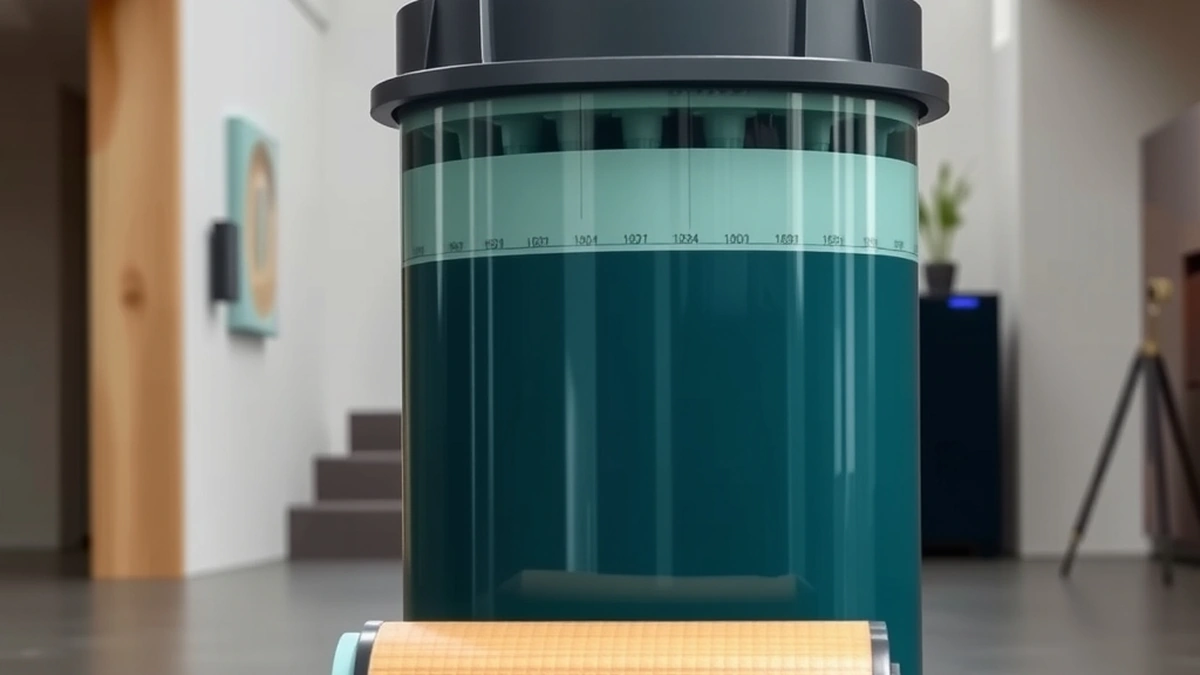
A cartridge filter is a housing with a replaceable element. Water passes through the pleated or spun media, and particles larger than the rating are trapped.
Housings cost $150 - $600 installed, and cartridges run $5 - $20 and change every 3 - 6 months. A 10-inch housing is the common residential size.
Cartridges are best for light sediment and low flow. A heavy load clogs them quickly, and a clogged cartridge drops pressure across the whole house.
Backwashing Filters
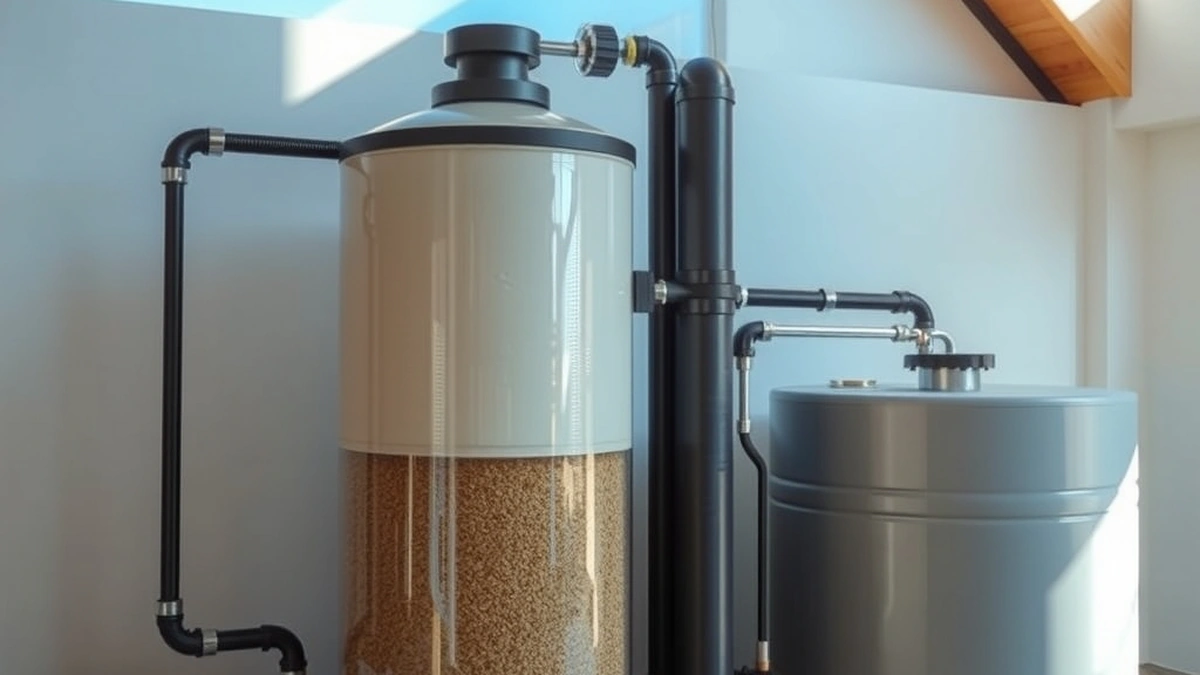
A backwashing filter uses a tank of media and periodically reverses flow to flush the captured sediment to the drain.
Installed cost is $800 - $2,500. The unit needs a drain and power, and it uses water during backwash.
It suits heavy sediment, large homes, and wells that produce sand. The media lasts years rather than months, and the maintenance is a periodic check rather than a cartridge change.
Micron Ratings
| Rating | Removes | Best use |
|---|---|---|
| 50 micron | Sand, large grit | Heavy sediment prefilter |
| 20 micron | Fine sand, rust flakes | Well water prefilter |
| 10 micron | Silt, larger clay | General whole-house |
| 5 micron | Fine silt | Protect carbon and resin |
| 1 micron | Fine clay, some cysts | Final polishing |
Start coarse. A 1-micron cartridge on water with visible sand clogs in days, and the household concludes the filter is defective.
A staged approach works better: 20 - 50 micron at the entry, 5 micron before carbon or a softener, and 1 micron only if the water is already clear.
Sizing and Installation
- Test the water for turbidity, iron, and hardness.
- Measure the flow at peak demand, typically 8 - 15 GPM.
- Choose a housing rated above that flow.
- Install a bypass so cartridges can be changed without shutting off the house.
- Put a pressure gauge before and after the filter.
- Change the cartridge when the pressure drop exceeds 10 PSI.
- Record the change date on the housing.
The pressure gauges are the most useful addition. They turn cartridge changes from guesswork into a reading, and they catch a collapsing cartridge before it restricts the house.
Costs Over Ten Years
A cartridge system at $300 installed plus $60 a year in cartridges costs $900 over ten years, assuming four changes a year.
A backwashing filter at $1,500 installed plus $100 a year in service and water costs $2,500 over ten years.
The cartridge system is cheaper for light loads and more expensive in time. The backwashing filter costs more up front and less attention over a decade.
What Sediment Treatment Does Not Do
It does not remove dissolved iron, manganese, hardness, nitrate, arsenic, lead, or bacteria. Those need their own stages.
It does not fix a well that is producing sand. A filter catches the sand, and the well screen or pump depth may still need attention.
It does not solve a casing leak. If surface water is entering the well, the sediment will return after every rain, and the casing needs repair.
When to Call a Well Contractor
Call if the sediment appears suddenly, if the water runs dirty after rain, or if the pump starts producing sand.
Those symptoms point to a mechanical problem: a failing screen, a pump set too low, or a cracked casing. A filter treats the symptom, and the well needs the cause addressed.
A household on municipal water with occasional sediment after main repairs needs a cartridge filter, nothing more. The load is intermittent, and a $300 housing with a $10 cartridge handles it.
A household on a well that produces sand year-round needs a backwashing filter. Cartridge changes every few weeks become a chore, and the cost adds up to more than the tank.
A middle case is a well with seasonal sediment after spring runoff. A 20-micron cartridge changed four times a year is adequate, and a backwashing filter is optional.
The decision comes down to how often you are willing to change a cartridge and how much sediment the water carries. Neither answer requires a test beyond turbidity and a look at the cartridge after a month.
A household on a well that produces sand year-round needs a backwashing filter, because cartridge changes every few weeks become a chore and cost more than the tank over a few years.
A pressure gauge on each side of the filter is the cheapest upgrade to any sediment system. It turns cartridge changes into a reading, catches a collapsing cartridge before flow drops, and shows whether a backwashing filter is loading between cycles. Two gauges cost $30 - $60.
For the testing side, see sediment in water test. For the well problem, see sediment in well water. For micron ratings, see sediment filter micron ratings.
Frequently asked questions
What is the best filter for sediment in well water?
A cartridge filter handles light sediment at low flow. A backwashing filter handles heavy loads and larger volumes without frequent cartridge changes.
What micron rating should I use?
Start with 20-50 micron for heavy grit and 5 micron for finer sediment. Going too fine too early clogs quickly and drops pressure.
How often do sediment cartridges need changing?
Every 3-6 months for most homes, or sooner if pressure drops or the cartridge visibly loads. A prefilter ahead of other equipment may need monthly changes.
How much does a sediment filter cost?
A cartridge housing and first cartridge run $150-$600 installed, with replacements at $5-$20 each. A backwashing filter runs $800-$2,500 installed.
Does a sediment filter remove iron or hardness?
No. It removes particles. Dissolved iron and hardness pass through and need their own treatment stages.
Why does my water look dirty after rain?
Surface water and soil can enter a shallow well or a well with a casing problem. Test the water and inspect the wellhead after a heavy rain.
Sources
Some links are affiliate links.If you buy through them we may earn a commission at no extra cost to you. We do not accept payment for rankings. Read the full disclosure.