Water Spots on Dishes: Hardness or Detergent?
How to tell whether dish spots come from hard water minerals or detergent residue, with test steps and equipment costs.
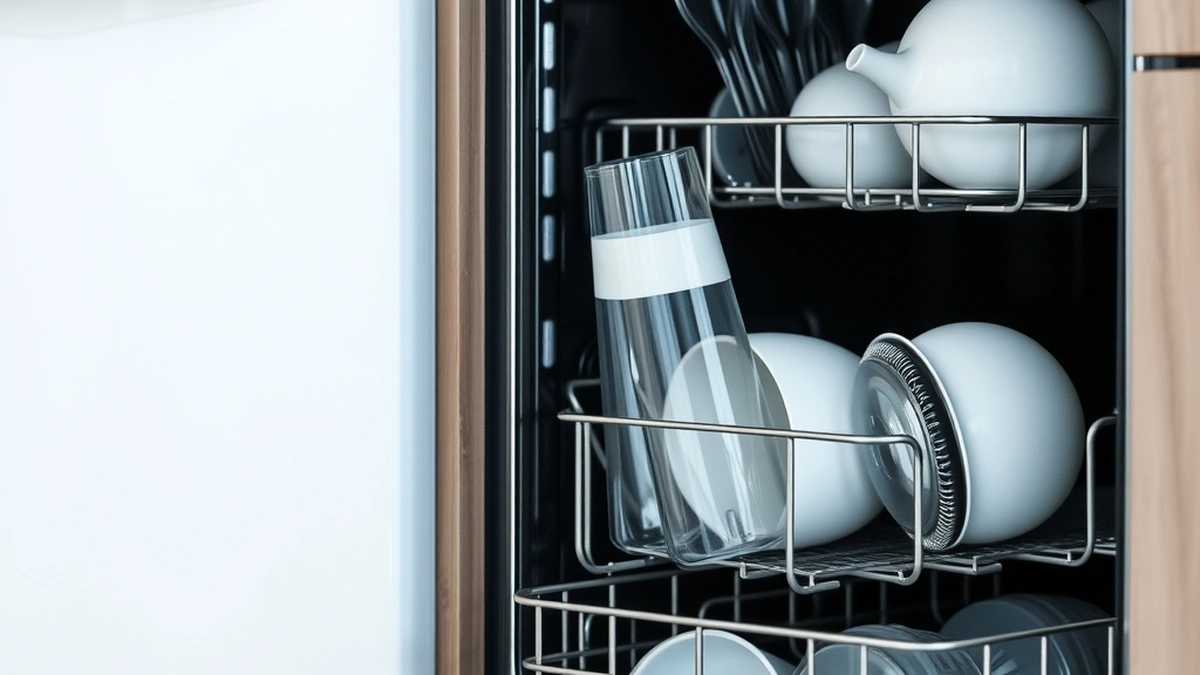
Most dish spots are from dissolved minerals left after water evaporates, not detergent. A vinegar wipe test and a hardness test confirm the cause.
- Primary suspect
- Hard water minerals (calcium and magnesium)
- Quick test
- Wipe spot with white vinegar; if it dissolves, it is mineral
- Soft water range
- 0–3 grains per gallon (gpg)
- Softener installed cost
- $1,200–$4,500
- Lab water test
- $40–$150
Some links on this page are affiliate links.If you buy through them we may earn a commission at no extra cost to you. We do not accept payment for rankings. Read the full disclosure.
Water spots on dishes usually come from dissolved minerals left behind when wash water evaporates, not from detergent itself. Hard water leaves calcium and magnesium deposits that appear as white film or cloudy spots on glassware. A simple vinegar wipe and a water hardness test will tell you which one is causing your spots.
How to Tell Hardness Spots from Detergent Residue
Hardness spots and detergent film look similar at first glance, but they behave differently when you clean them.
Hardness spots:
- White, cloudy, or chalky film on glasses and silverware
- Spot dissolves when wiped with white vinegar
- Worse on glassware than on plastic
- Often appears even when the dishwasher finishes its cycle
Detergent residue:
- Streaky, filmy, or soapy film that smears rather than dissolving
- May feel slippery or leave a taste
- Often worse when too much detergent is used or the rinse aid dispenser is empty
- Can appear in patches where water did not rinse fully
To test, dampen a white cloth with white vinegar and wipe a spotted glass. If the spot disappears or fades, it is mineral buildup from hard water. If it smears but does not dissolve, it is more likely detergent residue or a rinse problem.
Test Your Water Before Buying Equipment
Water hardness is measured in grains per gallon (gpg). The standard ranges are:
- Soft: 0–3 gpg
- Moderate: 3–7 gpg
- Hard: 7–10 gpg
- Very hard: 10+ gpg
If your water tests above 3 gpg, hardness is a likely contributor to dish spots. A lab water test costs $40–$150 and gives you a baseline number before you spend money on equipment. Do not guess at hardness; treatment sizing depends on the actual number.
Detergent, Rinse Aid, and Dishwasher Settings
Before investing in water treatment, check the dishwasher side of the equation.
- Use the detergent amount recommended for your water hardness level. More detergent does not mean cleaner dishes; excess detergent can leave film.
- Fill the rinse aid dispenser. Rinse aid helps water sheet off dishes, reducing the chance that minerals dry in place.
- Select a heated dry or high-temperature rinse if your model offers it. Faster evaporation can reduce spotting, though it can also bake hardness minerals onto glass if the water is very hard.
- Check the spray arms and filter. Clogged arms or a blocked filter reduce rinse performance and can look like a water quality problem.
If spots disappear after adjusting detergent, refilling rinse aid, and cleaning the filter, the issue was mechanical or chemical, not hardness.
When a Water Softener Fits
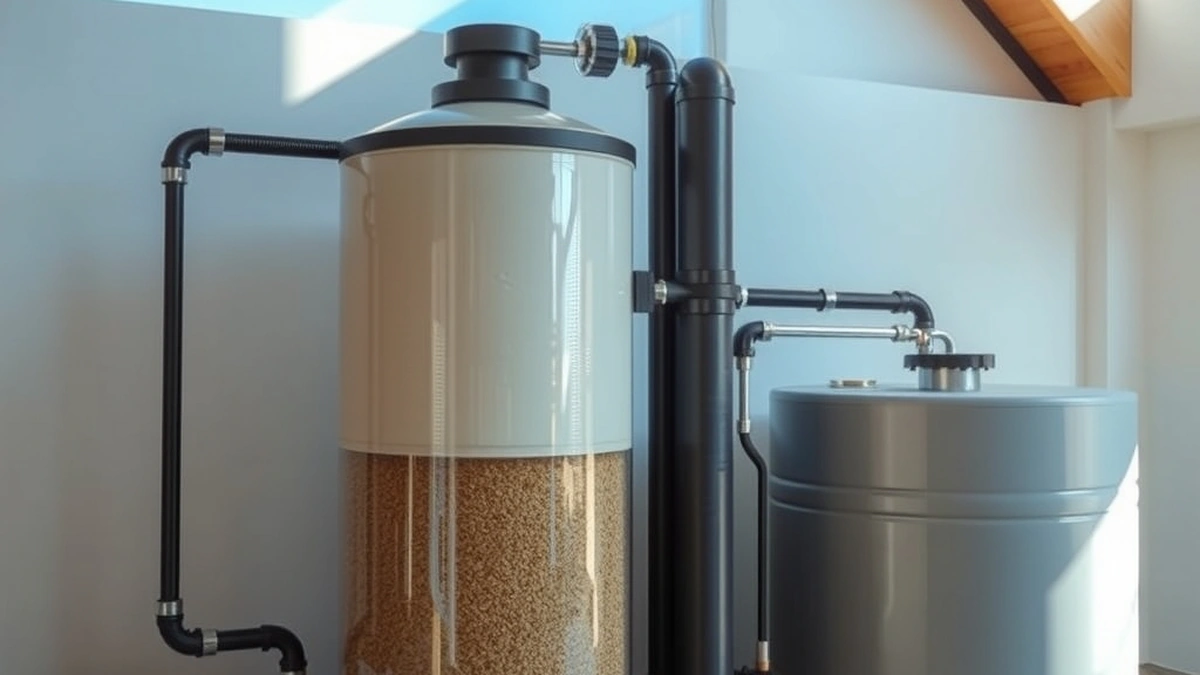
If your water tests in the hard or very hard range and the vinegar test confirms mineral spots, a water softener is the standard fix. A softener exchanges calcium and magnesium ions for sodium or potassium ions, preventing the minerals from depositing on dishes.
Equipment costs $600–$2,500. Installation adds $500–$1,500. Total installed cost is typically $1,200–$4,500, depending on unit size, plumbing access, and local labor rates. For more detail on installed pricing, see our breakdown at /water-softener-installation-cost/.
Ongoing costs include salt and occasional resin maintenance:
- Salt: $120–$400 per year. See /water-softener-salt-cost/ for regional pricing.
- Resin rebed: $300–$600, typically needed after 8–12 years.
- Softener lifespan: 10–15 years.
Softener capacity ranges from 24,000 to 64,000 grains. Regeneration typically uses 8–12 pounds of salt per cycle. A household with very hard water and high usage will regenerate more often, increasing annual salt use.
Here is a simplified cost example over 10 years:
- Installed softener: $2,500 (mid-range estimate)
- Salt at $250 per year: $2,500
- Resin rebed at year 10: $400
- Ten-year total: approximately $5,400
Actual costs vary by water usage, hardness, and equipment choice.
Whole-House vs. Point-of-Use Options
A water softener treats water throughout the home, which helps with dish spots, scale in water heaters, and mineral buildup in pipes. If you only want better dishware and do not want whole-house treatment, you have narrower options.
A reverse osmosis system under the sink costs $300–$900 installed and can provide spot-free rinse water if you manually fill a final rinse container, but it is not practical to run an entire dishwasher through an under-sink RO unit. Under-sink RO running costs are $60–$150 per year, with membrane replacement every 2–3 years. Waste ratios run 3–4:1, and rejection rates are 80–95 percent. For equipment-only pricing, see /reverse-osmosis-system-cost/.
Whole-house RO costs $3,000–$8,000 installed and is usually overkill for dish spots alone. It also requires significant plumbing and maintenance.
Carbon filters ($500–$1,800 installed) and salt-free conditioners ($500–$1,800 installed) do not remove hardness minerals in the same way a softener does, so they are not reliable fixes for mineral dish spots. Carbon cartridge replacement runs $80–$300 per year, typically every 6–12 months.
If your water also contains iron, sulfur, or sediment, those issues may need separate treatment before or alongside softening. Iron can reduce softener effectiveness above 2–3 ppm. For broader well-water context, see /well-water-treatment-cost/.
Maintenance and Realistic Expectations
A softener will reduce mineral spotting, but it will not eliminate every spot on every dish. Food residue, overloading, blocked spray arms, and low rinse aid can still cause filming even with soft water.
Maintain the system by:
- Checking the salt tank monthly and keeping it above the water line
- Setting regeneration frequency to match your hardness and usage
- Cleaning the brine tank every year or two
- Replacing resin when capacity drops, usually after 8–12 years
Resin life is 8–12 years; full softener life is 10–15 years. If spots return after years of spot-free dishes, test the water again before assuming the softener is broken. Resin fouling or changes in source water hardness can both reduce performance.
Bottom Line
Start with the vinegar wipe test and a water hardness test. If spots dissolve in vinegar and your water tests above 3 gpg, hardness is the likely cause. A water softener costs $1,200–$4,500 installed with $120–$400 in annual salt, and it is the most direct equipment solution for mineral dish spots. If spots smear instead of dissolving, adjust detergent, rinse aid, and dishwasher maintenance before buying treatment.
Next, compare how much does a water softener cost, water softener installation cost, whole house water filter cost before you commit.
Frequently asked questions
Are dish spots caused by hard water or detergent?
Spots that wipe away with white vinegar are usually dissolved minerals from hard water, while film that smears without dissolving is more likely detergent residue.
How do I test for hard water at home?
Order a lab water test for $40–$150 or use a hardness test kit; results in grains per gallon tell you if your water is soft, moderate, hard, or very hard.
What hardness level is considered soft?
Water is considered soft at 0–3 gpg, moderate at 3–7 gpg, hard at 7–10 gpg, and very hard above 10 gpg.
Will a water softener remove all dish spots?
A softener reduces calcium and magnesium that cause mineral spots, but it does not remove food film or fix detergent dosing problems.
How much does a water softener cost installed?
Equipment runs $600–$2,500 and installation $500–$1,500, for a total installed range of $1,200–$4,500.
How much does softener salt cost per year?
Expect roughly $120–$400 per year for salt, depending on water hardness, household size, and regeneration frequency.
Sources
Some links are affiliate links.If you buy through them we may earn a commission at no extra cost to you. We do not accept payment for rankings. Read the full disclosure.