What Hard Water Does to Appliances
Hard water scale reduces appliance efficiency, increases energy use, and shortens equipment life. See the numbers and treatment options.
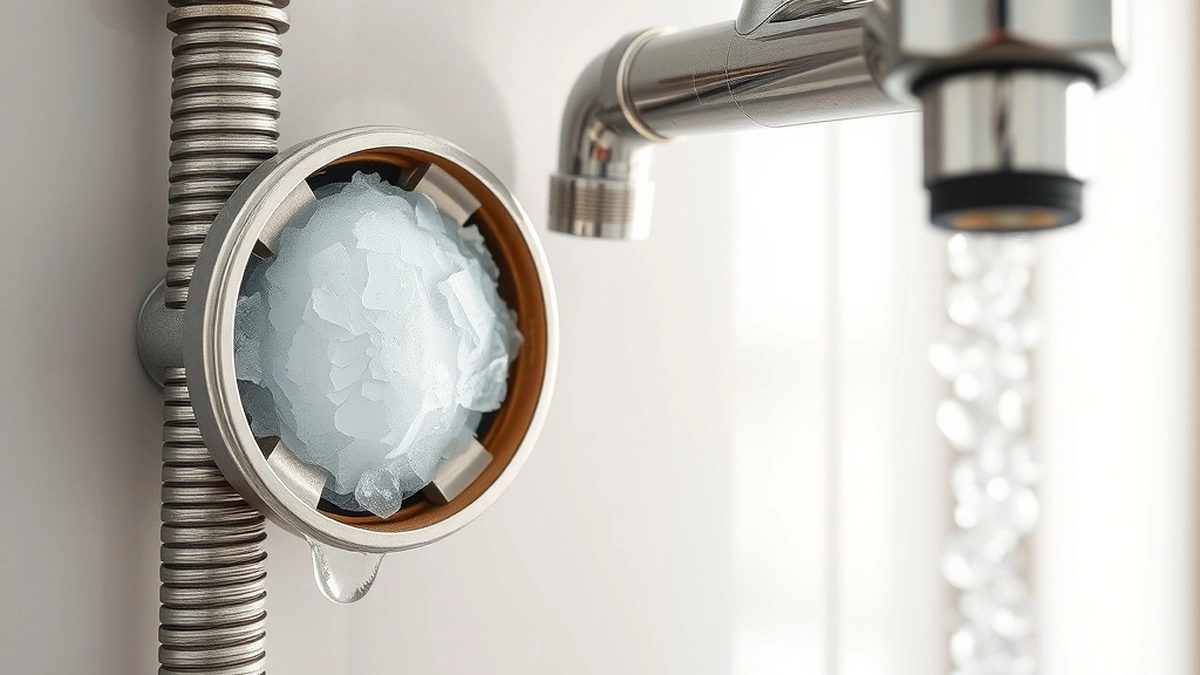
Hard water leaves mineral scale inside water heaters, dishwashers, washing machines, and plumbing, reducing efficiency and shortening appliance life.
- Hardness range tested
- 0-3 gpg soft to 10+ gpg very hard
- Common scale temperature
- Begins precipitating around 120°F
- Water heater impact
- Scale insulates heating elements, raising energy use
- Softener installed cost
- $1,200-$4,500
Some links on this page are affiliate links.If you buy through them we may earn a commission at no extra cost to you. We do not accept payment for rankings. Read the full disclosure.
Hard water leaves mineral scale inside water heaters, dishwashers, washing machines, and plumbing, reducing efficiency and shortening appliance life. Calcium and magnesium precipitate when heated, forming an insulating layer that forces equipment to work harder. This article explains where scale forms, what it costs, and how to test before buying equipment.
How Hard Water Creates Scale
Hardness is measured in grains per gallon (gpg). Water is soft at 0-3 gpg, moderate at 3-7 gpg, hard at 7-10 gpg, and very hard above 10 gpg. When hard water is heated, dissolved calcium and magnesium come out of solution and stick to surfaces as limescale. This process accelerates around 120°F, which means any appliance that heats water is a scale collection point.
A household using 80 gallons per day with 10 gpg hardness introduces roughly 800 grains of hardness daily. Over a month, that is about 24,000 grains of dissolved minerals moving through the plumbing and appliances. Without treatment, much of that mineral load deposits wherever water sits or heats.
Water Heaters and Scale
Storage water heaters are among the first appliances affected. Scale settles at the bottom of the tank and coats electric heating elements or gas burner plates. That layer acts as insulation, so the burner or element must run longer to reach the same temperature.
For example, if a gas water heater normally runs 3 hours per day and scale increases run time by 20 percent, that is an extra 36 minutes of burner time daily, or about 219 additional hours per year. The result is higher gas or electric bills and more wear on the tank and heating components.
Tankless water heaters are not immune. Scale can coat the heat exchanger and restrict narrow water passages. Many tankless units display error codes or shut down when flow drops below a set threshold, requiring descaling service to restore operation.
Flushing a tank annually removes loose sediment, but baked-on scale on elements or heat exchangers often requires chemical descaling or element replacement. Over several years, repeated service calls can approach the cost of a water softener.
Washing Machines and Dishwashers
Scale builds on heating elements, pumps, and spray arms in dishwashers and washing machines. In a dishwasher, scale on the heating element extends dry cycles and leaves spots on glassware. In a washing machine, scale can reduce water flow through inlet valves and interfere with detergent performance, often leading users to use more detergent to compensate.
A washing machine heating water to 130°F for a hot cycle exposes internal parts to precipitation temperatures every load. Over 300 loads per year, that is 300 heating events where scale can deposit. Dishwashers may run daily, creating even more frequent exposure.
Rubber seals and gaskets can also degrade faster when exposed to mineral deposits and higher detergent volumes. Replacing a dishwasher pump or washing machine inlet valve typically costs more than a routine descaling service, and repeated failures often lead to full appliance replacement years earlier than expected.
Coffee Makers and Small Appliances
Coffee makers, electric kettles, and steam irons heat small volumes of water quickly, so scale becomes visible fast. White residue around the heating element or inside the carafe is calcium carbonate. In a single-serve coffee maker, scale can block the needle or restrict flow, causing longer brew times or partial cups.
Descaling with a mild acid solution removes existing buildup, but it does not prevent new deposits. In very hard water above 10 gpg, small appliances may need descaling every 1-3 months. Over a 5- to 8-year appliance life, that is 20-40 descaling cycles plus the time and cost of descaling solution.
Plumbing, Fixtures, and Flow Rate
Scale does not stay inside appliances. It deposits inside galvanized steel, copper, and PEX piping, gradually reducing interior diameter. A 1/2-inch pipe with scale buildup may deliver less flow to fixtures, which affects whole-house water pressure and the performance of appliances that depend on consistent flow.
Showerheads and faucet aerators clog with visible white deposits. Flow rate at a showerhead might drop from 2.0 gallons per minute to 1.2 gallons per minute or less, requiring soaking in vinegar or replacement. Whole-house filters are typically sized for 8-15 gallons per minute, but scale in upstream piping can reduce effective delivery before water reaches the filter.
Appliance Lifespan and Replacement Costs
Manufacturers design appliances around expected water quality. Continuous scale exposure can shorten the useful life of a water heater, dishwasher, or washing machine by several years. If a water heater lasts 10 years in soft water but only 7 years in hard water, the replacement interval shortens by 30 percent.
Consider replacement cost arithmetic. A standard 50-gallon gas water heater might cost $1,000-$1,800 installed. Replacing it three years early means paying that cost sooner and more often over a 30-year horizon. A dishwasher at $700-$1,500 installed, replaced every 7 years instead of 10, adds roughly one extra replacement over three decades.
These are estimates based on typical equipment pricing; actual lifespans depend on usage, maintenance, and local water chemistry.
Testing Before Treatment
Water treatment starts with a test, not a purchase. A lab water test costs $40-$150 and reports hardness, iron, pH, and other parameters. Knowing the exact gpg lets you size equipment correctly. A softener rated for 24,000-64,000 grains of capacity must match daily hardness load and household water use.
If hardness is 10 gpg and daily use is 80 gallons, the daily grain load is 800 grains. A 32,000-grain softener theoretically handles 40 days between regenerations at 100 percent capacity, but practical regeneration usually occurs sooner to reserve capacity and maintain flow. Salt use per regeneration is typically 8-12 pounds, and annual salt costs run $120-$400 depending on local pricing and regeneration frequency.
Iron above 2-3 ppm can foul softener resin, so test results determine whether a softener alone is sufficient or whether iron treatment is needed first. For more on equipment pricing, see our guide to how much does a water softener cost and water softener installation cost.
Treatment Options and Cost Context
Ion exchange softeners are the standard treatment for hardness. Installed costs range from $1,200 to $4,500, with resin life typically 8-12 years and total system life around 10-15 years. Resin rebeds cost $300-$600 when needed.
Salt-free conditioners do not remove hardness minerals; they alter mineral behavior to reduce scale adhesion. Installed cost is $500-$1,800. They may reduce visible spotting but do not produce soft water by grain-per-gallon standards.
Reverse osmosis systems treat drinking water at a point of use. Under-sink units cost $300-$900 installed, with annual running costs of $60-$150 and membrane life of 2-3 years. Whole-house RO costs $3,000-$8,000 installed and produces waste water at a 3-4:1 ratio, so it is rarely used solely for whole-house hardness.
Carbon filters cost $500-$1,800 installed with cartridges replaced every 6-12 months at $80-$300 per year. They address chlorine, taste, and odor but do not remove dissolved calcium or magnesium. Sediment cartridges last 3-6 months and protect appliances from particulate matter but not hardness.
If your water comes from a private well, additional contaminants such as iron, sulfur, or nitrate may require separate treatment before or alongside softening. Iron filters cost $800-$2,500 installed, and sulfur filters cost $1,000-$3,000 installed. For well-specific planning, see well water treatment cost. For broader filtration context, see whole house water filter cost.
Hard water does not make appliances fail overnight. It works slowly, coating heating elements, restricting flow, and forcing equipment to run longer cycles. A water test identifies the hardness level, and the numbers determine whether a softener, conditioner, or other treatment matches the load and budget.
Frequently asked questions
What is hard water?
Water with high concentrations of dissolved calcium and magnesium, measured in grains per gallon (gpg).
At what hardness is water considered hard?
Water is hard at 7-10 gpg and very hard above 10 gpg; 0-3 gpg is soft.
Does scale affect tankless water heaters?
Yes. Scale can coat heat exchangers and restrict flow, often triggering error codes or shutdowns.
How much does a water softener cost installed?
Installed softener systems typically range from $1,200 to $4,500 depending on capacity and labor.
Can hard water void appliance warranties?
Some manufacturers may deny claims if damage is attributed to scale buildup from untreated hard water.
Should I test water before buying equipment?
Yes. A lab water test ($40-$150) establishes hardness and iron levels before sizing a softener.
Sources
Some links are affiliate links.If you buy through them we may earn a commission at no extra cost to you. We do not accept payment for rankings. Read the full disclosure.