HOA rules on softeners and brine discharge
HOAs and water districts can restrict softener placement, brine discharge, and visible equipment. See the common clauses and how to get approval.
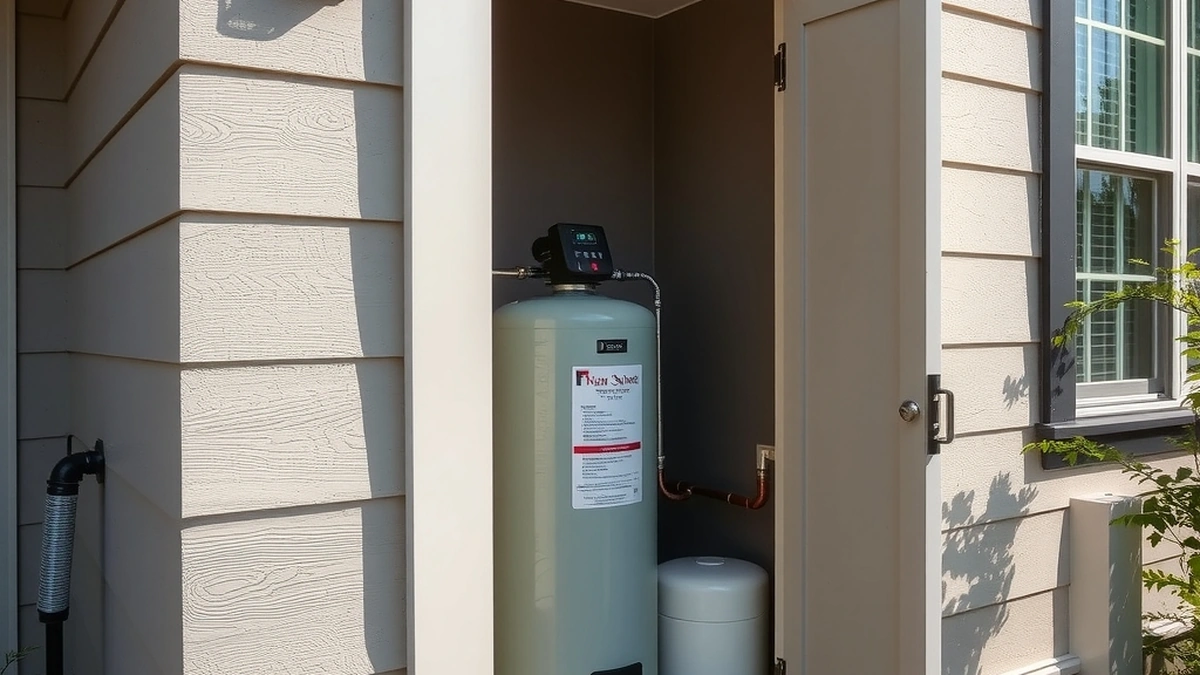
HOAs commonly restrict visible equipment, exterior discharge points, and brine routed to shared drains or landscaping, and many require written architectural approval first. Read the covenants and water district rules before buying.
- Most common restriction
- Visible equipment and discharge
- Approval process
- Architectural review application
- Typical review time
- 2 - 6 weeks
- Water district rules
- Separate registration sometimes required
- Cost of denial
- Removal or relocation, $300 - $1,500
Some links on this page are affiliate links.If you buy through them we may earn a commission at no extra cost to you. We do not accept payment for rankings. Read the full disclosure.
HOA rules rarely ban softeners, but they routinely control where the unit sits, how it looks, and where the brine goes. Those three levers are enough to make a standard install unworkable, which is why the covenants are worth reading before you buy equipment rather than after.
What Covenants Usually Address
Most HOA documents are written to protect appearance and shared infrastructure. A softener touches both.
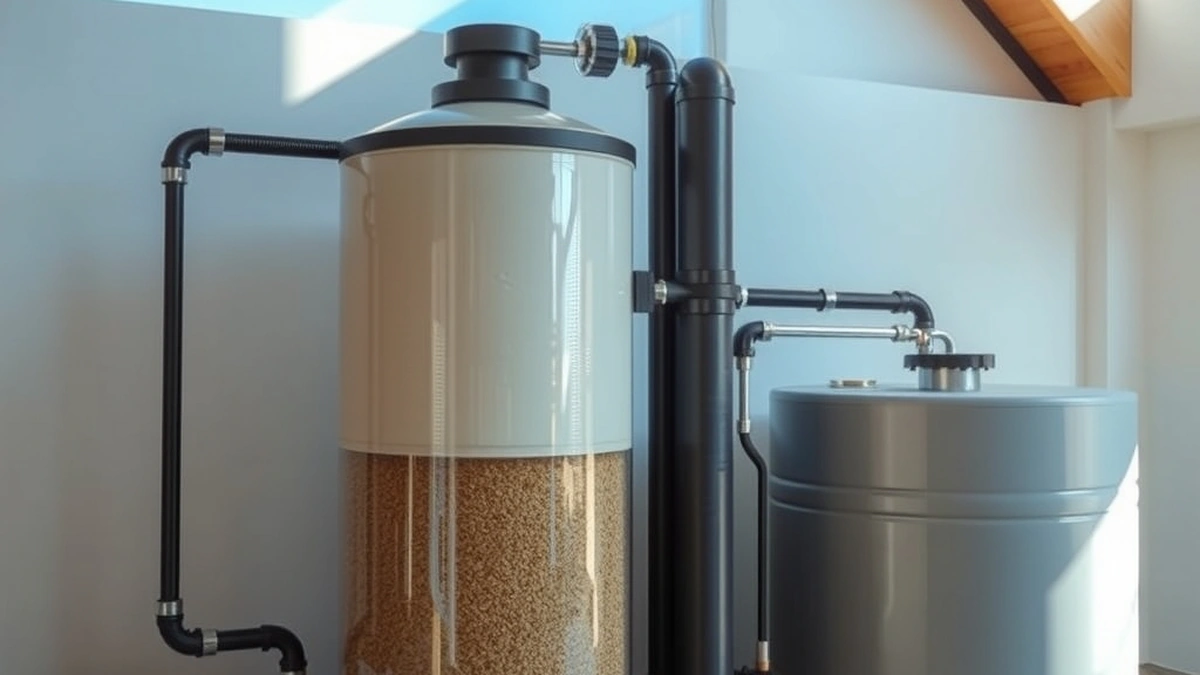
Visible equipment. A brine tank and a pair of tanks are conspicuous. Covenants commonly require them inside the garage, in a utility closet, or behind screening that matches the house.
Exterior piping. A drain line running down an exterior wall is the detail that draws complaints. Many associations prohibit exposed pipe on any facade visible from the street or from common areas.
Discharge point. Brine routed to a shared drain, a storm sewer, a sidewalk, or a landscaped bed visible from common areas is frequently restricted. Some covenants require discharge to the sanitary sewer only.
Noise and regeneration timing. A few associations restrict regeneration hours for units near a shared wall, which is rare but appears in townhouse documents.
Signage and contractor rules. Some require licensed contractors and advance notice for work in common areas.
The Water District Layer
Separately from the HOA, a water district or municipal utility may regulate the softener itself. The most common requirements are registration of the device, an inspection of the drain connection, and in a few areas a limit on brine discharge volume.
| Authority | What they regulate | Typical requirement |
|---|---|---|
| HOA | Appearance, placement, discharge visibility | Architectural approval |
| Water district | Device registration, drain inspection | Registration before install |
| Building department | Plumbing and drain work | Permit and inspection |
| Health department | Cross-connection control | Air gap verification |
Four authorities can each have a say. The mistake is assuming the building permit covers everything, when the HOA approval and the district registration are separate processes with separate timelines.
The Cost of Getting It Wrong
A denied or unapproved installation is expensive to unwind. Relocating an installed softener means cutting and reworking pipe, moving the drain, and possibly a new electrical outlet: $300 to $1,500 in labor, plus the cost of the original install that is now wasted.
Fines are the other risk. Many covenants allow daily penalties until compliance, and a lien is possible in the worst cases. A five-minute records request is cheaper than either outcome.
How to Get Approval
- Read the covenants for the sections on equipment, screening, and discharge. Search the document for “water treatment,” “softener,” and “discharge.”
- Call the water district and ask whether the device needs registration and whether the drain point is restricted.
- Submit the architectural application with the model, dimensions, location, a site sketch, and the discharge plan.
- Propose screening before you are asked; a louvered cabinet or a planted screen usually resolves the appearance objection.
- Keep the written approval with the equipment manuals and the inspection card.
Approval timelines run 2 to 6 weeks in most associations, longer if the board meets monthly. Build that into the schedule rather than discovering it after the old unit has been removed.
Design Choices That Avoid Conflict
| Issue | Practical solution |
|---|---|
| Visible tanks | Interior location or louvered enclosure |
| Exterior drain line | Route inside to a floor drain or utility sink |
| Brine to landscaping | Discharge to sanitary sewer where permitted |
| Noise near shared wall | Rubber isolation pad under the tank |
| Street-facing vent or pipe | Relocate or screen to match siding |
The design that satisfies most associations is the one that keeps everything inside the building envelope. A softener in a garage or utility room with a drain to the sanitary sewer and no exterior penetrations is rarely objected to.
If the only feasible drain is outside, propose a dry well or a discharge point that a landscaper can screen. Get that in the application rather than installing first.
Salt-Free Units and the Same Rules
A salt-free conditioner discharges no brine, which removes one objection. It does not remove the appearance clause. Many covenants regulate “water treatment equipment” as a category, so a salt-free unit still needs approval if it is visible.
It also does not soften water, so if the HOA objection pushes you toward a salt-free box, understand what you are giving up. The comparison is in salt-based versus salt-free softener.
One practical note on approvals: a board that objects to a brine tank often accepts a unit installed in a garage corner behind a screen, because the objection is visual rather than technical. Ask what would make the application acceptable instead of treating the first denial as final. A short conversation with the architectural committee usually produces the screening or relocation detail that gets the application through.
When the Rules Make Softening Impossible
It happens. A condo with no utility room, no drain, and a covenant against exterior equipment may leave no compliant location. In that case, the alternatives are a point-of-use softener for the shower, a whole-house filter that addresses taste rather than hardness, or a salt-free conditioner that reduces scale without softening.
Those are compromises, and they should be chosen with the water test in hand. Water softener in a condo covers the specific constraints, and water softener in an apartment covers rental situations where the tenant cannot alter plumbing at all. If you are early in the purchase decision, permit for a water softener explains the building department layer that sits alongside the HOA.
Frequently asked questions
Can an HOA ban a water softener?
An HOA usually cannot ban an appliance outright, but it can restrict placement, enclosure, visible piping, and where brine discharges, which can make an install impractical in some layouts.
Does brine discharge need HOA approval?
Often yes if it goes to a shared drain, a storm system, or landscaping visible from common areas, because those are the pathways most covenants address.
What if my water district requires softener registration?
Register before installation, since some districts inspect the drain connection and can require a specific discharge point or a restriction on brine volume.
How do I apply for HOA approval?
Submit an architectural review application with the unit model, dimensions, location, a site sketch, and the discharge plan, then keep the written approval with your home records.
What happens if I install without approval?
The association can require removal or screening at your cost, and fines may accrue daily until the installation complies with the covenants.
Are salt-free conditioners treated differently?
Sometimes, because they discharge no brine, but many covenants address all water treatment equipment by category rather than by technology.
Sources
Some links are affiliate links.If you buy through them we may earn a commission at no extra cost to you. We do not accept payment for rankings. Read the full disclosure.