Do you need a permit for a softener?
Most softener swaps need no permit; new installs, drain connections, and plumbing alterations often do. See what triggers one and what it costs.
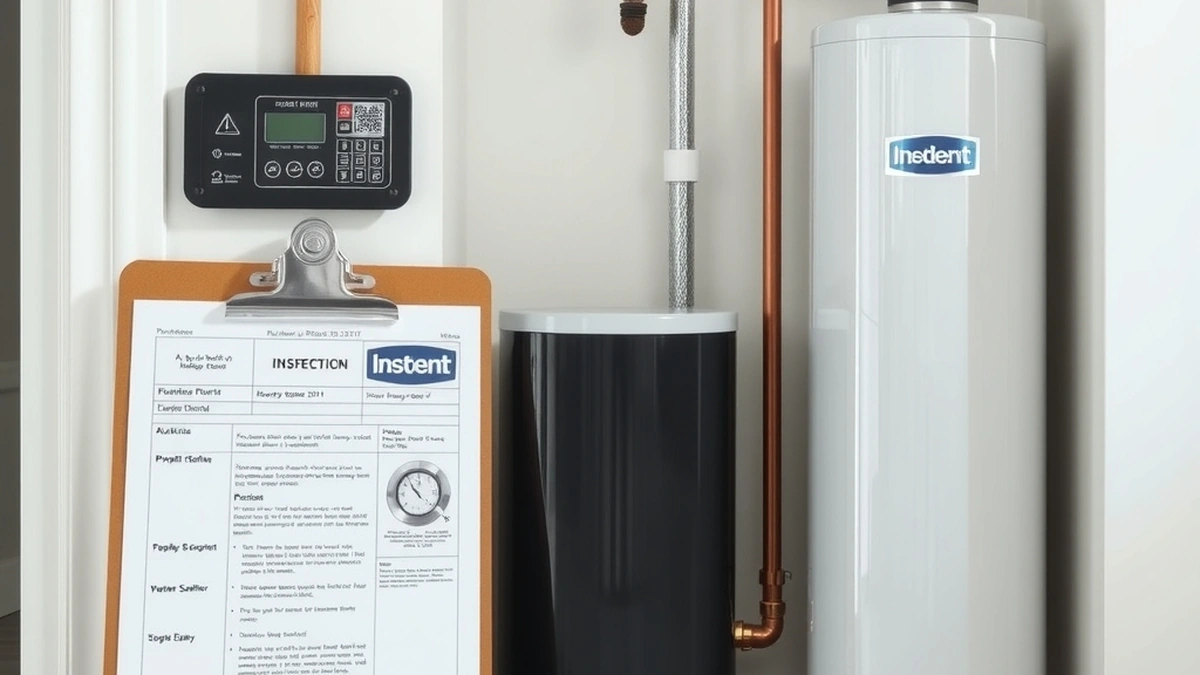
Replacing an existing softener in the same location usually needs no permit. A new installation that cuts into supply piping, adds a drain connection, or runs a new electrical circuit often does, and permits typically cost $50 to $300 depending on the jurisdiction.
- Replacement in place
- Usually no permit
- New install with new drain
- Permit often required
- Typical permit fee
- $50 - $300
- Inspection
- One rough-in, sometimes final
- Timeline
- 1 - 5 business days
Some links on this page are affiliate links.If you buy through them we may earn a commission at no extra cost to you. We do not accept payment for rankings. Read the full disclosure.
Replacing a softener in the same spot usually needs no permit. Installing one where none existed, adding a drain, or running a new circuit often does. The dividing line is whether the work is an appliance swap or a plumbing and electrical alteration, and the local building department makes that call, not a national rule.
The General Rule
Permits exist to ensure regulated work is done to code and inspected. A softener touches three regulated systems: potable water supply, sanitary drainage, and electrical. The more of those you alter, the more likely a permit is required.
| Work performed | Permit likelihood |
|---|---|
| Swap unit on existing bypass | Low |
| Swap unit and reuse existing drain | Low |
| Install new softener with new tees in supply | Moderate to high |
| Add a new drain line or standpipe | High |
| Run a new electrical circuit | High |
| Relocate the unit to another room | High |
“Low” is not “never.” Some jurisdictions require a permit for any water treatment appliance, and some require none for anything short of new drain work. Confirm locally before scheduling.
What Triggers a Permit
Cutting into the supply piping. New tees and shut-off valves are plumbing alterations. Many codes require a permit for any new connection to the potable system, largely because of backflow risk.
A new drain connection. Adding a standpipe, tying into a stack, or installing a floor drain is drainage work, and drainage work is almost always permitted.
Electrical. A softener draws very little power, but a new dedicated circuit or a new outlet is electrical work. Plugging into an existing GFCI outlet is not.
Backflow protection. Some jurisdictions require a permit specifically to verify the air gap or backflow device on the drain, because a cross-connection is a public health matter.
Relocation. Moving a softener to a different room combines all of the above.
What It Costs
Permit fees typically run $50 to $300. The low end is a simple plumbing permit in a small jurisdiction. The high end is a jurisdiction that requires separate plumbing and electrical permits plus a final inspection.
Add the inspection schedule to the timeline: 1 to 5 business days for a rough-in inspection in most places, which can add a day or two to the job. A plumber who pulls permits routinely will factor that into the schedule.
| Cost item | Typical range |
|---|---|
| Plumbing permit | $50 - $200 |
| Electrical permit | $50 - $150 |
| Inspection re-schedule fee | $50 - $100 |
| Total added to job | $50 - $300 |
Why It Is Worth Doing Properly
The obvious reason is legal: unpermitted work can be ordered removed, and a failed inspection at resale can hold up a closing. The less obvious reason is insurance. If an unpermitted drain connection leaks and damages a floor, an insurer may question coverage for work that was never inspected.
There is also a technical reason. An inspector checks the air gap on the drain and the backflow protection on the supply. Those are the two details most likely to be skipped in a hurry, and both are the ones that can contaminate drinking water. The inspection has real value beyond the paperwork.
Five Steps Before You Book the Install
- Call the local building department and describe the exact work, not the product.
- Ask whether a plumbing permit, electrical permit, or both are required.
- Ask who pulls the permit, you or the contractor, and get it in writing.
- Confirm the inspection sequence so the job is not stalled waiting for a rough-in.
- Keep the signed inspection card with the appliance paperwork for resale.
When No Permit Is Needed
A like-for-like replacement on an existing bypass with an existing drain is the clearest no-permit case in most jurisdictions. The unit is an appliance, the connections already exist, and no new pipe is cut.
Even then, do the work correctly. Use the existing bypass properly, confirm the drain air gap, and check for leaks under pressure. The absence of an inspection does not change the physics. The valve layout is covered in adding a shut-off and bypass and the drain details in drain requirements for a softener.
One more category worth naming: rentals and multi-unit buildings. A tenant usually cannot pull a permit at all, and a landlord installing equipment in a shared mechanical room may cross into commercial plumbing rules rather than residential ones. In both cases the property owner, not the occupant, is the party the building department will deal with, so the conversation needs to happen with them before any work is scheduled.
HOA and Water District Rules
Separate from permits, a homeowners association or a water district may have its own requirements. Some water districts require registration of any water treatment device, and some HOAs restrict brine discharge or exterior equipment. Those are not permits, but they can stop an install just as effectively.
Read the HOA covenants before you buy. The common restrictions and how to work within them are in HOA rules on softeners. If the unit will be visible from the street or discharges to a shared drain, get written approval first.
The Short Answer
If you are swapping a unit in place, assume no permit but verify with a phone call. If you are cutting pipe, adding a drain, or running wire, assume a permit and budget $50 to $300 plus a day of schedule. The call takes five minutes and the downside of guessing wrong is measured in weeks and inspection fees, not dollars.
Frequently asked questions
Do I need a permit to replace a water softener?
Usually not, if the new unit goes in the same location and connects to the existing bypass and drain, because that is a like-for-like appliance swap rather than plumbing work.
When is a permit required for a softener?
When the install adds new piping, cuts into the main supply, creates a new drain connection, or requires a new electrical circuit, all of which are regulated work in most jurisdictions.
How much does a softener permit cost?
Fees commonly run $50 to $300 depending on the city or county, with higher fees where a separate plumbing and electrical permit are both required.
What happens if I install without a required permit?
The authority can require removal or re-inspection, and an unpermitted alteration can surface during a home sale inspection and delay closing until it is corrected.
Does the installer pull the permit?
A licensed plumber usually pulls it as part of the job and includes the fee in the quote, so ask directly whether the permit is included.
Are permit rules the same everywhere?
No. Requirements are set locally, so the same installation may need a permit in one city and none in the next, which is why you confirm with the local building department.
Sources
Some links are affiliate links.If you buy through them we may earn a commission at no extra cost to you. We do not accept payment for rankings. Read the full disclosure.