Pink Slime in the Bathroom: What It Is and What Helps
Pink bathroom slime is usually airborne bacteria, not water contamination. Learn what causes it, how to clean it, and which treatment options apply.
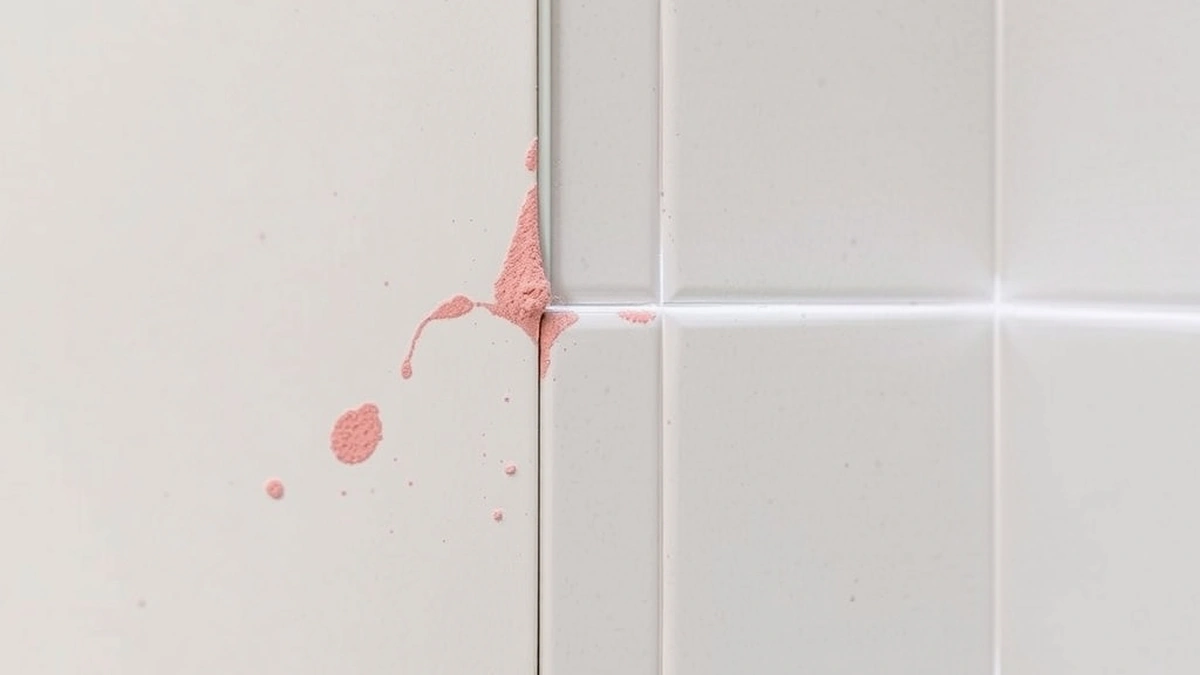
Pink slime in the bathroom is typically an airborne bacterium that grows on damp surfaces, not a sign your water is unsafe. Regular cleaning and ventilation usually control it.
- Common cause
- Airborne bacteria on moist surfaces
- Primary locations
- Shower tiles, grout, toilet bowls, sink drains
- First step
- Water test to rule out iron or sulfur issues
- Softener installed cost
- $1,200–$4,500
Some links on this page are affiliate links.If you buy through them we may earn a commission at no extra cost to you. We do not accept payment for rankings. Read the full disclosure.
Pink slime in the bathroom is typically a biofilm caused by airborne bacteria that land on damp surfaces and grow in moist conditions. It is not usually a sign that your drinking water is contaminated, though a water test is the right first step before buying any equipment. Treatment decisions should follow test results, not assumptions.
What Pink Slime Actually Is
The pink or orange film often found on shower walls, grout, toilet bowls, and sink drains is commonly associated with airborne microorganisms that thrive in warm, damp environments. These organisms feed on minerals, soap residue, and organic matter left behind after water evaporates.
Because the slime forms where water sits or where humidity is high, it tends to appear in the same spots repeatedly even after scrubbing. It is a surface growth issue first and a water quality issue second, if at all. Testing your water can rule out dissolved iron, sulfur, or hardness that might make staining more visible, but it will not confirm the source of the surface film.
Where It Shows Up in the Bathroom
Pink slime tends to collect in specific areas:
- Shower walls and corners where water pools
- Grout lines and caulk that stay damp between uses
- Toilet bowls, especially under the rim
- Sink and tub drains with slow flow
- Shower curtains and door tracks
These locations share one trait: they remain moist long enough for surface organisms to establish a colony. Running the bathroom fan during and after showers, squeegeeing tile, and fixing leaky fixtures reduce the moisture that supports regrowth.
What a Water Test Can and Cannot Tell You
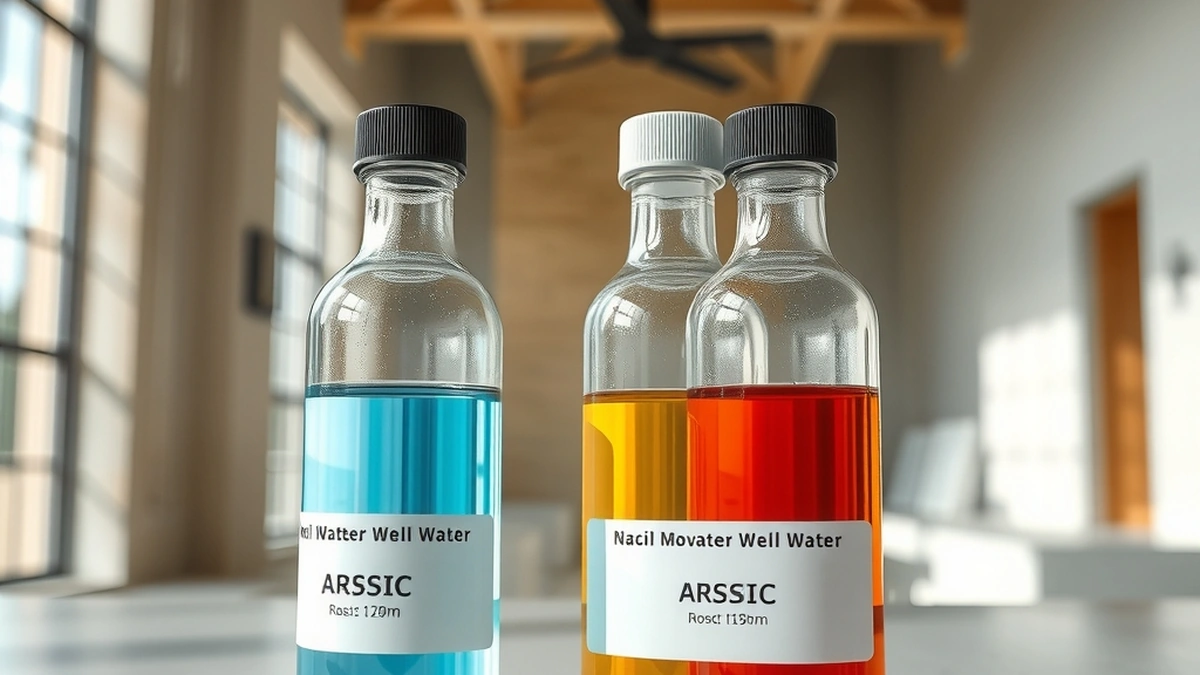
A laboratory water test costs roughly $40 to $150 and measures what is actually in your water. It can detect hardness, iron, pH, and other dissolved parameters. It cannot identify airborne surface bacteria growing on your shower tile.
If your test shows high iron, you may see reddish or orange staining that looks similar to pink slime. Iron levels above the softener limit of 2–3 ppm may require dedicated treatment before a softener performs efficiently. Hardness is measured in grains per gallon: 0–3 gpg is soft, 3–7 gpg is moderate, 7–10 gpg is hard, and 10+ gpg is very hard. Knowing these numbers helps you size equipment correctly rather than guessing.
Cleaning and Prevention That Actually Help
Physical removal is the most direct response to pink slime. Scrubbing affected surfaces with a brush and a household cleaner breaks up the biofilm. Rinsing and drying the area removes the moisture that allows it to return.
Prevention steps include:
- Run the exhaust fan during showers and for at least 20 minutes afterward.
- Squeegee shower walls and doors after use.
- Wipe down sink and counter surfaces daily.
- Clean toilet bowls weekly, including under the rim.
- Replace shower curtain liners when staining becomes persistent.
- Fix dripping faucets and showerheads that keep surfaces constantly wet.
Ventilation and drying are low-cost controls. A bathroom fan uses far less energy than operating whole-house water equipment, and it addresses the actual environment where the slime grows.
When Water Treatment Equipment Is Relevant
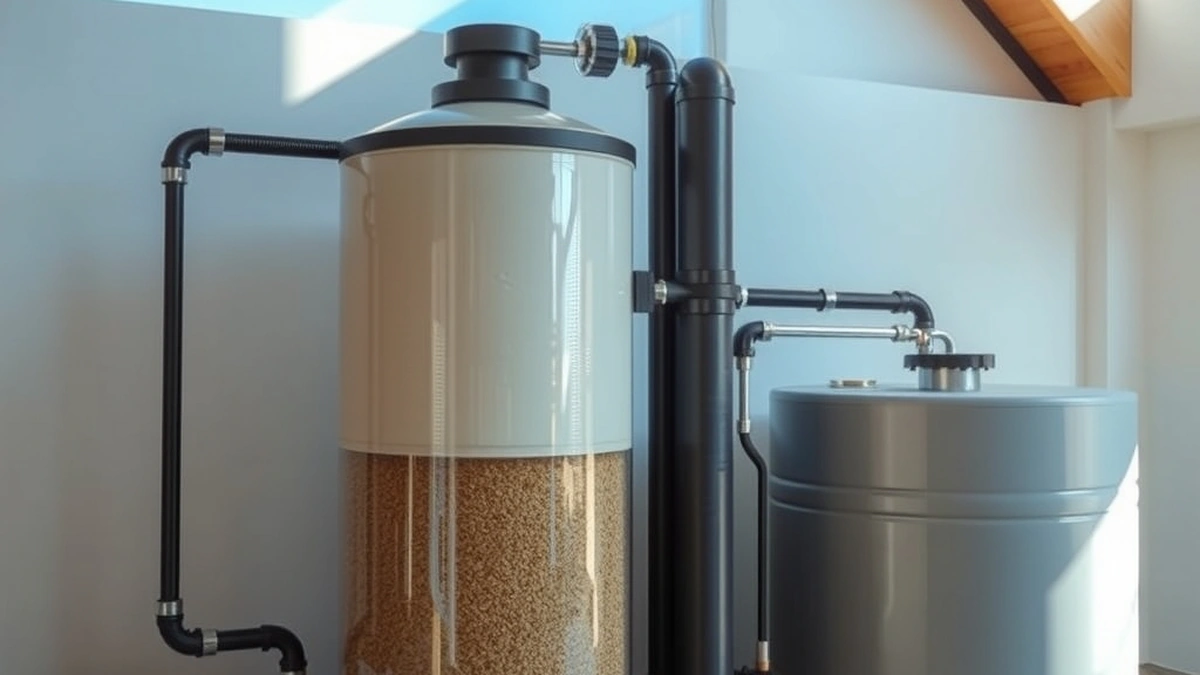
Water treatment becomes relevant if your test shows water quality problems that contribute to staining or scaling. A water softener removes calcium and magnesium hardness. Equipment typically costs $600 to $2,500, with installation adding $500 to $1,500, for a total installed range of $1,200 to $4,500. Salt runs about $120 to $400 per year. Resin beds last roughly 8 to 12 years and cost $300 to $600 to rebed. Softeners commonly range from 24,000 to 64,000 grains in capacity and use about 8 to 12 pounds of salt per regeneration. Total system life is usually 10 to 15 years.
A softener does not remove surface bacteria. If your water contains iron above 2–3 ppm, a softener alone may not be the best fit; dedicated iron treatment can cost $800 to $2,500 installed. For sulfur concerns, treatment can run $1,000 to $3,000 installed. These costs are estimates and vary by local water conditions and equipment sizing.
Carbon filtration costs $500 to $1,800 installed, with cartridges running $80 to $300 per year and needing replacement every 6 to 12 months. Sediment cartridges typically need replacement every 3 to 6 months. Whole-house reverse osmosis runs $3,000 to $8,000 installed and is usually unnecessary for bathroom surface issues. Under-sink reverse osmosis costs $300 to $900 installed, with yearly running costs of $60 to $150, membrane life of 2 to 3 years, a waste ratio of 3–4:1, and rejection rates of 80–95 percent. None of these systems treat bacteria already growing on bathroom surfaces.
UV treatment addresses microorganisms in water as it passes through the system. Lamps last about 12 months and cost $30 to $90 to replace. UV does not prevent biofilm from forming on shower tiles or toilet bowls, and it is not a substitute for cleaning.
Cost Math Before You Buy
If you are considering a softener because your bathroom fixtures stain easily, run the numbers first. A mid-range softener at $1,500 equipment plus $1,000 installation equals $2,500 installed. Add $250 per year for salt. Over a 12-year system life, that is $3,000 in salt, bringing the 12-year total to $5,500 before a potential resin rebed. That math only makes sense if hardness or iron is confirmed by a water test.
By comparison, improving bathroom ventilation and cleaning costs almost nothing. A bathroom fan upgrade and basic cleaning supplies are far less than any whole-house system. If your water test comes back normal, equipment is unlikely to solve pink slime.
Start With the Test, Not the Aisle
Pink slime in the bathroom is usually a cleaning and ventilation challenge, not a reason to install a water softener or filter. Order a lab test, inspect where the slime appears, and improve surface drying before spending $1,200 to $4,500 on equipment that treats water, not tile. If testing reveals hardness or iron, then equipment selection follows the numbers.
Next, compare how much does a water softener cost, water softener installation cost, whole house water filter cost before you commit.
Frequently asked questions
Is pink slime in my water?
It usually grows on bathroom surfaces from airborne bacteria, not from the water supply itself.
Is pink slime dangerous?
It is generally considered a nuisance organism on surfaces, though immunocompromised households should consult a medical professional.
Will a water softener remove pink slime?
A softener treats hardness minerals; it does not target airborne surface bacteria.
How often should I clean pink slime?
Weekly cleaning of shower and sink areas helps prevent visible buildup from returning.
Does a whole-house filter stop pink slime?
Whole-house filtration treats incoming water, not bacteria already growing on bathroom surfaces.
Should I test my water if I see pink slime?
A basic water test can confirm whether iron, sulfur, or hardness is contributing to bathroom staining.
Sources
Some links are affiliate links.If you buy through them we may earn a commission at no extra cost to you. We do not accept payment for rankings. Read the full disclosure.