Hard water: causes, signs and treatment
Hard water carries dissolved calcium and magnesium that form scale and soap scum. See how hardness is measured, what it affects, and what treatment costs.
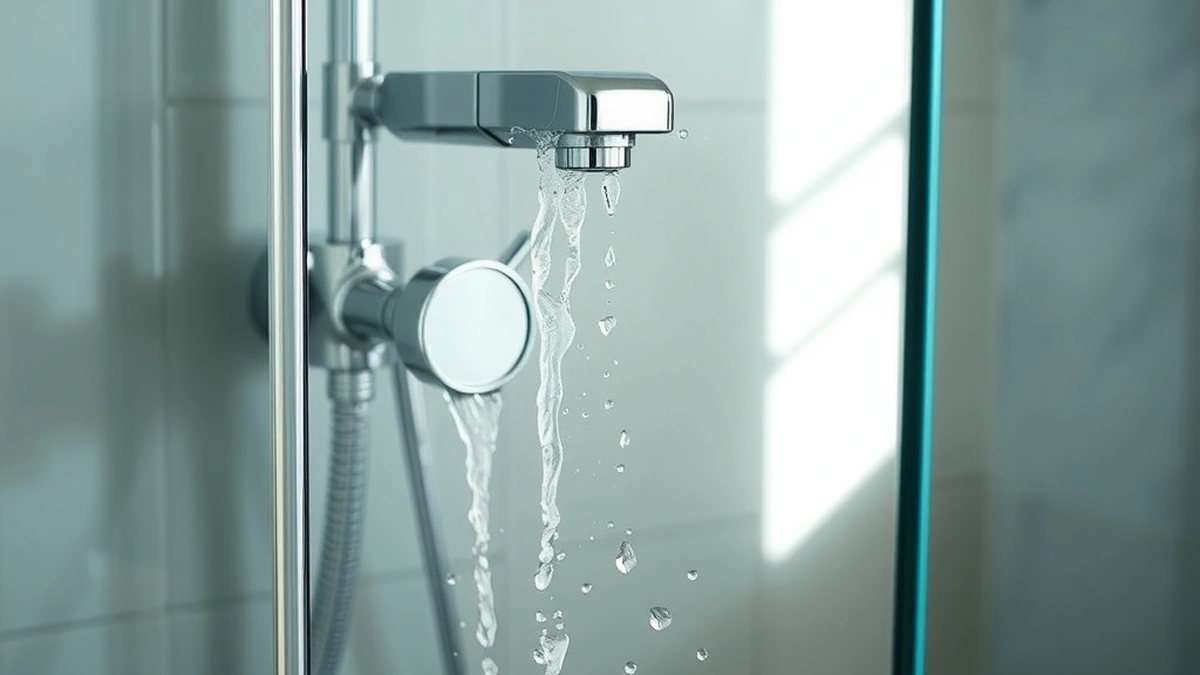
Hard water contains dissolved calcium and magnesium measured in grains per gallon, with 7 GPG and above considered hard. It forms scale on heating surfaces, soap scum on fixtures, and film on dishes, and treatment is a softener at $1,200 to $4,500 installed.
- Soft
- 0 - 3 GPG
- Moderate
- 3 - 7 GPG
- Hard
- 7 - 10 GPG
- Very hard
- 10+ GPG
- Softener installed
- $1,200 - $4,500
Some links on this page are affiliate links.If you buy through them we may earn a commission at no extra cost to you. We do not accept payment for rankings. Read the full disclosure.
Hard water is water carrying dissolved calcium and magnesium, measured in grains per gallon. It is not a health problem, and it is an expensive one: scale on heating surfaces, soap scum on every fixture, and shorter appliance life. Treatment is a softener at $1,200 to $4,500 installed.
Where Hardness Comes From
Rainwater is naturally soft. As it moves through soil and rock, it dissolves calcium and magnesium carbonates from limestone, chalk, and gypsum, and those minerals stay in solution.
The water arrives at the tap clear and unchanged in appearance. Hardness is invisible until the water is heated or evaporates, which is when the carbonates precipitate as calcium carbonate scale.
That is why the kettle furs and the shower glass films. The minerals were always there; the heat and drying simply made them visible.
The same process happens inside a water heater. The hottest surface collects the most scale, and the layer grows inward over years. It is invisible from outside, and its only symptom is that the heater takes longer to recover than it used to.
The Hardness Scale
Hardness is reported in grains per gallon or milligrams per litre as calcium carbonate. One GPG equals 17.1 mg/L.
| Band | GPG | mg/L | What you notice |
|---|---|---|---|
| Soft | 0 - 3 | 0 - 51 | Little or nothing |
| Moderate | 3 - 7 | 51 - 120 | Some soap scum |
| Hard | 7 - 10 | 120 - 171 | Visible scale, spots |
| Very hard | 10+ | 171+ | Rapid scale, appliance wear |
Most US municipal supplies fall in the moderate to hard range, with the hardest water in the Midwest and Southwest. Private wells can be far higher, and 20 GPG is not unusual in limestone areas.
Hardness also varies within a single utility’s territory. A city that blends surface water and well water can deliver different numbers in different months, which is why the annual report lists a range rather than a single figure.
What Hardness Does
The effects are cumulative and mostly financial.
Heating surfaces. Scale insulates, so the water heater runs longer for the same hot water and the elements run hotter. A tankless heat exchanger can lose flow as scale narrows its passages.
Soap and detergent. Calcium and magnesium react with soap to form insoluble scum, which means more soap for the same cleaning and a residue left on skin, hair, and fabric.
Fixtures and glass. Scale etches and films. It is removable with acid, but the cleaning is a recurring chore.
Appliances. Dishwashers, washing machines, and coffee makers accumulate scale and lose performance over years.
None of that is dangerous. All of it is expensive, and the cost arrives slowly enough that most households do not connect it to the water.
The soap effect is the one people notice first and the one that is easiest to measure. A household on 15 GPG water can use noticeably more detergent and still see film on glasses, and the difference after softening is immediate.
Measuring It
A lab test at $40 to $150 gives a number in GPG or mg/L. A titration kit gives a close reading for less and is adequate for a rough check.
The conversion matters. If a report shows 180 mg/L as calcium carbonate, divide by 17.1 to get 10.5 GPG, which is the very hard band. Treating that as moderate would undersize a softener by half.
Test before buying anything. The most common purchase error in this category is buying a softener for water that turns out to be moderate, and the second most common is buying too small a unit for water that is very hard.
Treatment Options
| Approach | Removes hardness | Installed cost | Salt |
|---|---|---|---|
| Ion exchange softener | Yes | $1,200 - $4,500 | $120 - $400/yr |
| Salt-free conditioner | No | $500 - $1,800 | None |
| Reverse osmosis | Yes, at one tap | $300 - $900 | None |
| Magnetic device | No | $50 - $300 | None |
The softener is the only whole-house technology that removes hardness. Reverse osmosis removes it at a single tap and wastes 3 to 4 gallons per gallon produced, which makes it a drinking-water tool rather than a house solution.
Salt-free conditioners change how scale crystallizes so it adheres less. That can reduce visible buildup, and it does not lower the hardness reading. Magnetic devices have little independent evidence behind them and should not be counted as treatment.
What Treatment Costs
A mid-range softener at $2,000 installed plus $250 per year in salt is $4,500 over ten years, plus a $450 rebed in year nine, for $4,950, or about $495 per year.
Against that, consider what hardness costs: higher soap and detergent use, a water heater working harder, and appliance replacement arriving earlier than it should. The softener is usually justified by the appliance side, not by the soap.
Five Steps to Deal With It
- Test hardness and convert to GPG if needed.
- Check iron at the same time, because above 2 to 3 ppm it fouls softener resin.
- Size the softener from people, gallons, and GPG.
- Confirm drain and power for the installation.
- Verify with a tap test after installation.
Living With Hard Water
If a softener is not possible, the practical measures are a chelating shampoo, a rinse aid in the dishwasher, and periodic descaling of kettles and coffee makers with white vinegar.
Those treat the symptoms and not the cause. The scale in the water heater continues to build, and the appliance wear continues.
Hard water is also worth checking before any other treatment purchase. A household that buys a carbon filter for taste and then discovers the scale problem has spent money in the wrong order; the test tells you which problem to solve first.
For the effects on appliances, see hard water and appliances. For the equipment, water softeners and water softener sizing cover the decision, and salt-based versus salt-free softener covers the alternative.
Frequently asked questions
What causes hard water?
Water moving through limestone and chalk dissolves calcium and magnesium carbonates, which stay in solution and precipitate as scale when the water is heated or evaporates.
How is water hardness measured?
In grains per gallon or milligrams per litre as calcium carbonate, with one GPG equal to 17.1 mg/L; bands run from soft at 0 to 3 GPG to very hard above 10.
What are the signs of hard water?
Soap that will not lather, white film on shower glass, spots on dishes, stiff laundry, and scale in kettles, coffee makers, and water heaters.
Is hard water harmful?
It is not a health hazard at typical levels, but it costs money through scale on heating surfaces, higher soap and detergent use, and shortened appliance life.
What removes hardness from water?
Ion exchange softening removes it completely, while reverse osmosis removes it at a single tap; salt-free conditioners alter scale behaviour without removing the minerals.
How much does hard water treatment cost?
A softener runs $1,200 to $4,500 installed with $120 to $400 per year in salt, and a salt-free conditioner runs $500 to $1,800 installed with no salt.
Sources
Some links are affiliate links.If you buy through them we may earn a commission at no extra cost to you. We do not accept payment for rankings. Read the full disclosure.