How to Test Cloudy Water: Air, Sediment, or Bacteria
A glass, a clock, and a turbidity reading separate air from sediment from bacteria. See the tests to run and when a lab panel is worth ordering.

Test cloudy water by filling a glass and watching it: air clears from the bottom up, sediment settles, and bacterial haze stays. Then measure turbidity and order a lab panel if the cause is not obvious.
- Glass test
- No cost
- Turbidity meter
- $40 - $150
- Lab panel
- $40 - $150
- Bacteria test
- $20 - $50
- Clear target
- Under 1 NTU
Some links on this page are affiliate links.If you buy through them we may earn a commission at no extra cost to you. We do not accept payment for rankings. Read the full disclosure.
Testing cloudy water starts with a glass and a clock. Air clears, sediment settles, and bacterial haze stays. Those three behaviors separate most cases before any instrument comes out, and they tell you which lab test is worth ordering.
The Standing Glass Test
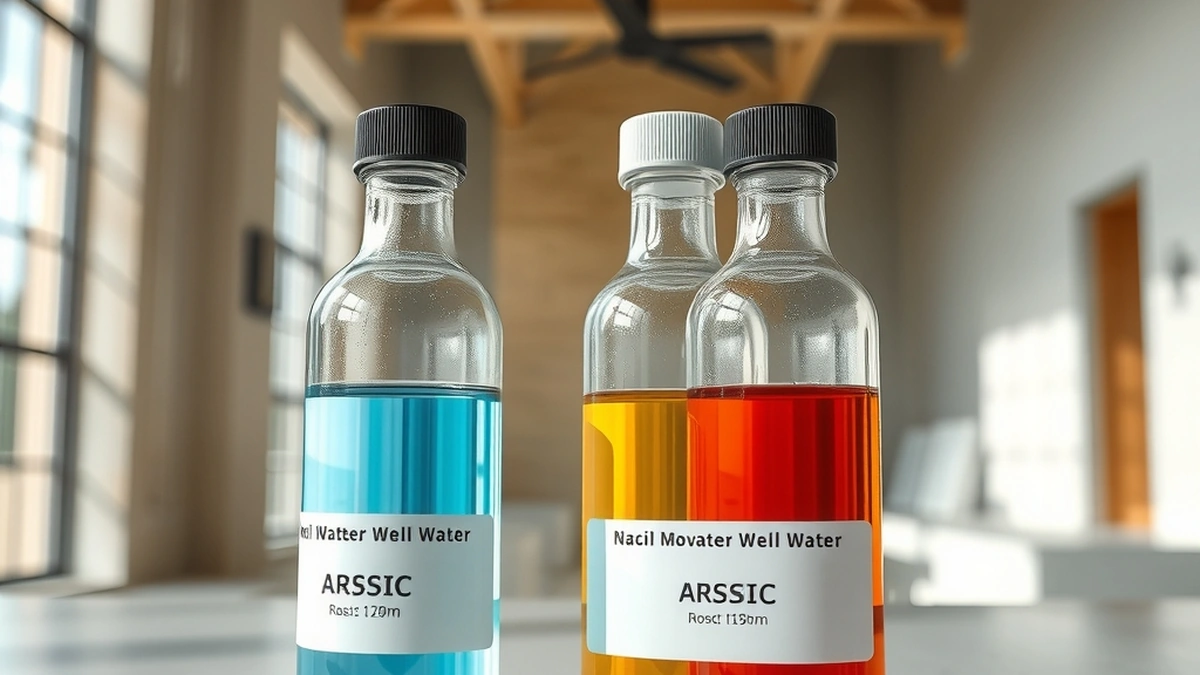
Fill a clear glass and set it on a white surface. Watch for five minutes, then again after an hour.
Cloudiness that clears from the bottom up is entrained air. The bubbles rise and escape, and the water is fine.
Cloudiness that settles to the bottom as a visible layer is sediment. The water above may clear, and the deposit shows what the filter has to catch.
Haze that stays uniform with no settling suggests fine clay, hardness precipitation, or bacteria.
The Hot and Cold Comparison
Fill one glass from the cold tap and one from the hot tap. Compare them side by side in good light.
Cold cloudy and hot clear points to air or sediment in the supply. Hot cloudy and cold clear points to the water heater or to hardness.
Both cloudy suggests a supply-wide issue, and the treatment depends on what else is in the water.
Turbidity Measurement
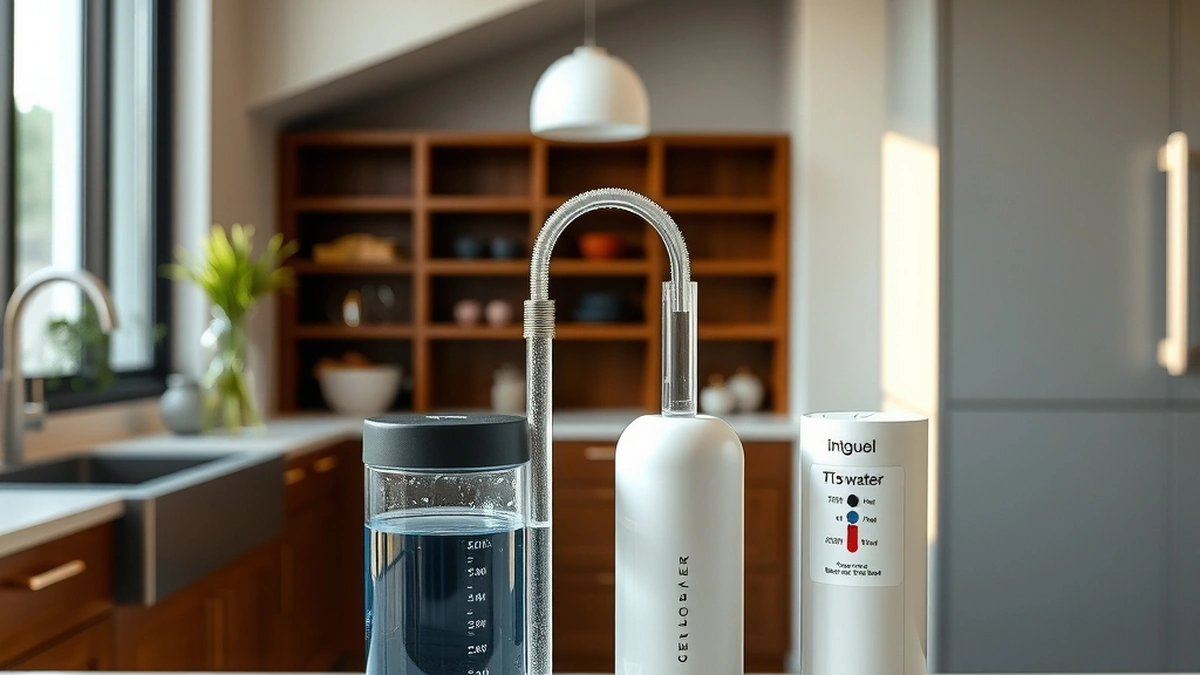
A portable turbidity meter costs $40 - $150 and reports in NTU. It turns a subjective impression into a number you can track.
Measure a fresh sample and a sample after the water has run for five minutes. The difference shows whether the cloudiness comes from the pipes or the supply.
Under 1 NTU is clear. Above 5 NTU is visible and worth investigating. Between 1 and 5, the water is slightly hazy and a filter may be all that is needed.
Lab Testing
A lab panel for cloudy water should include turbidity, iron, manganese, hardness, pH, and bacteria. The panel costs $40 - $150.
Bacteria matter because haze with a musty odor is a different problem from haze with no odor, and the treatment is different.
Iron and manganese matter because oxidized metals look like sediment and settle the same way. A filter catches them, but the source needs its own treatment.
Reading the Signs
| Observation | Likely cause | Next test |
|---|---|---|
| Clears bottom-up in minutes | Entrained air | None |
| Settles as grit | Sediment | Turbidity, TSS |
| Hot only | Hardness or heater | Hardness test |
| Orange tint | Iron | Iron test |
| Black tint | Manganese | Manganese test |
| Hazy with odor | Bacteria | Bacteria test |
| Appears after rain | Well casing | Bacteria, turbidity |
The table is a decision tree in miniature. Each row leads to one test rather than a full panel, which saves money and time.
Sampling for a Lab
- Use the lab’s bottle for bacteria and a clean bottle for turbidity.
- Run the cold tap for 3 - 5 minutes before filling.
- Avoid introducing air bubbles when filling.
- Note whether the sample was first-draw or flushed.
- Deliver within the holding time.
- Record the date, tap, and weather.
A sample taken from a tap that has not run will include sediment that settled overnight, and the reading will overstate the supply problem.
When Cloudiness Is Serious
Cloudiness that appears suddenly, follows rain, or comes with an odor deserves a bacteria test before anything else.
Cloudiness in a municipal supply is the utility’s responsibility, and a call to the water department is the first step. They may be flushing mains or repairing a break.
Cloudiness that clears after running the tap for several minutes is a plumbing or pressure tank issue, not a supply issue.
Testing After Treatment
Sample downstream of the filter and compare with the raw reading. A working 5-micron cartridge should bring turbidity under 1 NTU.
Check the pressure drop as well. A filter that reads clear but shows a 15 PSI drop is loaded and passing water around the element.
Retest after any change in the well, the pump, or the plumbing. Cloudiness often returns when the source changes.
Rinse the sample vial with the water being tested before filling it, and hold it by the cap to avoid fingerprints in the light path.
Take three readings and average them. A single reading can be skewed by a bubble or a particle passing the sensor.
Record the number with the date and the tap. A trend over weeks is more useful than a single measurement, especially when a filter is being monitored.
Turbidity does not identify what the particles are. Sand, clay, rust, and bacteria all scatter light, and the meter cannot tell them apart.
That is why a turbidity reading is paired with a lab panel when treatment is being designed. The number says how much; the panel says what.
A clear reading also does not prove the water is safe. Dissolved contaminants like nitrate and arsenic are invisible and do not affect turbidity.
Retest a week after installing a filter, then again at three months. A filter that works initially can channel or clog, and the second reading catches it.
Retest after any well work, after heavy rain, and whenever the water looks different. Those are the moments when the source changes.
Keep the readings in one place. A contractor can use a year of numbers to tell whether a well is stable or deteriorating.
A final note on the glass test: it is worth doing at two taps, one near the entry point and one at the far end of the house. A difference between them points to the interior plumbing rather than the supply, and that changes who you call.
For the fixes, see cloudy water treatment. For the general problem, see cloudy water. For sediment testing, see sediment in water test.
Frequently asked questions
How do I test if my water is cloudy from air?
Fill a clear glass and let it stand. Air bubbles clear from the bottom up within minutes, while sediment settles to the bottom and the water above clears more slowly.
What does cloudy water indicate?
It can indicate entrained air, suspended sediment, precipitated hardness, oxidized iron, or bacterial growth. The behavior of the cloudiness points to which one.
Should I test cloudy well water?
Yes. Cloudiness can be harmless air or a sign of sediment, iron, or bacteria. A lab panel settles it and costs $40-$150.
What is a normal turbidity reading?
Under 1 NTU is clear. Municipal water is usually below 0.5 NTU, and readings above 5 NTU are visible and worth investigating.
Why is only my hot water cloudy?
Heating releases dissolved gases and precipitates hardness minerals. That points to the water heater or to hardness rather than to sediment in the supply.
Can I test cloudiness with a strip?
No. Strips measure dissolved parameters. Cloudiness needs a visual check, a turbidity meter, or a lab test.
Sources
Some links are affiliate links.If you buy through them we may earn a commission at no extra cost to you. We do not accept payment for rankings. Read the full disclosure.