Lead in Water Treatment: Filters, RO, and Flushing
Lead usually comes from pipes and fixtures, not the source. See certified filters, RO, and flushing, with costs and the 0.015 mg/L action level.
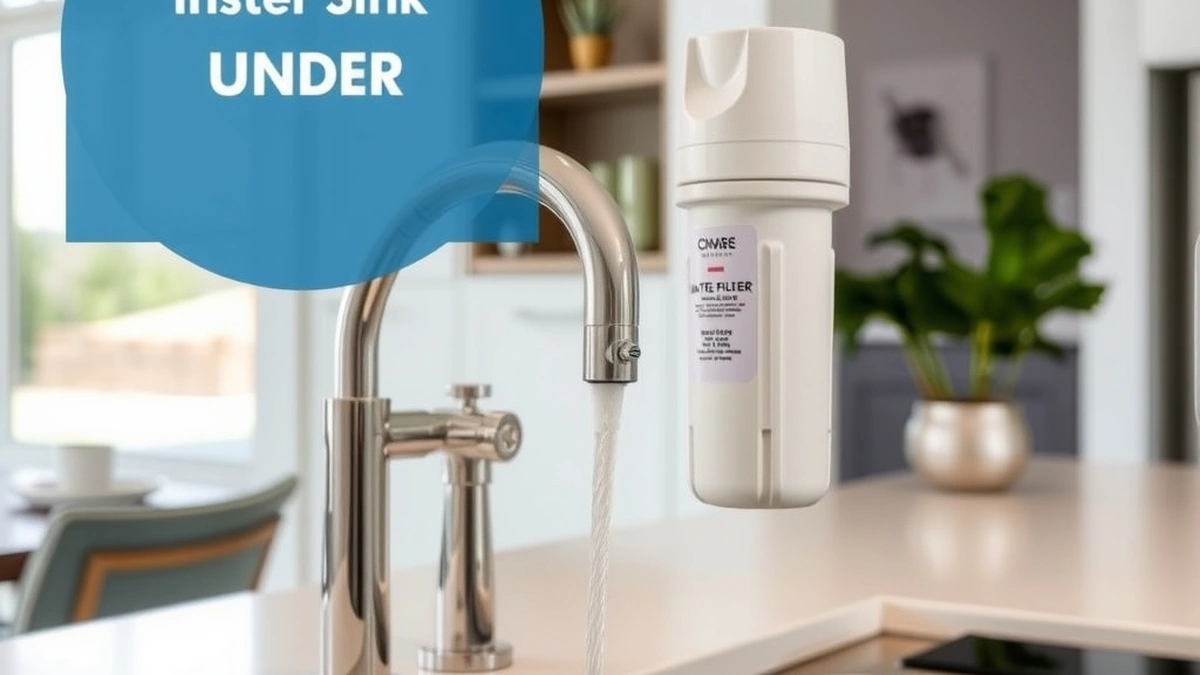
Lead in water is treated with a certified point-of-use filter, reverse osmosis, or replacement of the lead source. The EPA action level is 0.015 mg/L, and a certified filter costs $30 - $150 while an under-sink RO runs $300 - $900 installed.
- Action level
- 0.015 mg/L
- Certified filter
- $30 - $150
- Under-sink RO
- $300 - $900 installed
- Whole-house media
- $1,500 - $4,000
- Lab test
- $30 - $100
Some links on this page are affiliate links.If you buy through them we may earn a commission at no extra cost to you. We do not accept payment for rankings. Read the full disclosure.
Lead in water usually comes from the plumbing, not the source. Service lines, solder, and brass fixtures leach the metal into standing water. Treatment means a certified filter at the tap, a reverse osmosis system, or replacing the lead source. The EPA action level is 0.015 mg/L.
Where Lead Comes From
Lead service lines are the largest source in older cities. Homes built before the 1986 ban on lead solder and lead-containing brass are the next most common case.
Lead leaches faster in corrosive water: low pH, low mineral content, and high chloride all increase the rate. That is why the same pipe can be stable in one system and problematic in another.
The source water itself rarely contains lead at significant levels. The plumbing is the device that adds it.
Certified Point-of-Use Filters
A filter certified to NSF/ANSI 53 for lead reduction removes lead at the tap. Certification is specific: a carbon filter certified for chlorine is not automatically certified for lead.
Pitcher, faucet-mount, and under-sink filters are available, at $30 - $150. Check the certification listing for the exact model and the lead reduction claim.
Replace cartridges on schedule. A spent cartridge can release adsorbed lead, which is worse than no filter at all.
Reverse Osmosis
RO removes lead along with other dissolved solids. An under-sink system costs $300 - $900 installed and treats drinking and cooking water at one tap.
Running costs are $60 - $150 a year, with a membrane every 2 - 3 years. The system needs a drain connection and a storage tank.
RO is the choice when several contaminants are present, or when the household wants a broad removal barrier rather than a lead-specific cartridge.
Whole-House Treatment
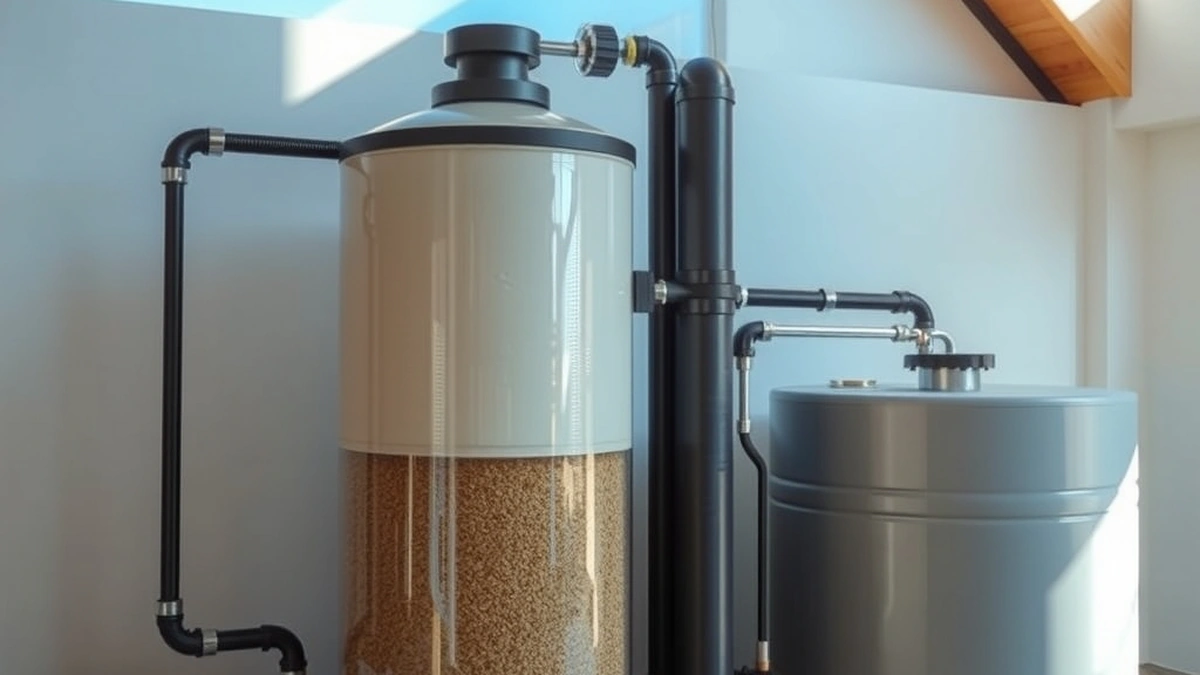
An adsorptive media tank, usually iron-based or a specialized lead media, treats the whole house. Installed cost is $1,500 - $4,000.
Whole-house treatment is used when the plumbing throughout the home is a source, or when a household wants every tap protected. It is more expensive and needs backwashing and media replacement.
For most homes, a kitchen-tap filter plus flushing is enough. The exception is a home with lead service lines and lead solder throughout.
Comparison
| Method | Cost | Treats | Certified for lead |
|---|---|---|---|
| Pitcher filter | $30 - $60 | Drinking water | If NSF 53 listed |
| Faucet filter | $40 - $100 | One tap | If NSF 53 listed |
| Under-sink RO | $300 - $900 | One tap | Yes, by membrane |
| Whole-house media | $1,500 - $4,000 | All taps | Media dependent |
| Distiller | $150 - $500 | Drinking water | Yes |
A standard softener does not remove lead, and neither does a sediment filter. Those devices are not a lead treatment.
Flushing and Cold Water
Running the tap for 30 seconds to 2 minutes before drinking clears water that has been sitting in the service line and interior plumbing. That is the cheapest intervention available.
Use cold water for drinking, cooking, and formula. Hot water dissolves more lead and comes from the heater, where the metal has had more contact time.
Flushing is a management measure, not a treatment. It reduces exposure and does not remove the source.
Replacing the Source
Replacing a lead service line removes the source. The cost varies widely by jurisdiction, from $1,500 to $10,000, and some utilities offer partial funding or replacement programs.
Replacing interior lead solder is part of a renovation, not a treatment purchase. In a home with lead solder, a certified filter is the practical interim step.
Ask the water utility whether the service line is lead. Many utilities publish an inventory, and some will test the line on request.
A certified faucet filter at $80 plus $60 a year in cartridges costs $680 over ten years.
An under-sink RO at $600 installed plus $100 a year plus two membranes costs $1,760 over the same period.
A whole-house media system at $2,500 installed plus $300 a year in media and service costs $5,500.
Flushing costs nothing beyond the water bill and is worth doing regardless of which treatment is installed.
Steps to Take
- Test the water with a certified lab.
- Identify whether the service line is lead.
- Flush the tap before drinking and use cold water.
- Install an NSF 53 certified filter or an RO system.
- Replace cartridges on schedule.
- Retest the treated water after installation.
- Ask the utility about service line replacement.
A filtering pitcher at $40 plus $60 a year in cartridges costs $640 over ten years, which is the cheapest certified option. A faucet-mounted filter costs about the same to buy and a little less to maintain, and it is easier to remember to use because it is on the tap.
The tradeoff with pitchers and faucet filters is capacity and speed. A pitcher takes minutes to fill, and a faucet filter slows the flow. An under-sink RO or a dedicated filter tap removes that friction, which is why households that drink a lot of water tend to upgrade.
None of these devices removes a lead service line. They reduce exposure at the tap, and the source replacement is a separate project with the utility.
One more consideration is the cold-water line to the refrigerator and any ice maker. Those run on the same plumbing and are often forgotten. A filter at the kitchen tap does not protect the ice, and a refrigerator filter needs to be certified for lead if the ice is a concern.
For the testing side, see lead in water test. For the tap-level treatment, see lead in tap water. For the filter category, see under-sink water filter cost.
Frequently asked questions
What removes lead from drinking water?
A filter certified to NSF/ANSI 53 for lead reduction, a reverse osmosis system, or distillation. Standard carbon pitchers may not be certified for lead.
Does a water softener remove lead?
No. A cation-exchange softener does not reliably remove lead, and it is not a certified lead treatment.
Is boiling water safe for lead?
No. Boiling concentrates lead because the water evaporates and the metal remains. Use cold water and a certified filter instead.
How much does lead treatment cost?
A certified faucet filter is $30-$150, an under-sink RO is $300-$900 installed, and a whole-house adsorptive system is $1,500-$4,000.
Why is my lead result higher in the first draw?
Lead leaches from pipes and fixtures when water sits. A first-draw sample captures that contact water, while a flushed sample shows the water coming from the main.
Can I test for lead with a strip?
No reliable strip exists for lead at the 0.015 mg/L level. Use a certified laboratory.
Sources
Some links are affiliate links.If you buy through them we may earn a commission at no extra cost to you. We do not accept payment for rankings. Read the full disclosure.