How to choose a alkaline water filter
Choose an alkaline filter by whether you want a pH bump at one tap or whole-house correction. See cartridge vs ionizer and $60-$2,000 pricing.
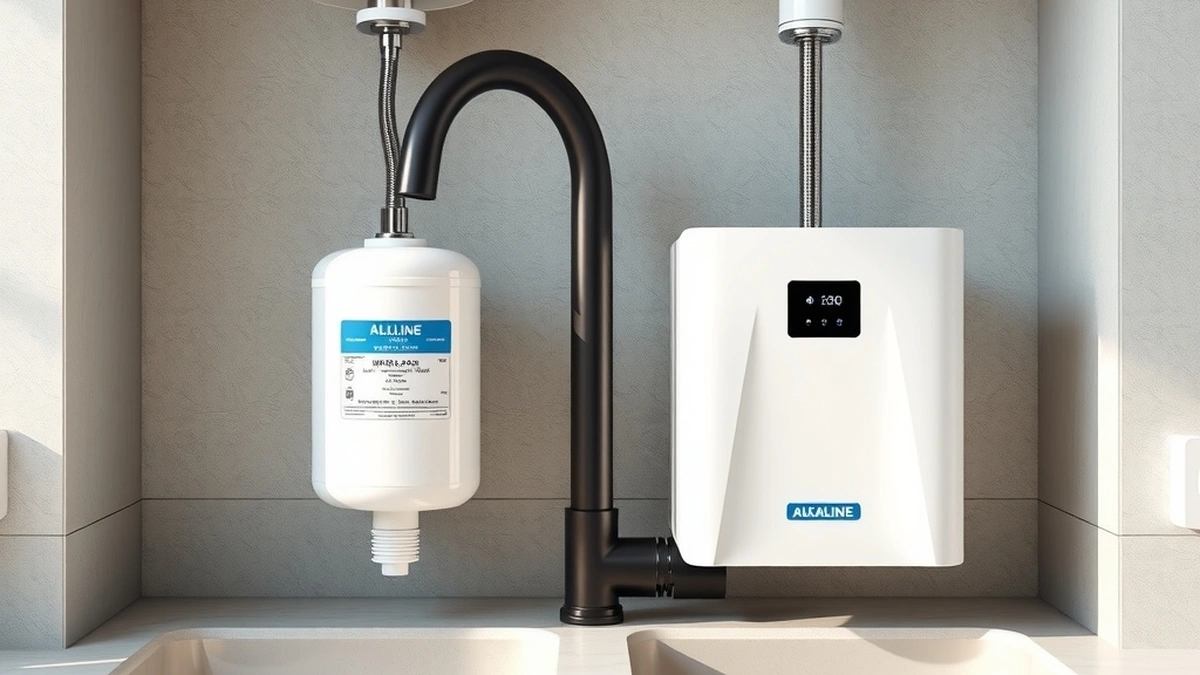
Choose an alkaline water filter by the pH result you want and where you want it. A calcite cartridge at $60-$400 raises pH at one tap; an ionizer at $800-$2,000 offers adjustable output and needs power and a drain.
- Cartridge kit
- $60 - $400
- Ionizer
- $800 - $2,000
- Whole-house neutralizer
- $800 - $2,000
- Cartridge life
- 6 - 12 months
- Power for ionizer
- 120V outlet
Some links on this page are affiliate links.If you buy through them we may earn a commission at no extra cost to you. We do not accept payment for rankings. Read the full disclosure.
Choose an alkaline water filter by the pH result you want and the number of taps that need it. A calcite cartridge at $60-$400 raises pH at one faucet; an ionizer at $800-$2,000 adds adjustable output and needs power and a drain. Neither is a substitute for fixing acidic water at the main.
Three products, three jobs
The phrase “alkaline water filter” covers a mineral cartridge, an electrolysis ionizer, and a whole-house neutralizer tank. They are not variations of one product.
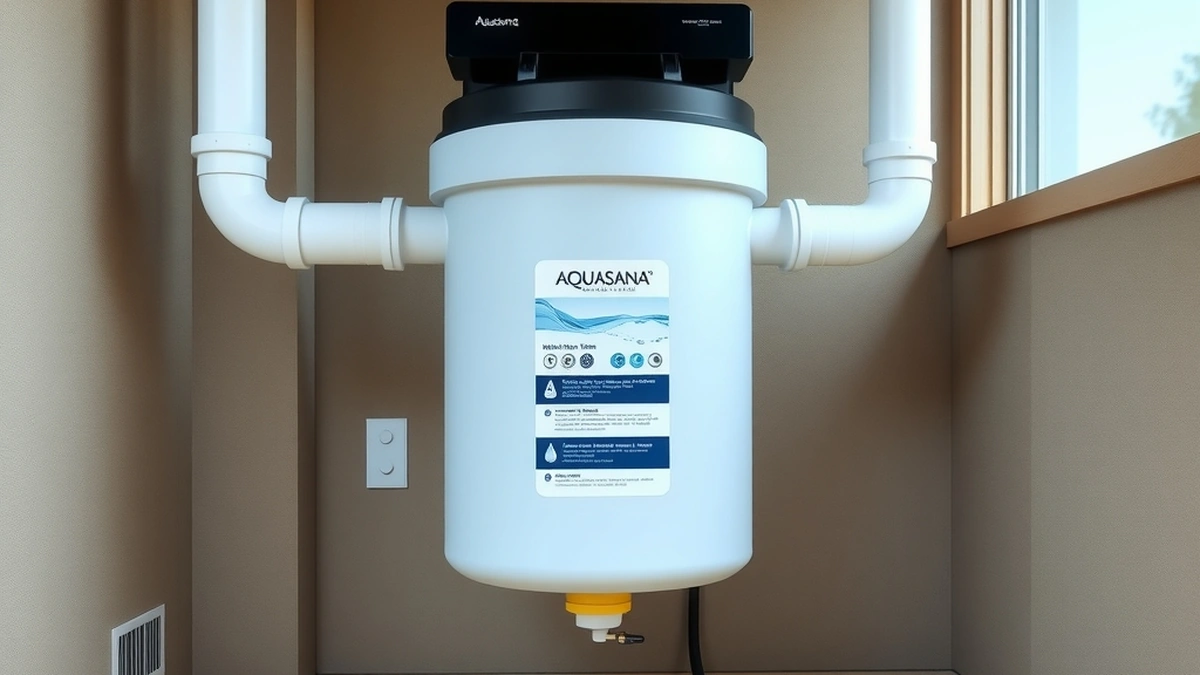
A mineral cartridge dissolves calcite or a calcite-magnesite blend into the water. It raises pH and adds a small amount of hardness, and it needs no power.
An ionizer splits the stream into alkaline and acidic fractions using electricity. It offers adjustable pH and produces a waste stream that goes to drain.
A neutralizer tank treats every gallon in the house. It is the correct device when pH is low enough to corrode copper plumbing, typically below 6.5.
Match the device to the problem
If one tap tastes flat or reads 6.8 pH, a cartridge is enough. If the whole house has acidic water and blue-green stains on fixtures, a neutralizer is the answer.
If the goal is adjustable alkaline water for drinking, an ionizer provides that, at a price. If the goal is simply less corrosion, the ionizer is the wrong tool and the neutralizer is right.
Blue-green staining is the tell for acidic water attacking copper. Blue green stains covers the diagnosis, and it is worth doing before buying any alkaline device.
Cartridge versus ionizer
| Factor | Cartridge | Ionizer |
|---|---|---|
| Cost | $60 - $400 | $800 - $2,000 |
| Power | None | 120V outlet |
| Drain | None | Required |
| pH adjustment | Fixed by media | Adjustable |
| Maintenance | Cartridge every 6-12 months | Plate cleaning, pre-filter |
| Waste water | None | Acidic stream to drain |
A cartridge raises pH by a predictable amount and cannot be tuned. An ionizer can be set, which is the feature people pay for and the feature that requires the most maintenance.
Plate cleaning every one to two months is not optional on an ionizer. Scaled plates reduce output and eventually trigger a low-flow alarm.
What pH actually does
pH is a measure of acidity on a 0-14 scale, with 7 neutral. Water below 6.5 is corrosive to metal plumbing; water above 8.5 can scale and taste flat.
Calcite raises pH by dissolving carbonate, which also raises alkalinity. That buffering capacity is what keeps pH stable, and it is why a cartridge’s effect fades as the media is consumed.
An ionizer raises the pH of one stream without adding minerals. The effect is real but temporary in the glass, and it depends on the source water’s alkalinity.
No health claim belongs in this decision. The measurable variables are pH, alkalinity, and mineral content.
Sizing and installation
A cartridge is sized by flow, typically 0.5-1 GPM at a dedicated faucet. An ionizer is sized by flow and by the number of plates, with most residential units handling 1-2 GPM.
A neutralizer tank is sized by household flow, commonly 8-15 GPM, and it backwashes like a softener. It needs a drain.
Installation for a cartridge is 20-60 minutes: a tee, tubing, and a faucet. An ionizer takes 1-2 hours because of the outlet and drain. A neutralizer takes 2-4 hours.
A buying sequence
- Test pH, alkalinity, and hardness, and check for blue-green staining.
- Decide whether the problem is one tap or the whole house.
- Choose a cartridge for a one-tap pH bump, a neutralizer for acidic plumbing.
- Choose an ionizer only if adjustable output is the actual goal.
- Confirm an outlet and drain exist for an ionizer.
- Check cartridge or plate replacement prices before buying.
What to ignore
Ignore pH claims measured on a strip. A strip reads in half-unit steps at best, and the difference between 7.0 and 7.5 matters less than the alkalinity behind it.
Ignore “antioxidant” and “micro-clustered” language. Neither is a measurable water treatment specification.
Ignore a device sold as a cure for a plumbing problem it cannot reach. An under-sink cartridge does not protect copper pipes in the walls. Alkaline water filter installation covers the plumbing, and alkaline water ionizer compares electrolysis units in more detail. “”
How the decision looks in practice
Three households, three answers, and none of them is the most expensive option.
A renter with a kitchen tap that reads 6.9 and no way to modify plumbing buys a $150 under-sink cartridge, installs it in an hour, and stops there. The pH shift is modest and the cost is proportional.
A homeowner with copper pipes, blue-green stains on the tub, and a pH of 6.2 buys a backwashing neutralizer at $800-$2,000 installed. That device protects the plumbing, which is a larger asset than the drinking water.
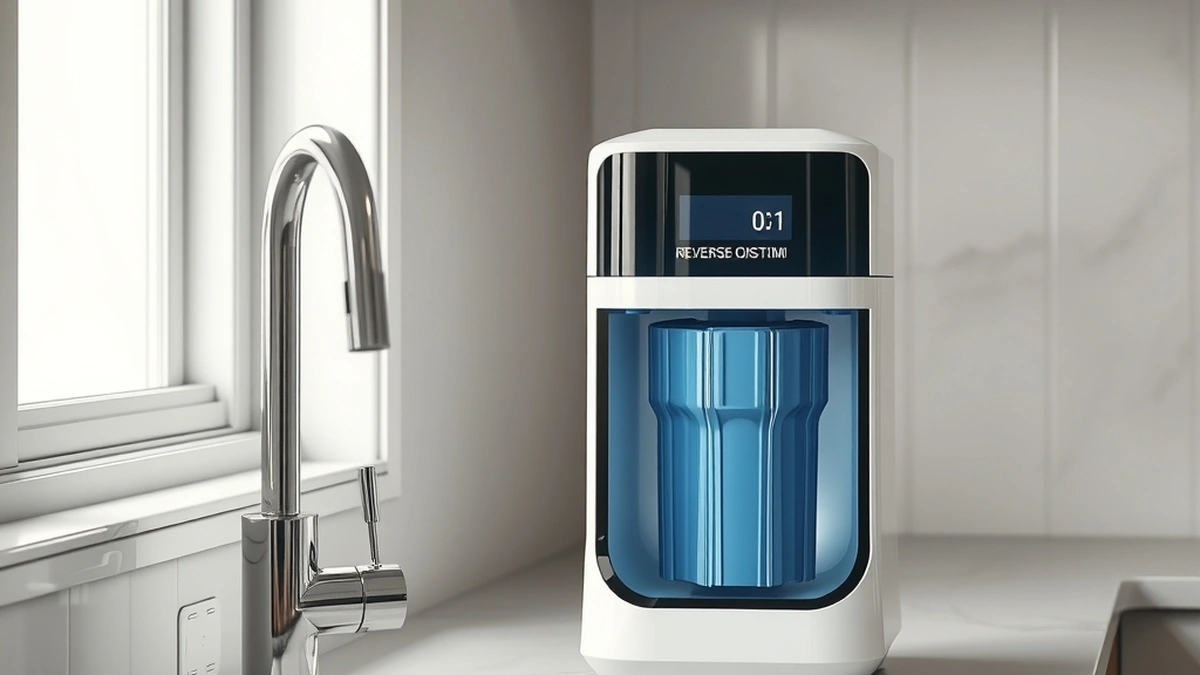
A household with an RO system and flat-tasting water buys a $90 calcite post-cartridge and installs it after the membrane. That is the most common use of alkaline media in the US, and it costs less than a single ionizer service call.
Write down which of those three you are before comparing products. The category is wide enough that a poorly framed question produces a $2,000 answer to a $150 problem. How does reverse osmosis work explains the pairing if that last case fits.
Frequently asked questions
What is the difference between an alkaline filter and an ionizer?
A filter dissolves mineral media such as calcite to raise pH. An ionizer uses electrolysis to separate water into alkaline and acidic streams, and it needs power and a drain for the acidic fraction.
Do I need an alkaline filter if my pH is 7.4?
Probably not. Water at 7.4 is already neutral to slightly alkaline. Alkaline treatment makes more sense below 6.5, where acidic water corrodes plumbing.
Will an alkaline filter raise the hardness reading?
Yes, slightly. Calcite adds calcium carbonate, which is what a hardness test measures. Expect an increase of 1-3 grains per gallon depending on media volume.
How much does an alkaline water filter cost?
Sixty to four hundred dollars for a cartridge kit, eight hundred to two thousand for an ionizer, and eight hundred to two thousand for a whole-house neutralizer tank.
Can I install an alkaline filter myself?
A cartridge unit is a standard under-sink install with a tee and tubing. An ionizer also installs without soldering but needs an outlet and a drain line for the acidic stream.
Does alkaline water need a remineralization stage after RO?
RO water is low in minerals and tastes flat. A calcite cartridge after the membrane adds minerals back and buffers pH, which is why the two are often paired.
Sources
Some links are affiliate links.If you buy through them we may earn a commission at no extra cost to you. We do not accept payment for rankings. Read the full disclosure.