How to choose a water softener salt
Choose softener salt by purity, form, and valve type. See pellets vs solar vs block, potassium chloride costs, and how dose affects the yearly bill.
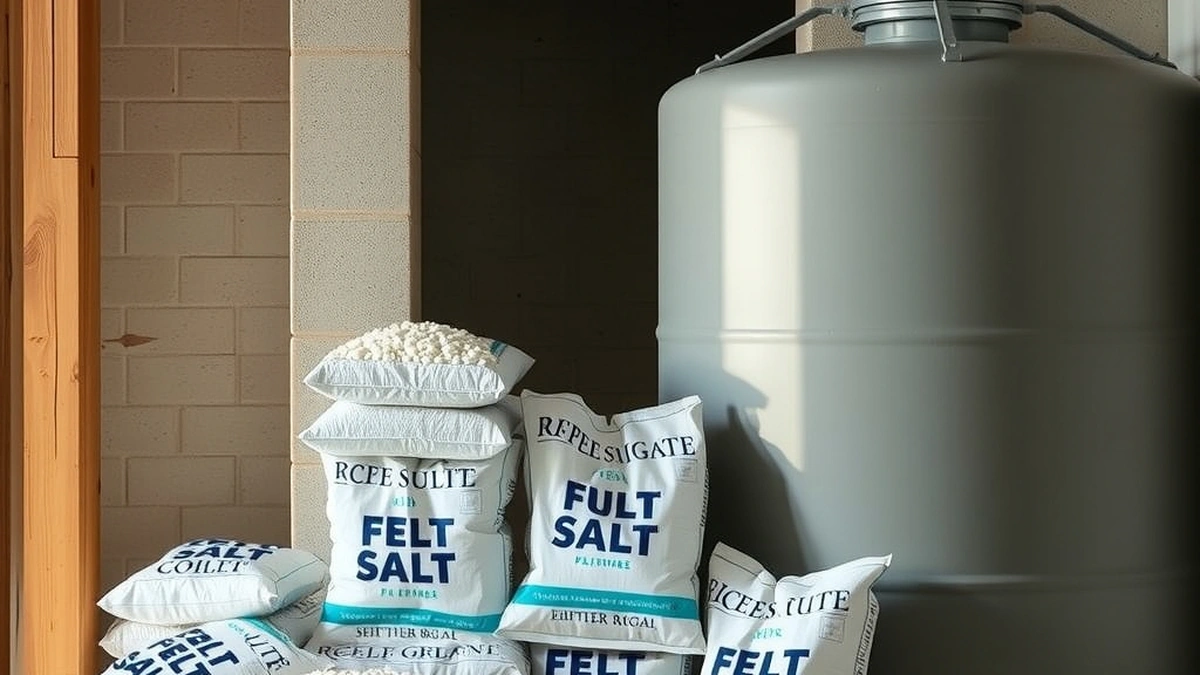
Choose pellets for most softeners, solar salt for budget use with regular cleaning, and potassium chloride only if sodium is a concern. Salt costs $120-$400 per year at a dose of 8-12 pounds per regeneration.
- Annual cost
- $120 - $400
- Dose per regen
- 8 - 12 pounds
- Pellets
- $8 - $15 per 40 lb
- Potassium
- $25 - $45 per 40 lb
- Bag weight
- 40 pounds
Some links on this page are affiliate links.If you buy through them we may earn a commission at no extra cost to you. We do not accept payment for rankings. Read the full disclosure.
Choose pellets for most softeners, solar salt if you will clean the brine tank annually, and potassium chloride only if sodium is a real concern. Salt costs $120-$400 per year at a typical dose of 8-12 pounds per regeneration. Purity matters more than brand.
What the salt is doing
Salt does not filter water and does not reach the tap. It makes brine, and brine recharges the resin bed during regeneration.
The resin exchanges calcium and magnesium for sodium. When it is exhausted, brine washes the captured minerals away and restores the exchange sites.
That means salt quality affects the regeneration, not the drinking water. Impure salt leaves sludge and bridges that block brine draw, which stops softening while the tank still looks full.
The four common types
| Type | Cost per 40 lb | Purity | Best for |
|---|---|---|---|
| Pellets | $8 - $15 | High | Most valves, default choice |
| Solar salt | $6 - $12 | Medium | Budget use, annual cleaning |
| Rock salt | $5 - $10 | Low | Units rated for it only |
| Block salt | $10 - $20 | High | Specific older softeners |
| Potassium chloride | $25 - $45 | High | Sodium-sensitive households |
Pellets are compressed evaporated salt and dissolve cleanly. Solar salt is evaporated seawater and works well but carries more calcium sulfate.
Rock salt is mined and carries the most insoluble material. It is cheap and it clogs injectors, which makes it a false economy in most homes.
Dose, capacity, and the yearly bill
Salt dose per regeneration is set on the valve, usually 8-12 pounds. Higher doses deliver more capacity per cycle but use salt less efficiently per pound.
A 32,000-grain softener at 10 pounds per regeneration gets about 3,200 grains of capacity per pound, which is a good efficiency point.
Work the annual arithmetic: 10 pounds per week is 520 pounds per year, or 13 bags. At $11 per bag, that is $143 per year. At two regenerations per week, it is 1,040 pounds, or 26 bags, at $286.
Potassium chloride at $35 per bag for 26 bags is $910 per year, which is why most households stay with sodium.
When potassium makes sense
Potassium chloride is the alternative when a household wants to avoid sodium in drinking water, or when local rules restrict sodium discharge.
It costs two to three times as much and requires a higher dose for the same capacity, so the annual bill can triple. It also dissolves differently and may need a different brine setting.
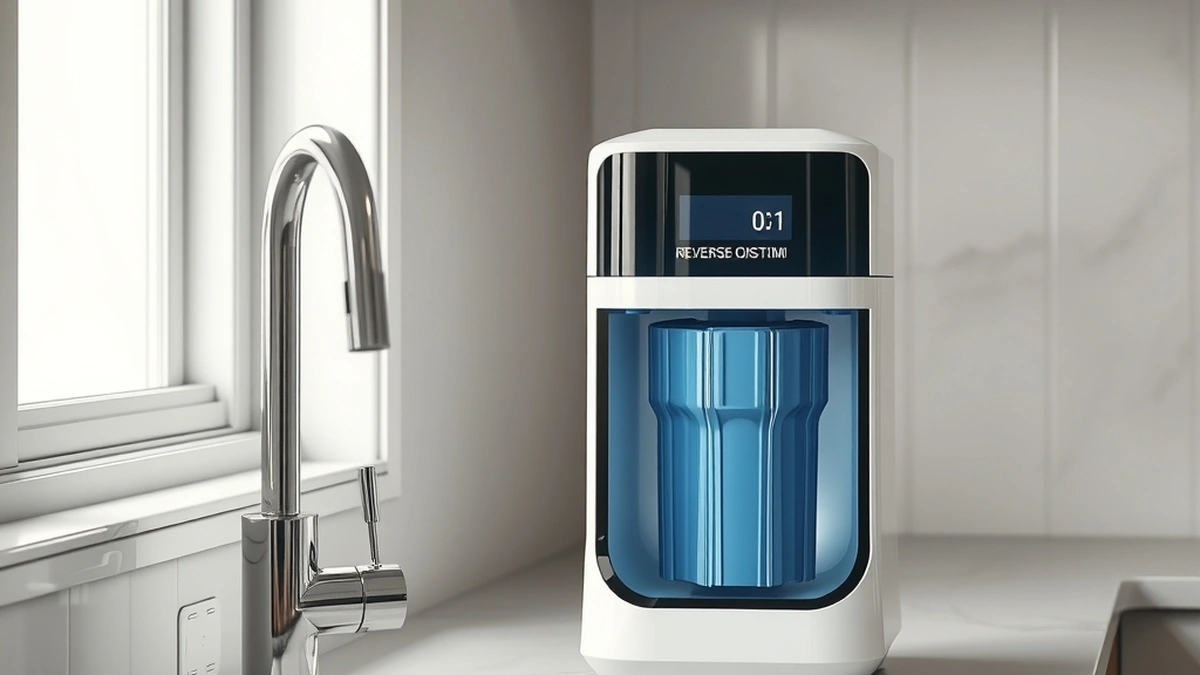
If the concern is sodium in drinking water, a reverse osmosis unit at the kitchen tap at $300-$900 removes it far more cheaply than switching the whole house to potassium.
Form and storage
Pellets and solar salt come in 40-pound bags. Block salt comes in 25-50 pound blocks for specific older units.
Store bags dry and off a concrete floor that sweats. Salt that absorbs moisture cakes before it is used, and caked salt bridges in the tank.
Buy a pallet only if you have dry storage for 2,000 pounds. The per-bag saving is $2-$4, and ruined salt erases it.
Reading the tank
Keep the salt level at least a few inches above the water line and below the tank’s maximum mark. A tank filled to the top compacts under its own weight and bridges.
Break any crust on the surface with a clean stick before adding more. A bridge looks like a full tank and behaves like an empty one.
Clean the brine tank once a year. Sludge accumulates at the bottom regardless of salt type, and it blocks the brine pick-up.
A buying sequence
- Check the softener manual for the manufacturer’s salt specification.
- Choose pellets unless there is a reason not to.
- Compare price per pound rather than per bag.
- Confirm the dose setting matches the resin volume and hardness.
- Buy two spare bags so a refill is never urgent.
- Note the fill date so the annual consumption is visible.
What to ignore
Ignore “100 percent pure” claims without a grade. All pellet salt is high purity; the difference is in the insolubles.
Ignore rust remover additives unless iron is a known problem. They help at low iron levels and mask a filtration problem at high ones.
Ignore the cheapest bag if it is rock salt and the valve is not rated for it. The injector screen will tell you within a year. Softener salt types compares grades, and water softener salt cost covers the annual arithmetic. “”
What salt does not fix
Salt restores resin capacity. It does not remove iron, and it does not clean a fouled bed.
A softener on water with 5 ppm iron will consume salt faster and still pass iron, because the resin’s exchange sites are occupied by iron that brine cannot fully strip. The fix is an iron filter ahead of the softener, not a different salt.
Salt will not fix hardness that comes from a bypass valve left open. If the house tests hard at every tap and the softener is regenerating normally, check the bypass position before buying anything.
Salt will not correct an undersized unit. A system that runs out of capacity on day five of a seven-day cycle needs a larger tank or a shorter interval, and no salt grade changes that arithmetic.
Finally, salt will not make a salt-free conditioner work. Those devices do not use salt, and adding it does nothing. Salt-based versus salt-free softener explains the difference if the two categories have been confused.
Frequently asked questions
What type of salt is best for a water softener?
Pellets are the safest default. They dissolve cleanly, leave little insoluble residue, and are specified by most valve manufacturers.
Is solar salt as good as pellets?
It works and costs less, but it carries more calcium sulfate that forms sludge in the brine tank. It suits households willing to clean the tank annually.
Can I use rock salt in a softener?
Only if the manufacturer allows it. Rock salt has more insoluble material and can clog the brine valve and injector screen.
How much salt does a softener use per year?
A household regenerating weekly at 10 pounds uses 520 pounds, or 13 bags. At $10-$30 per bag, that is $130-$390, which matches the $120-$400 range.
Is potassium chloride worth the extra cost?
It costs two to three times as much and needs a higher dose for the same capacity. It is worth it only when sodium in drinking water is a genuine concern.
Does salt quality affect softening?
Indirectly. Impure salt forms sludge and bridges that block brine draw, which stops softening even though the tank looks full.
Sources
Some links are affiliate links.If you buy through them we may earn a commission at no extra cost to you. We do not accept payment for rankings. Read the full disclosure.