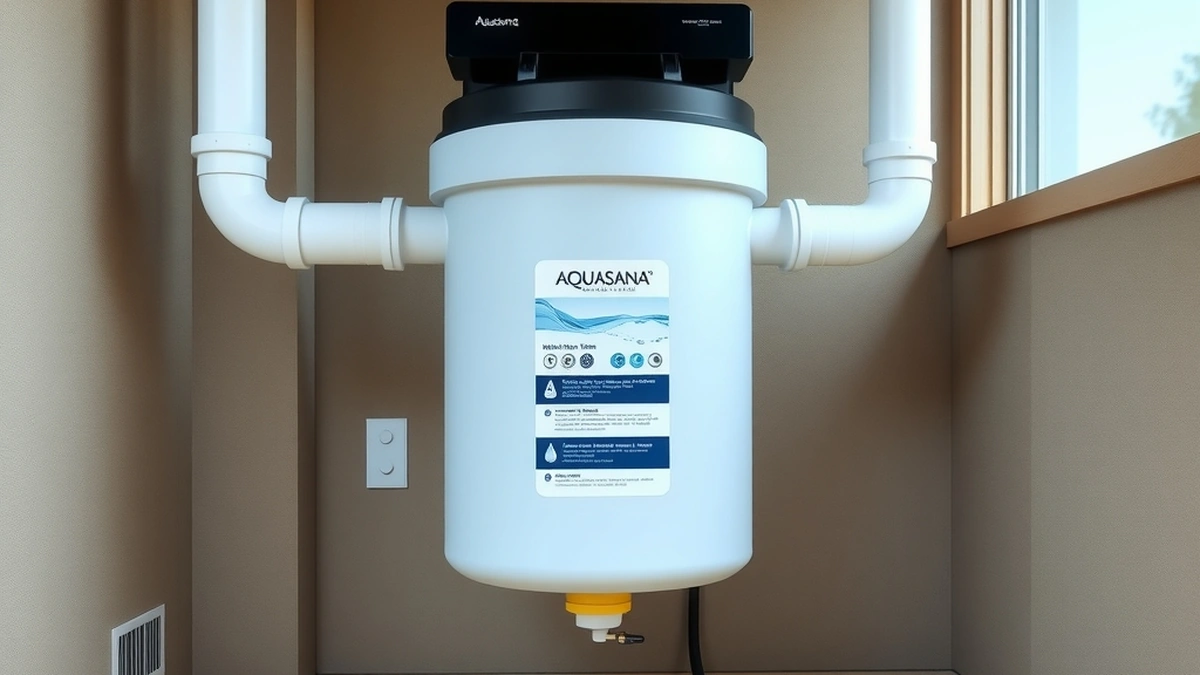
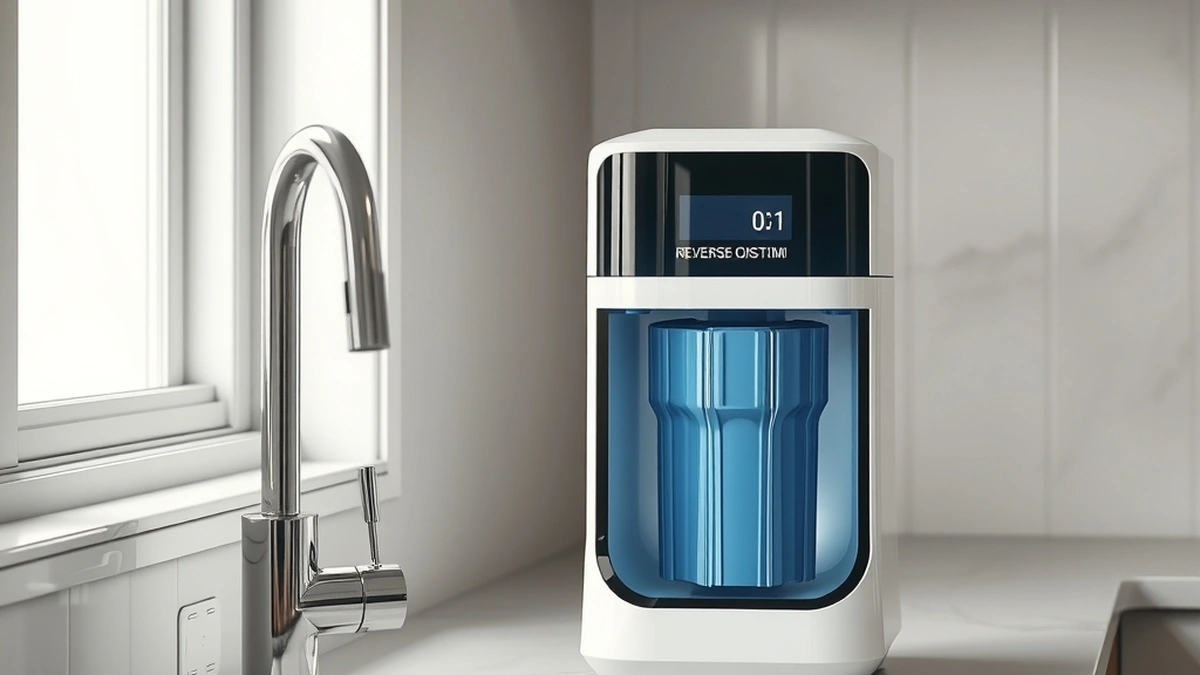
Brita Filter Review: What It Does and Does Not Remove
A numbers-first look at Brita pitcher and faucet filters, certified reductions, replacement costs, and how they compare to whole-house treatment.
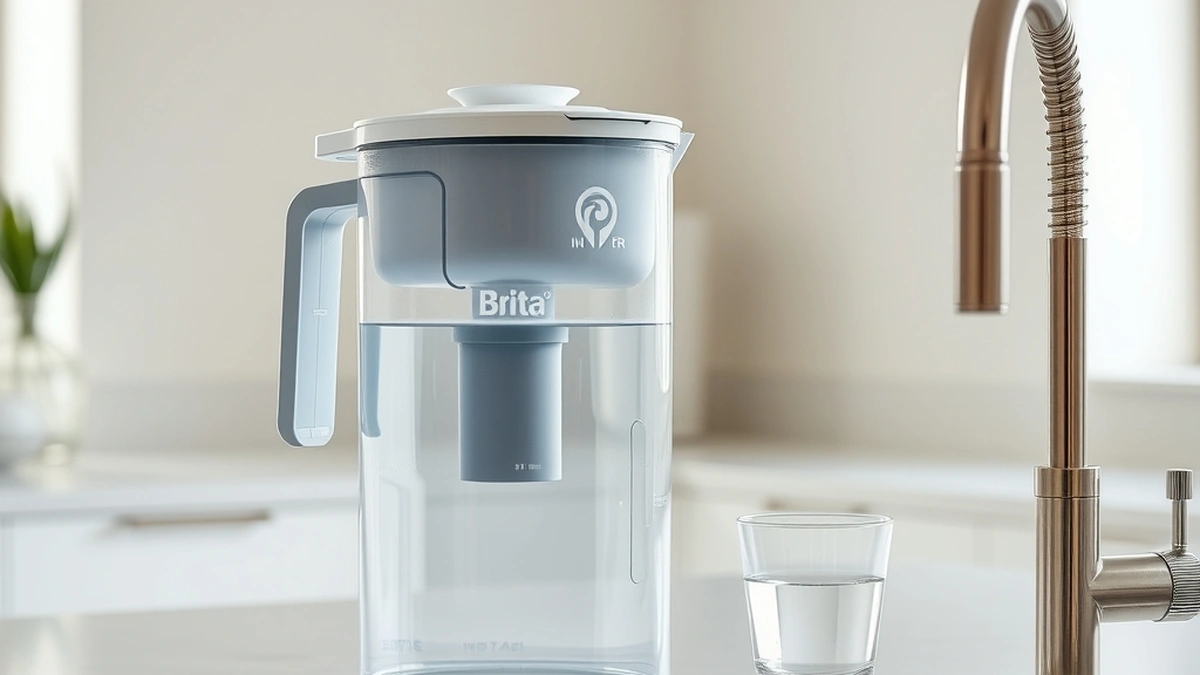
Brita pitchers and faucet filters reduce chlorine taste, odor, and some metals, but they do not soften hard water or remove dissolved solids like a softener or reverse osmosis system.
- Typical pitcher filter life
- 2 months or 40 gallons
- Typical faucet filter life
- 4 months or 100 gallons
- Pitcher filter cost
- About $6–$9 per cartridge
- Faucet filter cost
- About $20–$25 per cartridge
- Whole-house carbon filter installed
- $500–$1,800
Some links on this page are affiliate links.If you buy through them we may earn a commission at no extra cost to you. We do not accept payment for rankings. Read the full disclosure.
Brita pitcher and faucet filters reduce chlorine taste, odor, and certain metals through activated carbon. They do not soften water, remove dissolved solids, or treat bacteria unless a specific model carries the relevant certification. Before buying any filter, test your water to know what you are actually trying to reduce.
What Brita Filters Are Designed to Do
Brita products use activated carbon, often in a block or loose granular form, to adsorb chemicals and particles that affect taste and smell. The most common target is free chlorine, which municipal utilities add as a disinfectant. Carbon can also reduce some volatile organic compounds and certain metals, depending on the product and its certification.
Pitcher filters typically last about 2 months or 40 gallons, while faucet-mounted filters are rated around 4 months or 100 gallons. At roughly $6 to $9 per pitcher cartridge and $20 to $25 per faucet cartridge, annual replacement costs can run $36 to $150 depending on household usage. That is inexpensive up front, but the cost per gallon is higher than many whole-house or under-sink options once you factor in filter frequency.
What Brita Filters Are Certified to Reduce
Certification matters because “reduces chlorine” is not the same as “removes lead.” NSF/ANSI standards define what a filter can claim. Standard Brita pitcher filters are generally NSF certified for chlorine taste and odor, copper, mercury, and cadmium reduction. Some models carry additional certifications for lead, asbestos, and certain particulates.
You should check the exact model and its NSF listing rather than assuming all Brita filters perform the same. A faucet mount may have different reduction claims than a pitcher, and a stream or bottle filter may have yet another set. If your water test shows lead above the EPA action level of 0.015 mg/L, you need a filter specifically certified for lead reduction, not just a generic carbon pitcher.
What Brita Filters Do Not Remove
Brita carbon filters do not remove calcium and magnesium, so they do not soften hard water. If your water tests at 7 to 10 grains per gallon or higher, a Brita pitcher will not prevent scale buildup in appliances or reduce soap scum. For hardness, a water softener typically costs $1,200 to $4,500 installed and uses resin with a capacity of 24,000 to 64,000 grains.
Brita filters also do not meaningfully reduce total dissolved solids (TDS), fluoride in most standard models, or dissolved salts. If your goal is lowering TDS, reverse osmosis is the appropriate category. An under-sink RO system costs $300 to $900 installed and rejects 80 to 95 percent of dissolved solids, though it wastes 3 to 4 gallons for every gallon produced.
Microbiological contaminants are another gap. Unless a Brita product is specifically certified for cyst or bacteria reduction, it should not be relied on to make unsafe water safe to drink. Well water users should start with a lab test, which typically costs $40 to $150, before choosing any treatment.
Cost Comparison: Brita vs. Other Treatment
A Brita pitcher might cost $20 to $40 up front, but replacement cartridges are a recurring expense. For a household using 300 gallons of drinking water per month, pitcher filters would need replacement roughly seven to eight times per year at $6 to $9 each, or about $50 to $75 annually. Faucet filters last longer but cost more per cartridge.
By comparison, a whole-house carbon filter costs $500 to $1,800 installed with cartridges running $80 to $300 per year and replacement every 6 to 12 months. That treats water at every tap, not just drinking water. A water softener costs $1,200 to $4,500 installed with salt running $120 to $400 per year and resin bed replacement every 8 to 12 years at $300 to $600.
If you only need better-tasting drinking water and your water is otherwise safe, Brita is a low-cost entry point. If you have hardness, iron, sulfur, or high TDS, a pitcher filter is the wrong tool and will not address the root issue.
When Brita Makes Sense
Brita fits households with municipally treated water that tastes of chlorine or has minor metal concerns identified by a test. It is also useful for renters who cannot install under-sink or whole-house equipment. The setup requires no plumbing, and filter changes take seconds.
It is less appropriate for well water without a prior test. Well water can contain iron, sulfur, hardness, nitrates, or bacteria that carbon cannot address. Iron treatment systems cost $800 to $2,500 installed, sulfur filters $1,000 to $3,000, and UV systems require lamp replacement every 12 months at $30 to $90. Installing the wrong filter wastes money and leaves the actual problem untreated.
How to Decide
Start with a water test. If the results show chlorine taste and odor as the main issue, a Brita pitcher or faucet filter is a reasonable, low-cost option. If hardness is above 3 grains per gallon, consider a water softener. If TDS is high, look at reverse osmosis. If the water comes from a private well, test for bacteria, nitrate, iron, and hardness before selecting any equipment.
Equipment should follow data, not marketing. A $30 pitcher that does not reduce your actual contaminant is more expensive than a properly sized system that does.
Learn more about water softener pricing
Frequently asked questions
Does Brita remove lead?
Some Brita filters are NSF certified to reduce lead, but standard pitcher filters primarily target chlorine taste and odor; check the specific model’s certification.
Does Brita soften water?
No. Brita carbon filters do not remove calcium and magnesium ions, so they will not change water hardness or prevent scale.
How often do Brita filters need replacement?
Pitcher filters are typically replaced every 2 months or 40 gallons; faucet mounts every 4 months or 100 gallons, depending on the model.
Is Brita good for well water?
Not as a sole treatment. Well water often needs sediment, iron, or bacteria treatment first; a lab test is recommended before choosing any filter.
What does Brita not remove?
Brita carbon filters do not remove dissolved minerals, total dissolved solids, fluoride in most models, or microorganisms unless specifically certified.
How does Brita compare to reverse osmosis?
RO systems cost $300–$900 installed under sink and reject 80–95 percent of dissolved solids; Brita is a low-cost carbon filter for taste and odor only.
Sources
Some links are affiliate links.If you buy through them we may earn a commission at no extra cost to you. We do not accept payment for rankings. Read the full disclosure.