How to choose a refrigerator water filter
Choose a fridge filter by model number and certification, not brand name. See housing types, $15-$70 pricing, and how to avoid a filter that bypasses.
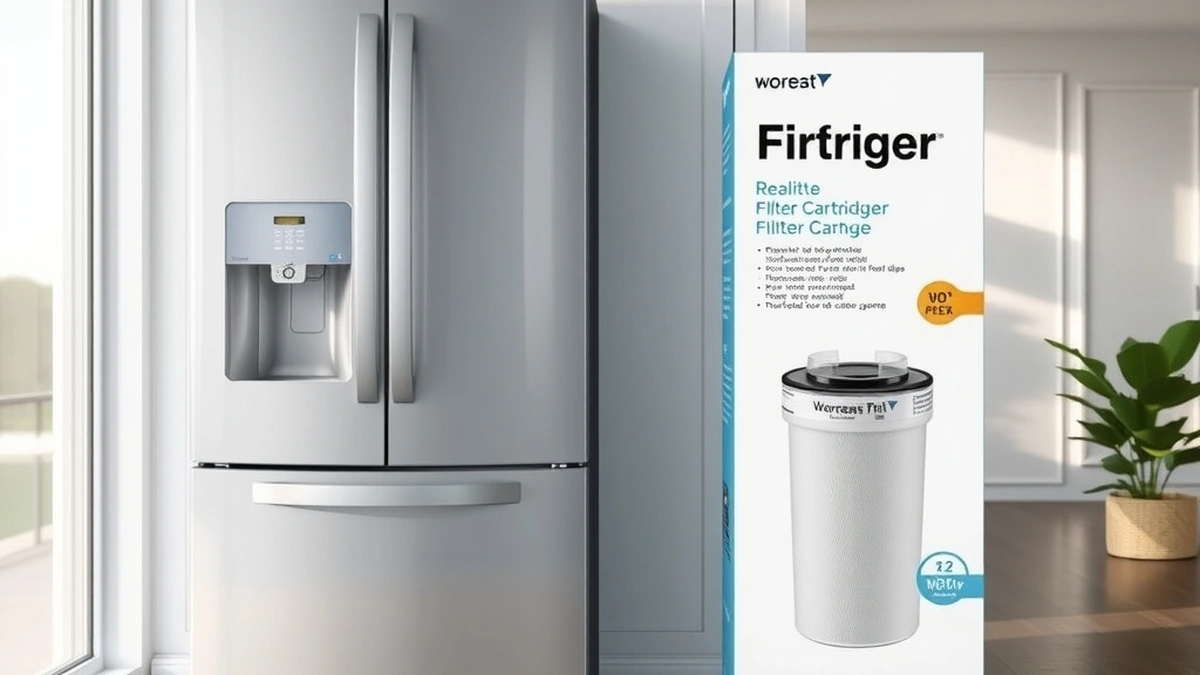
Choose a refrigerator water filter by the model number printed on the old cartridge, then confirm an NSF/ANSI 42 or 53 listing. Cartridges cost $15-$70 and last about six months, and a wrong fit will bypass water around the media.
- Cartridge cost
- $15 - $70
- Cartridge life
- 6 months
- Rating
- 200 - 300 gallons
- Certifications
- NSF 42 or 53
- Annual cost
- $40 - $140
Some links on this page are affiliate links.If you buy through them we may earn a commission at no extra cost to you. We do not accept payment for rankings. Read the full disclosure.
Choose a refrigerator water filter by the model number on the old cartridge, then confirm an NSF/ANSI listing. Cartridges cost $15-$70 and last about six months. A filter that looks identical but measures a millimeter short will flow perfectly and filter nothing.
The model number is the whole decision
Refrigerator filters are matched to housings by geometry: diameter, length, tab pattern, and O-ring position. Two cartridges can look identical on a shelf and fit differently.
Read the number printed on the cartridge body, or find it in the manual or on a sticker inside the fridge. That number is the only reliable buying instruction.
Buying by brand and photo is how people end up with a filter that clicks into place, flows water, and bypasses the media entirely.
OEM versus compatible
| Option | Cost | Fit | Certification |
|---|---|---|---|
| OEM cartridge | $40 - $70 | Exact | Listed by manufacturer |
| Certified compatible | $20 - $40 | Model-specific | Should carry NSF listing |
| Uncertified generic | $10 - $20 | Variable | None |
| Bypass plug | $10 - $20 | Exact | Not applicable |
An OEM cartridge is the safe choice and the expensive one. A certified compatible cartridge can be just as good, provided the listing is real.
An uncertified generic may fit and may filter, but there is no test behind the claim. For a device that treats drinking water, that is a large unknown for a $20 saving.
What the standards mean
NSF/ANSI 42 covers aesthetic effects: chlorine, taste, odor, and particulates. Most fridge filters carry it.
NSF/ANSI 53 covers health effects: lead, cysts, volatile organic compounds, and some metals. Fewer fridge filters carry it, and those that do usually cost more.
Decide which claim you need. If the goal is better-tasting water, 42 is enough. If lead is a concern, look for 53 and verify the listing rather than the box.
Capacity and change interval
Most cartridges are rated for 200-300 gallons, which is about six months for a household that uses the dispenser daily.
A household that fills a pitcher several times a day will hit 300 gallons in four months. A vacation home may take a year to get there, but the media also ages while wet.
Use the indicator as a reminder, not a measurement. It counts time or estimated gallons, and it cannot detect chlorine breakthrough.
Fit problems and bypass plugs
A cartridge that does not click or lock is the wrong part. Forcing it cracks the housing receiver, which is a $150-$400 repair.
A bypass plug replaces the cartridge when filtration is not wanted, such as winterizing a cabin. Without either a cartridge or a plug, the housing can leak.
If the dispenser slows after a change, the cartridge is probably not seated. Remove it, check the O-ring, and reseat it before assuming the fridge has a problem.
Cost over five years
Ten OEM cartridges at $50 is $500. Ten certified compatibles at $30 is $300. The difference is $200 over five years for identical filtration, if the compatible is genuinely certified.
That is the case for checking certifications rather than assuming OEM is the only option. It is also the case against buying the cheapest cartridge on a marketplace listing with no documentation.
Getting the installation right
Seating a cartridge is a two-second job that goes wrong often enough to deserve its own paragraph. Line up the tabs, push straight in, and turn until it stops. If it turns freely past the stop, it is not the right cartridge or the receiver is damaged.
Flush 2-3 gallons after every change. Carbon fines make the first glasses grey, and air in the line makes the dispenser sputter. Discarding the water is cheaper than concluding the filter is defective.
Turn the ice maker off during the change. If the auger cycles with the filter out, the line can draw air and the ice maker produces hollow cubes for a day.
Check the supply line behind the fridge once a year. A pinhole in a plastic line runs down the wall and shows up as soft flooring weeks later, and the line costs $10-$25 to replace before that happens.
If the fridge has a saddle valve, look for corrosion at the clamp. Saddle valves seep, and a quarter-turn valve is a better long-term answer for $15.
Keep the old cartridge until the new one is seated and flushed. If the new part is wrong, the old one gets you through the week without a bypass plug.
Finally, note the change date where you will see it. A sticker inside the fridge door works better than a phone reminder that gets dismissed, and six months passes quickly in a kitchen.
A buying sequence
- Read the model number from the old cartridge.
- Search that number and confirm the housing style.
- Check for an NSF/ANSI 42 or 53 listing.
- Compare OEM and certified compatible prices.
- Buy two so a change is never delayed.
- Note the install date on the cartridge.
What to ignore
Ignore a listing that says “fits brand X” without a model number. Fits is not a specification.
Ignore filters marketed by taste alone if lead is a concern. The certification is the claim.
Ignore the indicator light as a quality signal. It tells you when to buy, not whether the cartridge is working. Refrigerator water filter installation covers the housing types, refrigerator water filter maintenance covers the change routine, and refrigerator water filter troubleshooting covers the slow-dispenser diagnosis. “”
Frequently asked questions
How do I find the right filter for my refrigerator?
Read the model number printed on the existing cartridge, or look it up in the fridge manual or under the housing cover. Buy by that number, not by a photo of a similar-looking part.
Are generic refrigerator filters as good as OEM?
Some are, if they carry an NSF/ANSI certification listing. An uncertified filter may fit and flow but has no verified reduction claim.
What is the difference between NSF 42 and 53?
Standard 42 covers aesthetic claims such as chlorine and taste. Standard 53 covers health claims including lead and cysts. A filter certified only under 42 makes no lead claim.
How often should a fridge filter be replaced?
Every six months, or when the indicator light comes on. The rating is typically 200-300 gallons, which a household using the dispenser daily reaches in about six months.
Why does a wrong filter fit but not work?
A cartridge a few millimeters short can seat without sealing, so water bypasses the media. The dispenser flows normally and the water is unfiltered.
Can I use a filter without a bypass plug if mine is missing?
No. Without a cartridge or a bypass plug, the housing can leak or the dispenser can stop working. Buy the correct bypass plug for the model.
Sources
Some links are affiliate links.If you buy through them we may earn a commission at no extra cost to you. We do not accept payment for rankings. Read the full disclosure.