Best Well Water Filter System for Home Use
Compare well water filter systems by installed cost, capacity, and maintenance. Find the right setup for hardness, iron, sediment, and bacteria.
The best well water filter system starts with a lab test, then matches equipment to your specific contaminants—typically sediment, hardness, iron, or bacteria—rather than buying a one-size-fits-all package.
- First step
- Certified lab water test ($40–$150)
- Softener installed
- $1,200–$4,500
- Carbon filter installed
- $500–$1,800
- Iron filter installed
- $800–$2,500
- UV system lamp
- Replace every 12 months ($30–$90)
Some links on this page are affiliate links.If you buy through them we may earn a commission at no extra cost to you. We do not accept payment for rankings. Read the full disclosure.
The best well water filter system is the one matched to your actual water chemistry. There is no universal package that treats every well, because hardness, iron, sediment, and bacteria vary by location and depth. Start with a certified lab water test, then select equipment based on the results.
Start With a Water Test
Before comparing equipment, order a laboratory water test. A standard well panel typically reports hardness, iron, manganese, pH, total dissolved solids, nitrate, and coliform bacteria. Lab tests cost $40 to $150. Without these numbers, you risk undersizing a softener, buying a carbon filter that does not address dissolved minerals, or missing a bacteria problem that requires UV treatment.
Water treatment follows a sequence: test first, equipment second. The test tells you which contaminants are present and at what concentration, which determines whether you need a softener, an iron filter, carbon filtration, reverse osmosis, UV disinfection, or a combination.
Match Equipment to Contaminants
Different well water problems require different treatment technologies. Use the test results to prioritize.
Hardness is measured in grains per gallon (gpg). Soft water is 0–3 gpg, moderate is 3–7 gpg, hard is 7–10 gpg, and very hard is 10+ gpg. If hardness is your main issue, an ion-exchange softener is the standard tool. Softeners are rated by grain capacity, commonly 24,000 to 64,000 grains. To estimate daily grain removal, multiply grains per gallon by daily water use. For example, a household using 300 gallons per day with 10 gpg hardness creates a 3,000-grain daily load. A 32,000-grain system would theoretically handle roughly 10 days between regenerations before reserve and efficiency factors are applied.
Iron is another common well contaminant. A softener can reduce clear-water iron up to about 2–3 ppm. Above that range, a dedicated iron filter is usually more appropriate. Iron filters cost $800 to $2,500 installed.
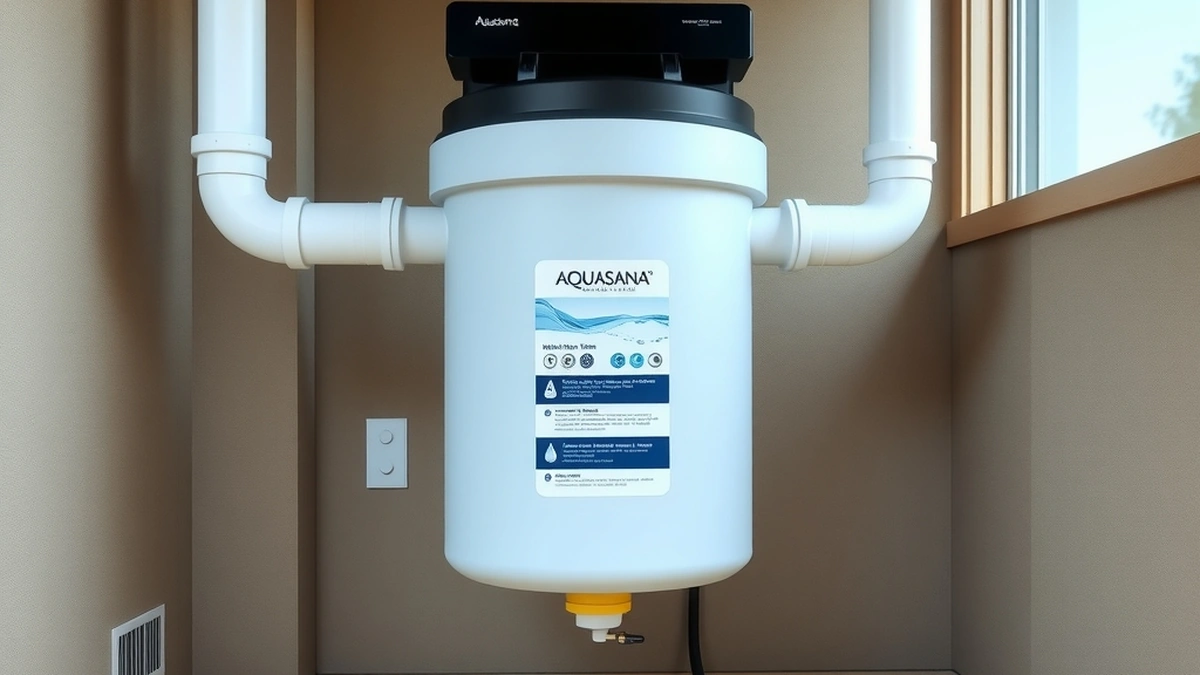
Sediment, chlorine taste, and organic odors are often addressed with carbon filtration. A whole-house carbon filter costs $500 to $1,800 installed. Cartridges run $80 to $300 per year and typically last 6 to 12 months. Sediment pre-filters usually need replacement every 3 to 6 months.
If your test shows bacteria or coliform, UV disinfection is a common physical treatment option. UV lamps are replaced every 12 months and cost $30 to $90 per lamp. UV does not remove chemicals or hardness; it treats microbiological contamination only.
Nitrate at or above 10 mg/L generally requires reverse osmosis or another nitrate-specific treatment for drinking water. Whole-house RO is expensive, typically $3,000 to $8,000 installed, so many households use under-sink RO for drinking and cooking instead.
Compare Installed Costs and Maintenance
Equipment price is only part of the total. Installed cost includes labor, plumbing fittings, and sometimes electrical work. Maintenance cost determines the true expense over 10 to 15 years.
Water softeners cost $600 to $2,500 for equipment alone, with installation adding $500 to $1,500. Total installed cost is typically $1,200 to $4,500. Salt runs $120 to $400 per year. Resin rebedding costs $300 to $600 and is usually needed every 8 to 12 years. Salt use is roughly 8 to 12 pounds per regeneration. A softener typically lasts 10 to 15 years.
Salt-free conditioners cost $500 to $1,800 installed. They do not remove hardness minerals through ion exchange, so they are not classified as softeners and do not use salt.
Carbon filters cost $500 to $1,800 installed, with annual cartridge costs of $80 to $300.
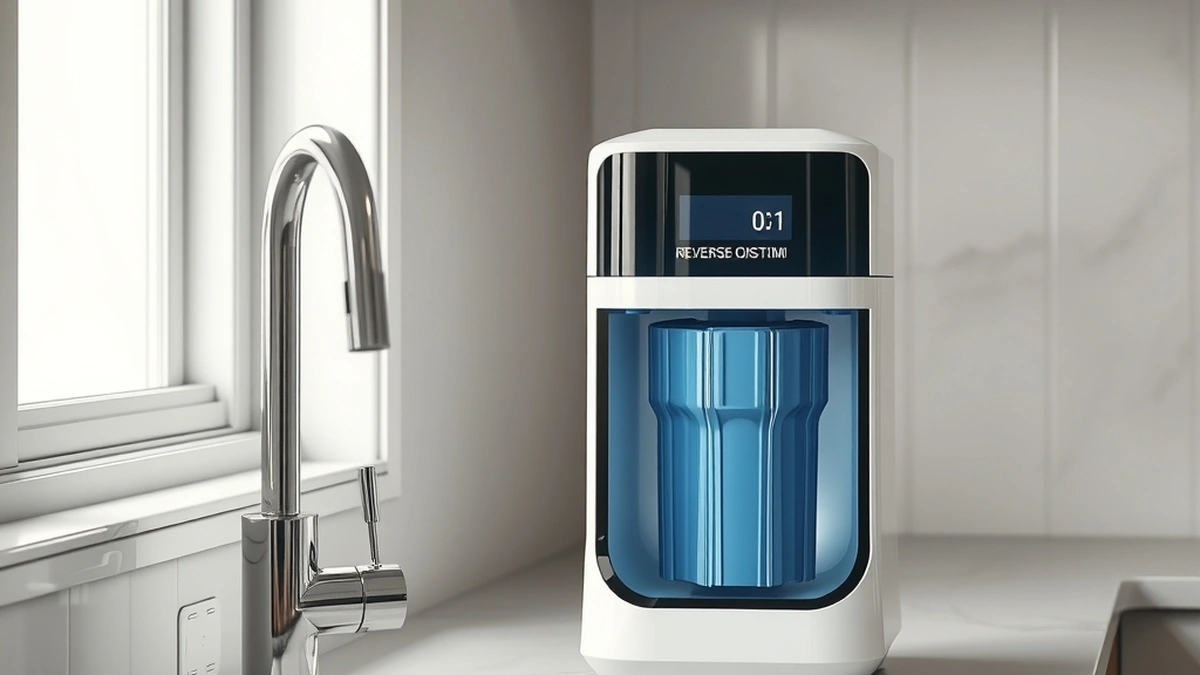
Under-sink reverse osmosis equipment costs $200 to $600, with installed prices of $300 to $900. Annual running costs are $60 to $150. Membranes last 2 to 3 years. RO systems reject 80 to 95 percent of many dissolved contaminants, depending on the membrane and feed water, and typically waste 3 to 4 gallons for every gallon produced.
Whole-house RO systems cost $3,000 to $8,000 installed and are usually reserved for specific whole-house needs such as high nitrate or TDS.
Example Cost Arithmetic
Here is how to compare two common setups over five years.
Setup A: Softener plus sediment pre-filter.
- Softener installed: $1,200 to $4,500. Use midpoint $2,850.
- Salt: $120 to $400 per year. Use midpoint $260. Five years: $1,300.
- Sediment cartridges: assume $30 per cartridge, changed every 4 months. Three per year: $90. Five years: $450.
- Five-year total: roughly $4,600.
Setup B: Carbon filter plus under-sink RO.
- Carbon filter installed: $500 to $1,800. Use midpoint $1,150.
- Carbon cartridges: $80 to $300 per year. Use midpoint $190. Five years: $950.
- RO installed: $300 to $900. Use midpoint $600.
- RO running costs: $60 to $150 per year. Use midpoint $105. Five years: $525.
- RO membrane replacement once in five years: included roughly in running cost range.
- Five-year total: roughly $3,225.
These are estimates. Your actual cost depends on local labor rates, water use, and test results. For more detail on equipment pricing, see /how-much-does-a-water-softener-cost/ and /whole-house-water-filter-cost/.
Flow Rate and Sizing
Whole-house filters are rated in gallons per minute (GPM). Typical residential whole-house systems handle 8 to 15 GPM. If your pump and fixtures demand more than the filter’s rated flow, pressure drop can occur. Match the system to your peak household flow, not just average use.
Softener sizing also depends on regeneration frequency. A larger grain capacity means longer runs between regeneration but higher upfront cost and more salt per regeneration. Calculate your daily grain load, then add a reserve—commonly one day—before selecting a tank size.
Installation Considerations
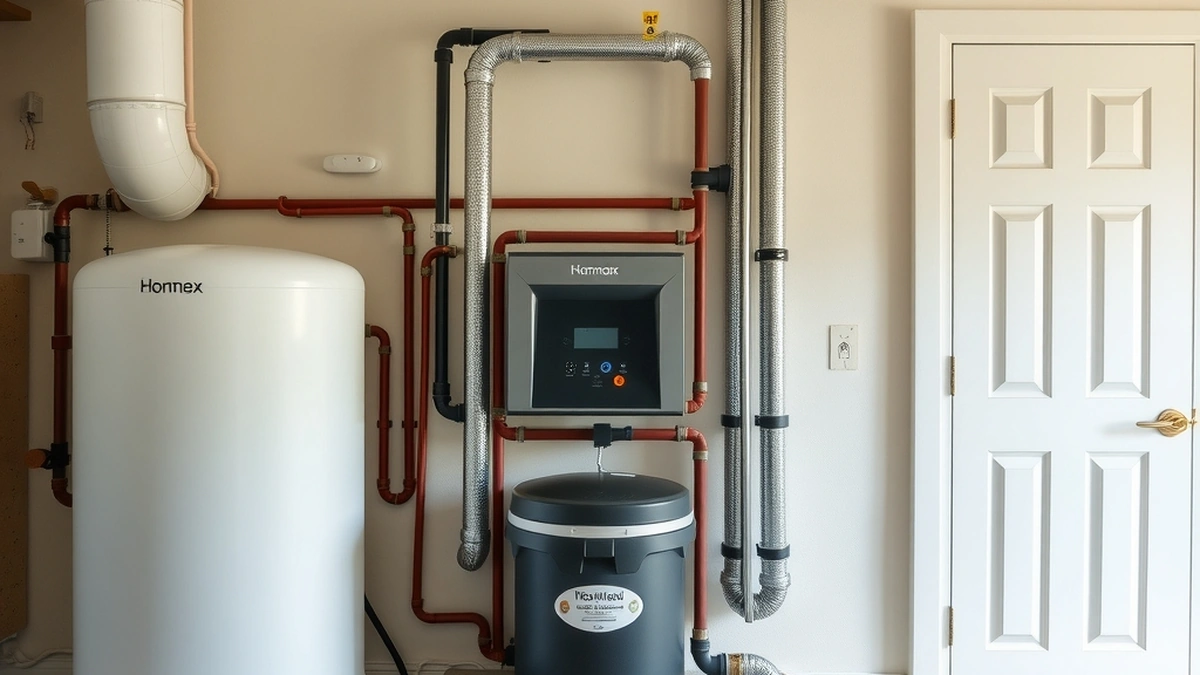
Well water equipment is usually installed where the pressure tank enters the home, before the water heater and branch lines. Point-of-use devices such as under-sink RO are installed at the kitchen sink. UV systems require clear water to work effectively; turbidity or iron can shield microorganisms from UV light, so pre-treatment may be necessary.
Electrical outlets are needed for softeners, UV systems, and some iron filters. Drain access is required for softener regeneration and RO waste. If you are retrofitting an older home, confirm pipe material and available space before ordering equipment.
For installation labor estimates, see /water-softener-installation-cost/ and /reverse-osmosis-system-cost/. For broader well treatment budgeting, see /well-water-treatment-cost/.
Ongoing Ownership Costs
Maintenance schedules vary by component:
- Softener salt: $120 to $400 per year. See /water-softener-salt-cost/.
- Resin rebed: $300 to $600 every 8 to 12 years.
- Carbon cartridge: $80 to $300 per year, every 6 to 12 months.
- Sediment cartridge: every 3 to 6 months.
- RO membrane: every 2 to 3 years.
- RO filters and running cost: $60 to $150 per year.
- UV lamp: $30 to $90 every 12 months.
Track these costs in a spreadsheet or notebook. A cheaper system with expensive cartridges can cost more over a decade than a higher-priced system with low maintenance.
Build a System, Not a Product
Many well homes need more than one device. A common configuration is sediment pre-filter, softener or iron filter, whole-house carbon, and under-sink RO for drinking water. If bacteria are present, add UV after filtration and before the point of use.
Buy based on your test results, flow rate, and budget. Avoid packages that claim to treat everything without identifying what is in your water. For iron-specific pricing, see /iron-filter-cost/. For UV pricing, see /uv-water-purifier-cost/.
The best well water filter system is the one sized to your lab report, installed correctly, and maintained on schedule. Test first, then buy equipment that matches the numbers.
Next, compare how much does a water softener cost, water softener installation cost, whole house water filter cost before you commit.
Frequently asked questions
What is the best well water filter system?
There is no single best system; the right choice depends on your lab test results, flow rate, and which contaminants you need to reduce.
Do I need a water test before buying equipment?
Yes. A lab test identifies hardness, iron, pH, and other parameters so you can size equipment correctly instead of guessing.
How much does a well water softener cost installed?
Installed softener costs range from $1,200 to $4,500, depending on grain capacity and labor rates.
How often do carbon cartridges need replacement?
Carbon cartridges typically need replacement every 6 to 12 months, costing $80 to $300 per year.
Can a softener remove iron from well water?
Softeners can handle limited iron, generally up to 2–3 ppm; higher levels usually require a dedicated iron filter.
Does reverse osmosis waste water?
Yes, under-sink RO systems typically have a waste ratio of 3–4 gallons to 1 gallon of product water.
Sources
Some links are affiliate links.If you buy through them we may earn a commission at no extra cost to you. We do not accept payment for rankings. Read the full disclosure.