
Deliver Water Softener Salt: How to Order and What to.
Ordering salt delivery is a phone call with four details: quantity, placement, access, and schedule. See minimums, fees, and how to check the drop.
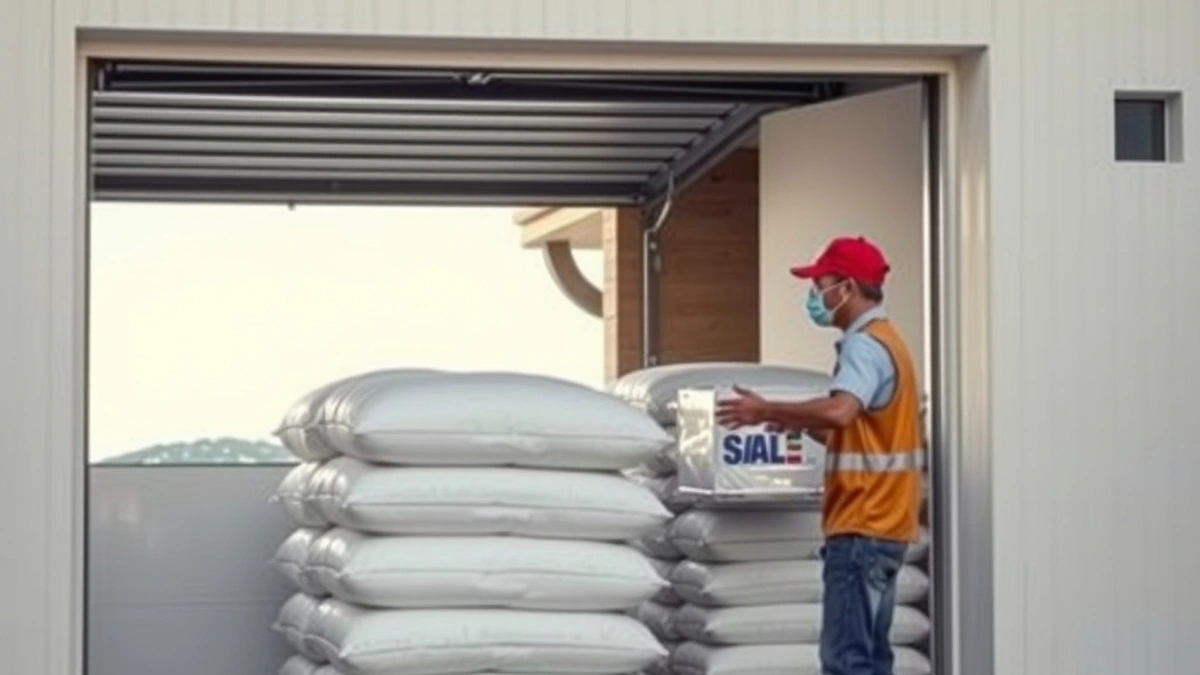
To deliver water softener salt, call a local water treatment dealer or hardware route with your bag count, delivery address, placement point, and access notes. Expect $10 - $16 per 40-pound bag, a 10-bag minimum, and a drop every two to four months.
- Per bag delivered
- $10 - $16
- Minimum order
- 10 bags
- Drop fee
- $0 - $40
- Typical interval
- 2 - 4 months
- Annual use
- 800 - 1,200 lb
Some links on this page are affiliate links.If you buy through them we may earn a commission at no extra cost to you. We do not accept payment for rankings. Read the full disclosure.
Delivering water softener salt is a scheduling problem more than a shopping problem. You need a supplier with a route, a quantity that meets the minimum, a clear placement point, and a schedule that keeps the brine tank from running dry. The order itself takes one phone call.
The Four Details to Give
The first is quantity. Most households use 800 - 1,200 pounds a year, so a drop of 10 - 15 bags every three months covers a typical home. A larger household at high hardness may need 20 bags per drop.
The second is placement. Curbside, garage, basement, or tank-side are different prices and different jobs. Say which one you want and confirm the driver will do it.
The third is access. Gate codes, dogs, stairs, narrow doors, and snow-covered paths all change the drop. A driver who cannot reach the tank leaves the pallet where the truck stopped.
The fourth is schedule. Ask which day the route runs and how much notice is needed. A week is usually enough, and winter needs more.
What You Will Pay
| Line item | Typical range | Notes |
|---|---|---|
| Salt per bag | $10 - $16 | 40 lb bags |
| Drop fee | $0 - $40 | Often waived at 20+ bags |
| Tank fill | $10 - $30 | Full-service tier |
| Stairs or basement | $20 - $60 | Varies by service |
| Annual total at 25 bags | $250 - $400 | Delivered pricing |
At 25 bags, the delivered total is $250 - $400 against $175 - $300 at retail. The premium is $75 - $150 a year, which buys transport, labor, and a schedule you do not have to remember.
A full pallet of 40 - 50 bags usually ships at the low end of the per-bag range or with delivery included. The per-bag premium shrinks as the order grows, which is why large households get better value from delivery than small ones.
How the Drop Works
The truck arrives with a pallet or a stack of bags. The driver unloads at the agreed point, and you sign for the quantity. On a full-service tier, the driver opens the brine tank, pours the salt, and confirms the level.
Check the count before signing. Bags go missing, and a signed slip is hard to dispute. Photograph the pallet if the count looks short.
Inspect for torn bags. A split bag leaks salt onto the driveway, and the salt is corrosive to concrete over time. Most services will replace a damaged bag if it is noted at delivery.
Scheduling Around the Tank
The brine tank should stay between half and two-thirds full. Schedule the next drop when it falls to half, not when it runs out.
Track bag use for two months before setting an interval. A household that uses five bags a month needs a 15-bag drop every three months; one that uses two bags a month needs 10 bags every five months.
Seasonal properties need a different plan. A summer cabin needs one drop before the season, and a service that bills monthly will charge for drops it never makes. Ask for a seasonal hold.
Storing What Arrives
- Place the pallet on a dry, level surface, off concrete if possible.
- Keep the stack away from exterior walls and floor drains.
- Cover loosely with a tarp to keep dust and moisture off.
- Leave air space around the stack for circulation.
- Use the oldest bags first and check for hardening.
- Keep the path to the tank clear for the next delivery.
A year of salt is a quarter ton in one corner. If the garage is damp, buy smaller quantities more often rather than letting the bottom bags fuse.
Setting Up the First Delivery
Clear the path before the truck arrives. Move the car, shovel the walk in winter, and check that the gate opens fully. A driver who loses ten minutes to a blocked path may skip the drop entirely.
Confirm the placement in writing when the account is opened. “Garage, left of the door” is specific; “inside” is not, and a pallet dropped in a hallway is a problem for everyone.
Ask the driver to text before arrival if the schedule is tight. Most routes will, and a five-minute warning is enough to move a vehicle.
What Delivery Is Not
Delivery is not a maintenance visit unless you pay for the full-service tier. A curbside drop does not check the valve, test the water, or clean the tank. Those are separate services at $100 - $250.
Delivery is also not cheaper than retail. It is a convenience purchase, and the honest comparison is $75 - $150 a year against the time, fuel, and lifting of doing it yourself.
That is a reasonable trade for many households, and a poor one for a condo with six bags a year and a store two miles away.
When Delivery Is Worth It
Delivery pays for households using 20 or more bags a year, anyone who cannot lift 40 pounds safely, and any install where the brine tank sits in a basement with a difficult stair run.
It does not pay for a condo using six bags a year, for a household with a store nearby and easy storage, or for a buyer who wants to inspect every bag before purchase.
Most routes bill per drop or hold a card on file. Ask which one before the first delivery, because a card on file can turn a skipped drop into a charge you did not expect.
Get a receipt that lists the bag count, the price per bag, the drop fee, and the tank fill if it was included. That receipt is the only record when the next statement looks wrong.
If the property is a rental, put the placement point and access notes in the delivery account so the driver does not have to call the tenant. A pallet left in the wrong place is a complaint for the landlord, not the driver.
For the pricing comparison, see water softener salt delivery. For service tiers and contracts, see water softener salt delivery service. For local sourcing, see water softener salt near me.
Frequently asked questions
How do I order salt delivery?
Call a water treatment dealer or a hardware store with a delivery route. Give the bag quantity, address, where to place the bags, and any access details like stairs or a gate code.
What is the minimum order for salt delivery?
Many services require 10 bags, and some require a full pallet of 40-50 bags for free delivery. Ask before scheduling to avoid a surprise fee.
Will the driver fill my brine tank?
Only on a full-service tier. Curbside and garage drops leave the bags for the homeowner, and tank fill usually costs extra or requires a service plan.
How far in advance should I schedule?
Most routes run weekly or biweekly, so a week's notice is usually enough. In winter, schedule earlier because demand and weather can delay routes.
What if the bags are damaged on arrival?
Inspect before signing. Note any torn bags or missing quantity on the delivery slip, and photograph the pallet. Most services will credit or replace damaged bags.
Can I get salt delivered to a rental property?
Yes, if the tenant or property manager can provide access. Set the placement point and access notes in writing so the driver does not leave a pallet on the lawn.
Sources
Some links are affiliate links.If you buy through them we may earn a commission at no extra cost to you. We do not accept payment for rankings. Read the full disclosure.


